


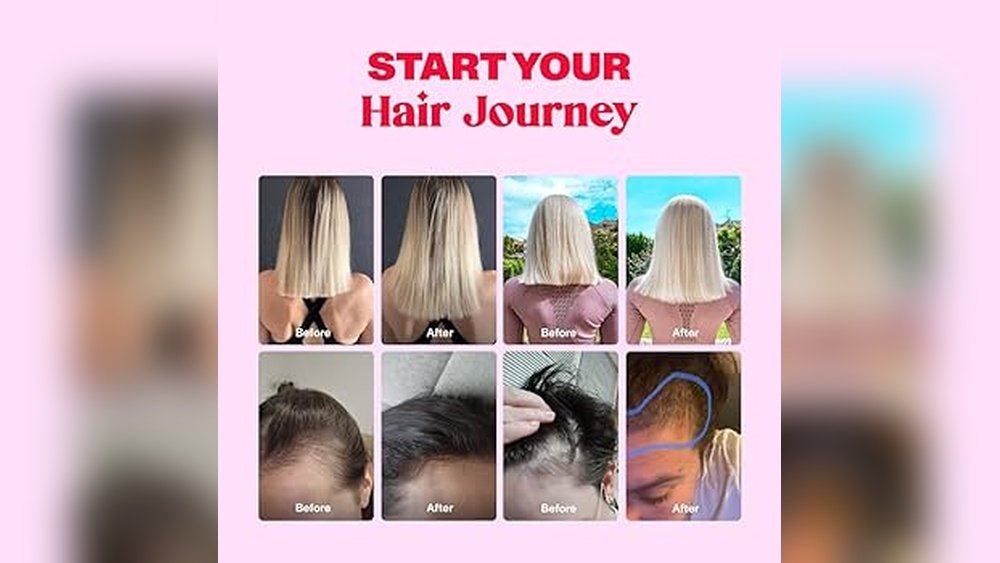
Are you wondering if prenatal vitamins could be the secret to thicker, healthier hair? You’re not alone.
Many people hear about prenatal vitamins helping with hair growth and want to know if they really work for everyone—not just pregnant women. The truth is, these vitamins contain key nutrients like biotin, iron, and B vitamins that support hair health, but their benefits depend heavily on your body’s needs.
You’ll discover when prenatal vitamins can truly boost your hair growth, why they might not be a magic fix, and what you should consider before adding them to your routine. Keep reading to find out if prenatal vitamins are the right choice for your hair goals.
Prenatal Vitamins And Hair Growth
Prenatal vitamins contain many nutrients that support overall health. Some people wonder if these vitamins can help with hair growth. Hair growth depends on many factors, including diet, genetics, and health conditions. Prenatal vitamins may help if a person has a nutrient deficiency. They supply vitamins and minerals that are important for hair follicles to function well. Understanding which nutrients affect hair can clarify how prenatal vitamins work.
Key Nutrients For Hair Health
Healthy hair needs specific nutrients. These include iron, zinc, vitamin D, and B vitamins. Each nutrient plays a role in keeping hair strong and growing. Without enough of these nutrients, hair may become thin or fall out. Prenatal vitamins often contain these essential nutrients. They support the body’s ability to build and repair hair strands.
Role Of Iron In Hair Follicles
Iron carries oxygen to hair follicles through the blood. Follicles need oxygen to grow healthy hair. Low iron levels can cause hair thinning and shedding. Prenatal vitamins have iron to prevent this problem. Iron helps keep hair roots alive and active. People with iron deficiency may notice improved hair growth after taking prenatal vitamins.
Importance Of Zinc And Vitamin D
Zinc helps repair hair tissue and keeps oil glands working well. It supports the hair growth cycle. Vitamin D helps create new hair follicles. Without enough vitamin D, hair growth slows down. Prenatal vitamins include zinc and vitamin D to support these functions. These nutrients help maintain strong, healthy hair over time.
Benefits Of B Vitamins
B vitamins, like biotin and B12, improve hair strength and shine. They help produce keratin, the protein in hair strands. Biotin supports cell growth, which is important for hair follicles. Prenatal vitamins provide a good amount of B vitamins. These vitamins can help repair damaged hair and support new growth.

Credit: www.youtube.com
How Deficiencies Affect Hair
Hair health depends heavily on proper nutrition. Missing key nutrients can weaken hair strands. Deficiencies often cause hair to thin or fall out. Hair grows from follicles that need vitamins and minerals. Without enough nutrients, follicles cannot function well. This leads to slower growth and fragile hair.
Several vitamins and minerals play a role in hair strength. Lack of these nutrients affects hair thickness and growth cycles. Understanding deficiency signs helps catch problems early. Prenatal vitamins contain many essential nutrients for hair health. They can help restore balance and support growth in deficient individuals.
Signs Of Nutrient Deficiency
Hair may become dry and brittle. Increased hair shedding or thinning is common. Scalp irritation or dandruff may occur. Nails might also become weak or brittle. Feeling tired and weak can be related to nutrient shortage. These signs indicate the body needs more vitamins for hair.
Impact On Hair Thickness And Growth
Hair loses volume when nutrients are low. Follicles shrink and produce thinner strands. Growth slows, making hair look dull and lifeless. Breakage happens more often with poor nutrition. Hair cycles shorten, causing more shedding phases. Overall hair health depends on steady nutrient supply.
Correcting Deficiencies With Prenatals
Prenatal vitamins contain iron, biotin, zinc, and B vitamins. These nutrients nourish hair follicles and promote growth. Iron improves oxygen delivery to hair roots. Biotin strengthens hair structure and prevents breakage. Zinc supports hair repair and growth cycles. Taking prenatals may improve hair thickness if deficient.
Consult a healthcare provider before starting supplements. Excess nutrients can cause unwanted side effects. Balanced nutrition is key for healthy hair growth. Prenatals help only if the body lacks certain vitamins or minerals.
Limitations Of Prenatal Vitamins
Prenatal vitamins often gain attention for their role in supporting hair growth. They contain many nutrients important for hair health. Still, their benefits have clear limits. Understanding these limits helps set realistic expectations. Prenatal vitamins do not guarantee hair growth for everyone. Several factors influence their effectiveness.
No Benefit Without Deficiency
Prenatal vitamins mainly help if you lack certain nutrients. For example, iron, biotin, or vitamin D deficiencies can cause hair loss. Supplementing these nutrients may improve hair growth. Without a deficiency, extra vitamins usually do not boost hair growth. A balanced diet often provides enough nutrients for healthy hair. Taking prenatal vitamins without need may not show any visible benefits.
Hormonal Influence During Pregnancy
Pregnancy hormones strongly affect hair growth and loss. Many women notice thicker hair during pregnancy. This is due to increased estrogen levels. Prenatal vitamins do not cause this change. After pregnancy, hormone levels drop, and hair may shed. Vitamins alone cannot change these natural hormone effects. Hair changes during pregnancy are mostly hormonal, not nutritional.
Risks Of Excess Iron Intake
Many prenatal vitamins contain high amounts of iron. Iron supports red blood cell production and oxygen delivery to hair follicles. Too much iron can cause health problems like stomach pain or constipation. Excess iron is risky for men and non-pregnant women. Taking prenatal vitamins without medical advice may lead to iron overload. It is important to use prenatal vitamins as directed by a healthcare provider.
Prenatal Vitamins For Non-pregnant Individuals
Prenatal vitamins contain many nutrients that support hair health. These include biotin, iron, zinc, and vitamins B and D. Some people who are not pregnant take prenatal vitamins hoping for thicker, healthier hair. While these vitamins can help if a person has a nutrient deficiency, they do not speed up hair growth for everyone. For non-pregnant individuals without deficiencies, prenatal vitamins may not provide extra benefits and could cause side effects. Understanding their effects and risks is important before starting them.
Potential Risks And Side Effects
Prenatal vitamins have high iron content. Too much iron can cause stomach pain, constipation, or nausea. Excess iron may also damage organs over time. Non-pregnant people, especially men, should be cautious. Other side effects include headaches and skin reactions. Taking vitamins without a doctor’s advice can lead to unwanted health problems. Always check for allergies and interactions with other medicines.
Effectiveness For Hair Growth
Prenatal vitamins support hair growth only if you lack key nutrients. Iron helps hair follicles get enough oxygen. Zinc and vitamin D keep hair strong and healthy. Biotin supports hair’s natural shine and thickness. If your diet already has these nutrients, prenatal vitamins may not improve your hair. They do not cause hair to grow faster than normal. For some, they may improve hair quality but not hair length or speed of growth.
Consulting A Healthcare Provider
Talk to a healthcare provider before taking prenatal vitamins. They can test for nutrient deficiencies and suggest the best supplements. A doctor helps avoid risks from too much iron or other vitamins. They can recommend safer alternatives for hair health. Professional advice ensures the supplement fits your health needs. Never rely only on vitamins for hair growth. Proper diet, hair care, and health checks are also important.
Alternative Ways To Support Hair Growth
Supporting hair growth involves more than just vitamins. Many factors affect how well hair grows and stays healthy. Prenatal vitamins can help if you lack certain nutrients. Still, other methods can boost hair growth naturally and safely.
Exploring alternative ways helps you care for your hair better. These methods focus on improving overall health and protecting hair from damage. The following sections explain key approaches to support hair growth effectively.
Balanced Diet And Nutrition
A healthy diet provides the building blocks for strong hair. Eating foods rich in protein, iron, and vitamins promotes hair follicle health. Include leafy greens, nuts, eggs, and fish in meals. These foods supply zinc, biotin, and vitamin D. Staying hydrated also supports scalp health and hair growth. Avoid crash diets that cut essential nutrients. Consistent, balanced nutrition keeps hair shiny and resilient.
Hair Care Practices
Gentle hair care protects strands and prevents breakage. Use mild shampoos and condition regularly to keep hair soft. Avoid excessive heat from dryers or straighteners. Limit chemical treatments like bleaching or perming. Comb hair gently, starting from ends to roots. Regular scalp massages can improve blood flow and stimulate follicles. Wearing loose hairstyles prevents tension and hair loss. Clean hair and scalp create a better environment for growth.
Medical Treatments For Hair Loss
Some hair loss needs medical attention and treatment. Doctors may recommend topical solutions like minoxidil to boost growth. Prescription medications can help regulate hormones affecting hair health. In some cases, therapies like laser treatment improve scalp circulation. Hair transplant surgery is an option for severe hair loss. Consulting a dermatologist helps identify the cause and best treatment. Early intervention increases the chances of hair regrowth.

Credit: www.whattoexpect.com

Credit: belibaby.com
Frequently Asked Questions
Do Prenatal Vitamins Help Your Hair Grow?
Prenatal vitamins support hair growth by providing nutrients like biotin, iron, and zinc if you have deficiencies. They don’t speed growth without a deficiency. Excess iron may cause risks, so consult a doctor before use. Hair changes during pregnancy mainly result from hormones, not vitamins alone.
Do Prenatal Vitamins Promote Hair Growth During Pregnancy?
Prenatal vitamins provide key nutrients like iron, biotin, and B vitamins. These support hair follicle health, helping reduce thinning. Hair growth improves mainly if you had nutrient deficiencies. However, hormones play the biggest role in pregnancy-related hair changes.
Can Prenatal Vitamins Help Hair Growth If Not Pregnant?
If you’re not deficient in nutrients, prenatal vitamins usually won’t speed hair growth. Excess iron in prenatals can cause side effects. They may improve hair thickness only if correcting a deficiency. Always consult a doctor before using prenatals for hair growth.
Which Nutrients In Prenatal Vitamins Aid Hair Growth?
Iron prevents thinning by supplying oxygen to follicles. Biotin supports keratin production for stronger hair. Zinc and vitamin D help maintain healthy hair growth cycles. B vitamins improve scalp health, promoting better hair quality.
Conclusion
Prenatal vitamins support hair growth mainly by fixing nutrient gaps. They help if your body lacks iron, biotin, or vitamin D. Without a deficiency, these vitamins won’t speed up hair growth. Too much iron can cause health problems, so take them carefully.
Hair changes during pregnancy happen mostly due to hormones, not vitamins alone. Always check with a doctor before starting prenatal vitamins. They can guide you on what your body really needs. Healthy hair starts with balanced nutrition and good care.
As an Amazon Associate, I earn from qualifying purchases.
Lovingshe is a participant in the Amazon Services LLC Associates Program which is an affiliate advertising program designed to provide a means for sites to earn advertising fees by advertising and linking to Amazon.com. Amazon may use cookies to track referrals from our site. Visit Amazon’s privacy policy for details
