


You’ve probably wondered, “Will hair extensions ruin my hair?” It’s a common concern, especially when you want longer, fuller locks without sacrificing the health of your natural hair. The truth is, hair extensions themselves aren’t the enemy—but how you use them can make all the difference.
If you’re curious about what really happens to your hair when you add extensions, and how to keep your strands safe and strong, keep reading. This article will clear up the myths, share expert insights, and help you decide if hair extensions are right for you—without risking damage.
Your hair deserves the best, so let’s get to the truth behind extensions and healthy hair care.
How Extensions Affect Hair
Hair extensions change the way your hair feels and behaves. They add length and volume but also put stress on your natural hair. Understanding how extensions affect hair helps you avoid damage. The type of extension, how it attaches, and its weight all play a role in hair health.
Types Of Hair Extensions
There are many types of hair extensions. Clip-ins are temporary and easy to remove. Tape-ins use adhesive strips and last for weeks. Sew-ins are braided into natural hair. Fusion extensions bond with hair using glue or heat. Each type pulls and weighs hair differently.
Attachment Methods
Extensions attach in various ways. Clip-ins clip onto hair without glue or heat. Tape-ins stick with glue strips that press onto hair. Sew-ins use thread to braid extensions into hair. Fusion uses heat to bond extensions. Some methods cause more tension on hair than others.
Weight And Tension Factors
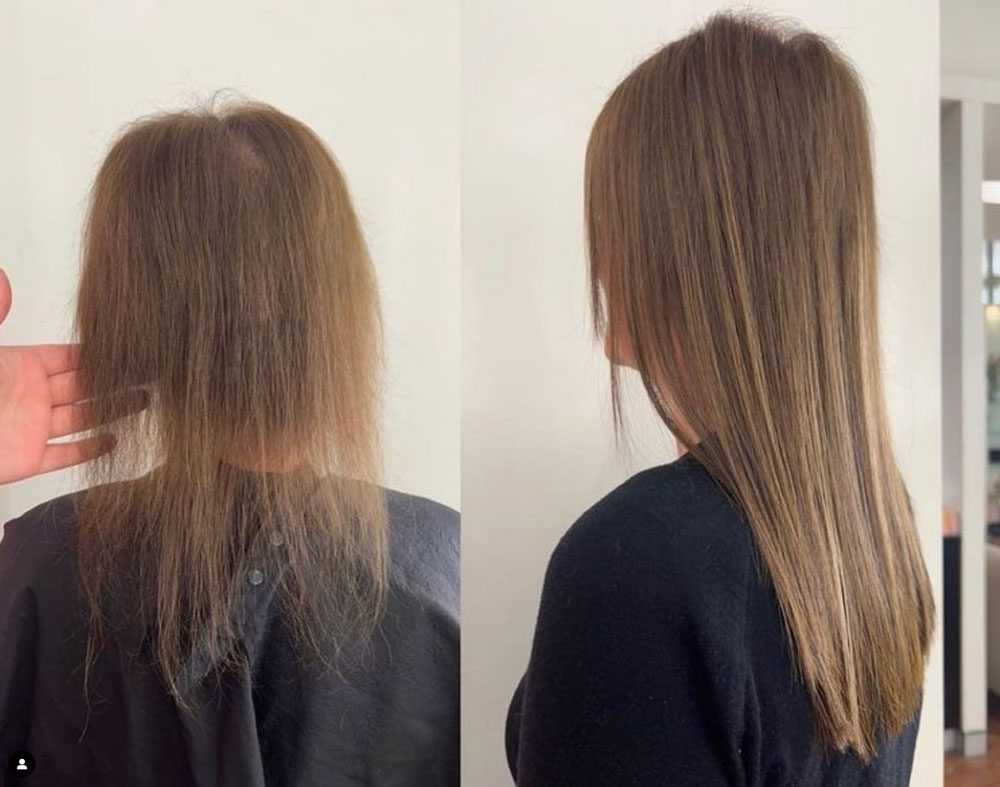
Heavy extensions add extra weight to natural hair. This weight can pull on roots and cause strain. Constant tension may lead to breakage or hair loss. Light, well-distributed extensions reduce stress. Proper care and regular breaks help protect hair from damage.
Common Hair Damage Issues
Hair extensions add length and volume, but they can cause some common hair damage issues. Understanding these problems helps you care for your natural hair better. Extensions are safe if used properly, but misuse can lead to damage.
Breakage Risks
Breakage happens when natural hair snaps off near the root or along the strand. Heavy or poorly attached extensions put extra weight on your hair. This strain makes hair weak and prone to breaking. Using the wrong type or too many extensions increases this risk. Gentle handling and proper installation reduce breakage.
Traction Alopecia
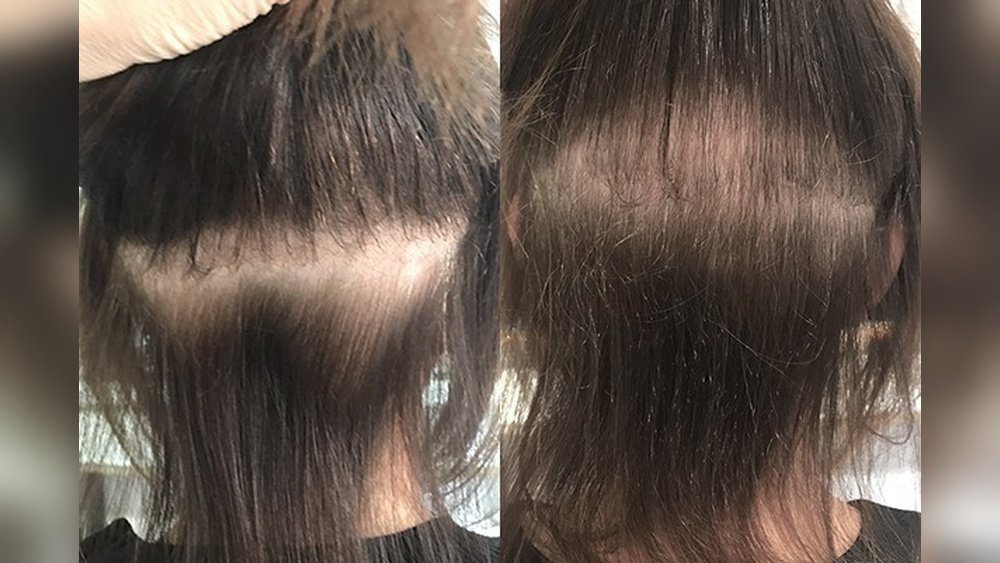
Traction alopecia means hair loss from constant pulling. Extensions that pull tightly on the scalp cause tension on hair follicles. Over time, this tension damages follicles and stops new hair from growing. This condition usually appears around the hairline or where extensions attach. Avoid tight extensions to protect your follicles and prevent hair thinning.
Scalp Irritation
Scalp irritation can happen from glue, tape, or clips used in extensions. These materials sometimes cause itching, redness, or soreness. Poor hygiene or allergic reactions also worsen scalp problems. A healthy scalp is key to strong hair growth. Use gentle products and keep your scalp clean to avoid irritation.
Hair Growth And Extensions
Hair extensions add volume and length instantly. Many wonder if they affect natural hair growth. Understanding how hair grows and the impact of extensions helps clear doubts. Proper care with extensions can keep hair healthy and growing.
Knowing the hair growth process shows why extensions do not stop growth directly. Still, some effects may seem like growth has slowed. Learning about these effects helps maintain strong hair with extensions.
Hair Growth Process
Hair grows from follicles under the scalp. Each hair strand has a life cycle: growth, rest, and shedding. On average, hair grows about half an inch per month. New hair pushes out old strands naturally. Extensions attach to hair shafts, not follicles, so they do not block growth.
Extensions And Growth Impact
Extensions add weight and tension to natural hair. If too heavy or installed wrongly, they can cause stress on hair strands. This stress may lead to breakage or traction alopecia. Traction alopecia happens when hair follicles get damaged by constant pulling. Good-quality extensions with careful application reduce these risks. Regular maintenance supports hair health during use.
Why Growth May Appear Stalled
Heavy extensions can break hairs before they grow long. This breakage makes hair look shorter or thinner. Constant pulling weakens follicles, causing some hairs to fall out early. This gives the impression that hair stopped growing. Proper weight and gentle care prevent damage. Keeping scalp clean and moisturized also helps support growth.
Credit: www.greatlengths.com.au
Preventing Damage
Preventing damage is key to enjoying hair extensions without harming your natural hair. Proper care and smart choices reduce risks and keep your hair healthy. Extensions can look great and feel comfortable when done right. Simple steps make a big difference in protecting your hair from harm.
Proper Application Techniques
Choose a skilled stylist for applying extensions. They know how to attach without pulling too hard. Extensions should not feel tight or heavy. Avoid placing extensions too close to the scalp. This reduces tension on your natural hair. Proper spacing helps hair breathe and grow. Gentle methods like tape-ins or clip-ins often cause less damage. Ask your stylist about the best technique for your hair type.
Choosing The Right Extensions
Pick extensions that match your hair texture and strength. Lightweight extensions put less strain on natural hair. Avoid cheap or synthetic hair that tangles and pulls. High-quality human hair extensions last longer and feel softer. Consider the length and volume carefully. Too long or thick extensions add extra weight. This weight can pull and stress your hair roots. Select extensions that suit your lifestyle and hair health.
Maintenance And Care Tips
Brush extensions gently with a soft bristle brush. Start from the ends and move upward slowly. Wash hair with sulfate-free shampoo to avoid dryness. Condition regularly to keep hair smooth and hydrated. Avoid sleeping with wet hair extensions to reduce tangling. Use heat tools sparingly and always with protection. Schedule regular salon visits to check and adjust extensions. Proper care extends extension life and protects natural hair.
Recovering After Extensions
Recovering after hair extensions requires patience and proper care. Extensions can strain your natural hair and scalp. Giving your hair time to heal helps restore its strength and shine. Taking steps to support hair health after removal is crucial to avoid lasting damage. Here are important points about the recovery process.
Hair Recovery Timeline
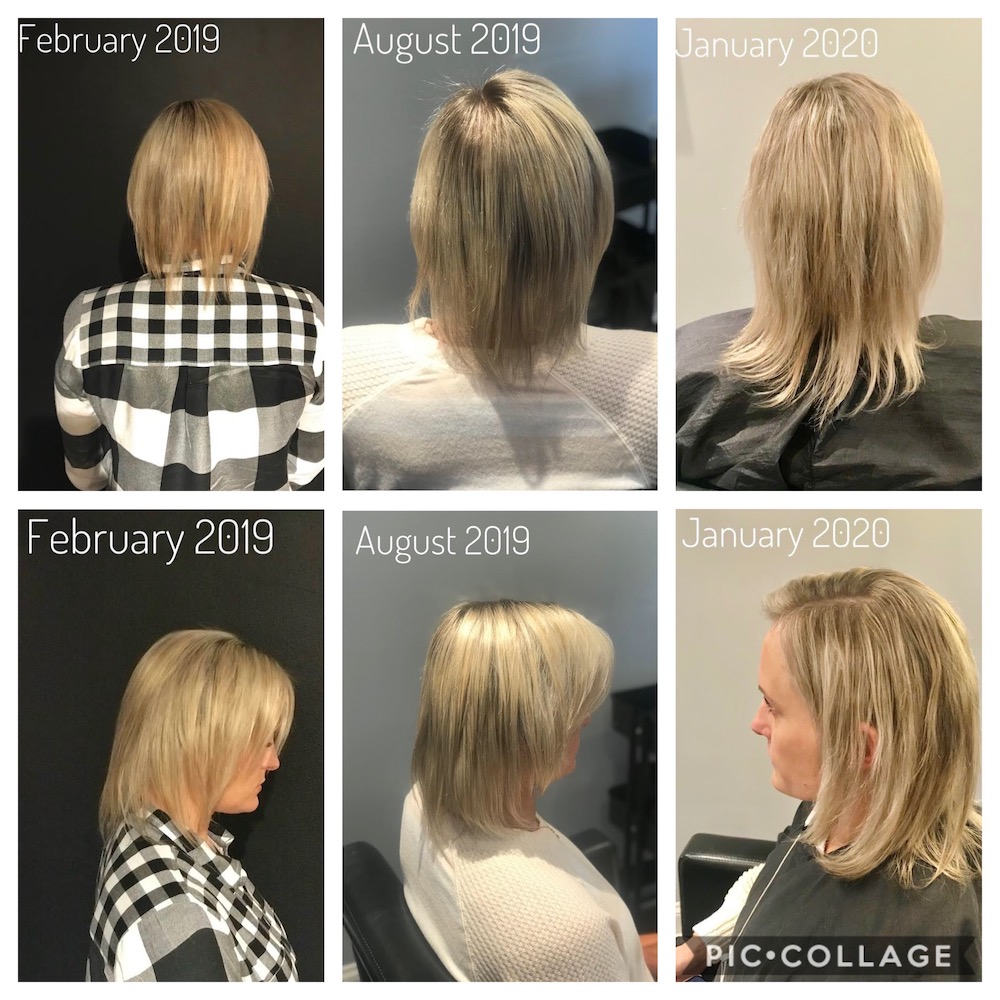
The timeline varies depending on the extent of damage. Mild stress usually improves within a few weeks. Your hair may look thin or brittle at first. New growth often becomes visible after one to three months. Severe damage can take six months or longer to fully heal. Regular trims help remove split ends and promote healthy growth during recovery.
Scalp And Follicle Health
The scalp needs gentle care after extensions come out. Use mild shampoos and avoid harsh chemicals. Massaging the scalp boosts blood flow to hair follicles. This encourages stronger, healthier hair growth. Keep the scalp clean but do not over-wash. Moisturize the skin to prevent dryness and irritation. Healthy follicles are the foundation for thick, resilient hair.
When Damage Becomes Permanent
Damage turns permanent if follicles are severely harmed. Traction alopecia causes follicles to shrink or die. This leads to permanent hair loss in affected areas. Signs include patches of thinning or baldness. Avoid heavy or tight extensions in the future. Seek professional advice if hair does not improve after months. Early treatment increases chances of recovery and prevents lasting harm.
Credit: blondieinthecity.com
Myths And Facts
Hair extensions often come with many rumors about damaging natural hair. Separating myths from facts helps you make smart choices. Understanding the truth protects your hair and keeps it healthy. This section clears up common myths, shares expert views, and reveals real user stories.
Common Misconceptions
Many believe extensions always cause hair loss or damage. This is not true for all cases. Damage usually happens from poor application or care. Some think extensions stop hair growth. Hair grows from follicles under the scalp, so extensions do not block growth. Others say extensions pull out natural hair. Excess weight and wrong removal can cause this, but proper care prevents harm.
Expert Opinions
Hair specialists say extensions are safe with correct use. They warn against heavy or tight extensions. Experts recommend regular breaks between extensions to let hair rest. Proper maintenance like gentle washing and avoiding heat helps keep hair strong. Specialists say damage comes from misuse, not extensions themselves.
User Experiences
Many users report healthy hair with extensions. They note better styling and confidence. Some share damage stories after careless removal or heavy extensions. Positive users stress choosing skilled stylists and following care tips. Real experiences show that extensions do not ruin hair when used wisely.
Credit: adoredsalon.com
Frequently Asked Questions
Do Hair Extensions Stop Your Hair From Growing?
Hair extensions do not stop hair growth since growth occurs at the follicle. Poor application or heavy extensions may cause breakage, mimicking slow growth. Proper care and installation protect natural hair and support healthy growth.
Will My Hair Go Back To Normal After Extensions?
Your hair can return to normal after extensions if you avoid damage and maintain proper care. Avoid heavy or tight extensions. Give your scalp time to recover. Use gentle products and avoid excessive pulling to prevent breakage and promote healthy regrowth.
What Are The Negatives Of Hair Extensions?
Hair extensions can cause hair breakage, scalp irritation, and traction alopecia if applied or maintained improperly. They may also weigh down natural hair, leading to thinning or damage over time. Proper care and professional application reduce these risks significantly.
What Hair Extensions Don T Damage Your Hair?
Hair extensions like clip-ins, tape-ins, and halo extensions cause minimal damage when applied and removed gently. Avoid heavy or tight extensions. Proper maintenance and professional installation protect natural hair health.
Conclusion
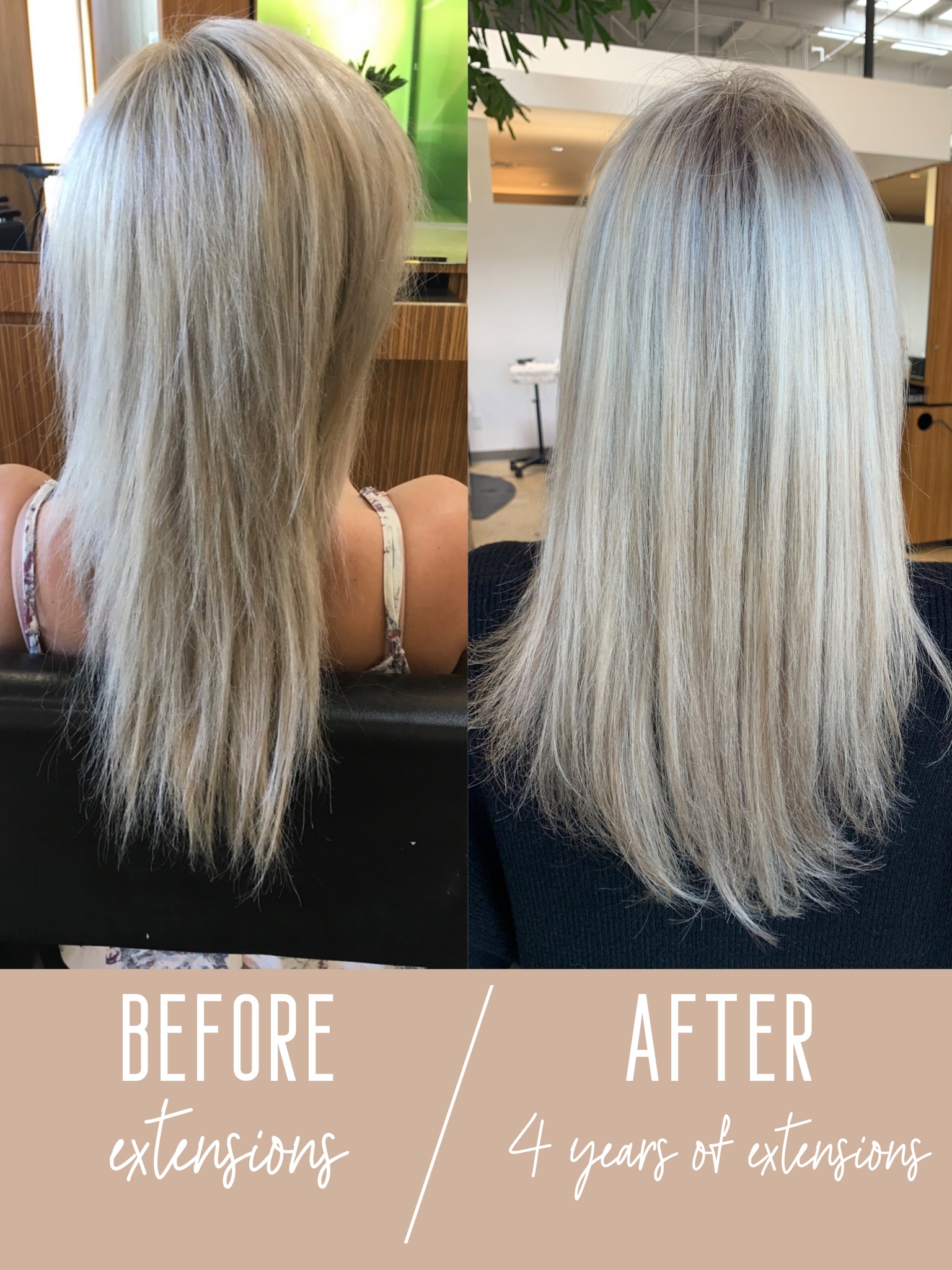
Hair extensions do not always ruin your hair. Proper care and gentle application keep hair healthy. Avoid heavy extensions and constant pulling to prevent damage. Regular maintenance helps your natural hair stay strong. Choose a skilled stylist to reduce risks.
Hair can grow well with safe extension use. Damage happens mostly from poor handling, not extensions themselves. Keep your hair clean and moisturized to support growth. Extensions can add length and volume without harm. Careful use means beautiful hair without lasting damage.
As an Amazon Associate, I earn from qualifying purchases.
Lovingshe is a participant in the Amazon Services LLC Associates Program which is an affiliate advertising program designed to provide a means for sites to earn advertising fees by advertising and linking to Amazon.com. Amazon may use cookies to track referrals from our site. Visit Amazon’s privacy policy for details
