


Have you ever wondered if fleas can actually live in your hair? The thought alone can send shivers down your spine, especially if you or your pets have recently been dealing with these pesky bugs.
You might be feeling itchy, uncomfortable, and desperate to know the truth. Can fleas make your scalp their home, or are they just temporary visitors? Understanding this can help you protect yourself and your loved ones more effectively. Keep reading to uncover the facts about fleas and human hair—what signs to watch for, how to get rid of them if they do appear, and the best ways to prevent a full-blown infestation.
Don’t let fleas take over your peace of mind!
Credit: www.nativepestmanagement.com
Flea Behavior And Habitat
Understanding flea behavior and their preferred habitats helps clarify if fleas can live in human hair. Fleas are tiny parasites that seek warmth and blood to survive. Their behavior and habitat choices are closely linked to their feeding needs and life cycle. Examining where fleas typically live, their feeding habits, and how they interact with humans provides insight into their relationship with human hair.
Where Fleas Typically Live
Fleas mainly live on animals with fur, like dogs and cats. They hide in pet bedding, carpets, and cracks in floors. Fleas avoid dry and exposed areas. Warm, humid places suit flea survival best. Fleas rarely stay long on humans because human skin is less hairy and less suitable for them. Their eggs and larvae develop in the environment, not on the host.
Flea Feeding Habits
Fleas feed by biting animals and drinking their blood. They prefer animals with thick fur for easy access to blood vessels. Fleas can bite humans, causing itching and irritation. They do not live permanently on humans because human hair is thinner and less protective. Fleas need to return to animal hosts to reproduce and complete their life cycle.
Fleas And Human Interaction
Fleas may jump onto humans temporarily, especially if pets nearby have fleas. They can bite the scalp but usually do not stay in human hair. Fleas struggle to hold onto smooth human hair strands. Showering and washing hair remove most fleas quickly. Long-term flea infestations require treating pets and cleaning the home environment.
Can Fleas Survive In Human Hair?
Fleas often cause worry for pet owners and people alike. One common question is whether fleas can survive in human hair. Understanding their behavior helps calm fears and guide proper treatment. Fleas prefer animal hosts, but they may jump onto humans temporarily. Can they live and thrive in human hair? The answer involves looking closely at flea anatomy and habits.
Flea Anatomy And Hair Adaptation
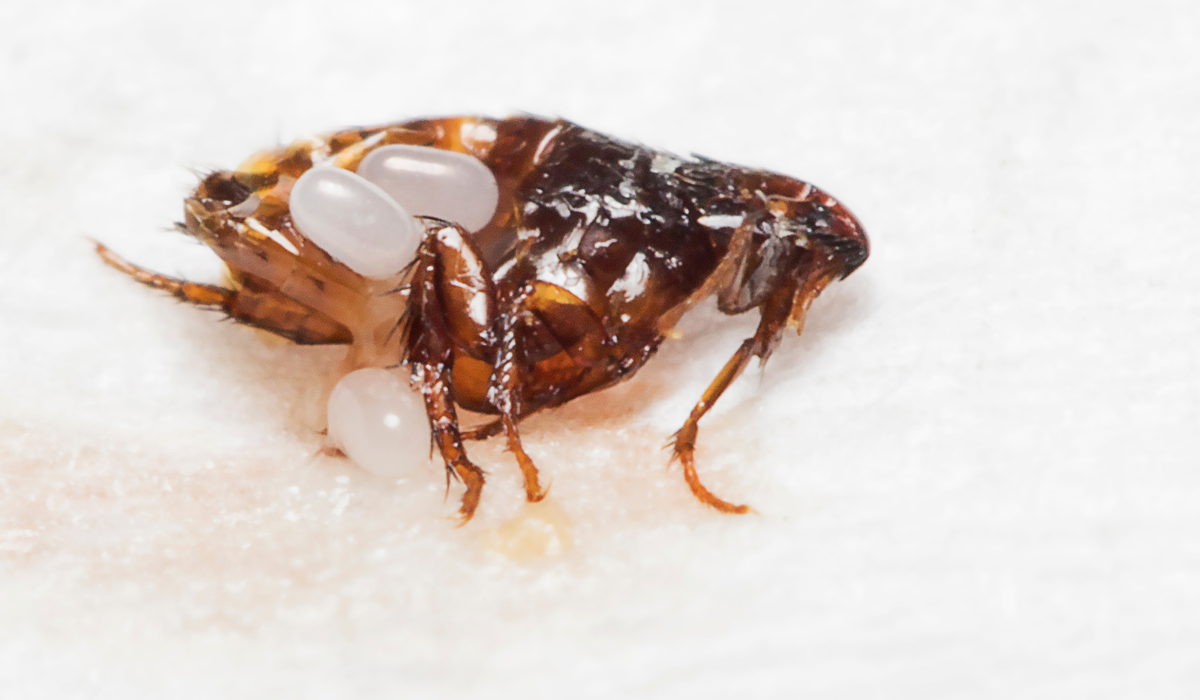
Fleas have bodies designed to cling to animal fur, not human hair. Their legs have strong claws made to grip thick animal coats. Human hair is finer and less dense than animal fur. Fleas struggle to hold on tightly to human hair strands. They cannot burrow or hide deeply in hair like lice do. Their bodies are flat and built for moving through dense fur, not thin hair.
Duration Fleas Stay On Humans
Fleas rarely stay long on humans. They jump on humans to feed but want to return to animal hosts. Fleas usually remain on people for only a few hours to a couple of days. Without the right environment, fleas cannot lay eggs or reproduce on humans. They prefer pets or wild animals with thick fur. Fleas leave human hair quickly if they cannot feed well or find shelter.
Common Myths About Fleas In Hair
Many people believe fleas live and breed in human hair. This myth causes unnecessary panic. Fleas do not infest human scalps like head lice. They cannot survive long without animal blood. Another myth is fleas burrow into skin or hair. Fleas only bite the skin surface and jump away. Proper hygiene and pet care prevent flea problems effectively.
Signs Of Fleas On Humans
Fleas can cause discomfort on human skin, especially after contact with infested pets or environments. Recognizing signs of fleas on humans helps in early treatment and relief. The symptoms often include itching, skin irritation, and visible marks. Some signs are easy to spot, while others require a closer look or special tools.
Itching And Skin Reactions
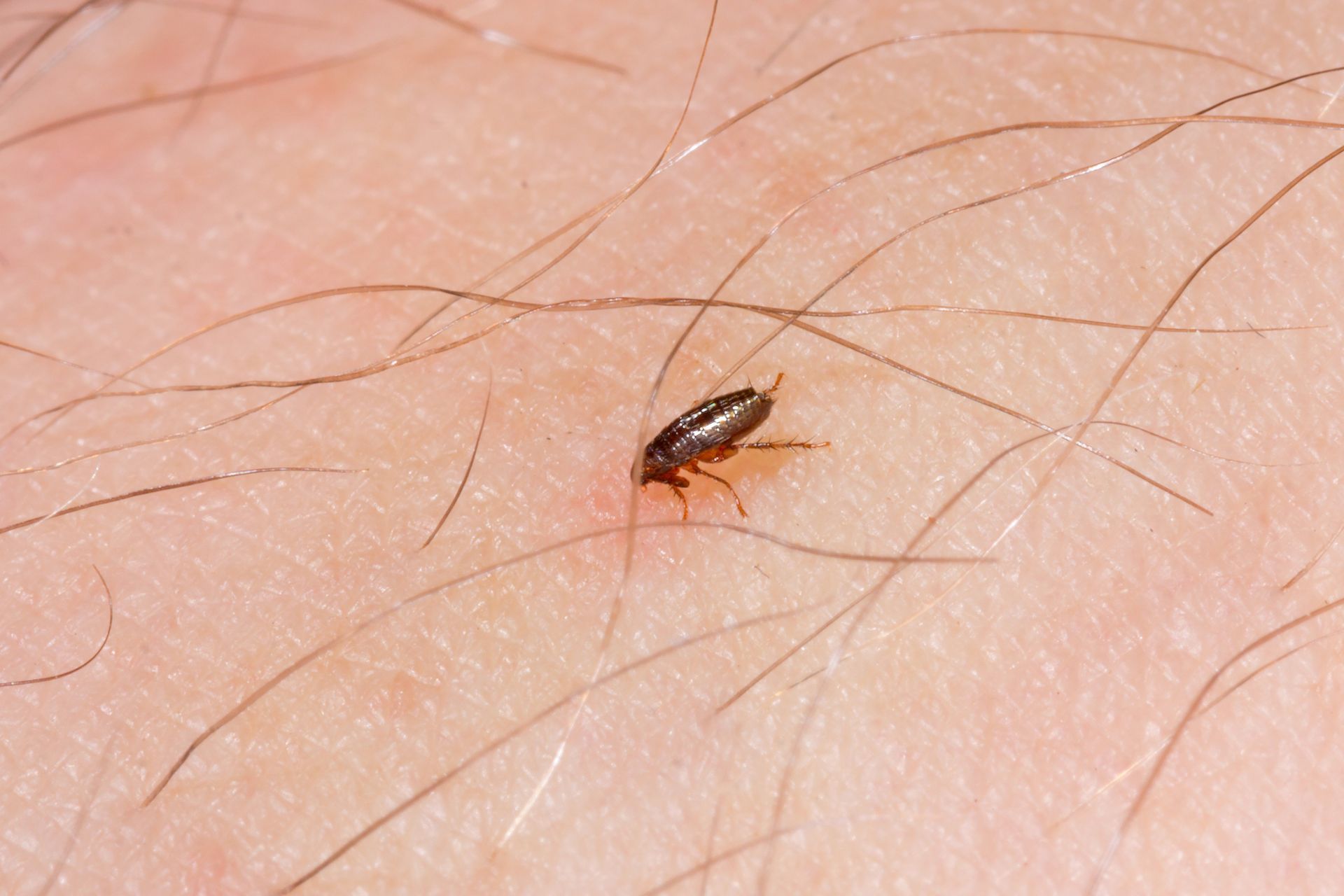
Flea bites cause intense itching on the skin. The bites appear as small red bumps, often in clusters. Skin may become swollen or develop a rash. Some people have allergic reactions, leading to more severe irritation. Scratching can cause wounds or infections.
Visible Flea Dirt And Bites
Flea dirt looks like tiny black specks on the skin or hair. It is flea feces made of digested blood. Flea bites appear as tiny red dots, often around the ankles, waist, or scalp. The bites may bleed slightly if scratched. Checking for flea dirt is a good way to confirm their presence.
Using A Comb To Detect Fleas
A fine-toothed comb helps find fleas in hair. Comb through the hair slowly and carefully. Fleas or flea dirt may stick to the comb. Wipe the comb on a white paper towel to see dark spots or live fleas. This method works well for children or people with thick hair.

Credit: kdfoundation.org
Removing Fleas From Hair And Body
Removing fleas from hair and body is crucial for comfort and hygiene. Fleas do not live long on humans but can cause itching and irritation. Effective removal stops bites and prevents spreading. Use a combination of cleaning methods for best results.
Effectiveness Of Showering And Shampoo
Showering with soap and shampoo helps remove fleas from skin and hair. Soap breaks down fleas’ outer layer, causing them to die. Warm water and thorough washing wash away most adult fleas. Focus on all body parts, especially scalp and neck. Showering alone does not kill flea eggs or larvae.
Using Fine-toothed Combs
Fine-toothed combs are useful for catching fleas in hair. Comb hair slowly and carefully to trap fleas and eggs. Comb over a white towel or paper to see fleas clearly. Repeat combing daily until no fleas appear. This method physically removes fleas without chemicals.
Additional Personal Care Tips
Wear clean clothes after showering to avoid re-infestation. Wash bedding and towels in hot water frequently. Avoid scratching bites to prevent skin infections. Use flea sprays or powders on pets and home for full control. Keep hair tied back if possible during treatment.
Preventing Flea Infestations
Preventing flea infestations starts with understanding where fleas live and breed. Fleas mainly live on pets and in their surroundings. Stopping fleas early avoids big problems in your home. Taking simple steps can keep fleas away and protect your family and pets from bites and irritation.
Treating Pets And Living Areas
Pets need regular flea treatments. Use veterinarian-approved shampoos, sprays, or collars. Check pets often for fleas, especially if they go outside. Treat all pets in the home to stop fleas from spreading. Clean pet bedding and toys often to remove flea eggs and larvae. Pets are the main source of fleas inside your home.
Cleaning And Vacuuming Strategies
Vacuum carpets, rugs, and furniture every day. Flea eggs and larvae hide in these places. Dispose of vacuum bags or empty canisters immediately. Wash all bedding, including pet beds, in hot water weekly. Use a steam cleaner on floors and upholstery to kill fleas at all stages. Keep your home dry because fleas thrive in humidity.
When To Seek Professional Help
Call a pest control expert if fleas return despite your efforts. Professionals have strong treatments that are safe for your family and pets. They can find hidden flea nests you might miss. Early help stops infestations from growing worse. Don’t wait until flea bites become a daily problem.
Credit: www.ecoguardpestmanagement.com
Frequently Asked Questions
How Long Will Fleas Stay In Human Hair?
Fleas rarely stay in human hair more than a few hours. They prefer animal hosts and jump off quickly. Showering with shampoo removes them effectively.
Will A Shower Get Rid Of Fleas On Humans?
A thorough shower with soap and shampoo can wash off and kill most fleas on your body. Use a fine-toothed comb to remove any remaining fleas. Showering won’t eliminate fleas in your environment or on pets. Clean bedding and treat pets to fully control fleas.
How Do I Know If I Have Fleas In My Hair?
Intense itching and small red bites on your scalp indicate fleas in hair. Spot tiny, fast-moving black or brown insects. Use a fine-toothed comb to check for flea dirt or eggs. Persistent discomfort after pet contact also signals fleas in your hair.
Will Fleas Lay Eggs In Your Hair?
Fleas rarely lay eggs in human hair. They prefer pet fur or carpets for egg-laying. Fleas may bite your scalp but do not infest hair.
Conclusion
Fleas do not live long in human hair. They prefer pets and warm places like fur. Fleas may jump onto humans briefly but cannot stay for long. Taking a shower with soap and shampoo helps remove fleas quickly. Using a fine-toothed comb also helps catch any fleas hiding in hair.
To stop fleas completely, treat your pets and clean your home well. Flea eggs and larvae hide in carpets and bedding, so thorough cleaning is important. Staying clean and treating pets prevents flea problems from coming back.
As an Amazon Associate, I earn from qualifying purchases.
Lovingshe is a participant in the Amazon Services LLC Associates Program which is an affiliate advertising program designed to provide a means for sites to earn advertising fees by advertising and linking to Amazon.com. Amazon may use cookies to track referrals from our site. Visit Amazon’s privacy policy for details
