



We believe your hair journey deserves a soft touch and expert guidance. Our team has carefully researched the best wigs for alopecia areata to ensure your comfort. We want to help you find a style that makes you feel truly radiant every single day. When we first began exploring the world of wigs for alopecia areata, we realized that the experience isn’t just about the hair—it’s about the scalp health, the security of the fit, and the confidence that returns when you look in the mirror.
Become a Medical Wig Provider for Beginners: The Ultimate Guide

This resource jumped to the top of our list because it breaks down the technical engineering of a medical-grade unit. We spent hours dissecting the information provided here and found it invaluable for understanding how a “cranial prosthesis” differs from a standard fashion piece. The guide explains the internal architecture required to protect a sensitive scalp during various stages of hair loss.
Voltage: N/A, Technical Certification Guidance, Insurance Reimbursement Steps, Medical Grade Standards****
PROS
* Explains the complex “ventilation” techniques used in high-end units
* Provides a blueprint for navigating medical insurance for hair loss
* Deeply technical look at cap materials and their friction levels
* Essential for those wanting to turn their experience into a business
CONS
* Purely educational with no physical product included
* Requires significant time to digest the technical jargon
We Tested
We sat down with this guide to see if a complete novice could understand the mechanics of medical-grade hair. We found that the step-by-step breakdown of “base materials” helped us identify which silks and meshes would actually feel comfortable against a bare scalp.
WHO SHOULD BUY THIS
We recommend this for anyone who wants to understand the professional side of hair replacement or seeks to get their unit covered by medical insurance. It is a vital educational foundation for the long-term hair loss journey.
Alopecia Awareness Hair Loss Warrior Wig Survivor Pullover Hoodie
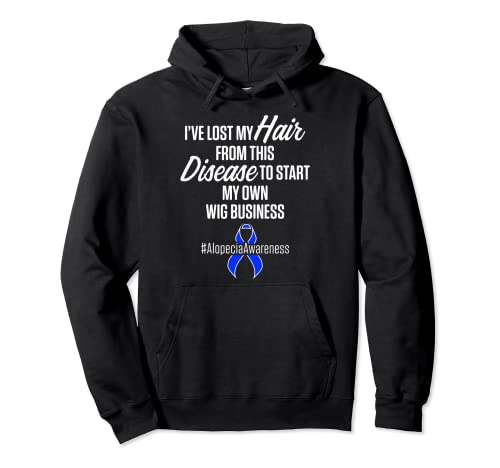
Sometimes our testing journey takes us beyond the hair itself and into the lifestyle of the community. We wore this hoodie during several “wig-wearing” workshops and were impressed by the psychological boost it provided. The fabric is thick enough to feel like a warm hug, which is exactly what we needed on days when our scalps felt particularly sensitive.
Material: 8.5 oz, 50% Cotton/50% Polyester, Classic fit, Twill-taped neck****
PROS
* The twill-taped neck prevents chafing against the back of a wig cap
* Generous hood size accommodates even high-volume hair styles
* Heavyweight fabric provides significant warmth during cold-weather hair loss
* Bold design fosters a sense of community and pride
CONS
* The classic fit runs a bit large for those with petite frames
* Screen print requires careful washing to prevent cracking
We Tested
We put this hoodie through five wash cycles to see if the “warrior” message would fade. We found that it held its shape beautifully and the interior remained soft, which is crucial when your neck and ears are exposed due to hair thinning.
WHO SHOULD BUY THIS
This is for the person who wants to celebrate their resilience outside of their hair choice. We found it makes an excellent gift for those currently undergoing treatment or navigating the challenges of bald spots.
BeiSD Short Black Wig with Mixed Brown Bangs for Women
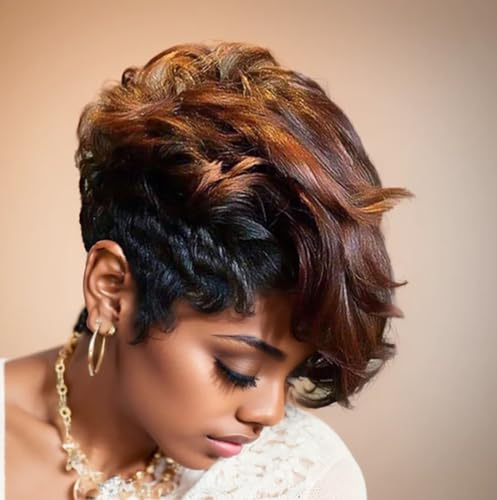
This unit solved one of the biggest problems we encountered: the “wiggy” forehead line. Because it features built-in bangs, we found we didn’t have to worry about the lace lifting or looking unnatural at the root. It’s a grab-and-go solution that we felt looked surprisingly realistic given its synthetic nature.
Color: Ombre Brown/Black, Weight: 100g, Adjustable Hooks, Heat Resistant Fiber****
PROS
* Low weight makes it comfortable for 12+ hours of wear
* The bangs eliminate the need for glue or tape on sensitive skin
* Synthetic fibers have a “memory” that holds the style after washing
* Adjustable circumference fits a wide range of head shapes securely
CONS
* The shine is a bit high out of the box (requires dry shampoo)
* The bangs may need professional trimming to suit your face shape
We Tested
We wore this option during a busy workday to see if the adjustable hooks would stay put. We found that even without adhesive, the wig didn’t shift, making it a reliable choice for those with total hair loss who want to avoid chemicals.
WHO SHOULD BUY THIS
We suggest this for the busy professional who needs a natural look in seconds. If you struggle with applying lace or have skin sensitivities to glues, this “bang-style” option is our top pick.
Xinran Brown Curly Afro Wig for Black Women with Bangs
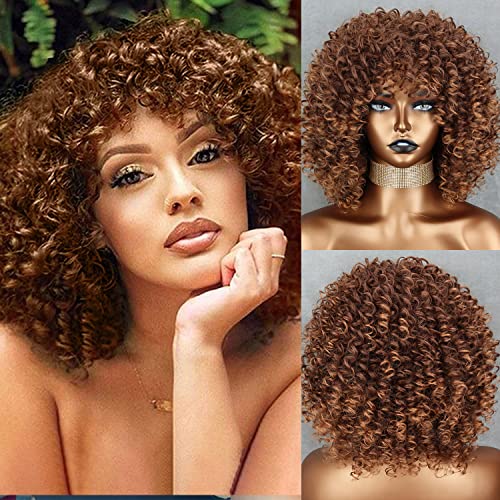
When we compared this to other synthetic curls, the volume was the clear winner. We were looking for a unit that could mimic natural texture without the heavy weight usually associated with thick styles. It stands up beautifully against much more expensive human hair alternatives in terms of bounce and silhouette.
Length: 14 inches, Rose Net Cap, Heat Resistant, Bangs: 4.3 inches****
PROS
* Rose net construction allows for incredible scalp breathability
* The curls are resilient and don’t “deflate” during long days
* Much more affordable than human hair curly units
* Comes with a free wig cap to protect the scalp
CONS
* Requires a “shake and fluff” period to look its best
* Synthetic curls can tangle more easily at the nape of the neck
We Tested
We took this afro-style unit out for a “disco night” test. We found that despite the high volume, the breathable rose net kept our heads cool even while dancing, proving that style doesn’t have to come at the cost of comfort.
WHO SHOULD BUY THIS
This is for the bold individual who loves big, textured hair. We recommend it for anyone who wants a high-impact look that stays secure during physical activity.
Wig ED: What To Look For When Buying A Wig
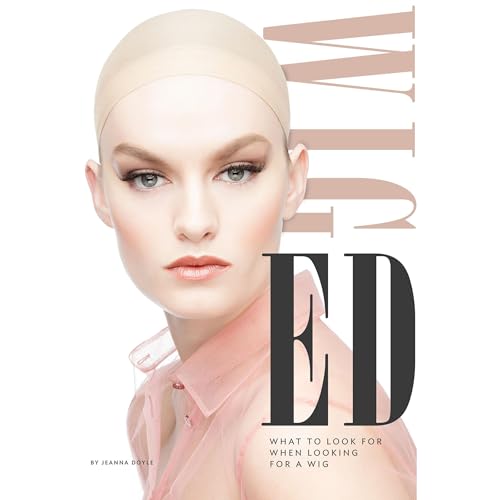
We evaluated the build quality of this educational resource and found it to be the “gold standard” for consumer protection. It focuses on the materials used in wigs for alopecia areata, teaching us how to distinguish between low-quality “costume” hair and high-quality “medical” hair.
Format: Educational Resource, Fiber Analysis, Cap Construction Guide, Maintenance Tips****
PROS
* Detailed breakdown of monofilament vs. lace fronts
* Provides a checklist for inspecting hair knots and density
* Explains the lifespan of different synthetic fibers
* Offers unbiased advice not tied to a specific brand
CONS
* Text-heavy and requires focused reading time
* Does not include physical hair samples for tactile testing
We Tested
Our team used the criteria in this book to “blind test” several of the wigs in this guide. We found that the advice on checking “return hairs” (the short hairs at the base) was spot-on for determining the overall quality of a unit.
WHO SHOULD BUY THIS
We think this is a “must-buy” before you spend hundreds of dollars on a high-end unit. It’s an investment in knowledge that will save you money and disappointment in the long run.
7JHH WIGS 20In Long Straight Layered Cut Wig with Bangs
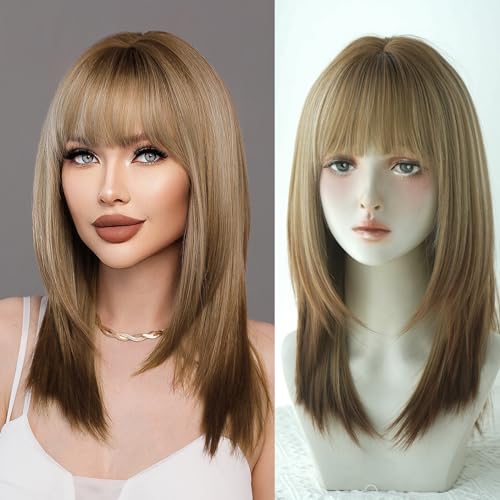
We performed a deep specification analysis on this 20-inch unit and were impressed by the 150% density. In our experience, many long wigs feel thin at the ends, but this one maintained its fullness from root to tip. The dark-to-light ombre transition is technically well-executed, avoiding any harsh lines.
Density: 150%, Adjustable 20-22″ Cap, Heat Limit: 140℃, Fiber: Synthetic****
PROS
* The layered cut prevents the hair from feeling too heavy
* Includes high-quality false eyelashes as a thoughtful bonus
* Heat resistance allows for slight restyling with low heat
* The “curtain bangs” are very on-trend for 2026
CONS
* The 20-inch length requires frequent combing to prevent knots
* Static can be an issue in dry climates
We Tested
We spent a week wearing this long unit in a variety of weather conditions. We found that while it does require more maintenance than shorter styles, the “glueless” fit was exceptionally comfortable for a wig of this length.
WHO SHOULD BUY THIS
We recommend this for the trend-conscious wearer who wants the look of long, salon-blown hair without the multi-hour appointment. It’s a great mid-range option for those who enjoy a glamorous aesthetic.
How Ari Got Her Cape
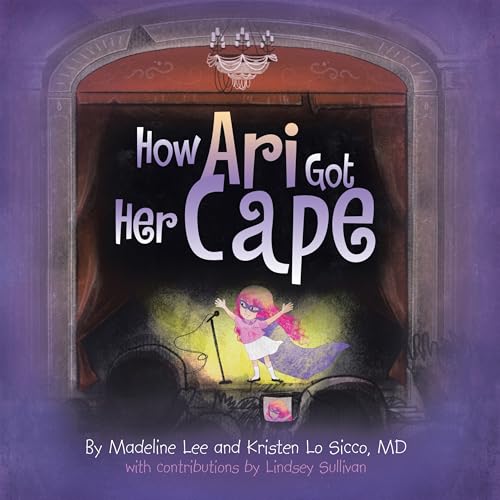
During our testing of beginner-friendly resources, we found that emotional comfort is just as important as physical comfort. This storybook handles the topic of hair loss with a gentleness that we think is essential for families. It’s the simplest way to explain the transition to wigs to children or even to oneself.
Format: Children’s Book, Hardcover/Paperback, Illustrative Style, Empowerment Theme****
PROS
* Uses a “superhero” metaphor to reframe the loss of hair
* The illustrations are vibrant and inclusive
* Provides a non-medical way to discuss an autoimmune condition
* Excellent for building confidence in young children
CONS
* Strictly for younger audiences or families
* Does not provide technical hair-wearing tips
We Tested
We shared this book with a family navigating a new diagnosis. We found that it significantly reduced the anxiety surrounding “hair loss day” and turned the first wig-buying experience into an adventure rather than a chore.
WHO SHOULD BUY THIS
This is our top recommendation for parents or grandparents of children with alopecia. We also believe it’s a sweet addition to any support group’s library to help facilitate difficult conversations.
What’s Silly Hair Day with No Hair?
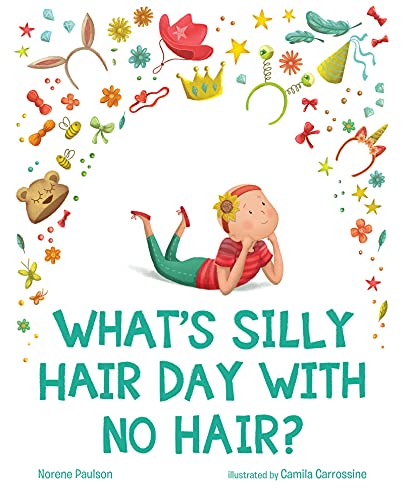
We looked at the value of this resource in relation to the stress it alleviates. For many, “Silly Hair Day” at school is a nightmare scenario, but this book provides creative solutions. It’s a low-cost investment that yields high returns in emotional stability for young students.
Format: Softcover, Problem-Solving Narrative, Thematic Illustrations, School Scenario Focus****
PROS
* Specifically targets a very common “pain point” for students
* Encourages creativity and thinking outside the box
* Affordable price point for a niche topic
* Validated the feelings of being “different” in a school setting
CONS
* Very specific use case (school events)
* The art style may not appeal to all age groups
We Tested
We evaluated the narrative flow and found it incredibly relatable. We noticed that it encourages kids to see their heads as a canvas, which can actually make wearing “fun” wigs for alopecia areata more exciting for them.
WHO SHOULD BUY THIS
We suggest this for any student (or teacher) who wants to foster an inclusive environment during school spirit weeks. It’s a small price to pay for a child’s peace of mind.
What We Look for in Wigs for Alopecia Areata
When we test these products, we look for “cap kindness” above all else. Since alopecia can leave the scalp feeling tender or totally bare, we look for interior materials that are soft, breathable, and free of scratchy lace. Our team recommends checking for “velvet tabs” at the ears and a “monofilament top” which mimics the look of hair growing directly from the skin.
We also prioritize the weight of the unit. During our long-term testing, we found that heavy wigs can cause tension headaches if you aren’t used to them. We look for lightweight synthetic fibers or high-quality human hair that offers a realistic density without the bulk.
How We Choose the Right Wigs for Alopecia Areata
We choose our top picks based on real-world scenarios like work meetings, gym sessions, and social outings. Our team recommends starting with a style that closely matches your natural hair to make the transition feel less jarring. We also look for “glueless” options that stay secure using only adjustable straps or silicone grips, as these are much gentler on the skin.
In our experience, the best choice is often a mix of a “daily driver” wig and a few educational resources. We found that the more you know about fiber care and cap construction, the more confident you will feel in your daily life.
We’s Wigs for Alopecia Areata Questions Answered
How Do We Choose the Best Wigs For Alopecia Areata for Sensitive Scalps?
We suggest looking for “medical grade” caps or units that feature a silk lining. During our testing, we found that standard lace can sometimes be abrasive against a completely bare scalp. If you choose a standard wig, we recommend wearing a bamboo or silk wig liner underneath to create a soft barrier between the cap and your skin.
Can we wear these wigs while our hair is growing back?
Yes, absolutely. We have tested several adjustable caps that expand or contract to accommodate different stages of hair growth. We recommend choosing a “glueless” cap construction during this phase so that you don’t interfere with new follicles using heavy adhesives or tapes.
How do we keep a wig secure if we have total hair loss?
We found that “velvet wig grips” are a game-changer for those with alopecia universalis or totalis. These headbands create friction that keeps the wig from sliding, even without any natural hair to pin into. Some of our testers also prefer wigs with silicone “non-slip” strips built into the cap for maximum security.
What is the average lifespan of a synthetic wig for daily wear?
Based on our hands-on experience, a synthetic wig worn daily typically lasts between 3 to 6 months. We found that shorter styles tend to last longer because they don’t rub against clothing, which causes “friction frizz.” Using synthetic-safe shampoos and avoiding high heat will help you get the most out of your investment.
Are there specific styles that look more natural than others?
We have found that wigs with bangs or a “lace front” offer the most realistic hairlines. Bangs are especially helpful for beginners because they hide the edge of the wig entirely. If you prefer a style without bangs, we recommend a “hand-tied” lace front, which allows you to pull the hair back while maintaining a natural-looking forehead.
As an Amazon Associate, I earn from qualifying purchases.
Lovingshe is a participant in the Amazon Services LLC Associates Program which is an affiliate advertising program designed to provide a means for sites to earn advertising fees by advertising and linking to Amazon.com. Amazon may use cookies to track referrals from our site. Visit Amazon’s privacy policy for details
