


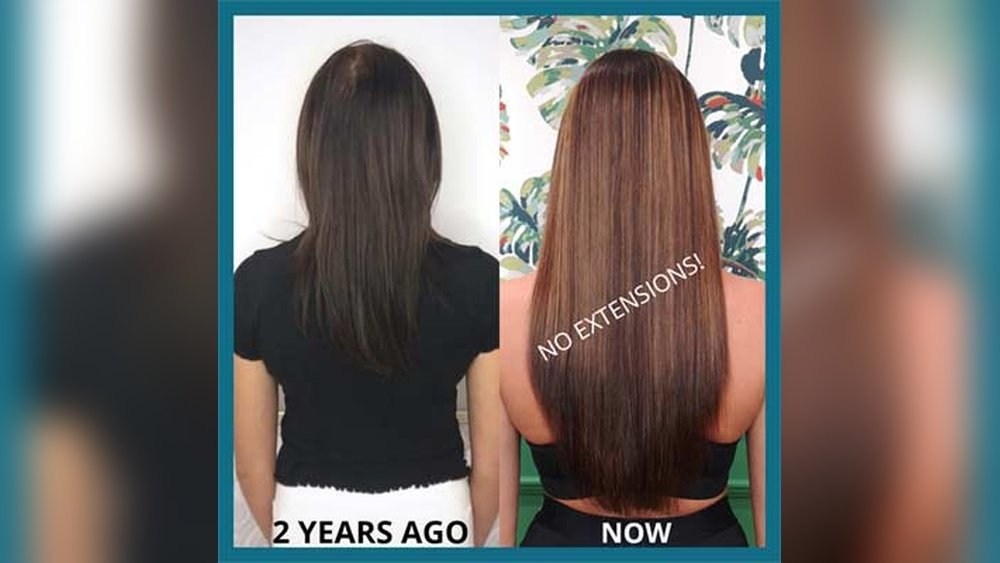
Why does it feel like your hair just won’t grow no matter what you try? You might be washing, conditioning, and even avoiding heat styling, yet your hair stays stuck at the same length.
It’s frustrating when every new hairstyle or length goal seems out of reach. But here’s the truth: your hair isn’t actually refusing to grow. Instead, it might be breaking off or facing hidden issues that stop you from seeing real progress.
You’ll discover the common reasons behind stalled hair growth and simple, effective ways to help your hair grow longer and stronger. Keep reading, because understanding what’s really going on is the first step to getting the healthy hair you want.

Credit: twiceasgoodhair.com
Hair Growth Cycle
The hair growth cycle controls how long and how fast your hair grows. Hair grows in a natural rhythm with three main phases. Each phase plays a key role in hair length and health. Understanding this cycle helps explain why hair stops growing for some people.
Anagen
Anagen is the active growth phase. Hair cells divide quickly, making the hair shaft longer. This phase lasts from two to seven years. Longer anagen phases mean longer hair. Short anagen phases cause hair to stay short.
Catagen
Catagen is a short transition phase. It lasts about two to three weeks. Hair growth stops and the hair follicle shrinks. This prepares the hair to enter the resting phase. No new hair growth happens during catagen.
Telogen Phases
Telogen is the resting phase lasting two to four months. Hair stays in the follicle but does not grow. Old hair sheds naturally during this phase. New hair starts to grow under the old hair, pushing it out.
Genetic Hair Length Limits
Genetics set the maximum length your hair can grow. This is called the terminal length. Some people have genes for longer anagen phases, so their hair grows longer. Others have shorter anagen phases, limiting hair length. No treatments can change this genetic limit.
Common Growth Barriers
Many people struggle with hair that seems stuck at one length. Understanding common barriers to hair growth helps solve this problem. These barriers include damage, poor care habits, and health issues. Identifying and fixing them can improve hair health and length.
Breakage Vs. Growth Rate
Hair grows about half an inch per month naturally. Breakage happens when hair strands snap off before they can grow longer. If breakage equals growth, hair length stays the same. Protecting hair from damage reduces breakage and helps length show.
Heat Damage Effects
Using hot tools like straighteners or curling irons can weaken hair. Heat removes moisture and protein, making strands dry and brittle. Frequent heat styling without protection causes split ends and breakage. Lower heat settings and heat protectants help keep hair strong.
Moisture And Protein Imbalance
Hair needs a balance of moisture and protein to stay healthy. Too much moisture makes hair soft but weak. Too much protein makes hair stiff and prone to breakage. Use conditioners and treatments that match your hair’s needs to keep this balance.
Over-manipulation And Styling
Constant brushing, combing, or styling stresses hair strands. Tight hairstyles pull on roots and cause breakage. Over-manipulation damages the hair cuticle, leading to split ends. Gentle handling and protective styles reduce damage and support growth.
Scalp Health Issues
A healthy scalp is vital for hair growth. Issues like dandruff, dryness, or buildup block hair follicles. Poor scalp circulation slows down growth. Regular cleansing and scalp massages improve scalp health and encourage stronger hair growth.
Diet And Hormonal Impact
Your diet affects hair growth directly. Lack of vitamins and minerals weakens hair structure. Hormonal changes from stress, pregnancy, or illness can slow growth or cause hair loss. Eating balanced meals and managing stress supports healthy hair growth.
Signs Of Hair Plateau
Noticing a hair plateau means your hair growth has stopped or slowed down. This stage can be frustrating because your hair length seems stuck. Understanding signs of a hair plateau helps you take action early. Below are key signs to watch for.
Hair Length Stagnation
Your hair stops getting longer over weeks or months. It may feel like it grows, but breaks off at the ends. This breakage cancels out new growth. Measuring your hair length monthly can help track this stagnation.
Increased Split Ends
Split ends multiply when hair is weak and damaged. They cause strands to break easily and look unhealthy. More split ends mean your hair cannot maintain its length. Trimming split ends regularly helps prevent further damage.
Dryness And Brittleness
Dry hair lacks moisture and becomes brittle. Brittle strands break under slight pressure or combing. This stops hair from growing longer. Using hydrating products and avoiding harsh treatments can restore moisture and strength.
Credit: www.reddit.com
Damage Prevention Techniques
Preventing damage is key to helping your hair grow longer and stronger. Hair breaks or weakens when exposed to harsh treatments or rough handling. Protecting your strands keeps them healthy and allows growth to show. Follow simple damage prevention techniques daily to maintain your hair’s strength and shine.
Using Heat Protectants
Heat styling tools can harm hair without protection. Always apply a heat protectant spray or serum before blow-drying, curling, or straightening. These products form a barrier that reduces heat damage. Use tools on low to medium heat settings. This practice keeps hair cuticles smooth and prevents breakage.
Gentle Detangling Methods
Wet hair is fragile and prone to snapping. Use a wide-tooth comb or detangling brush to gently work through knots. Start from the ends and move upward to avoid pulling. Avoid harsh tugging or yanking. Detangling carefully minimizes breakage and keeps hair strong.
Avoiding Tight Hairstyles
Styles like tight ponytails, braids, or buns strain hair roots. Constant tension can cause hair loss and breakage at the scalp. Choose looser styles that do not pull on your hair. Give your scalp breaks between styling sessions. This helps maintain healthy hair follicles and prevents damage.
Limiting Chemical Treatments
Frequent coloring, perming, or relaxing weakens hair strands. Chemicals strip natural oils and damage the hair structure. Space out treatments and give hair time to recover. Use nourishing masks and conditioners after any chemical process. Limiting harsh treatments protects hair from becoming brittle and breaking off.
Boosting Hair Growth
Boosting hair growth takes patience and care. Hair grows best when the scalp and strands are healthy. Simple habits can help your hair grow longer and stronger. Focus on nourishing, protecting, and trimming your hair regularly. These steps support natural growth and reduce breakage.
Regular Deep Conditioning
Deep conditioning restores moisture and strength to hair. It helps repair damage from heat and styling. Use a deep conditioner once a week. Leave it on for at least 20 minutes. This process makes hair softer and less likely to break.
Protective Styling Benefits
Protective styles shield hair from damage and stress. Styles like braids, buns, or twists keep ends tucked away. This reduces friction and breakage. Protective styling lowers the need for daily manipulation. It helps retain length and supports healthy growth.
Trimming Dead Ends
Trimming removes split ends that cause hair to break. Regular trims prevent damage from traveling up the hair shaft. Cutting dead ends every 6 to 8 weeks keeps hair healthy. Trimming does not stop growth but improves hair appearance. Healthy ends mean less breakage and longer hair.
Moisturizing And Sealing Hair
Moisturizing keeps hair hydrated and flexible. Use water-based moisturizers to add moisture daily. Seal moisture with oils or butters to lock it in. This prevents dryness and brittleness. Well-moisturized hair is stronger and grows better.
Balanced Nutrition For Hair
Healthy hair needs good nutrition from within. Eat foods rich in vitamins, minerals, and protein. Vitamins A, C, D, and E support hair growth. Iron and zinc help keep hair follicles healthy. Drink plenty of water to stay hydrated. Balanced nutrition fuels hair growth naturally.
Scalp Care Tips
Healthy hair starts with a well-cared-for scalp. A clean, balanced scalp creates the perfect base for hair growth. Neglecting scalp care can block hair follicles and slow growth. Simple daily habits can improve scalp health and encourage stronger hair.
Cleansing And Exfoliation
Regular cleansing removes dirt, oil, and product buildup from the scalp. This helps unclog hair follicles and reduces the risk of infection. Use a gentle shampoo suited for your scalp type. Exfoliating the scalp once a week can remove dead skin cells. This boosts scalp renewal and prevents flakiness. Avoid harsh scrubs that can irritate the skin.
Reducing Inflammation
Inflammation can harm hair follicles and slow growth. It may result from allergies, irritation, or scalp conditions. Use soothing products with natural ingredients like aloe vera or tea tree oil. Avoid harsh chemicals and tight hairstyles that stress the scalp. Keeping the scalp calm helps hair grow without interruption.
Stimulating Blood Flow
Good blood circulation delivers oxygen and nutrients to hair follicles. This supports healthy hair growth. Massage your scalp daily using fingertips in small circles. This simple action increases blood flow and relieves tension. You can also try natural oils like peppermint or rosemary to boost circulation. Better blood flow means stronger, healthier hair strands.
Lifestyle Factors
Lifestyle factors play a major role in hair growth. Daily habits affect the health of your scalp and hair strands. Poor lifestyle choices can slow down or stop hair growth.
Simple changes in your routine can improve hair health. Focus on managing stress, staying hydrated, and getting enough sleep. These elements support natural hair growth.
Managing Stress Levels
Stress causes hair follicles to enter a resting phase. This leads to hair falling out and slow regrowth. Managing stress helps keep hair growth steady.
Try relaxation techniques like deep breathing or meditation. Regular exercise also reduces stress hormones. Lower stress means healthier scalp and hair.
Hydration Importance
Water keeps your body and scalp hydrated. Dry scalp causes flakes and weak hair roots. Drinking enough water improves scalp condition.
Hydrated hair is more elastic and less prone to breakage. Aim for at least eight glasses of water daily. Healthy hydration supports longer, stronger hair strands.
Sleep And Hair Health
Sleep repairs the body and hair cells. Poor sleep disrupts hormone levels that control hair growth. Aim for 7-8 hours of quality sleep each night.
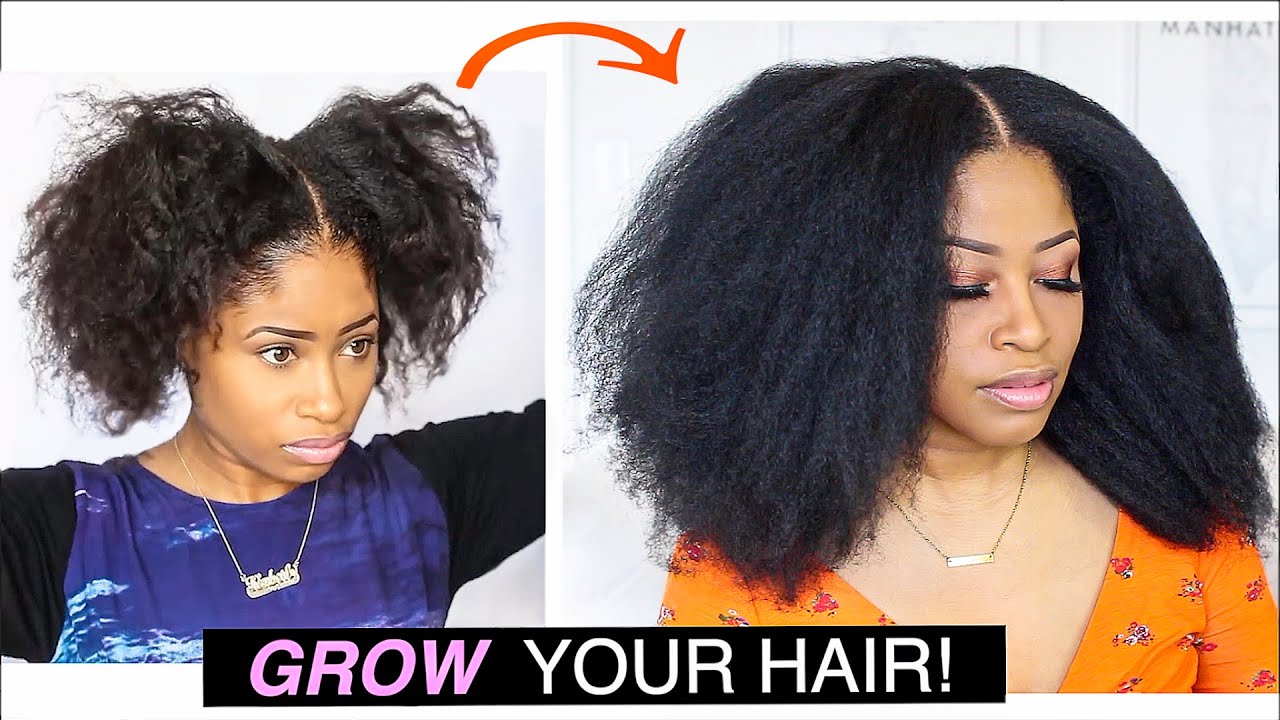
Good sleep promotes healthy blood flow to the scalp. This nourishes hair follicles and boosts growth. Rest well for shiny, thick hair over time.
Credit: adorenaturalme.com
Frequently Asked Questions
What To Do If Your Hair Isn’t Growing?
Hair may not grow due to breakage, scalp issues, stress, or poor nutrition. Nourish your scalp, trim regularly, avoid heat damage, use gentle products, and maintain a healthy diet to promote growth and strengthen hair.
Why Does My Hair Seem To Stay The Same Length?
Your hair stays the same length because breakage matches growth rate. Damage, poor moisture balance, and harsh styling cause this. Regular trims, deep conditioning, protective styles, and gentle care help retain length. Genetics also limit maximum hair length.
What Is The Cause Of Not Growing Hair?
Hair may not grow due to genetics, breakage, scalp problems, stress, or poor nutrition. Damage from heat, harsh products, and over-styling also stops growth. Nourish your scalp, avoid harsh treatments, and maintain a healthy diet to promote hair growth.
What Deficiency Causes Hair To Not Grow?
Iron deficiency most commonly causes hair to stop growing. Lack of zinc, biotin, and vitamin D also affect hair growth. Nutrient shortages weaken hair follicles, leading to slow or no growth. Maintaining a balanced diet supports healthy hair growth and prevents deficiencies.
Conclusion
Hair growth can stall for many simple reasons. Damage, poor care, and stress often stop progress. Treat your scalp gently and nourish it well. Use mild products and avoid harsh treatments. Trim regularly to prevent split ends and breakage. Eating healthy foods supports stronger, longer hair.
Patience and consistent care bring the best results. Remember, small changes make a big difference over time. Keep your routine simple and stay consistent. Your hair will thank you with steady growth.
As an Amazon Associate, I earn from qualifying purchases.
Lovingshe is a participant in the Amazon Services LLC Associates Program which is an affiliate advertising program designed to provide a means for sites to earn advertising fees by advertising and linking to Amazon.com. Amazon may use cookies to track referrals from our site. Visit Amazon’s privacy policy for details
