


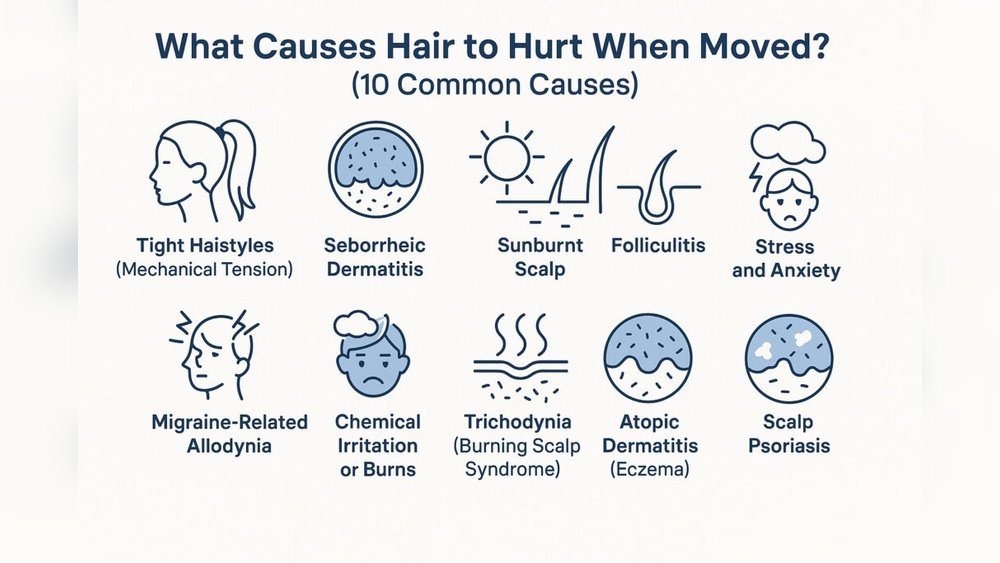
Have you ever noticed a sharp or aching pain in your scalp every time you move your hair? If so, you’re not alone—and you might be wondering why this happens.
Your scalp should feel comfortable and pain-free, so when discomfort strikes, it can be confusing and even worrying. But understanding the reasons behind this sensation can help you take control and find relief. Whether it’s caused by tight hairstyles, product buildup, or scalp conditions, knowing what triggers your scalp pain is the first step toward soothing it.
Keep reading to discover the common causes, quick fixes, and when you should seek professional help to keep your scalp healthy and pain-free.

Credit: www.reddit.com
Common Causes
Scalp pain when moving your hair can stem from several common causes. Understanding these can help you find relief quickly. Each cause affects the scalp in different ways, leading to discomfort or sensitivity. Identifying the root cause can guide proper care and treatment.
Tight Hairstyles
Tight hairstyles like ponytails, braids, or buns pull on hair follicles. This constant pulling causes inflammation and pain. The scalp becomes tender, especially after long wear or during sleep. Avoiding tight styles reduces stress on the scalp.
Product Buildup
Hair products, oils, and dirt can clog hair follicles. This buildup irritates the scalp and causes soreness. Regular washing helps remove residue and keeps follicles clean. Using lighter products can prevent buildup.
Scalp Conditions
Dandruff, eczema, or folliculitis inflame the scalp and cause pain. These conditions make the skin sensitive and sore. Treating underlying scalp issues eases discomfort. Seeing a doctor is important if symptoms worsen.
Stress And Anxiety
Stress can cause scalp tenderness or increased sensitivity. Anxiety may lead to scalp discomfort without visible signs. Managing stress through relaxation lowers scalp pain. The mind and body are closely connected.
Hair Follicle Fatigue
Changing hairstyles suddenly after wearing one style long strains follicles. This fatigue causes scalp soreness when hair moves. Gradual changes allow follicles to adjust. Gentle styling helps reduce follicle stress.
Allergic Reactions
New shampoos or hair products can cause allergic reactions. Irritation from allergens leads to itching and scalp pain. Patch testing new products can prevent reactions. Choose hypoallergenic options for sensitive scalps.

Credit: www.reddit.com
Symptoms To Watch
Noticing pain when you move your hair can be uncomfortable and worrying. Watching for specific symptoms helps understand what is happening on your scalp. These signs can guide you to take proper care or seek medical help. Pay attention to the type of pain and other changes on your scalp.
Sharp And Dull Pain
Sharp pain feels sudden and intense, like a quick sting. Dull pain is softer but lasts longer. Both types may happen when you touch or move your hair. Sharp pain can signal irritation or injury. Dull pain may show inflammation or stress on hair roots.
Stinging Sensations
Stinging feels like tiny pricks or burning on your scalp. It can happen after using new hair products or washing your hair. Stinging may also come from scalp dryness or sensitivity. This feeling often warns of irritation or mild allergic reactions.
Redness And Flaking
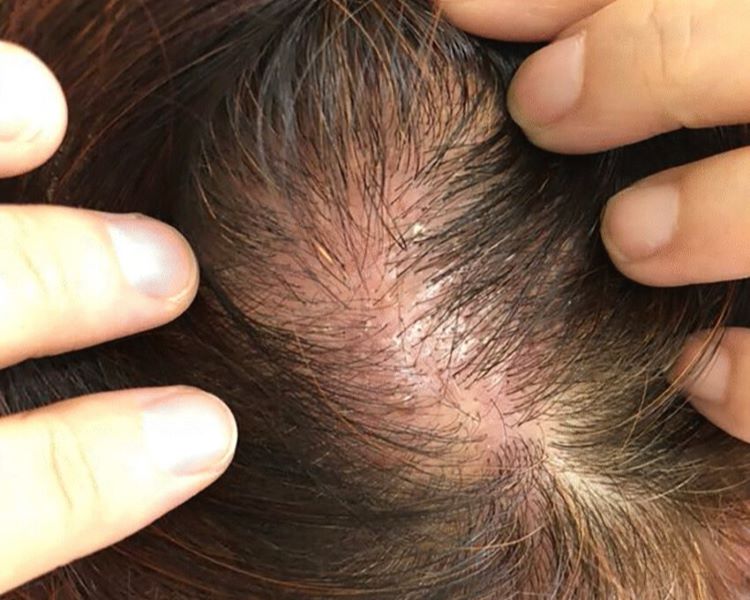
Red patches on your scalp show inflammation or irritation. Flaking means dry skin is shedding from your scalp. These symptoms often appear together in conditions like dandruff or eczema. Redness and flaking need gentle care to avoid worsening.
Pus-filled Bumps
Small bumps with pus point to infection in hair follicles. These bumps can be tender and painful. Folliculitis is a common cause of pus-filled bumps on the scalp. Ignoring this symptom may lead to more serious scalp problems.
Hair Loss Signs
Noticeable hair thinning or bald spots require attention. Hair loss can happen with scalp pain and irritation. It may result from tight hairstyles or scalp infections. Early care can help prevent further hair loss and scalp damage.
When To Consult A Doctor
Knowing when to seek medical advice for scalp pain is vital. Some scalp discomfort is normal, but certain signs require expert care. Early consultation can prevent worsening issues and help find the right treatment quickly. Watch your symptoms closely. Here are key signs that mean it’s time to see a doctor.
Persistent Pain
Scalp pain lasting more than a few days needs attention. Constant discomfort may signal underlying problems like infection or inflammation. Do not ignore ongoing scalp soreness. A doctor can diagnose the cause and suggest proper care.
Infection Indicators
Redness, swelling, or pus on the scalp are warning signs. These symptoms may point to an infection needing medical treatment. Itchiness and flaking combined with pain also call for a doctor’s visit. Early treatment prevents complications and speeds healing.
Severe Scalp Sensitivity
Extreme scalp tenderness that limits hair movement is serious. If even light touch causes sharp pain, consult a professional. This sensitivity may relate to nerve issues or skin conditions. Medical help ensures accurate diagnosis and relief.
Treatment Options
Treating scalp pain when moving your hair involves several approaches. The key is to reduce irritation and protect hair follicles. Simple changes often help relieve discomfort quickly. In some cases, medical help may be needed. Stress management also plays a role in reducing scalp sensitivity. Here are effective treatment options to consider.
Gentle Hair Care
Choose loose hairstyles to avoid pulling on your scalp. Avoid tight ponytails, braids, or buns that strain hair roots. Use soft hair ties and avoid metal clips that can pinch your scalp. Wash hair regularly to remove dirt and product buildup. Use mild shampoos designed for sensitive scalps. Avoid harsh chemicals and heat styling tools that can irritate the scalp. Gently massage the scalp to improve blood flow and reduce tension. Pat hair dry instead of rubbing to prevent scalp irritation.
Medical Treatments
See a dermatologist if scalp pain persists or worsens. They may prescribe medicated shampoos to treat dandruff or folliculitis. Topical corticosteroids can reduce inflammation and itching. Antibiotics may be needed for infections. In some cases, pain relievers help ease discomfort. Allergy testing might identify irritants in hair products. Follow the doctor’s advice closely for best results. Early treatment prevents complications and promotes healing.
Stress Management
Stress can increase scalp sensitivity and pain. Practice relaxation techniques such as deep breathing or meditation daily. Regular exercise helps reduce stress hormones and improve scalp health. Ensure enough sleep to allow your body to repair itself. Avoid excessive caffeine and sugar, which can worsen stress. Try calming activities like yoga or listening to soothing music. Managing stress supports overall scalp comfort and reduces pain triggers.
Prevention Tips
Preventing scalp pain when moving your hair involves simple daily habits. These tips reduce strain and keep your scalp healthy. Consistent care helps avoid discomfort and promotes comfort.
Looser Hairstyles
Choose hairstyles that do not pull your hair tightly. Tight ponytails, braids, or buns cause scalp pain. Use soft hair ties or scrunchies instead of elastic bands. Change hairstyles often to avoid stress on the same spots. Let your hair rest from tight styles regularly.
Regular Washing
Wash your hair and scalp regularly to remove dirt and oil. Clean scalp reduces product buildup and irritation. Use gentle shampoos that suit your scalp type. Avoid harsh chemicals that dry out or inflame your scalp. Rinse thoroughly to prevent residue buildup.
Reducing Product Use
Limit the amount of styling products you apply. Heavy products can clog hair follicles and cause pain. Avoid frequent use of gels, sprays, and waxes. Choose lightweight, non-irritating products for your hair. Give your scalp breaks from product use to breathe.
Scalp Hygiene
Maintain good scalp hygiene to prevent infections and irritation. Avoid scratching or rubbing your scalp harshly. Use a soft brush or your fingertips to massage gently. Keep your hairbrushes clean to avoid bacteria buildup. Replace old hair tools regularly.
Relaxation Techniques
Stress can worsen scalp pain and sensitivity. Practice relaxation methods like deep breathing or meditation daily. Take short breaks to reduce tension in your scalp and neck. Gentle scalp massages help improve blood flow and reduce discomfort. Prioritize rest and sleep to support scalp health.
Credit: wimpoleclinic.com
Impact Of Diet And Nutrition
Diet and nutrition play a key role in scalp health. Poor nutrition can weaken hair follicles and irritate the scalp. Eating the right foods helps reduce scalp pain and supports hair growth. Below are important nutrients that impact scalp comfort and strength.
Essential Vitamins
Vitamins A, C, D, and E are vital for scalp health. They help repair skin and reduce inflammation. Vitamin B complex, especially biotin, strengthens hair roots. Lack of these vitamins can cause scalp sensitivity and pain.
Mineral Intake
Zinc and iron are minerals that support hair follicle function. Zinc helps heal scalp wounds and fights infection. Iron improves blood flow to the scalp, reducing discomfort. Low mineral levels may lead to scalp soreness and hair thinning.
Hydration Effects
Water keeps the scalp hydrated and prevents dryness. Dry scalp often feels tight and painful when hair moves. Drinking enough water every day helps maintain scalp moisture and comfort. Proper hydration also supports nutrient delivery to hair roots.
Special Conditions
Certain special conditions can cause scalp pain when moving your hair. These conditions affect the nerves, hair follicles, or skin, leading to discomfort. Understanding these issues helps identify the right care approach.
Allodynia And Scalp Sensitivity
Allodynia means feeling pain from things that should not hurt. Light touch or gentle hair movement can cause sharp scalp pain. This happens because the nerves become overly sensitive or damaged. People with scalp sensitivity may find even combing or brushing painful. Nerve irritation or injury often triggers this condition.
Folliculitis Effects
Folliculitis is an infection or inflammation of hair follicles. It causes red, tender bumps on the scalp. Moving hair stretches the infected follicles, causing pain. The scalp may feel sore, itchy, or burning. Poor hygiene, sweat, or tight hairstyles can worsen folliculitis. Treatment usually involves cleaning and sometimes medication.
Seborrheic Dermatitis
Seborrheic dermatitis causes flaky, itchy skin on the scalp. It creates redness and irritation, making hair movement painful. The condition results from excess oil and yeast on the skin. Scratching or moving hair can inflame the scalp further. Regular gentle washing and medicated shampoos help control symptoms.
Frequently Asked Questions
Is It Normal For Your Scalp To Hurt When You Move Your Hair?
Scalp pain when moving hair is not normal. It may result from tight hairstyles, product buildup, inflammation, or stress. Avoid tight styles and harsh products. Consult a dermatologist if pain persists, worsens, or includes redness, flaking, or hair loss.
Why Do The Roots Of My Hair Ache?
Hair root ache, or trichodynia, occurs from tight hairstyles, product buildup, scalp inflammation, or stress irritating hair follicles.
Why Does My Hair Feel Like It Hurts When I Move It?
Your hair hurts when moved due to tight hairstyles, scalp inflammation, product buildup, or stress irritating hair follicles.
Why Does My Scalp Hurt When I Move My Hair When It’s Greasy?
Greasy hair traps oil and dirt, clogging follicles and irritating your scalp. Moving hair then causes pain and sensitivity.
Conclusion
Scalp pain when moving hair is often linked to tight hairstyles or product buildup. Scalp conditions and stress can also cause discomfort. Gentle hair care helps reduce pain. Avoid tight ponytails and heavy products for relief. Keep your scalp clean and give it time to heal.
Persistent pain or redness needs a doctor’s advice. Taking care of your scalp improves comfort and hair health. Listen to your scalp and treat it kindly.
As an Amazon Associate, I earn from qualifying purchases.
Lovingshe is a participant in the Amazon Services LLC Associates Program which is an affiliate advertising program designed to provide a means for sites to earn advertising fees by advertising and linking to Amazon.com. Amazon may use cookies to track referrals from our site. Visit Amazon’s privacy policy for details
