


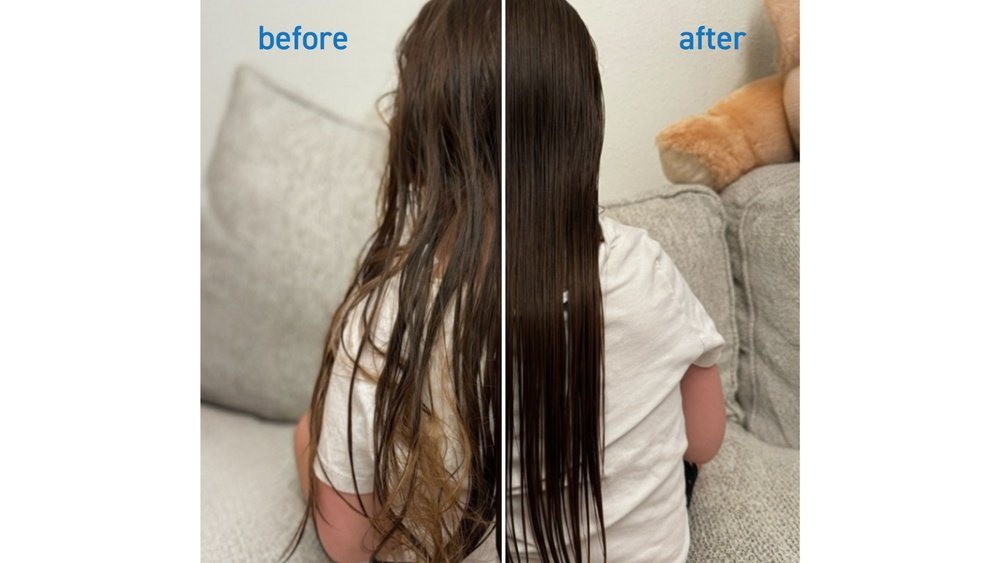
Do you find yourself constantly battling knots and tangles every time you run your fingers through your hair? It’s frustrating, time-consuming, and can even cause damage if you’re not careful.
But why does your hair get tangled so easily? Understanding the reasons behind this common problem is the first step to taming those stubborn snarls once and for all. You’ll discover simple yet powerful tips to prevent tangles, protect your strands, and keep your hair smooth and manageable every day.
Keep reading to unlock the secrets to effortless, tangle-free hair!

Credit: www.spornette.com
Causes Of Hair Tangling
Hair tangling can feel frustrating and painful. Understanding the main causes helps manage and reduce tangles. Various factors affect how easily your hair knots and snarls. These range from natural hair traits to external conditions.
Hair Texture And Type
Curly and wavy hair tends to tangle more than straight hair. The bends and twists create spaces where strands catch. Fine hair can also tangle easily due to its delicate nature. Thick hair may form dense knots when strands overlap.
Damage And Split Ends
Damaged hair cuticles cause rough surfaces. Split ends split the strand into smaller fibers that catch on each other. This damage makes hair prone to tangling and breakage. Regular trims reduce split ends and help keep hair smooth.
Lack Of Moisture
Dry hair lacks the natural oils that smooth strands. Without moisture, hair becomes brittle and rough. This roughness leads to friction between strands and more tangles. Deep conditioning and hydrating products restore moisture and softness.
Environmental Factors
Wind, humidity, and pollution all affect hair texture. Wind blows strands around, causing knots and snarls. High humidity makes hair swell and frizz, increasing tangles. Pollution leaves residue that roughens the hair surface.
Nutritional Deficiencies
Poor nutrition weakens hair strength and elasticity. Lack of vitamins and minerals leads to dry, brittle strands. Weak hair tangles more easily and breaks faster. Eating balanced meals supports healthy hair growth and resilience.
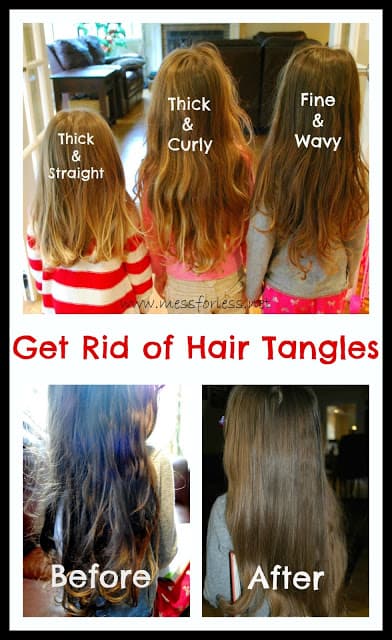
Credit: www.messforless.net
Daily Hair Care Habits
Daily hair care habits play a key role in preventing tangles. Simple changes in how you handle your hair can keep strands smooth and manageable. Consistent care protects hair from damage and breakage. Understanding the right methods helps reduce knots and snarls.
Brushing Techniques
Use a wide-tooth comb or brush with soft bristles. Start detangling from the ends, working upward gently. Avoid brushing wet hair roughly, as it breaks easily. Brush hair regularly to prevent buildup and knots. Be patient and careful to reduce pulling and damage.
Conditioning Importance
Conditioner smooths the hair cuticle, reducing friction between strands. Always apply conditioner after shampooing, focusing on the ends. Use deep conditioning treatments once a week for extra moisture. Well-conditioned hair is softer and less likely to tangle. Skipping conditioner can make hair dry and rough.
Choosing The Right Products
Pick shampoos and conditioners without harsh sulfates. Look for moisturizing and gentle formulas suited for your hair type. Use leave-in conditioners or detangling sprays to add slip. Avoid heavy products that weigh hair down or cause buildup. Natural oils like argan or coconut help nourish and smooth hair.
Washing And Drying Tips
Wash hair with lukewarm water to avoid drying out strands. Rinse thoroughly to remove all product residue. Pat hair dry with a soft towel or old t-shirt, avoiding rubbing. Let hair air dry when possible to reduce friction. Using heat sparingly protects hair from damage and tangling.
Protecting Hair From Tangling
Protecting hair from tangling is essential for smooth, manageable locks. Tangled hair feels rough and looks messy. It happens when strands rub against each other or external elements. Keeping hair protected reduces friction and damage.
Simple habits can keep hair strong and less prone to knots. Taking care of hair during day and night helps maintain its natural shine and softness. Using gentle methods prevents breakage and split ends. Here are key ways to protect hair from tangling.
Nighttime Hair Care
Sleeping causes hair to rub against the pillow, creating tangles. Use a silk or satin pillowcase to reduce friction. These materials help keep hair smooth and prevent moisture loss. Tie hair loosely in a braid or bun before bed. Avoid tight hairstyles that pull on the scalp. Wearing a silk or satin bonnet adds extra protection. Nighttime care keeps hair safe and ready for the day.
Outdoor Protection
Wind, sun, and pollution can damage hair and cause tangles. Cover hair with a hat or scarf when outside. This shield blocks harsh elements and keeps strands in place. Use hair products with UV protection to guard against sun damage. Avoid touching hair too much outdoors. Clean hair regularly to remove dirt and buildup. Outdoor protection helps maintain smooth, tangle-free hair.
Minimizing Heat Damage
Heat styling tools weaken hair and create knots. Limit use of blow dryers, straighteners, and curling irons. Always apply a heat protectant spray before styling. Choose lower heat settings to avoid burning strands. Give hair breaks from heat styling to recover. Healthier hair is less likely to tangle or break. Careful heat use improves hair texture and strength.
Regular Trims
Split ends cause hair to tangle easily. Trim hair every six to eight weeks to remove damaged ends. Clean cuts prevent knots and make hair look healthier. Regular trims promote hair growth and reduce frizz. Avoid cutting too much at once to keep length. Well-trimmed hair feels softer and stays tangle-free longer.
Effective Detangling Methods
Detangling hair can be a challenge, especially when tangles form easily. Using effective methods helps reduce breakage and pain. The right approach makes hair care simpler and keeps strands healthy.
Applying gentle techniques and tools protects hair from damage. Moisturized and smooth hair untangles faster. Detangling sprays add slip, making the process easier. Avoiding harsh handling preserves hair strength.
Start From The Ends
Always begin detangling at the hair ends. The ends hold most knots and tangles. Work your way up slowly to avoid pulling. This method reduces hair breakage and pain. It helps smooth out stubborn tangles gently.
Use Gentle Tools
Choose wide-tooth combs or special detangling brushes. These tools glide through hair without snagging. Avoid fine-tooth combs and regular brushes on tangled hair. Soft bristles protect the hair cuticle. Use tools designed to reduce tugging and damage.
Incorporate Detangling Sprays
Detangling sprays add moisture and slip to hair strands. They make combing easier and faster. Many sprays contain nourishing ingredients to soften hair. Spray lightly before combing to prevent breakage. Choose products that suit your hair type.
Avoid Rough Handling
Do not pull or yank tangled hair. Rough handling causes split ends and hair loss. Use slow, gentle motions when detangling. Pat hair dry instead of rubbing with a towel. Protect hair by tying it loosely during sleep to prevent tangles.

Credit: www.reddit.com
Frequently Asked Questions
How Do I Stop My Hair From Tangling So Easily?
Moisturize hair regularly and use conditioner after shampooing. Detangle gently with a wide-tooth comb, starting from ends. Sleep on silk pillows and braid hair overnight. Avoid excessive heat styling and get regular trims to prevent split ends and reduce tangling.
What Deficiency Causes Hair Tangles?
Hair tangles often result from protein or vitamin deficiencies, especially lack of biotin, zinc, or iron. These nutrients keep hair strong and smooth.
Does Healthy Hair Tangle Less?
Healthy hair tangles less because its smooth cuticles reduce friction between strands. Proper moisture and regular conditioning keep hair soft and manageable.
Why Does My Hair Get Tangled When I Do Nothing?
Hair tangles easily due to dryness, friction, and damaged cuticles. Lack of moisture and rough handling worsen tangling.
Conclusion
Tangled hair happens because of dryness and friction. Keeping hair moisturized helps reduce knots. Use gentle combs and avoid harsh brushing. Protect hair at night with silk pillowcases or loose braids. Regular trims keep split ends from worsening tangles. Limiting heat styling also keeps hair smooth.
Small changes in care can make a big difference. Healthy hair feels soft and easy to manage. Start simple habits today for less tangled hair tomorrow.
As an Amazon Associate, I earn from qualifying purchases.
Lovingshe is a participant in the Amazon Services LLC Associates Program which is an affiliate advertising program designed to provide a means for sites to earn advertising fees by advertising and linking to Amazon.com. Amazon may use cookies to track referrals from our site. Visit Amazon’s privacy policy for details
