


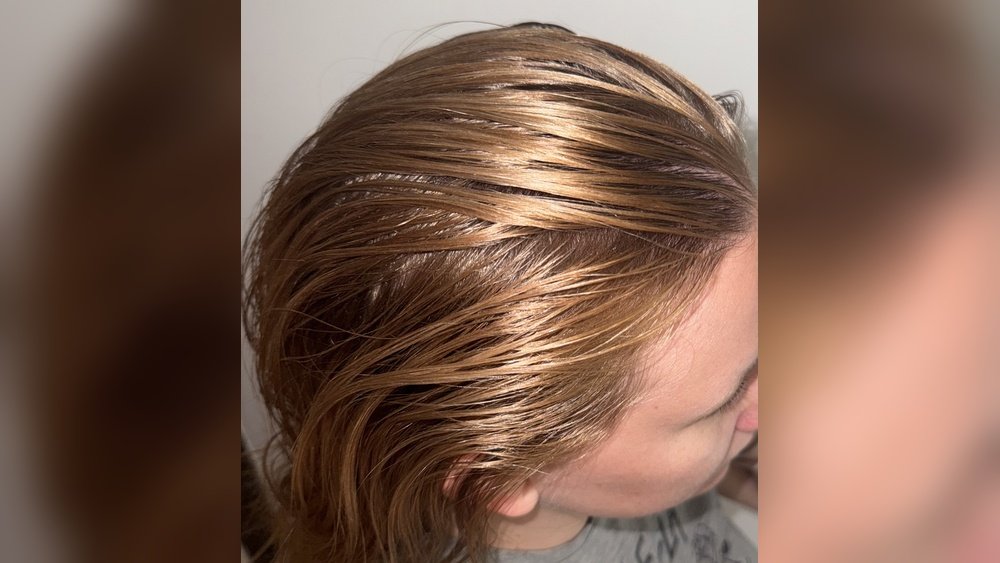
Have you ever wondered why your hair feels greasy so quickly, even right after washing? It’s frustrating when your fresh, clean hair turns oily and flat, making you want to hide under a hat all day.
Understanding why hair gets greasy isn’t just about shampoo choices—it’s about what’s really happening on your scalp every day. You’ll discover the surprising reasons behind greasy hair and learn simple, effective ways to keep your hair fresh and vibrant longer.
Ready to say goodbye to oily strands? Let’s dive in and uncover the secrets your scalp is trying to tell you.
:max_bytes(150000):strip_icc()/GettyImages-801994836-2000-8771a4e0987543b5a9d4e4840fe5944d.jpg)
Credit: www.southernliving.com
Causes Of Greasy Hair
Greasy hair happens when the scalp produces too much oil or sebum. Several factors cause this excess oil. Understanding these reasons helps control oily hair better. The causes range from natural body functions to lifestyle habits and environment.
Sebum Production And Hair Type
Sebum is an oily substance made by scalp glands. It keeps hair soft and healthy. Some people have more active glands, making more oil. Hair type affects how oily hair looks. Straight hair shows oil faster than curly hair. Curly hair spreads oil along the strands less quickly.
Effects Of Overwashing
Washing hair too often can cause greasy hair. It removes natural oils, so the scalp makes more to replace them. This leads to a cycle of oil production and frequent washing. Using harsh shampoos also irritates the scalp. This irritation triggers more oil production as a defense.
Genetic Influences
Greasy hair can run in families. Genes affect how many oil glands you have. They also control how active those glands are. If your parents have oily hair, you might too. This natural tendency is hard to change. Good hair care can help manage it.
Environmental Factors
Weather and pollution impact greasy hair. Hot, humid weather makes the scalp sweat and produce more oil. Pollution deposits dirt and oil on hair and scalp. This buildup makes hair look greasy faster. Wearing hats or helmets traps heat and oil on the scalp. These conditions increase oiliness and require more care.
Credit: prose.com
Proper Washing Techniques
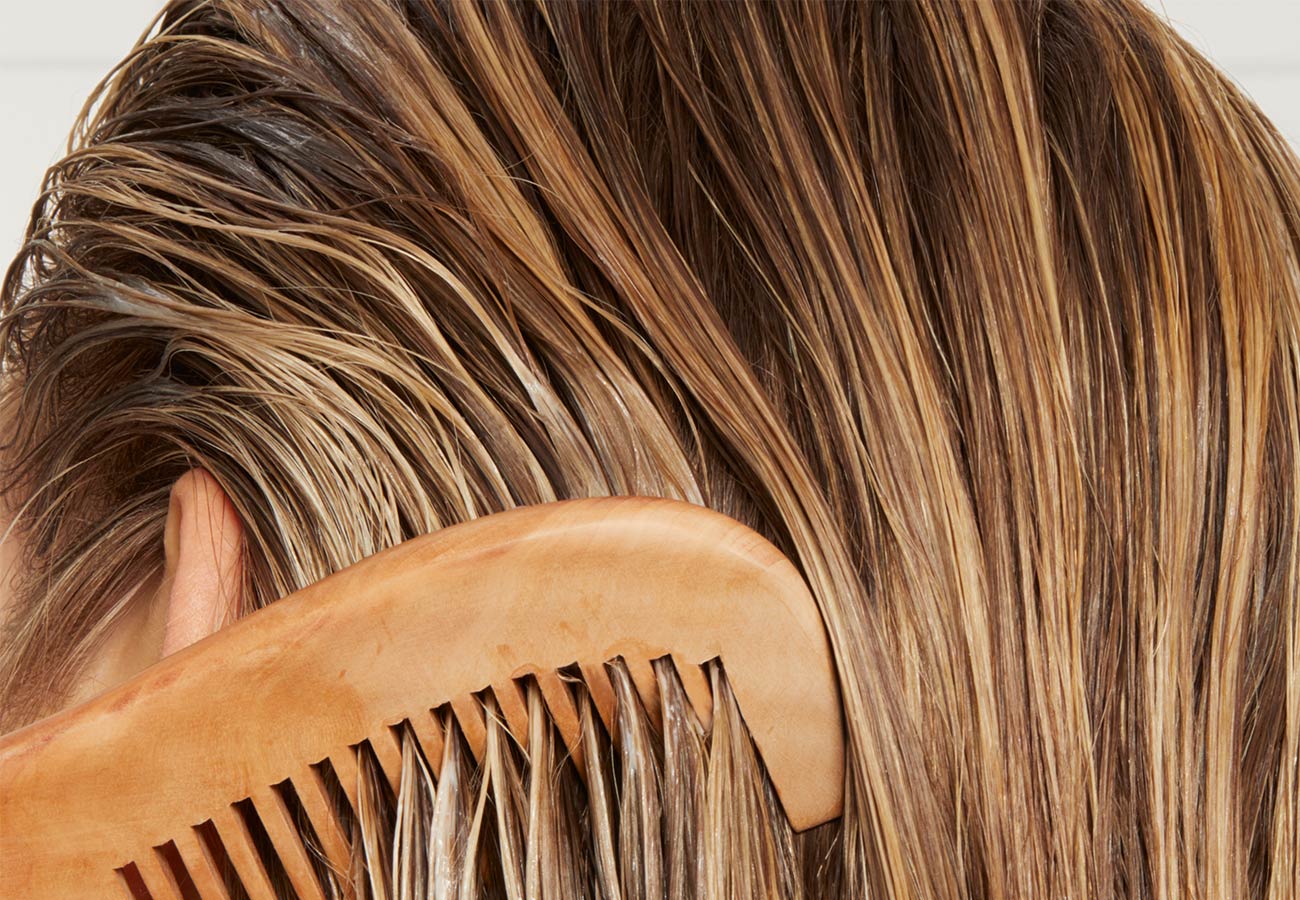
Proper washing techniques play a key role in controlling greasy hair. They help remove excess oil without stripping the scalp. Using the right methods can balance oil production and keep hair fresh longer.
Choosing The Right Shampoo
Select a shampoo suited for oily hair or a gentle daily cleanser. Clarifying shampoos work well once a week to remove buildup. Avoid heavy or oily shampoos that add to greasiness. Focus on formulas that clean the scalp deeply without drying it out.
Double Washing Method
Start by massaging shampoo into the scalp to break down oils. Rinse thoroughly to remove dirt and oil. Repeat the shampoo step to ensure a deep clean. This method helps clear away stubborn grease and buildup effectively.
Conditioning Tips
Apply conditioner only to the hair ends, not the roots. The scalp produces natural oils, so avoid adding extra moisture there. Rinse conditioner well to prevent residue that can weigh hair down. Light conditioning keeps hair soft without increasing oiliness.
Cool Water Rinse
Use cool water at the end of your shower to rinse hair. Cool water closes the hair cuticles and slows oil production. It also helps maintain scalp health and adds shine. Avoid hot water which can stimulate more oil release.
Styling And Daily Habits
Daily styling and habits play a big role in how greasy your hair gets. Small actions each day affect oil buildup on your scalp and strands. Understanding these habits helps you keep hair fresh longer. Simple changes can reduce excess oil and make hair feel cleaner.
Using Dry Shampoo Effectively
Dry shampoo soaks up oil and adds volume. Use it before hair feels greasy to prevent buildup. Spray or sprinkle lightly near roots and wait a few minutes. Then brush out the powder for a natural look. Avoid overuse, as it can clog pores and worsen oiliness.
Avoiding Excessive Touching
Touching hair often spreads oil from your hands to strands. It also stimulates scalp glands to produce more oil. Try to keep hands away from hair during the day. This small habit helps slow down grease and keeps hair cleaner longer.
Cleaning Hairbrushes Regularly
Hairbrushes collect oil, dirt, and product residue. Using a dirty brush re-deposits oils back into your hair. Clean brushes once a week with warm water and shampoo. Let them dry fully before using. Clean tools help maintain a fresh scalp and reduce greasiness.
Hair Drying Methods
Air drying is gentle and prevents overstimulating scalp oil glands. If using a blow dryer, set it on low heat. High heat can dry scalp and cause it to produce extra oil. Pat hair gently with a towel instead of rubbing. These steps keep scalp balanced and less oily.
Changing Pillowcases Often
Pillowcases absorb oils from your hair and skin overnight. Using the same pillowcase for too long transfers oil back to your hair. Change pillowcases at least once a week. Clean bedding helps reduce oil buildup and keeps hair feeling fresh each morning.
Lifestyle And Diet Impact
Lifestyle and diet play a big role in how greasy hair can get. Your daily habits and what you eat affect the oil your scalp produces. Small changes can help balance oil and keep hair fresh longer.
Stress, hydration, and diet all impact scalp health. Understanding these factors helps control greasy hair naturally.
Stress Management
Stress increases oil production on the scalp. The body makes more cortisol, which signals oil glands to work harder. This leads to faster greasy hair. Simple activities like walking or deep breathing lower stress and reduce oil. Regular relaxation keeps your scalp calm and less oily.
Hydration And Scalp Health
Water keeps your scalp healthy and balanced. Dehydration causes the scalp to dry out, which may trigger extra oil to protect it. Drink enough water daily to support oil balance. A hydrated scalp produces just the right amount of oil, preventing greasiness and dryness.
Dietary Considerations
What you eat affects oil levels on your scalp. Foods high in sugar and fat can increase oil production. Fresh fruits, vegetables, and whole grains help keep oil normal. Omega-3 fatty acids found in fish and nuts support scalp health. Balanced meals reduce greasy hair problems and improve overall hair quality.
When To Seek Professional Help
Knowing when greasy hair needs more than home care is key. Persistent oiliness may signal underlying scalp issues. Professional advice helps address root causes and prevents worsening problems.
Identifying Scalp Conditions
Greasy hair might be linked to scalp conditions like seborrheic dermatitis or psoriasis. These cause redness, itching, and flaking along with oiliness. Persistent symptoms beyond normal oil buildup need attention. A professional can diagnose these conditions accurately. Early detection improves treatment success and scalp health.
Consulting Dermatologists
Dermatologists specialize in skin and scalp health. They offer expert advice on greasy hair causes and treatments. Medical-grade shampoos or medications may be prescribed. These professionals tailor solutions to individual needs. Visiting a dermatologist ensures safe, effective care for oily scalp problems.
Credit: www.reddit.com
Frequently Asked Questions
How Do I Stop My Hair From Being So Oily?
Wash hair with gentle or clarifying shampoo, focusing on the scalp. Rinse with cool water. Condition ends only. Use dry shampoo before oil appears. Avoid touching hair and clean brushes weekly. Manage stress, eat well, and change pillowcases regularly to reduce oiliness.
Why Is My Hair Greasy After 1 Day?
Hair gets greasy after one day due to excess sebum production from scalp oil glands. Overwashing, touching hair, stress, and oily products increase greasiness. Use gentle shampoo, condition ends only, rinse with cool water, and avoid frequent touching to balance oil and reduce greasiness.
Is It Healthy To Have Greasy Hair?
Greasy hair indicates excess oil production, which can clog follicles and cause scalp issues. Regular cleansing and care keep hair healthy.
What Is Greasy Hair A Symptom Of?
Greasy hair signals excess oil production by scalp glands. It can result from hormonal changes, stress, poor hygiene, or scalp conditions like dandruff.
Conclusion
Greasy hair happens because your scalp makes too much oil. This oil keeps your hair shiny but can look dirty fast. Washing hair the right way helps control oil without drying your scalp. Use gentle shampoos and condition only the ends.
Avoid touching hair often and keep brushes clean. Healthy eating and less stress also help balance oil. If greasy hair stays, talk to a doctor to check for scalp problems. Simple daily habits can keep your hair fresh and less oily.
As an Amazon Associate, I earn from qualifying purchases.
Lovingshe is a participant in the Amazon Services LLC Associates Program which is an affiliate advertising program designed to provide a means for sites to earn advertising fees by advertising and linking to Amazon.com. Amazon may use cookies to track referrals from our site. Visit Amazon’s privacy policy for details
