


Are you thinking about changing your hair color but feeling confused by terms like semi-permanent and demi-permanent? You’re not alone.
Knowing the difference between these two popular hair color options can make a big impact on the look you achieve and how long it lasts. Whether you want to refresh your current shade, cover some gray, or try a new color without a long-term commitment, understanding what each type offers will help you make the right choice for your hair and lifestyle.
Keep reading to discover the key differences, benefits, and when to use semi vs. Demi-permanent hair color—so you can confidently pick the perfect option for your next color update.
Semi-permanent Color Basics
Semi-permanent hair color offers a gentle way to change your hair’s look. It adds color without harsh chemicals. This type of dye coats the hair surface rather than changing its natural pigment. It is ideal for those who want a subtle or temporary color change. Understanding its basics helps you decide if it suits your hair goals.
Semi-permanent color is a popular choice for people new to hair coloring. It is less damaging and fades with regular washing. This makes it a low-risk option for experimenting with new shades.
How It Works
Semi-permanent color uses small color molecules that sit on the hair’s outer layer. It does not penetrate deeply into the hair shaft. The color does not alter your natural hair pigment. This results in a softer color change that washes out over time.
Color Longevity
The color lasts around 4 to 12 shampoos. Frequent washing causes the color to fade faster. The fading is gradual and even, with no harsh lines. Because it does not contain ammonia or peroxide, it fades gently.
Best Hair Types
Semi-permanent color works well on healthy hair. It suits all hair types but shows best on lighter shades. Dark hair may need pre-lightening for vibrant results. It is a great choice for fine or damaged hair due to its gentle formula.
Common Uses
People use semi-permanent color to enhance natural hair tones. It is perfect for adding shine or refreshing dull color. It can also be used to experiment with fun, bold shades. Many choose it for special occasions or short-term color changes.
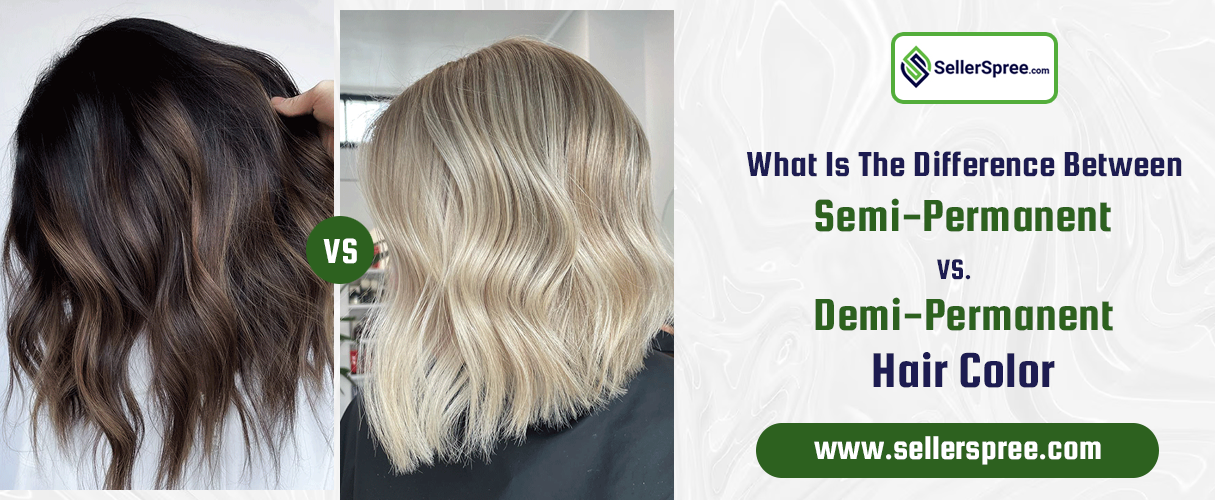
Credit: www.sellerspree.com
Demi-permanent Color Features
Demi-permanent hair color offers a unique blend of features that make it a popular choice for many. It gently enhances your natural hair shade without causing harsh damage. This color type works beneath the hair surface, providing a richer and longer-lasting result than semi-permanent colors. It is ideal for those who want subtle change and improved shine without a full commitment.
Color Penetration
Demi-permanent color penetrates the hair cuticle slightly. It does not reach the cortex deeply like permanent color. This allows for a natural look with subtle color changes. The color molecules sit under the outer layer, blending well with your natural hair. This gentle penetration keeps hair healthier and less damaged.
Fade Process
The fade process of demi-permanent color is slow and even. It does not wash out quickly like semi-permanent colors. The color fades naturally over 24 to 28 shampoos. This gradual fade prevents harsh lines or uneven patches. It keeps your hair looking fresh longer.
Hair Compatibility
Demi-permanent color suits most hair types. It works well on natural and previously colored hair. It is safe for hair that is dry or damaged. The ammonia-free formula reduces hair stress and breakage. People with sensitive scalps often prefer this color type.
Typical Applications
Demi-permanent color is used for several purposes. It blends gray hair softly without full coverage. It tones highlights and removes brassiness for a polished look. It refreshes faded color on mid-lengths and ends. Many use it to try new shades with low damage. It is ideal for those avoiding harsh root lines.
Chemical Differences
Semi-permanent and demi-permanent hair colors differ mainly in their chemical makeup. These differences affect how the color interacts with your hair and how long it lasts. Understanding these chemical details helps you choose the right product for your hair goals.
Both types of color work differently on the hair structure. The presence or absence of certain chemicals changes the way the hair cuticle reacts and how deeply the color molecules penetrate.
Ammonia And Alkali Role
Semi-permanent color usually contains no ammonia or alkali. This means it does not open the hair cuticle. Demi-permanent color contains a low level of alkali but no ammonia. The alkali gently opens the cuticle to allow color penetration without harsh damage. This difference makes demi-permanent color last longer and appear more natural.
Cuticle Interaction
Semi-permanent color coats the hair surface without lifting the cuticle. It stays mostly on the outer layer of the hair strand. Demi-permanent color slightly lifts the cuticle, allowing color molecules to enter the outer cortex. This causes a deeper, more durable color effect that fades gradually over time.
Color Molecule Size
Semi-permanent colors use larger color molecules. These molecules cannot enter deeply into the hair shaft. They sit on the surface and wash out quickly. Demi-permanent colors have smaller molecules that penetrate the hair shaft more effectively. This results in longer-lasting color with a softer fade.
Coverage And Color Impact
Coverage and color impact differ significantly between semi-permanent and demi-permanent hair colors. Semi-permanent color coats the hair shaft without penetrating deeply. It adds vibrant color but fades quickly with washing. Demi-permanent color penetrates the hair cuticle slightly. It deposits color more deeply, lasting longer and offering natural-looking results. Both types enhance hair without harsh chemicals or permanent commitment.
Gray Hair Blending
Demi-permanent color blends gray hairs softly. It does not fully cover gray but tones it down. This creates a natural, highlighted effect. Semi-permanent color offers minimal gray coverage. It works best for adding shine and color to non-gray hair. For those wanting subtle gray blending, demi-permanent is the better choice.
Toning And Gloss
Demi-permanent hair color is ideal for toning brassiness. It adds gloss and enriches faded highlights. Semi-permanent colors add surface shine but do not alter tone deeply. Demi color smooths uneven tones and refreshes hair shine. It is popular for maintaining balayage or highlighted styles.
Color Refreshing
Semi-permanent color refreshes dull shades quickly. It deposits color onto the hair surface for a temporary boost. Demi-permanent color refreshes color longer and fades gradually. It penetrates the cuticle, improving color longevity. Both work well to revive color but differ in how long results last.
Temporary Shade Changes
Semi-permanent color changes hair shade temporarily. It washes out in a few shampoos without damage. Demi-permanent color lasts several weeks with gentle fading. It allows experimenting with new shades without permanent commitment. Both options suit those who want color changes without strong chemicals.
Damage And Hair Health
Understanding how semi and demi-permanent hair colors affect damage and hair health is key. Both types offer less damage than permanent color. They allow you to change your hair color with minimal harm. The difference lies in their chemical makeup and how they interact with your hair structure.
Ammonia-free Benefits
Semi-permanent colors usually do not contain ammonia. This means they are gentler on the scalp and hair. Without ammonia, hair cuticles do not open as much. This reduces dryness and breakage. Demi-permanent colors may contain low levels of ammonia. This small amount helps color last longer but can cause mild damage.
Hair Cuticle Effects
Semi-permanent color coats the hair shaft without lifting the cuticle. This keeps hair smooth and less prone to damage. Demi-permanent color slightly lifts the cuticle to let color penetrate deeper. This gives richer color but may slightly weaken the hair surface. Both types avoid harsh chemicals that strip natural oils.
Comparing Damage Levels
Semi-permanent color causes the least damage. It fades quickly without altering hair’s core structure. Demi-permanent color lasts longer but can cause mild damage over time. It is a middle ground between semi and permanent color. Both options preserve hair health better than permanent dyes. Choose based on your hair’s condition and color goals.
Fading And Longevity
Fading and longevity are key factors when choosing between semi and demi-permanent hair color. These two types of color behave differently over time. Understanding how they fade helps you pick the right option for your needs. Both colors add vibrancy but last for different lengths of time. Hair care and hair type also affect how long the color stays fresh and bright.
Why Demi Fades Gradually
Demi-permanent color penetrates the hair cuticle slightly deeper. It deposits color molecules just inside the hair shaft. This allows the color to last longer than semi-permanent options. The color does not wash out quickly but fades slowly over weeks. It blends with natural hair as it fades, avoiding harsh lines. The gentle formula often contains no ammonia, reducing damage and helping color last.
Semi-permanent Washout
Semi-permanent color coats the hair surface mostly. It does not penetrate deep inside the hair shaft. Because of this, it washes out much faster than demi-permanent color. Usually, semi-permanent color lasts from 4 to 12 shampoos. The color fades evenly but more quickly, making it ideal for short-term changes. It adds shine and enhances natural hair without long commitment.
Factors Influencing Duration
Many factors affect how long semi and demi-permanent colors last. Hair porosity plays a big role; porous hair loses color faster. Shampoo type matters; sulfate-free shampoos help extend color life. Heat styling tools can speed up fading by breaking down color molecules. Sun exposure also fades color by bleaching the hair. Regular conditioning helps lock in color and maintain shine longer.
Choosing Between Semi And Demi
Choosing between semi and demi-permanent hair color depends on your hair needs and style goals. Both options offer color without long-term commitment but differ in durability and effect. Understanding these differences helps you pick the best option for your hair.
When To Pick Semi-permanent
Semi-permanent color is ideal for short-term changes. It works well if you want to add shine or a subtle tint. Use it to experiment with new colors without damage. It washes out faster, usually within 4 to 12 shampoos. Semi-permanent is gentle and does not contain ammonia or peroxide. It does not change your natural hair color or cover gray. Choose semi-permanent for a soft, natural look or to refresh faded color.
When To Choose Demi-permanent
Demi-permanent color lasts longer, about 20 to 28 shampoos. It gently deposits color and blends gray hairs without harsh lines. Use demi-permanent to tone highlights or neutralize brassiness. It adds shine and depth to your hair. Demi color cannot lighten hair but can darken or enrich your shade. It is ammonia-free and less damaging than permanent dye. Choose demi-permanent for subtle color changes and a polished look.
Considering Hair Goals
Think about your hair goals before deciding. Want a quick, temporary color boost? Semi-permanent fits well. Need to blend grays or refresh dull color? Demi-permanent suits best. Consider your hair health and how often you want to color. Both types offer low damage but differ in how long they last. Match your choice with the style and upkeep you prefer.
Credit: www.wella.com
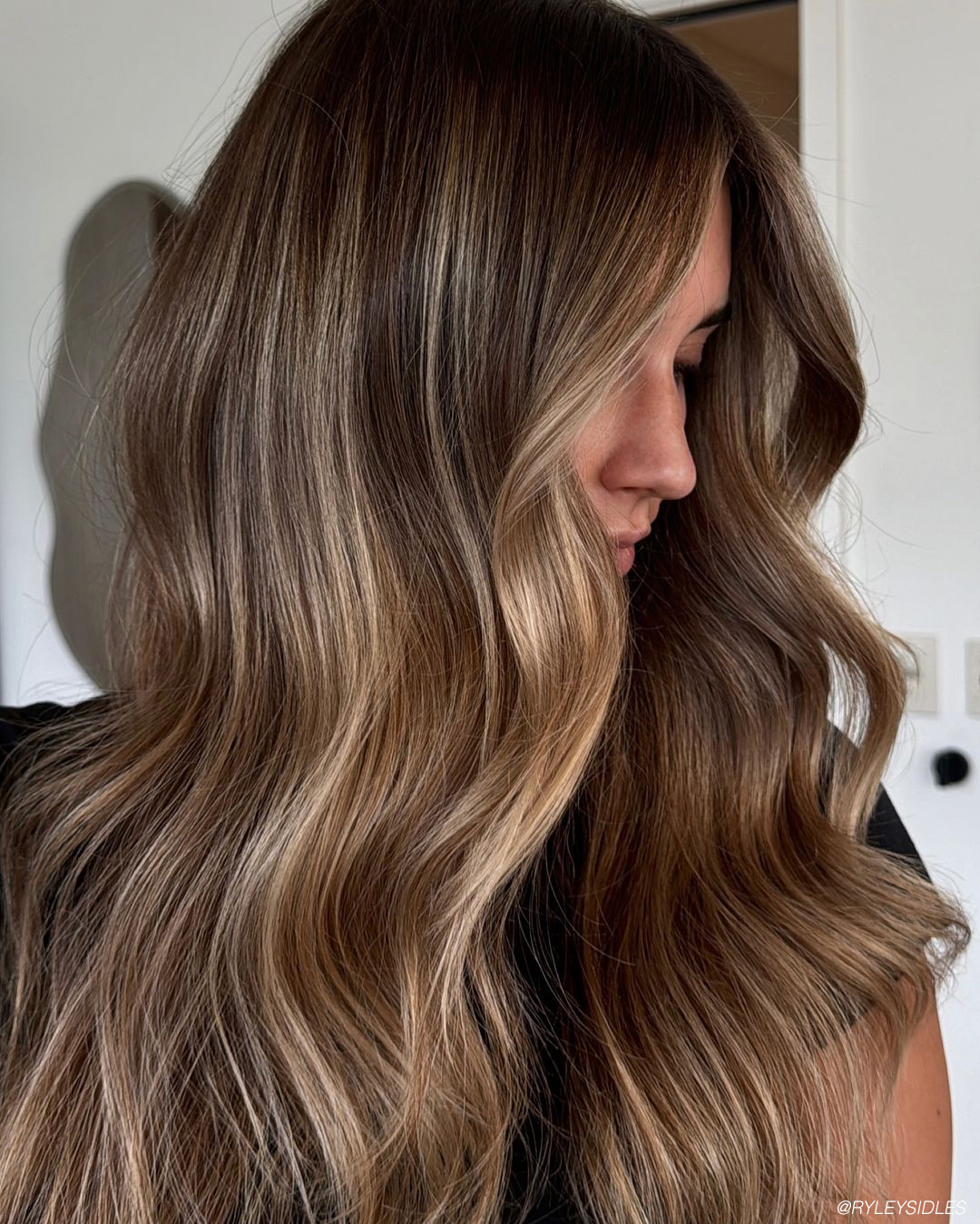
Credit: www.bangstyle.com
Frequently Asked Questions
When Would You Use A Demi-permanent Hair Color?
Use demi-permanent hair color to blend grays, tone highlights, refresh dull color, or try new shades without harsh roots. It deposits color gently, adds shine, and fades gradually without lifting natural hair. Ideal for low-commitment, subtle changes and enhancing existing color safely.
What Are The Cons Of Demi-permanent?
Demi-permanent hair color cannot lighten hair or cover heavy gray fully. It fades faster than permanent color and may require frequent touch-ups.
Does Demi-permanent Color Wash Out Completely?
Demi-permanent color fades gradually but does not wash out completely. It lasts about 24-28 shampoos, blending naturally.
Is Demi Or Semi-permanent Hair Dye Longer?
Demi-permanent hair dye lasts longer than semi-permanent. It penetrates the hair cuticle slightly, fading gradually over 24-28 washes. Semi-permanent coats the hair surface and usually lasts 4-12 washes. Demi offers more durable color without lightening hair.
Conclusion
Semi-permanent and demi-permanent hair colors both offer temporary options. Semi-permanent colors wash out faster and add surface color. Demi-permanent colors last longer and blend grays better. They gently penetrate hair without lightening it. Choose based on how long you want the color to last.
Both types cause less damage than permanent dyes. Understanding these differences helps you pick the right product. Try a small test first to see how your hair reacts. Enjoy experimenting with color safely and easily.
As an Amazon Associate, I earn from qualifying purchases.
Lovingshe is a participant in the Amazon Services LLC Associates Program which is an affiliate advertising program designed to provide a means for sites to earn advertising fees by advertising and linking to Amazon.com. Amazon may use cookies to track referrals from our site. Visit Amazon’s privacy policy for details
