


Do you often find your hair looking puffy, messy, and hard to tame no matter what you try? That’s frizzy hair talking.
It’s those flyaway strands that refuse to stay smooth, the dull texture that lacks shine, and the rough feel that makes your hair look dry and lifeless. If your hair tends to puff up especially on humid days or just won’t hold a style, you’re dealing with frizz.
But why does this happen, and more importantly, how can you manage it? Keep reading to uncover what frizzy hair really is, what causes it, and the simple ways you can tame it for good. Your hair deserves to look its best every day, and understanding frizz is the first step.
Credit: www.johnfrieda.com
Signs Of Frizzy Hair
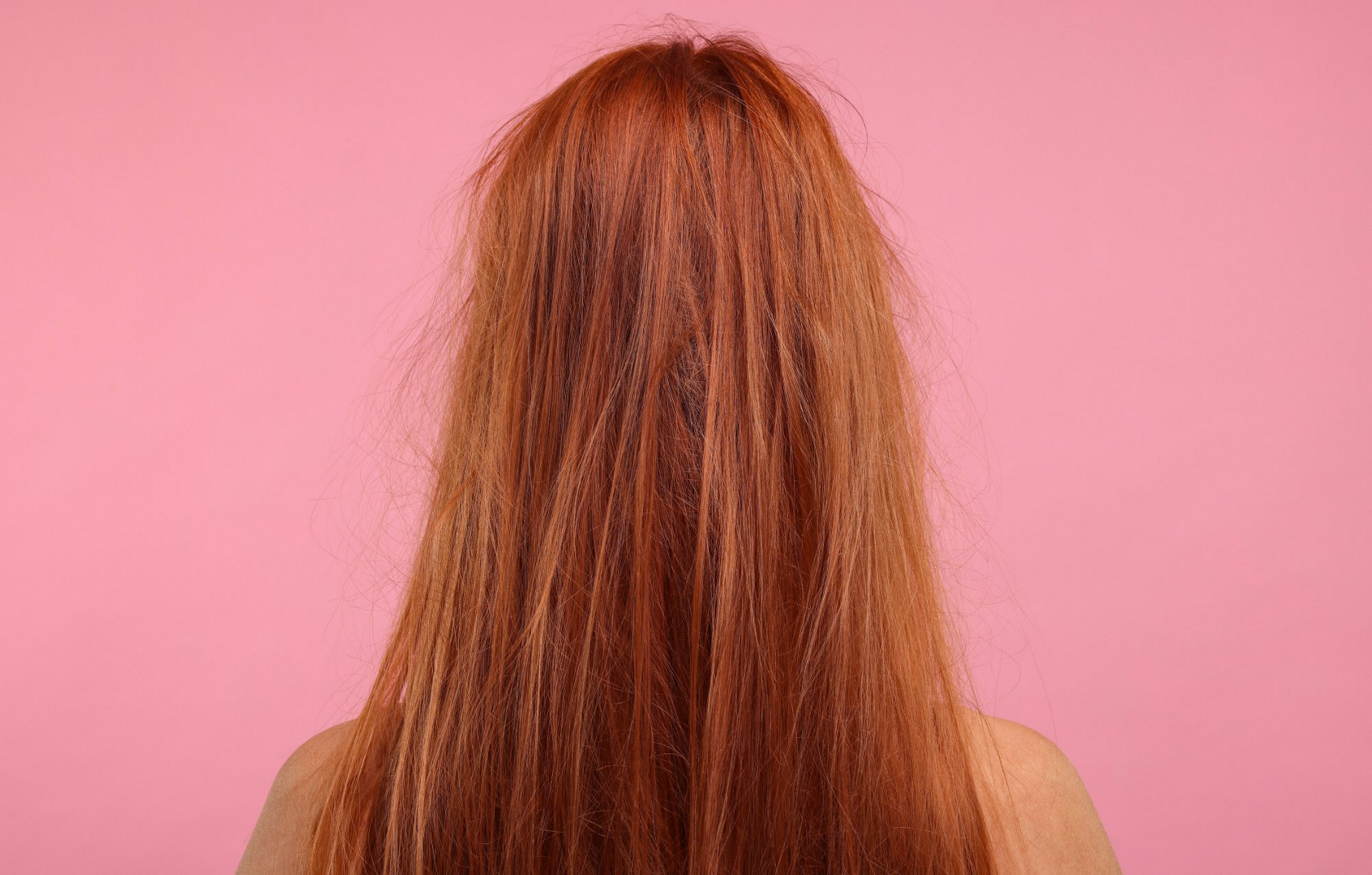
Frizzy hair shows clear signs that are easy to spot. Recognizing these signs helps in choosing the right care. Frizz usually means hair looks rough and unmanageable. The hair strands lift and separate from each other. This gives hair a messy, untamed look that feels dry and coarse.
Puffy And Poofy Appearance
Hair appears fuller than usual but not smooth. Instead, it looks swollen and uneven. This puffiness makes hair hard to style. The strands do not lie flat but stick out. It creates a bulky and messy look.
Flyaway Strands
Small hairs lift and float above the main hair. These flyaways look like tiny spikes or static electricity. They do not blend with the rest of the hair. Flyaways make hair appear wild and hard to control.
Dull And Lifeless Look
Frizzy hair often lacks shine and looks dry. It appears flat and without life. The natural gloss of healthy hair is missing. This dullness makes hair look unhealthy and tired.
Rough And Straw-like Texture
The surface of frizzy hair feels rough to touch. It can feel dry, coarse, or stiff. Instead of soft and smooth, it feels like straw. This rough texture adds to the uncomfortable feeling of frizz.
Disordered Hair Strands
Hair strands do not align smoothly. They create a tangled or “halo” effect around the head. This disorder makes hair look messy and unkempt. The strands move in different directions, causing chaos.

Credit: www.highland.style
Frizzy Hair Behavior
Frizzy hair behaves in ways that can be frustrating and unpredictable. It often feels dry and rough, making it hard to keep hair smooth. The strands lift and separate, creating a fuzzy or puffy look. This happens because the hair cuticle opens up, letting moisture in unevenly. The hair loses its natural shine and smoothness, resulting in a tangled or flyaway appearance.
Styles That Don’t Last
Frizzy hair resists holding styles well. Even after careful styling, hair tends to return to its frizzy state quickly. Curls may lose shape, and straight styles can look messy within hours. The hair struggles to stay in place. This makes it hard to maintain a polished look throughout the day.
Increased Frizz In Humidity
Humidity makes frizz much worse. Moist air causes the hair cuticle to swell and lift more. This leads to more puffiness and flyaways. Hair feels heavier but looks dry and rough. High humidity environments create a perfect setting for frizzy hair to appear uncontrollable and wild.
Difficulty Managing Hair
Frizzy hair is hard to manage and style. It tangles easily and resists combing or brushing. The rough texture makes hair prone to breakage. It often feels stiff or straw-like, lacking softness. Managing frizzy hair requires extra care and patience to avoid damage and maintain smoothness.
Science Behind Frizz
Understanding the science behind frizz helps explain why hair behaves unpredictably. Frizz occurs due to changes in the hair’s structure and moisture levels. Several factors cause the hair strands to lift, swell unevenly, and appear dry or damaged. These changes disrupt the smooth surface of hair, resulting in the classic frizzy look.
Cuticle Lifting And Moisture Absorption
The hair cuticle is the outermost layer of each strand. Normally, it lies flat, protecting the inner layers. When the cuticle lifts, it creates gaps in the hair’s surface. These gaps allow moisture from the air to enter the hair shaft. The moisture causes the hair to swell and lose its smoothness. This lifting is more common in humid weather and damaged hair.
Uneven Hair Shaft Swelling
Hair swells when it absorbs water, but not evenly. Some parts of the hair shaft swell more than others. This uneven swelling causes the hair to twist and bend in random directions. The result is hair that looks puffy and tangled. Uneven swelling is a key reason why frizz appears more in wavy or curly hair types.
Dryness And Damage Factors
Dry hair lacks natural oils that keep it smooth and flexible. Damage from heat styling, chemical treatments, or harsh brushing can break down the hair’s protective layers. This damage exposes the inner hair, making it more porous. Porous hair absorbs more moisture, leading to more frizz. Keeping hair hydrated and healthy reduces dryness and damage, which lowers frizz.

Credit: lovebeautyandplanet.in
Types Of Frizz
Frizzy hair appears in different forms depending on the cause. Understanding the types helps in choosing the right care. Three main types of frizz affect hair texture and appearance.
Each type has unique features and needs specific treatment. Recognizing your frizz type is the first step to smoother hair.
Humidity Frizz
Humidity frizz happens when moisture in the air enters the hair. The outer layer, called the cuticle, lifts up. This causes hair strands to swell and separate.
Hair looks puffy and rough. It feels dry and hard to manage. This frizz type is common in wet or humid climates. It often causes flyaways and a messy look.
Damage-related Frizz
Damage-related frizz occurs from heat, chemicals, or harsh treatments. The hair cuticle becomes broken and uneven. This makes hair weak and prone to breakage.
Damaged hair feels rough and straw-like. It lacks shine and smoothness. Split ends and knots are common. This frizz type needs gentle care and repair.
Lack Of Moisture Frizz
When hair is dry, it becomes frizzy due to lack of moisture. The strands lose their natural oils and hydration. This leads to rough texture and dull look.
Hair feels brittle and stiff. It often looks lifeless and breaks easily. Moisturizing shampoos and conditioners help reduce this frizz type. Regular hydration is key.
Preventing Frizz
Preventing frizz keeps hair smooth and easy to manage. Small daily habits make a big difference. Using the right products and techniques helps maintain hair health and reduce frizz. Follow these tips to keep your hair looking sleek and shiny.
Using Sulfate-free Products
Sulfates strip natural oils from hair, causing dryness and frizz. Choose shampoos and conditioners without sulfates. These gentle products protect your hair’s moisture and reduce frizz over time. Look for labels that say “sulfate-free” for safer hair care.
Gentle Hair Drying Techniques
Rough towel drying roughens hair cuticles and causes frizz. Instead, pat hair gently with a soft towel or a cotton T-shirt. Avoid rubbing or twisting hair. Let hair air dry partially before using a blow dryer on low heat.
Careful Detangling Methods
Wet hair is more prone to breakage and frizz. Use a wide-tooth comb to detangle gently. Start from the ends and work upward slowly. Avoid harsh brushing, which can lift the hair cuticle and cause frizz.
Heat Protection Tips
Heat styling tools can damage hair and increase frizz. Always apply a heat protectant spray before using straighteners or curling irons. Use the lowest heat setting needed. Limit heat styling to keep hair strong and smooth.
Sleeping On Silk Or Satin
Cotton pillowcases create friction that leads to frizz. Silk or satin pillowcases reduce friction and keep hair cuticles flat. This helps prevent breakage and maintains hair moisture overnight. Sleeping on smooth fabric keeps hair sleek.
Regular Hair Trims
Split ends cause hair to look frizzy and unhealthy. Trim hair every 6 to 8 weeks to remove damaged ends. Regular trims keep hair looking fresh and reduce frizz. Healthy ends make styling easier and hair more manageable.
Frizz Control Products
Frizz control products help manage unruly hair by smoothing and sealing strands. They reduce puffiness and flyaways. These products work by locking moisture inside the hair and protecting it from humidity. Choosing the right product depends on your hair type and the level of frizz you experience. Using frizz control products regularly keeps hair soft, shiny, and easier to style.
Anti-frizz Serums
Anti-frizz serums add a protective layer to hair strands. They smooth the cuticle and prevent moisture from making hair swell. These serums are lightweight and easy to apply. A small amount on damp or dry hair can reduce frizz instantly. They often contain oils or silicones that add shine and softness.
Alcohol-free Sprays
Alcohol-free sprays hydrate hair without drying it out. They help control frizz by maintaining moisture balance. These sprays refresh hair throughout the day. They are gentle and safe for all hair types. Using alcohol-free sprays keeps hair smooth without stiffness.
Leave-in Conditioners And Deep Treatments
Leave-in conditioners provide ongoing moisture and protection after washing. They soften hair and make it easier to comb. Deep treatments repair damaged hair and restore hydration. Regular use improves hair texture and reduces frizz over time. These products strengthen hair and prevent cuticle lifting.
Frequently Asked Questions
How Do I Know If My Hair Is Frizzy?
Your hair is frizzy if it looks puffy, has flyaways, feels rough, lacks shine, and resists styling, especially in humidity.
How Do I Stop My Hair From Frizzing?
Use sulfate-free shampoos and conditioners to retain moisture. Apply leave-in conditioners and avoid heat styling. Gently towel-dry hair and use a wide-tooth comb. Protect hair from humidity with anti-frizz serums or oils. Regular deep conditioning keeps hair smooth and frizz-free.
What Causes Frizzy Hair?
Frizzy hair occurs when the hair cuticle lifts, letting moisture in unevenly. This causes strands to swell, creating a rough, dry, and unruly texture. Environmental humidity, dryness, and hair damage worsen frizz by disrupting the hair’s smooth alignment and natural shine.
What Does A Frizzy Hair Look Like?
Frizzy hair looks puffy, dry, and rough with flyaways. Strands stick out unevenly, lack shine, and appear messy, especially in humidity.
Conclusion
Frizzy hair happens when hair strands don’t lie smooth. Raised cuticles let moisture in, causing uneven swelling. This makes hair look puffy, rough, and hard to style. Understanding frizz helps you manage your hair better. Simple care steps can reduce dryness and flyaways.
Keep hair hydrated and protected from humidity. Remember, frizz is normal for many hair types. Patience and gentle care bring smoother, shinier hair over time.
As an Amazon Associate, I earn from qualifying purchases.
Lovingshe is a participant in the Amazon Services LLC Associates Program which is an affiliate advertising program designed to provide a means for sites to earn advertising fees by advertising and linking to Amazon.com. Amazon may use cookies to track referrals from our site. Visit Amazon’s privacy policy for details
