


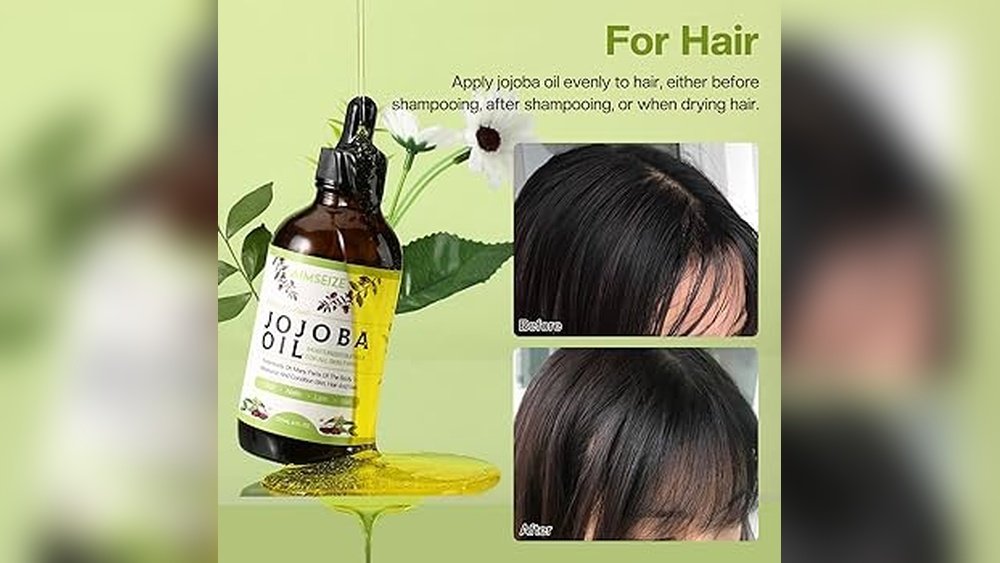
Are you looking for a natural way to improve your hair’s health without complicated treatments? Jojoba oil might be the simple solution you’ve been missing.
This golden liquid closely mimics your scalp’s natural oils, helping to balance moisture and nourish your hair from root to tip. But what exactly does jojoba oil do for your hair? Can it really make your locks stronger, shinier, and healthier?
Keep reading to discover how jojoba oil works, what benefits you can expect, and the best ways to use it to transform your hair care routine. Your hair deserves this boost—let’s dive in!

Credit: www.prevention.com
Jojoba Oil And Scalp Health
Jojoba oil is a natural oil that benefits scalp health deeply. It supports the scalp by balancing oils and providing nutrients. Healthy scalp means strong, vibrant hair.
This oil can soothe irritation and keep the scalp clean. It works gently to improve scalp conditions and promote comfort.
Sebum Mimicking Properties
Jojoba oil closely resembles natural sebum, the scalp’s own oil. This helps balance oil production, preventing dryness and excess oiliness. It keeps the scalp from feeling too greasy or too dry.
The oil creates a protective layer that locks in moisture. This balance supports a healthy scalp environment for hair growth.
Nutrient-rich Composition
Jojoba oil contains vitamins E and B-complex and minerals like zinc and copper. These nutrients nourish hair follicles deeply. They protect the scalp from damage caused by free radicals.
Regular use strengthens hair roots and improves scalp condition. This leads to healthier and more resilient hair strands.
Reducing Scalp Inflammation
Jojoba oil has anti-inflammatory properties that calm irritated skin. It reduces redness and itching on the scalp. This relief helps prevent scalp conditions like dandruff.
By soothing inflammation, jojoba oil promotes a comfortable scalp. A calm scalp supports better hair growth and less breakage.

Credit: www.hairknowhow.com
Moisturizing And Conditioning Effects
Jojoba oil offers excellent moisturizing and conditioning benefits for your hair. It closely mimics the natural oils produced by your scalp, making it a perfect hydrator. This oil penetrates the hair shaft to nourish and soften each strand. Its lightweight texture ensures it does not weigh hair down or leave it greasy.
Regular use of jojoba oil helps improve hair texture and manageability. It keeps hair smooth and shiny while protecting it from damage. The oil also locks in moisture, which is key to maintaining healthy hair.
Hydrating Dry Hair
Jojoba oil deeply hydrates dry hair by sealing moisture inside the strands. It replenishes lost oils, restoring softness and elasticity. This oil forms a protective barrier that prevents further moisture loss. Dry, brittle hair becomes supple and easier to comb.
Strengthening Hair Strands
The vitamins and minerals in jojoba oil strengthen hair strands from root to tip. It nourishes the scalp and supports healthy follicle function. Stronger hair strands resist damage and split ends better. This leads to thicker, more resilient hair over time.
Preventing Split Ends And Breakage
Jojoba oil smooths the hair cuticle, reducing friction and tangling. This action helps prevent split ends and breakage. Regular application keeps hair ends sealed and protected. As a result, hair stays intact and grows longer without damage.
Impact On Hair Growth
Jojoba oil plays a vital role in promoting hair growth by improving scalp health and strengthening hair strands. It creates a supportive environment for hair to grow naturally and remain strong. While it does not directly trigger rapid hair growth, it enhances the conditions needed for healthy hair development.
Supporting A Healthy Growth Environment
Jojoba oil closely mimics the scalp’s natural oils, known as sebum. This balance prevents the scalp from becoming too oily or too dry. It nourishes hair follicles with essential vitamins like E and B-complex. These nutrients protect follicles from damage and stress. A well-nourished scalp encourages steady, healthy hair growth over time.
Reducing Hair Breakage
Dry and brittle hair often breaks easily, reducing hair length and volume. Jojoba oil moisturizes hair deeply, making strands softer and more flexible. It seals moisture inside the hair shaft, which prevents dryness and split ends. Stronger hair breaks less, which helps retain length and gives the appearance of thicker hair.
Clearing Follicle Buildup
Dead skin cells and excess sebum can clog hair follicles. This buildup blocks new hair from growing properly. Jojoba oil gently dissolves buildup without harsh chemicals. It cleanses pores and keeps follicles clear and healthy. Clear follicles create space for new hair to grow freely and without obstruction.
Limitations For Hair Growth
Jojoba oil offers many benefits for hair health but has clear limits in promoting hair growth. It mainly supports the scalp and existing hair rather than directly causing new growth. Understanding these limits helps set realistic expectations.
While jojoba oil nourishes and protects hair, it does not act as a strong stimulant for hair follicles. Its role is more about creating a healthy environment for hair to grow naturally over time.
Comparison With Proven Treatments
Jojoba oil cannot replace proven hair growth treatments like minoxidil or finasteride. These treatments have scientific evidence showing they stimulate hair follicles and reduce hair loss. Jojoba oil lacks this direct effect.
It works best as a complement to these treatments by improving scalp health and reducing breakage. Using jojoba oil alone may not stop hair thinning or baldness.
Lack Of Direct Stimulation
Jojoba oil does not directly stimulate hair follicles to grow new hair. It moisturizes the scalp and balances oil, which supports follicle health but does not trigger growth.
Its vitamin content nourishes hair but cannot activate dormant follicles or reverse genetic hair loss. Jojoba oil strengthens existing hair and prevents damage.
Using Jojoba Oil Effectively
Using jojoba oil effectively helps you gain the best benefits for your hair. This natural oil blends well with many hair care routines. It nourishes the scalp, strengthens hair strands, and keeps hair soft. Simple steps make a big difference in results. Follow clear methods to enjoy healthy, shiny hair.
Incorporating Into Hair Care Routine
Start by adding a few drops of jojoba oil to your shampoo or conditioner. This boosts moisture and improves scalp health. Use it as a pre-shampoo treatment by massaging it into your scalp. Leave it on for 15 to 30 minutes before washing. Regular use prevents dryness and reduces flakiness. You can also apply it as a leave-in conditioner on damp hair.
Combining With Other Oils
Mix jojoba oil with coconut or argan oil for extra nourishment. These oils complement each other well. Jojoba oil balances oil production while others add shine or softness. Blend equal parts to create a custom hair serum. Use the mix to tame frizz and protect hair from damage. Keep the blend in a small bottle for daily use.
Application Tips For Best Results
Warm jojoba oil slightly before applying to improve absorption. Use clean hands to massage the oil gently into your scalp. Focus on dry or damaged areas for targeted care. Avoid applying too much to prevent greasy hair. Use a wide-tooth comb to spread the oil evenly. For overnight treatment, cover hair with a shower cap to lock in moisture.

Credit: hairstory.com
Frequently Asked Questions
Does Jojoba Oil Help Hair Growth?
Jojoba oil supports hair growth by moisturizing the scalp, balancing oils, and nourishing follicles. It strengthens hair and reduces breakage but doesn’t directly stimulate new growth. Use it to improve scalp health and hair resilience for thicker, healthier-looking hair over time.
How Often Should You Use Jojoba Oil On Your Hair?
Use jojoba oil on your hair 2-3 times weekly to moisturize, nourish, and balance scalp oil without causing buildup.
What Happens If I Leave Jojoba Oil In My Hair?
Leaving jojoba oil in your hair moisturizes, strengthens strands, balances scalp oil, and reduces breakage. It promotes a healthier scalp environment.
Do You Put Jojoba Oil On Wet Or Dry Hair?
Apply jojoba oil on damp hair to lock in moisture and enhance softness. Avoid using it on completely dry hair to prevent heaviness.
Conclusion
Jojoba oil improves scalp health by balancing natural oils. It nourishes hair follicles with essential vitamins and minerals. This helps reduce dryness and prevents hair breakage. A healthy scalp supports stronger, shinier, and fuller hair. While it doesn’t directly grow new hair, it creates a better environment for growth.
Using jojoba oil regularly can keep hair soft and manageable. It suits most hair types and is gentle on the skin. Simple care with jojoba oil promotes lasting hair health and shine.
As an Amazon Associate, I earn from qualifying purchases.
Lovingshe is a participant in the Amazon Services LLC Associates Program which is an affiliate advertising program designed to provide a means for sites to earn advertising fees by advertising and linking to Amazon.com. Amazon may use cookies to track referrals from our site. Visit Amazon’s privacy policy for details
