


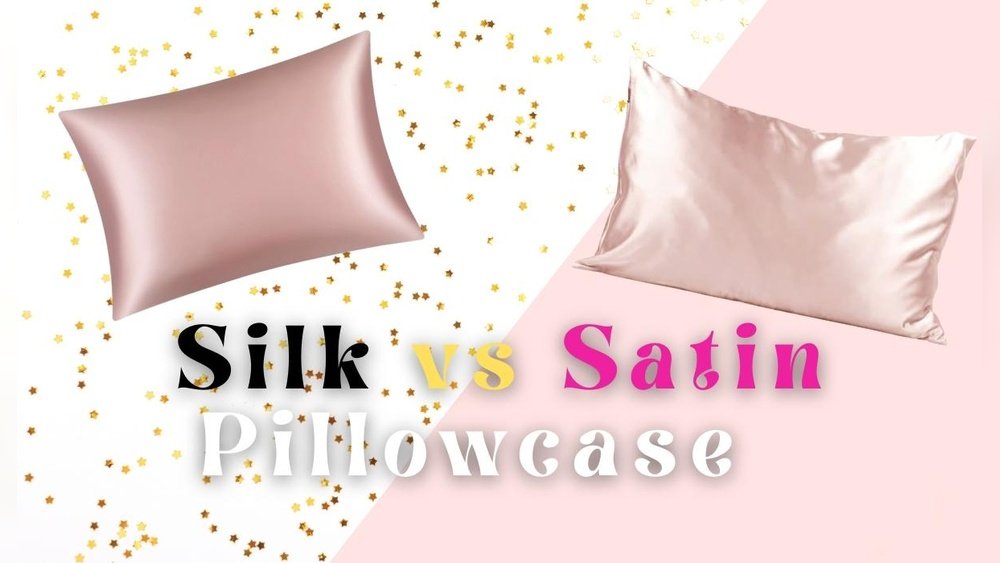
You’ve probably heard that switching to silk or satin can transform your hair health overnight. But which one is truly better for your hair?
If you’re tired of waking up with frizz, breakage, or dry strands, this choice matters more than you think. Both silk and satin claim to protect your hair, but they work in different ways—and knowing the right one for your hair type and lifestyle can make all the difference.
Keep reading to discover the surprising benefits and drawbacks of silk versus satin, so you can wake up to smoother, healthier hair every day.
Silk And Satin Basics
Silk and satin are popular choices for hair care. Both materials help reduce hair breakage and frizz. They create a smooth surface that protects hair strands. Understanding their basics helps decide which suits your hair best.
Each fabric has unique qualities that affect hair differently. Knowing their origins and texture differences clarifies their benefits and drawbacks.
Origins And Materials
Silk is a natural fiber made by silkworms. It is protein-based and breathable. This makes silk gentle and moisture-retaining for hair.
Satin is not a fiber but a type of weave. It is usually made from synthetic fibers like polyester or nylon. Satin mimics silk’s smooth feel but lacks natural breathability.
Weave And Texture Differences
Silk has a fine, smooth texture with a natural sheen. Its tight weave helps keep moisture close to hair. This reduces dryness and frizz.
Satin’s weave creates a glossy surface that feels slick and soft. It reduces friction but may trap heat and moisture. Satin is less delicate and easier to care for.

Credit: realsilkpillowcase.com
Hair Benefits Of Silk
Silk offers many benefits that help protect and improve hair health. It is a natural fabric that feels smooth and gentle. Using silk can reduce hair damage caused by friction and dryness. Many people notice shinier, softer hair after switching to silk products.
Silk pillowcases and hair wraps create a better environment for hair to stay healthy. They help maintain moisture and reduce breakage. Choosing silk supports hair growth and reduces frizz over time.
Moisture Retention And Breathability
Silk helps keep hair hydrated by reducing moisture loss. Unlike cotton, silk does not absorb natural oils from hair. This keeps hair soft and less prone to dryness. The breathable nature of silk allows air to flow freely, preventing scalp sweat and heat build-up.
Reduced Friction And Static
Silk’s smooth surface lowers friction between hair and fabric. This means less hair breakage and split ends. Silk also reduces static electricity, which causes flyaways and frizz. Sleeping on silk helps hair stay sleek and smooth without extra effort.
Best Hair Types For Silk
Silk suits many hair types, especially dry and curly hair. It is ideal for color-treated hair that needs extra care. People with fine or brittle hair also benefit from silk’s gentle touch. Hot sleepers find silk comfortable because it stays cool and breathable all night.
Hair Benefits Of Satin
Satin offers several hair benefits that make it a popular choice. Its smooth surface reduces friction between hair and fabric. This helps prevent breakage and split ends during sleep. Satin also helps maintain hair moisture, keeping strands soft and manageable.
Compared to cotton, satin causes less frizz and fewer tangles. It supports healthier hair by protecting natural oils. Satin is an affordable way to improve hair health without much effort.
Affordable Frizz Control
Satin is an affordable option for controlling frizz. It reduces hair rubbing against rough fabrics. This limits static electricity and flyaways. Using satin pillowcases or hair wraps can keep hair smooth. It works well for daily frizz reduction without high costs.
Durability And Style Options
Satin fabrics are durable and maintain their smooth texture. They resist tearing and hold up after washing. Satin also comes in many styles like bonnets, scarves, and pillowcases. These options allow you to protect hair while matching your style. Satin’s variety makes hair care easy and fashionable.
Best Hair Types For Satin
Satin suits many hair types, especially curly and wavy hair. It helps reduce frizz and tangles in textured hair. People with fine or straight hair also benefit by avoiding breakage. Satin works well for dry, brittle hair needing moisture retention. It is ideal for anyone seeking gentle hair protection on a budget.

Credit: www.betandmalfie.com
Drawbacks To Consider
Both silk and satin have benefits for hair health, but they come with some drawbacks. Considering these downsides helps you pick the right fabric for your hair needs. Understanding the cost, care, breathability, and heat retention of each material is important.
Silk’s Cost And Care
Silk is a natural fiber, making it more expensive than satin. High prices can limit how many silk hair products you buy. Silk also needs careful handling to last longer. Washing silk by hand with gentle detergent is best. Machine washing can damage the delicate fibers. Silk can tear or lose its shine if not cared for properly. These factors make silk less convenient for some people.
Satin’s Breathability And Heat Retention
Satin is usually made from synthetic fibers like polyester. These materials are less breathable than natural silk. Satin can trap heat and moisture close to the scalp. This may cause discomfort during warm nights. Heat retention in satin can increase sweating, which might affect hair health. People who sleep hot may not find satin as comfortable. Breathability is a key issue that satin users should consider.
Choosing Between Silk And Satin
Choosing between silk and satin for hair care depends on personal needs and preferences. Both materials help reduce hair breakage and frizz. Each has unique features that suit different lifestyles and hair types. Understanding these differences guides you to the best choice for your hair.
Lifestyle And Budget Factors
Silk is a natural fiber that feels smooth and breathable. It costs more and needs gentle washing. It lasts longer if cared for properly. Satin usually uses synthetic fibers like polyester. It costs less and is easier to clean. Satin offers many styles, such as lined caps and ties. Choose silk if you want a luxury feel and are ready to invest. Choose satin for a budget-friendly option with good frizz control.
Sleep Habits And Hair Needs
Silk’s breathability suits hot sleepers. It helps keep hair hydrated by reducing moisture loss. Silk works well for curly, dry, or color-treated hair. Satin traps more heat but still lowers friction. It suits cold sleepers or those who want durability. Both reduce static and hair breakage better than cotton. Match your sleep temperature and hair type to the right fabric for best results.
Additional Hair Protection Tips
Protecting your hair goes beyond choosing silk or satin. Extra care helps keep hair smooth and healthy. Small habits can stop breakage and reduce frizz. Use these tips to add more protection to your hair routine.
Hair Wraps And Bonnets
Hair wraps and bonnets shield hair from friction while sleeping. Silk wraps are soft and gentle on hair strands. They keep moisture in and prevent split ends. Bonnets made of satin offer similar benefits at lower cost. Both reduce hair breakage and preserve hairstyles. Choose a size that fits comfortably and stays on all night. For curly or dry hair, silk wraps work best. Satin bonnets suit those who want durability and style variety. Use these accessories every night for stronger, smoother hair.
Pillowcase Alternatives
Pillowcases made of cotton can cause hair dryness and tangles. Silk pillowcases reduce friction and keep hair shiny. Satin pillowcases provide a budget-friendly option with good results. These pillowcases help maintain hair moisture and reduce frizz. Switching to silk or satin pillowcases improves hair health over time. They also prevent morning bedhead and preserve hair styles. Using a smooth pillowcase works well with hair wraps or bonnets. This simple change protects hair without extra effort.

Credit: sino-silk.com
Frequently Asked Questions
Is It Better To Wrap Your Hair In Silk Or Satin?
Silk wraps offer superior hair protection due to natural, breathable fibers that retain moisture and reduce static. Satin wraps, usually synthetic, provide affordable frizz control but trap heat and moisture. Choose silk for ultimate hair health and breathability; opt for satin as a budget-friendly, effective alternative.
What Is Better To Sleep On, Satin Or Silk?
Silk is better to sleep on for breathability, moisture retention, and reducing hair frizz. Satin is a budget-friendly alternative with similar smoothness but less breathability. Choose silk for luxury and hair health; pick satin for affordability and general frizz control.
Which Is Better, Satin Or Silk?
Silk is better for hair due to its natural, breathable, and moisture-retaining properties. Satin offers a budget-friendly, synthetic alternative that reduces frizz but traps heat. Choose silk for ultimate hair health and satin for affordable frizz control and durability.
What Type Of Pillow Is Best For Hair?
Silk pillows best protect hair by reducing friction, retaining moisture, and preventing static. Satin offers similar benefits affordably but traps more heat. Choose silk for natural breathability and ultimate hair health; opt for satin for budget-friendly frizz control. Avoid cotton, which causes breakage.
Conclusion
Both silk and satin help reduce hair frizz and breakage. Silk offers natural breathability and better moisture retention. Satin provides a budget-friendly option with good friction control. Choose silk for dry, curly, or color-treated hair needing extra care. Pick satin if affordability and durability matter more.
Consider your hair type, sleep habits, and budget before deciding. Either fabric beats cotton for hair health. Small changes like these can improve hair softness and shine. Your hair deserves gentle care every night.
As an Amazon Associate, I earn from qualifying purchases.
Lovingshe is a participant in the Amazon Services LLC Associates Program which is an affiliate advertising program designed to provide a means for sites to earn advertising fees by advertising and linking to Amazon.com. Amazon may use cookies to track referrals from our site. Visit Amazon’s privacy policy for details
