


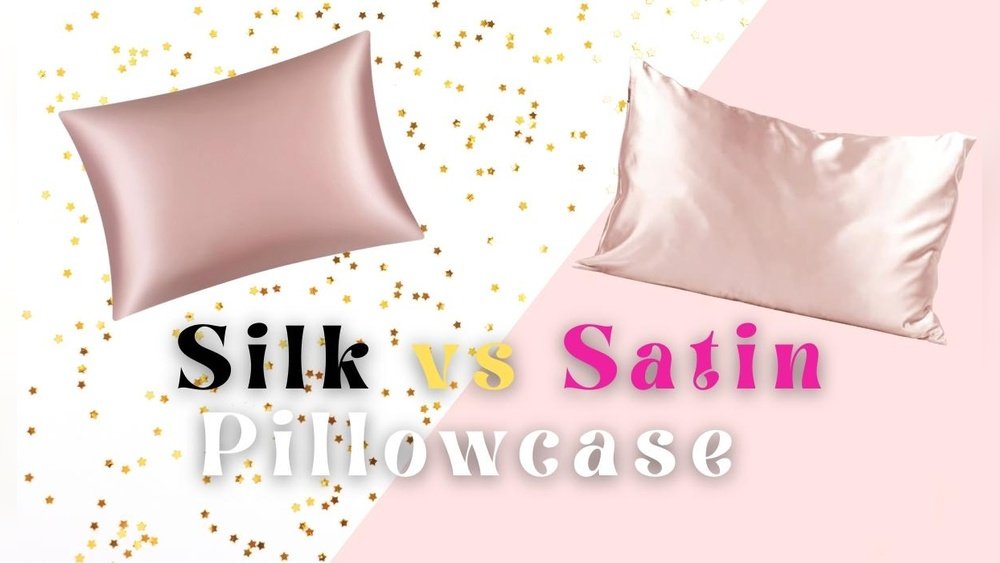
Are you tired of waking up with frizzy, tangled hair that feels dry and damaged? You’re not alone.
Many people struggle with hair breakage and rough strands caused by friction from rough pillowcases. But what if the secret to smoother, healthier hair was as simple as switching your pillowcase fabric? Satin has been gaining attention as a hair-friendly option that might just change your hair game.
But is satin really good for your hair, or is it just another beauty myth? Keep reading to discover how satin can protect your hair, reduce frizz, and help you wake up with softer, more manageable locks. Your hair deserves the best care, and this guide will help you decide if satin is the right choice for you.

Credit: www.betandmalfie.com
Satin And Hair Care
Satin plays an important role in hair care routines. Its smooth texture helps protect hair from damage during sleep or styling. Choosing satin products can improve hair health over time. Understanding how satin affects hair explains why it is popular for hair accessories and pillowcases.
Smooth Surface Effects
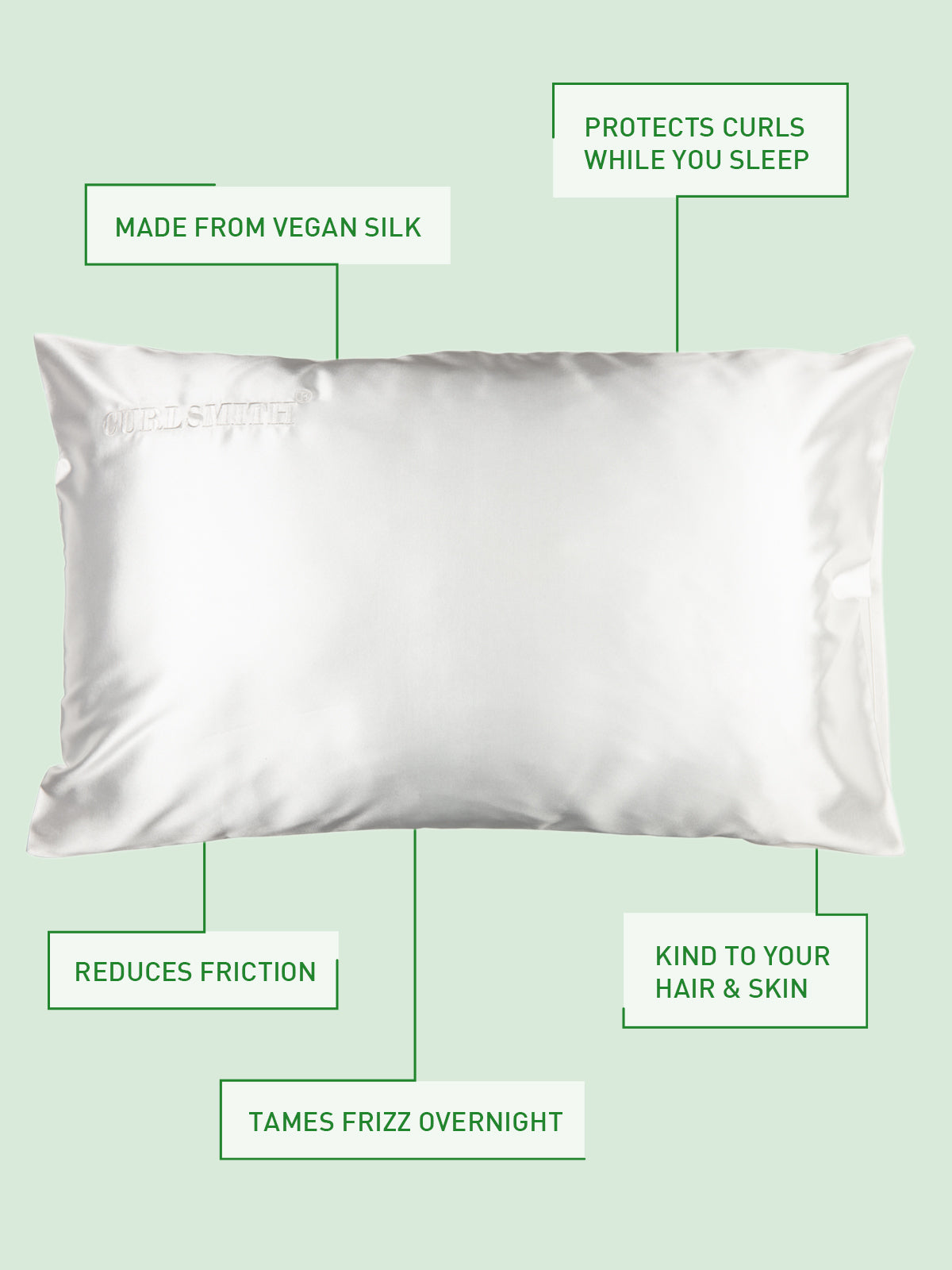
Satin has a very smooth surface that reduces friction. This means hair slides easily over satin without catching or breaking. Rough fabrics like cotton can cause hair strands to snag and split. Satin minimizes this damage by allowing hair to move freely. This smoothness helps maintain hair’s natural shine and softness.
Moisture Retention
Satin does not absorb moisture like cotton does. This quality helps keep hair’s natural oils and moisture locked in. Dry hair loses its strength and becomes brittle. Using satin pillowcases or wraps helps hair stay hydrated longer. Proper moisture retention leads to healthier and stronger hair over time.
Frizz And Tangle Reduction
Satin reduces frizz by preventing hair from rubbing against rough surfaces. This reduction in friction lowers static electricity that causes flyaways. Hair also tangles less on satin because it glides smoothly. Less tangling means less pulling and breakage during brushing. Satin supports hair that looks smooth and neat.
Credit: curlsmith.com
Satin Vs Silk
Choosing between satin and silk for hair care can feel confusing. Both fabrics help reduce hair damage by minimizing friction. They keep hair smooth and less tangled during sleep. Each offers unique qualities that affect hair and skin differently. Understanding these differences helps pick the best fabric for your needs.
Material Differences
Silk is a natural fiber made from silkworm cocoons. It feels soft and smooth. Satin is a type of weave, not a fiber. Satin can be made from polyester, nylon, or silk. Most satin products use synthetic fibers. This makes satin less natural but more affordable. Silk breathes better than satin, which can trap heat.
Hair And Skin Benefits
Silk naturally retains moisture and reduces hair breakage. It contains proteins that support hair health. Silk is gentle on sensitive skin and reduces irritation. Satin also reduces friction and frizz but lacks silk’s natural proteins. Satin is smooth but may cause sweating for some users. Both fabrics help keep hair hydrated compared to cotton.
Cost And Maintenance
Silk is more expensive and needs delicate washing, often by hand. It requires careful care to keep its softness and shine. Satin is cheaper and easier to clean. Most satin pillowcases can be machine washed without damage. Satin offers a practical choice for those on a budget or with busy schedules. Silk suits those willing to invest in luxury and care.
Advantages Of Satin
Satin offers many advantages that make it a popular choice for hair care. It provides a smooth surface that helps reduce friction. This minimizes hair breakage and frizz. Satin is also a practical option for daily use. Its benefits extend beyond just hair health, making it a smart addition to your routine.
Affordability
Satin products are generally affordable. They cost less than silk but still provide smooth texture. This makes satin accessible to many people. You can enjoy hair protection without spending too much. It offers good value for those on a budget.
Ease Of Care
Satin is easy to care for. Most satin items can be machine washed. They dry quickly and do not need special handling. This convenience saves time and effort. Satin keeps its smooth feel even after several washes.
Availability
Satin is widely available in many stores. You can find satin pillowcases, scarves, and hair wraps easily. Online shops also offer a large variety. This availability makes it simple to add satin to your hair care routine. You do not have to search hard to find satin products.
Credit: www.arloren.com
Limitations Of Satin
Satin offers many benefits for hair, but it has some limitations. Understanding these helps decide if satin fits your hair care routine. Some issues come from its material and structure.
Synthetic Nature
Most satin fabrics are made from synthetic fibers like polyester. These materials do not breathe as well as natural fibers. They may cause scalp irritation for sensitive skin. Synthetic satin lacks the natural proteins found in silk. These proteins help nourish and protect hair. Satin’s synthetic nature means it does not offer these extra hair benefits.
Breathability Issues
Satin tends to trap heat and moisture due to low breathability. This can make the scalp feel sweaty or itchy during sleep. Poor airflow may increase the risk of scalp problems like dandruff. People who sweat a lot at night may find satin less comfortable. Natural fibers allow better air circulation, reducing these issues.
Potential Discomfort
Satin can feel slippery or slick against the skin. This texture might cause discomfort for some users. It also may shift easily while sleeping, reducing its protective effects. The smooth surface can make it hard to keep hair in place. Some people prefer the feel of cotton or silk for comfort.
Choosing Between Satin And Silk
Choosing between satin and silk for hair care involves understanding their unique qualities. Both materials help reduce hair breakage and frizz by creating a smooth surface. Each has distinct benefits that suit different needs. This section breaks down key factors to help you decide which fabric fits your hair care routine best.
Hair Type Considerations
Satin and silk both reduce friction, protecting all hair types. Silk is a natural fiber that helps retain moisture. It is excellent for dry, curly, or fragile hair. Satin, often made from synthetic fibers, still smooths hair but lacks natural proteins. It works well for normal to oily hair. Choose silk for extra nourishment. Satin suits those wanting basic protection and shine.
Skin Sensitivity Factors
Silk is hypoallergenic and gentle on sensitive skin. It reduces irritation and keeps skin calm overnight. Satin may cause sweating because it is less breathable. People with sensitive or acne-prone skin might prefer silk to avoid breakouts. Satin is fine for normal skin but might not feel as soft. Consider your skin’s reaction when selecting your pillowcase or bonnet material.
Budget And Lifestyle
Satin is usually more affordable and easy to maintain. It can be machine washed and dries quickly. Silk is more expensive and requires gentle care, often hand washing. If you have a busy lifestyle, satin offers convenience. For those willing to invest time and money, silk provides long-term hair and skin benefits. Your choice depends on how much time and money you want to spend.
Satin Pillowcases For Hair Health
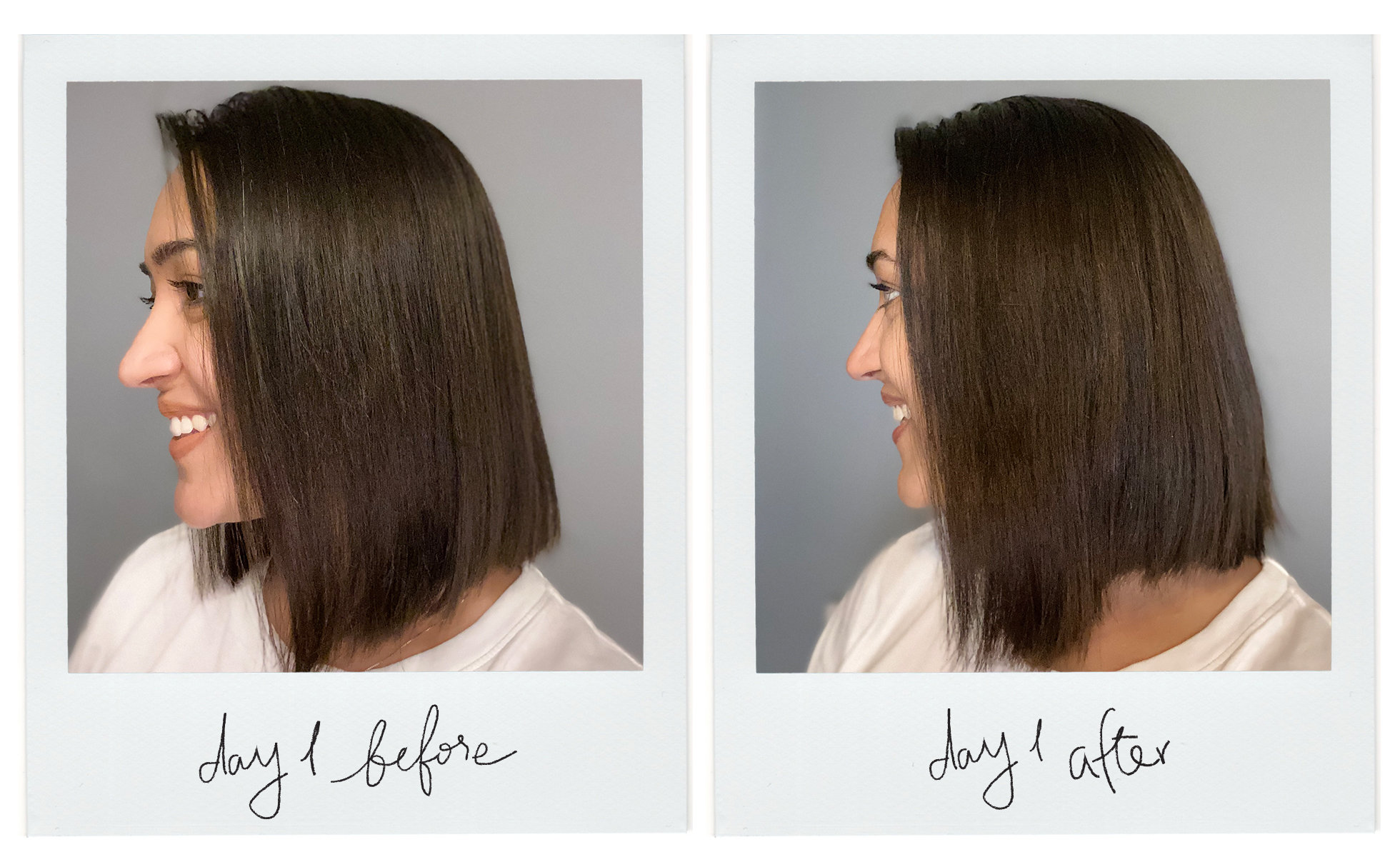
Satin pillowcases offer a gentle surface for your hair during sleep. Unlike cotton, satin reduces friction that causes hair damage. Many people notice smoother, healthier hair after switching to satin pillowcases. These pillowcases help maintain hair moisture and prevent tangling overnight. Using satin can support your hair’s natural shine and softness.
Reducing Hair Breakage
Satin pillowcases create less friction than cotton ones. This means hair strands slide smoothly without catching or pulling. Reduced friction lowers the risk of hair breakage while sleeping. Hair stays stronger and less prone to split ends. Over time, using satin can help keep hair longer and healthier.
Preventing Flyaways
Flyaways happen when hair strands lift and separate. Satin pillowcases help keep hair flat and smooth. The silky surface prevents hair from rubbing rough against fabric. This reduces static electricity that causes flyaways. Hair looks neater and feels softer after waking up.
Suitability For All Hair Types
Satin pillowcases work well for straight, curly, or wavy hair. They protect fragile hair textures and maintain moisture balance. People with dry or damaged hair see benefits from less friction. Even thick or coarse hair stays smoother with satin. This makes satin pillowcases a great choice for everyone.
Comparing Satin To Cotton
Choosing the right fabric for hair care affects hair health significantly. Satin and cotton are common choices for pillowcases and hair wraps. Both materials have different qualities that impact hair texture, damage, and protection. Understanding these differences helps make a better choice for hair care.
Texture And Friction
Satin has a smooth and sleek surface that feels gentle on hair strands. This smoothness reduces friction between hair and fabric. Cotton has a rougher texture that can catch hair strands and cause friction. More friction leads to hair breakage and split ends. Satin’s smooth texture helps hair glide over the surface, reducing tangles and frizz.
Hair Damage Potential
Cotton can pull and snag hair due to its coarse fibers. This pulling can weaken hair and cause damage over time. Satin’s silky surface minimizes pulling and prevents hair strands from breaking. Cotton absorbs moisture from hair, leaving it dry and brittle. Satin retains hair’s natural oils, keeping hair moisturized and healthy. Satin lowers the risk of hair damage compared to cotton.
Overall Hair Protection
Satin offers better protection for hair during sleep or daily wear. It prevents hair from drying out and reduces friction damage. Cotton absorbs moisture and can dry out hair faster. Satin helps maintain hairstyles longer and reduces the need for frequent styling. It supports healthier hair growth by keeping hair smooth and less tangled. Cotton provides less protection and can lead to rough, damaged hair.
Frequently Asked Questions
What Is Better For Your Hair, Satin Or Silk?
Silk is better for hair due to its natural fibers, moisture retention, and skin benefits. Satin is a budget-friendly, synthetic alternative that still reduces frizz. Both protect hair better than cotton, but silk offers superior nourishment and softness. Choose based on your hair needs and budget.
What Are The Disadvantages Of Satin Silk?
Satin silk can feel heavy and trap heat, causing discomfort. Its glossy surface may snag on jewelry or textured items. It lacks breathability and natural fibers, offering fewer skin and hair benefits compared to pure silk. Care and durability vary depending on the blend.
Is Sleeping On Satin Good For Hair?
Sleeping on satin reduces hair friction, preventing breakage and frizz. It keeps hair smooth and retains moisture better than cotton. Satin is affordable and easy to maintain but less breathable than silk. Overall, satin benefits hair health by minimizing damage during sleep.
Which Silk Is The Best For Hair?
Mulberry silk ranks best for hair due to its natural proteins and moisture retention. It reduces frizz and prevents breakage. Silk feels cool, suits sensitive skin, and promotes healthier hair compared to synthetic satin. Choose silk for luxury, nourishment, and optimal hair protection.
Conclusion
Satin helps protect hair by reducing friction and frizz. It keeps hair smoother compared to cotton pillowcases. While not natural like silk, satin still offers good care at a lower cost. It is easy to wash and widely available. Choosing satin can improve hair health without much effort.
For many, satin balances quality and affordability well. Try satin pillowcases to see the difference for your hair. Small changes like this can lead to healthier, shinier hair over time. Satin is a simple step to better hair care.
As an Amazon Associate, I earn from qualifying purchases.
Lovingshe is a participant in the Amazon Services LLC Associates Program which is an affiliate advertising program designed to provide a means for sites to earn advertising fees by advertising and linking to Amazon.com. Amazon may use cookies to track referrals from our site. Visit Amazon’s privacy policy for details
