


Have you ever wondered why red hair feels so rare and special? Maybe you know someone with fiery locks, or perhaps you’re curious if your own family could surprise you with a redheaded child someday.
The secret lies deep within your genes, and understanding whether red hair is a recessive gene can unlock fascinating insights about your own DNA. You’ll discover how red hair is passed down, why it can skip generations, and what it means if neither of your parents have red hair but you do.
Keep reading to uncover the surprising science behind red hair and why it continues to captivate so many.
Credit: www.xcode.life
Red Hair Gene Basics
Red hair is a unique trait caused by specific genes. Understanding these genes helps explain why red hair appears in some families but not others. This section covers the basic genetics behind red hair.
Red hair is less common worldwide. It is linked to a gene that works differently from most hair color genes. Learning about this gene shows why red hair can skip generations.
Mc1r Gene Role
The MC1R gene controls the type of pigment in hair. This gene decides if hair will be red or another color. When MC1R changes, it produces a pigment called pheomelanin. Pheomelanin gives hair a red or orange color.
Different versions of the MC1R gene exist. Some versions cause red hair. Others cause brown or black hair. The presence of certain MC1R versions is key to having red hair.
Recessive Trait Explained
Red hair is a recessive trait. This means a person needs two copies of the red hair gene to have red hair. One copy from each parent is necessary. If a person has only one copy, red hair usually does not appear.
Parents without red hair can carry one copy of the red hair gene. These parents are called carriers. Carriers do not show red hair but can pass the gene to their children. This explains why red hair can suddenly appear in a family.
Dominant Vs Recessive Alleles
Genes come in pairs called alleles. Each parent gives one allele to their child. Dominant alleles show their trait even if only one copy is present. Recessive alleles need two copies to show their trait.
For hair color, brown or black hair alleles are usually dominant. The red hair allele is recessive. A child with one dominant and one recessive allele will have non-red hair but carry the red hair gene.
This genetic pattern explains why red hair can be rare and appear unexpectedly in families.
Credit: www.reddit.com
How Red Hair Inheritance Works
Red hair inheritance follows specific genetic rules. The red hair trait depends on particular gene versions passed from parents to children. Understanding how these genes work helps explain why red hair appears sometimes and not others.
Carrier Parents And Gene Passing
Red hair is caused by a recessive gene. This means a person needs two copies of the red hair gene to have red hair. Parents without red hair can still carry one copy of this gene. These parents are called carriers.
Carriers usually have dark hair but can pass the red hair gene to their children. If both parents pass the red hair gene, the child will have red hair. If only one parent passes it, the child will be a carrier like the parents.
Red Hair Skipping Generations
Red hair often skips generations. This happens when carriers pass the gene without showing red hair themselves. The gene hides in the family until two carriers have a child with two copies of the red hair gene.
This explains why red hair can appear unexpectedly in a family where no one else has red hair. The gene stays in the family but only shows up sometimes.
Gene Combinations And Outcomes
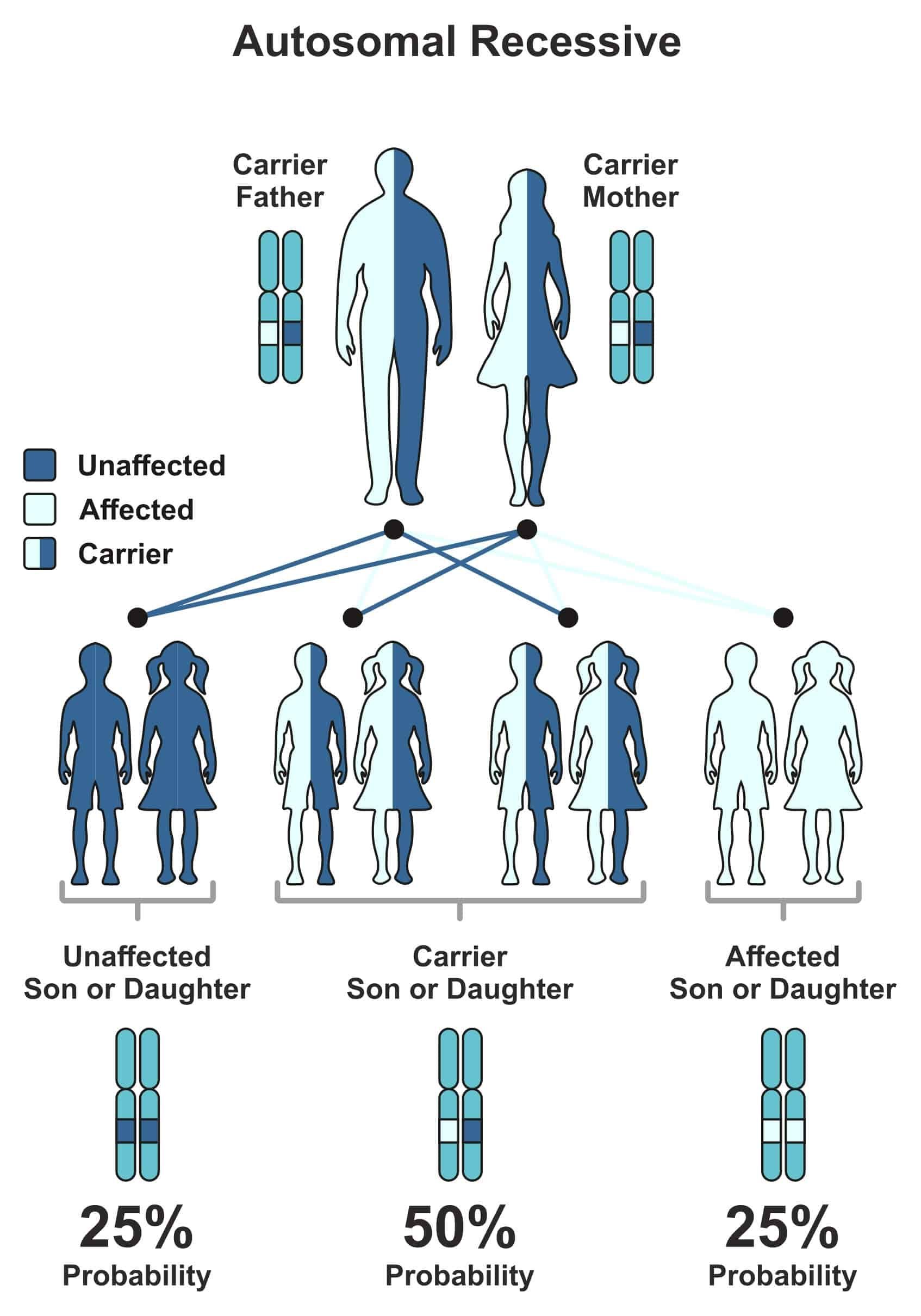
Genes come in pairs. For hair color, one gene comes from each parent. Using letters, R means the dominant dark hair gene. r means the recessive red hair gene.
- RR – Child has dark hair
- Rr – Child has dark hair but carries the red hair gene
- rr – Child has red hair
Two carriers (Rr) have a 25% chance to have a red-haired child (rr). This simple gene combination explains many hair color outcomes in families.
Red Hair From Non-red Haired Parents
Red hair can appear unexpectedly in children born to parents without red hair. This happens due to the hidden nature of the red hair gene. Understanding how this gene works helps explain these surprising cases.
Many people carry the red hair gene without showing red hair themselves. This silent presence allows red hair to skip generations and suddenly appear.
Carrying The Hidden Gene
Red hair comes from a recessive gene. Each person has two copies of this gene, one from each parent. If a person has only one copy, they will not have red hair but can carry the gene. These people are called carriers. Carriers can pass the gene to their children even if they do not show red hair themselves.
Genetic Surprises In Hair Color
Parents with dark or blonde hair may both carry one copy of the red hair gene. If both parents pass this gene to their child, the child will have red hair. This explains why red hair can appear suddenly in a family. The gene stays hidden until two copies meet in one person.
Probability Of Red Hair Appearance
Each child of two carriers has a 25% chance of having red hair. There is a 50% chance the child will be a carrier like the parents. The other 25% will not carry the gene at all. The odds depend on both parents carrying the red hair gene.
When Two Redheads Have Children
Two redheads usually have children with red hair. This happens because red hair comes from a recessive gene. Both parents must pass the gene for the child to have red hair. The chance of a red-haired child is very high in this case.
Red hair is rare in the world. Its gene is less common than others. When both parents carry this gene, it is very likely to show in their children.
Expected Genetic Outcomes
Both parents have two copies of the red hair gene. Their children almost always inherit red hair. The gene is recessive, so it needs two copies to appear. This means children will have red hair or carry the gene.
There is a small chance a child may not have red hair. This happens if a gene changes or mutates. But most children will have red hair or be carriers.
Variations In Red Hair Shades
Red hair comes in many shades. It can be bright orange, deep auburn, or light strawberry blonde. The shade depends on other genes and how they mix. Even children of two redheads can have different red shades.
These differences make red hair unique. The mix of genes creates many beautiful colors. Children may have lighter or darker red hair than their parents.
Rare Hair Color Possibilities
Sometimes, children of two redheads have rare hair colors. This can include blond, brown, or even black hair. These colors come from other genes mixing with the red hair gene. It is rare but possible.
Genetic changes or mutations can also create unexpected colors. These cases are unusual but show how diverse hair color can be. Red hair genes do not always guarantee red hair.
Complexities Beyond Simple Genetics
Red hair genetics involve more than a single gene or simple dominant-recessive rules. Many genes contribute to hair color, creating a complex genetic picture. This complexity means predicting red hair is not always straightforward.
Understanding these complexities helps explain why red hair can skip generations or appear unexpectedly. The interactions between different genes and their variations influence hair color in many ways.
Multiple Genes Influencing Hair Color
Several genes affect hair color, not just one. The MC1R gene is well-known for red hair, but other genes impact shades and tones. These genes work together to create a range of hair colors.
Each gene can add or reduce pigment production. This mix of genetic inputs makes hair color a trait influenced by many factors, not a simple single-gene trait.
Strong Vs Weak Alleles
Alleles are gene versions, and they can be strong or weak in their effect. A strong allele strongly influences hair color, while a weak allele has a smaller effect.
For red hair, the recessive MC1R allele must be present in two copies to show red hair fully. But weak alleles can cause subtle color changes or mixed shades.
Gene Interactions And Expression
Gene expression means how active a gene is in the body. Interactions between genes affect this activity. Some genes may suppress or enhance others’ effects on hair color.
Environmental factors and gene regulation also play roles. These interactions explain the variety and unpredictability in red hair expression among people.
Health And Red Hair
Red hair is more than just a striking hair color. It links closely to unique health traits and risks. People with red hair often have distinct skin and health characteristics. Understanding these can help manage well-being better.
Skin Sensitivity And Risks
Redheads usually have fair skin that burns easily in the sun. Their skin has less melanin, the pigment that protects against UV rays. This makes them more prone to sunburn and skin damage.
Because of this, redheads have a higher risk of developing skin cancer. Melanoma, a serious skin cancer, is more common among people with red hair. Using strong sun protection is essential for them.
Other Health Considerations
Red hair also links to differences in pain sensitivity. Studies show redheads may feel pain more intensely. They might require different doses of anesthesia during medical procedures.
Some research suggests redheads may have a higher risk of certain conditions. These include Parkinson’s disease and endometriosis. Awareness of these risks helps in early diagnosis and care.
Common Myths About Red Hair Genes
Red hair often sparks curiosity and myths about its genetic roots. Many people misunderstand how red hair genes work. These myths can confuse people about whether red hair is dominant or recessive. Let’s clear up some common misunderstandings and explain the truth about red hair genetics.
Misconceptions On Dominance
Many believe red hair is a dominant gene. This is not true. Red hair comes from a recessive gene. This means a person must inherit two copies of the red hair gene to have red hair. One copy is not enough. People with one red hair gene and one non-red hair gene usually do not have red hair. They are called carriers and can pass the gene to their children.
Because red hair is recessive, it can skip generations. Some families may have redheads after many members without red hair. This can cause confusion about whether the gene is dominant or not.
Gene Persistence In Populations
Red hair is rare but does not disappear. The gene stays in populations because many people carry one copy. Carriers do not show red hair but pass the gene to offspring. If two carriers have children, there is a chance the child will have red hair.
This gene can persist in certain populations more than others. For example, red hair is more common in people of Northern European descent. This is due to genetic history and gene frequency in those populations.

Credit: www.youtube.com
Frequently Asked Questions
Is The Gene For Red Hair Dominant Or Recessive?
The gene for red hair is recessive. A person needs two copies of this gene to have red hair. Carriers with one copy do not show red hair but can pass the gene to offspring.
Can A Baby Have Red Hair If Parents Don’t?
Yes, a baby can have red hair if neither parent shows it. Both parents may carry the recessive red hair gene. When a child inherits two copies of this gene, red hair appears, even if parents have darker hair.
Will Two Redheads Have A Redheaded Baby?
Two redheads usually have a redheaded baby because red hair requires two recessive MC1R gene copies. Rare exceptions may occur.
What Illnesses Are Redheads More Prone To?
Redheads face higher risks of melanoma, Parkinson’s disease, and endometriosis. They also experience increased pain sensitivity and anesthesia challenges.
Conclusion
Red hair comes from a recessive gene called MC1R. You need two copies of this gene to have red hair. Parents without red hair can still carry this gene and pass it on. This explains why red hair can skip generations.
It is rare but does not disappear. Understanding this gene helps explain family hair color patterns. Genetics can be surprising but also fascinating. Red hair remains a unique and special trait in many families.
As an Amazon Associate, I earn from qualifying purchases.
Lovingshe is a participant in the Amazon Services LLC Associates Program which is an affiliate advertising program designed to provide a means for sites to earn advertising fees by advertising and linking to Amazon.com. Amazon may use cookies to track referrals from our site. Visit Amazon’s privacy policy for details
