



Is pomade bad for your hair? If you’ve ever paused before applying that shiny, thick styling product, you’re not alone.
You want your hair to look great, but you also want it to stay healthy. The truth is, pomade itself isn’t the enemy. It can actually add moisture and shine, making your hair look fuller and well-groomed. However, if you use it the wrong way or pick a formula loaded with harsh chemicals, your hair might start to show signs of damage like buildup, dryness, or even breakage.
So, how do you enjoy the benefits without the risks? Keep reading to discover when pomade can harm your hair and the simple steps you can take to keep your locks looking their best.

Credit: www.laifentech.com
Pomade And Hair Health
Pomade affects hair health in different ways. It depends on the type and how you use it. Some pomades nourish hair, while others may cause problems. Understanding what is inside pomade helps protect your hair. Comparing pomade to other styling products shows its benefits and risks. Knowing common hair damagers helps you avoid damage.
Pomade Composition
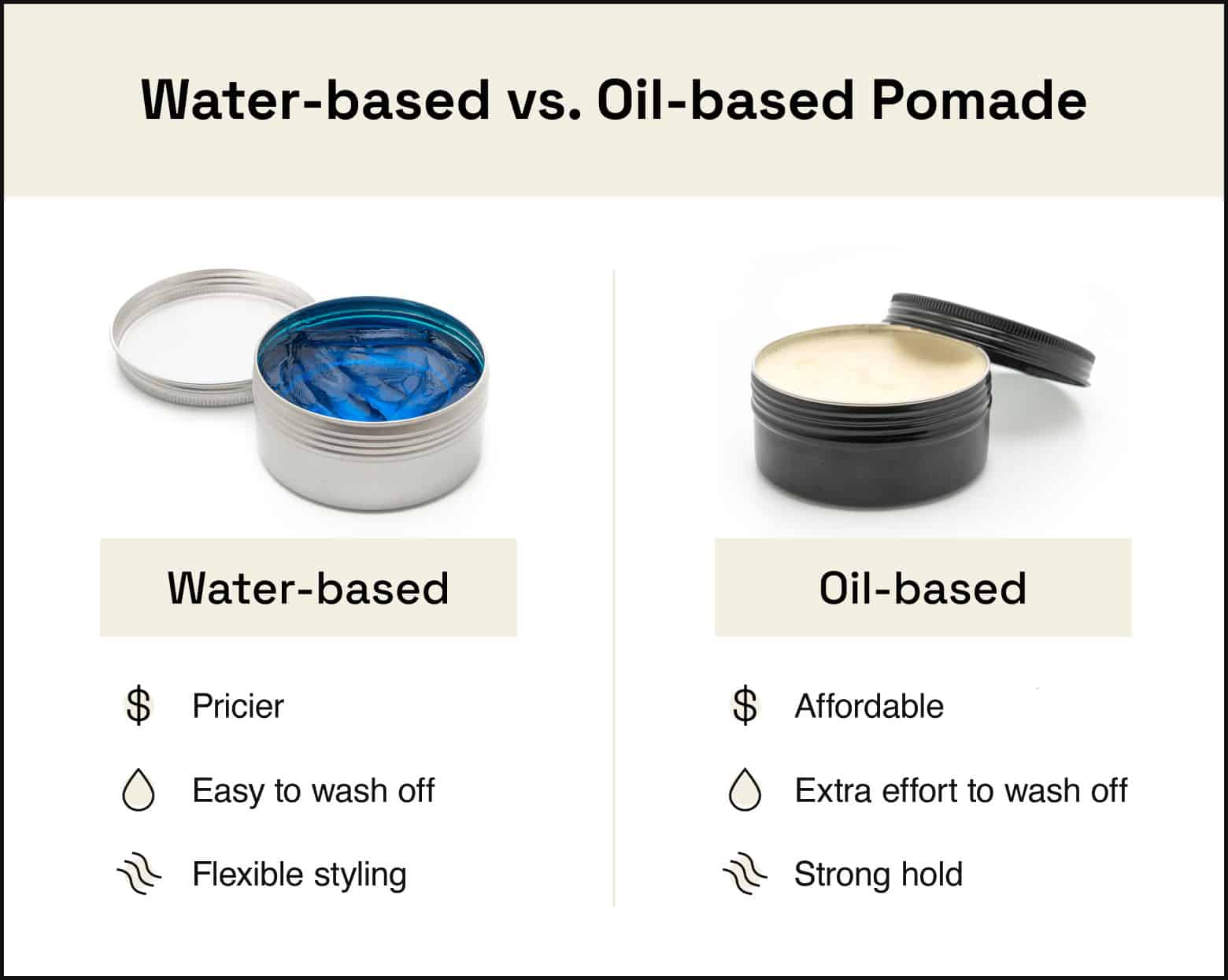
Pomades usually contain oils, waxes, and sometimes water. Oil-based pomades keep hair shiny but can be hard to wash out. Water-based pomades are easier to remove and less likely to cause buildup. Some pomades include ingredients like parabens or fragrances that may irritate the scalp. Natural oils in pomades can add moisture and reduce dryness. Choosing pomade with gentle ingredients supports healthier hair.
Pomade Vs Gel
Pomade gives a shiny, flexible hold without stiffness. Gel often dries hard and can flake off. Pomade is less likely to dry out hair than gel. Gel may contain alcohol, which can cause dryness and breakage. Pomade’s creamy texture helps keep hair soft and manageable. For sensitive scalps, pomade is usually gentler than gel.
Common Hair Damagers
Heat styling tools can weaken hair strands. Chemical treatments like dyes and relaxers cause damage. Tight hairstyles pull on hair roots, leading to breakage. Harsh shampoos strip natural oils, making hair dry. Environmental factors like sun and wind also harm hair. Using heavy products without washing can cause buildup and scalp issues.
Credit: www.styleseat.com
When Pomade Causes Issues
Pomade can cause hair problems if not used properly or if the product has harmful ingredients. Some users experience scalp irritation, dryness, or hair that feels heavy and greasy. These issues often come from buildup, harsh chemicals, or rough styling habits. Understanding these causes helps protect your hair while styling with pomade.
Product Buildup Effects
Pomades, especially oil-based ones, can leave residue on hair and scalp. This buildup blocks hair follicles and traps dirt. It makes hair look dull and greasy. Over time, buildup can cause scalp itchiness and flaking. Washing hair regularly with a good cleanser helps prevent buildup. Using water-based pomades also reduces this problem.
Harsh Ingredients To Avoid
Some pomades contain chemicals that harm hair and scalp. Ingredients like parabens, phthalates, and synthetic dyes can cause irritation. They may dry out hair or disrupt scalp health. Choosing pomades with natural oils and fewer chemicals is safer. Always check labels for harsh substances before buying. Gentle formulas keep hair strong and healthy.
Damage From Rough Styling
Using pomade with harsh combing or pulling can break hair strands. Rough styling weakens hair and causes split ends. Applying too much pomade also makes hair stiff and prone to damage. Use small amounts and style gently with fingers or a wide-tooth comb. Soft handling helps maintain hair’s natural strength and shine.
Safe Pomade Use Tips
Using pomade safely keeps your hair healthy and strong. Many problems come from poor choices and wrong habits. Follow simple tips to enjoy stylish hair without damage. These tips make pomade use safe and effective for daily styling.
Choosing The Right Pomade
Pick pomades with natural or water-based ingredients. These types wash out easily and reduce buildup. Avoid heavy oil-based pomades if you have oily scalp or sensitive skin. Look for labels that mention moisturizing and nourishing benefits. A good pomade supports hair health while styling.
Proper Washing Techniques
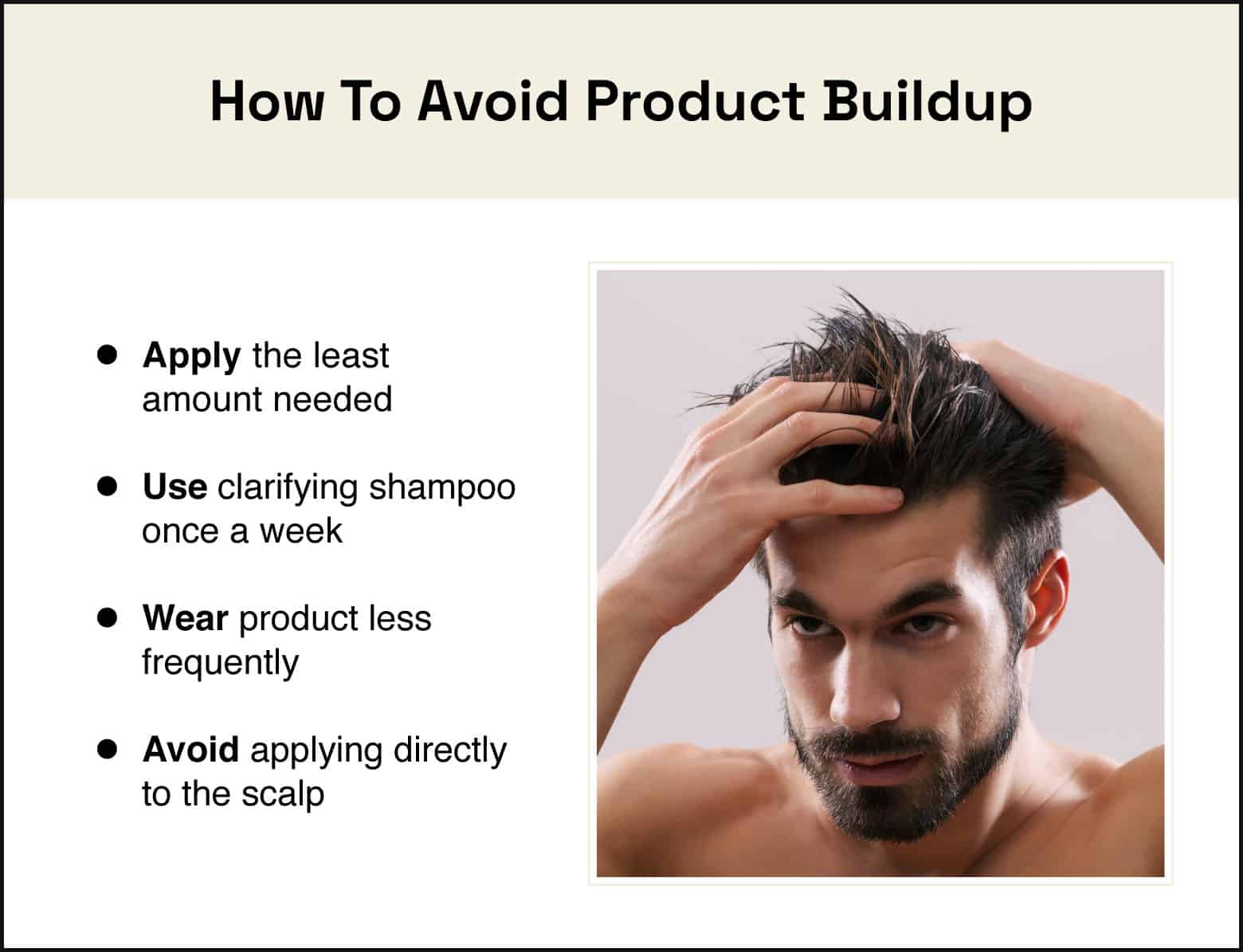
Wash your hair regularly to remove pomade residue. Use gentle shampoo that suits your hair type. Focus on the scalp to clear pores and prevent buildup. Rinse thoroughly with warm water to remove all product. Avoid harsh shampoos that strip natural oils and dry hair.
Applying Small Amounts
Use only a small amount of pomade for each application. Too much product can weigh hair down and clog pores. Start with a pea-sized amount and add more if needed. Spread pomade evenly through damp or dry hair. Light application keeps hair fresh and prevents greasiness.
Checking Ingredient Labels
Read labels carefully before buying pomades. Avoid products with parabens, phthalates, and artificial dyes. These chemicals can irritate scalp and cause hair damage. Choose pomades with natural oils, beeswax, or plant extracts. Clear labels help you pick safer, healthier options for your hair.
Credit: www.styleseat.com
Signs Of Pomade Buildup
Pomade buildup happens when product layers accumulate on your hair and scalp. Over time, this buildup affects hair health and appearance. Recognizing the signs early helps avoid damage and discomfort.
Hair Texture Changes
Your hair may feel heavy and greasy instead of light and clean. Texture often becomes sticky or waxy. Hair loses its natural bounce and looks dull. Styling becomes harder because the product weighs hair down. These changes mean pomade residue is trapped in your strands.
Scalp Symptoms
The scalp might feel itchy or irritated. Redness or small bumps can appear from clogged pores. A flaky or oily scalp shows signs of buildup. These symptoms happen when pomade blocks hair follicles. Scalp health declines, increasing the risk of dandruff or infection.
Drying Difficulties
Hair takes much longer to dry after washing. Water repels from the oily pomade layers. Blow-drying becomes less effective and can overheat hair. Even natural drying feels slow and uncomfortable. This happens because buildup prevents moisture from evaporating properly.
Frequently Asked Questions
Is Pomade Healthier Than Gel?
Pomade is generally healthier than gel because it contains nourishing oils and waxes. It moisturizes hair and reduces dryness. Gel often contains alcohol, which can dry and damage hair. Choose water-based pomades for easier washing and less buildup. Proper use prevents scalp irritation and hair breakage.
What’s The Most Damaging Thing For Hair?
The most damaging thing for hair is frequent heat styling, harsh chemical treatments, and tight hairstyles causing tension. Environmental exposure also harms hair health.
How To Use Pomade Without Damaging Hair?
Start with clean, damp hair. Use a small amount of water-based or natural pomade. Warm it in your hands, apply evenly, and style gently. Wash thoroughly to prevent buildup and scalp irritation. Avoid harsh ingredients and aggressive styling to protect hair health.
What Are Signs Of Pomade Buildup?
Signs of pomade buildup include greasy, flat hair, a waxy or slick feeling when wet, and slow drying time. You may also notice scalp irritation or flakiness.
Conclusion
Pomade can be safe if used correctly and washed out well. Choose water-based or natural pomades to avoid buildup and irritation. Use small amounts and apply gently to protect hair health. Avoid harsh ingredients that can cause dryness or scalp issues.
Regular cleaning keeps hair fresh and prevents clogged pores. Remember, pomade itself is not bad; how you use it matters most. Taking simple care steps helps maintain strong, healthy hair while enjoying your style.
As an Amazon Associate, I earn from qualifying purchases.
Lovingshe is a participant in the Amazon Services LLC Associates Program which is an affiliate advertising program designed to provide a means for sites to earn advertising fees by advertising and linking to Amazon.com. Amazon may use cookies to track referrals from our site. Visit Amazon’s privacy policy for details
