


Thinking about laser hair removal but unsure if it’s really worth it for you? You’re not alone.
The idea of smooth, hair-free skin without the hassle of shaving or waxing sounds amazing. But before you book that appointment, it’s important to understand what laser hair removal can—and can’t—do for your unique skin and hair type. This treatment promises convenience and long-lasting results, but it also comes with some risks, costs, and the need for multiple sessions.
You’ll get clear, straightforward answers about the benefits, downsides, and what to watch out for. By the end, you’ll know exactly if laser hair removal is the right choice to save you time and frustration—or if it’s better to look for other options. Keep reading to find out!
Credit: celibre.com
How Laser Hair Removal Works
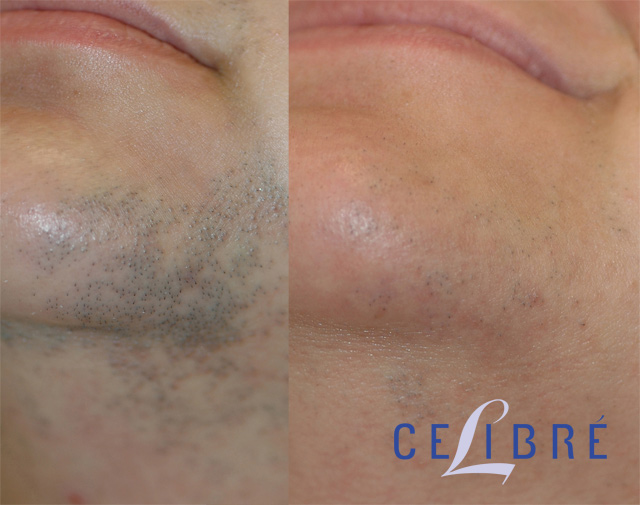
Laser hair removal uses focused light to reduce unwanted hair. The laser targets pigment in hair follicles. This energy damages the follicle and slows hair growth.
The process works best on dark hair and light skin. The laser light is absorbed by the melanin in the hair. This heats the hair and follicle, preventing new hair growth.
How The Laser Targets Hair Follicles
The laser emits a specific wavelength of light. This light passes through the skin safely. Hair follicles absorb the light because of their pigment.
Absorbing the light turns it into heat. The heat damages the follicle without harming nearby skin. This damage stops or delays hair growth.
The Role Of Hair Growth Cycles
Hair grows in cycles: active, resting, and shedding phases. Laser treatment is effective only during the active phase. Multiple sessions are needed to catch all hairs in this phase.
This explains why several treatments are necessary. Each session targets hairs in the active growth phase. Over time, hair growth becomes thinner and slower.
Why Multiple Sessions Are Needed
Not all hairs grow at the same time. Some hairs are in resting or shedding phases during treatment. These hairs escape damage and regrow later.
Repeated sessions ensure more follicles are treated. This leads to longer-lasting hair reduction. Patience is key to seeing good results.
Common Side Effects
Laser hair removal offers a long-term solution to unwanted hair. Yet, some side effects can occur after treatment. These effects are usually temporary but important to know. Understanding common side effects helps you prepare for the process. Here are the typical skin reactions seen after laser hair removal.
Skin Irritation And Redness
Skin irritation is the most common side effect. It appears as redness and swelling around treated areas. The feeling is similar to a mild sunburn. This irritation usually fades within a few hours or days. Cooling gels or aloe vera can help reduce discomfort.
Dryness And Peeling
Dry skin often follows laser hair removal sessions. The skin may feel tight and flaky. This happens because the laser affects skin moisture. Applying a gentle moisturizer daily can ease dryness. Avoid harsh soaps or scrubbing to prevent peeling.
Mild Burns And Blisters
Mild burns or blisters can occur, especially with strong laser settings. These are rare but need careful attention. Blisters should be kept clean and dry to avoid infection. Choosing a skilled technician lowers the risk of burns.
Factors Impacting Results
Several factors influence the success of laser hair removal. Understanding these can help set realistic expectations. Results vary from person to person due to unique hair and skin characteristics. Knowing these factors ensures a better experience and outcome.
Hair Color Influence
Laser hair removal targets pigment in hair follicles. Dark hair absorbs laser energy better, leading to more effective treatment. Light-colored hair, like blonde or gray, reflects the laser, reducing results. People with lighter hair may need more sessions or alternative methods.
Skin Tone Considerations
The laser works by targeting color contrast between hair and skin. Darker skin tones have more pigment, which can absorb laser energy and cause side effects. Specialists adjust settings to reduce risks like burns or discoloration. Fair to medium skin tones often see the best results.
Patchy Hair Regrowth
Not all hair grows at the same time. Laser treatment affects hairs in the active growth phase only. This can cause uneven or patchy regrowth after sessions. Multiple treatments are necessary to catch all hairs during their growth cycles. Patience is key for smooth, lasting results.

Credit: www.youtube.com
Serious But Rare Risks
Laser hair removal is generally safe for most people. Still, it carries some serious but rare risks. These risks can affect your skin’s appearance and health. Understanding them helps you make a smart choice.
Scarring Possibilities
Scarring from laser hair removal is uncommon. It usually happens when the skin suffers burns. Burns may occur if the laser settings are too strong or the technician is inexperienced. Scars may be permanent and change the skin texture. Proper care and choosing a skilled provider reduce this risk.
Folliculitis Inflammation
Folliculitis is inflammation of hair follicles after treatment. It looks like small red bumps or pimples. This condition may be itchy or tender. It occurs when bacteria infect the follicles or from irritation. Folliculitis often heals with mild treatment and good hygiene. Severe cases need medical attention but are rare.
Permanent Skin Color Changes
Laser hair removal can cause lasting skin color changes. These changes are either darker spots (hyperpigmentation) or lighter spots (hypopigmentation). Darker skin tones have a higher chance of this side effect. Sun exposure after treatment may worsen color changes. Avoiding sun and following aftercare advice helps prevent this issue.
Practical Drawbacks
Laser hair removal offers a lasting solution for unwanted hair. Yet, it has some practical drawbacks. These can affect your decision and experience. Understanding them helps set realistic expectations.
Cost And Affordability
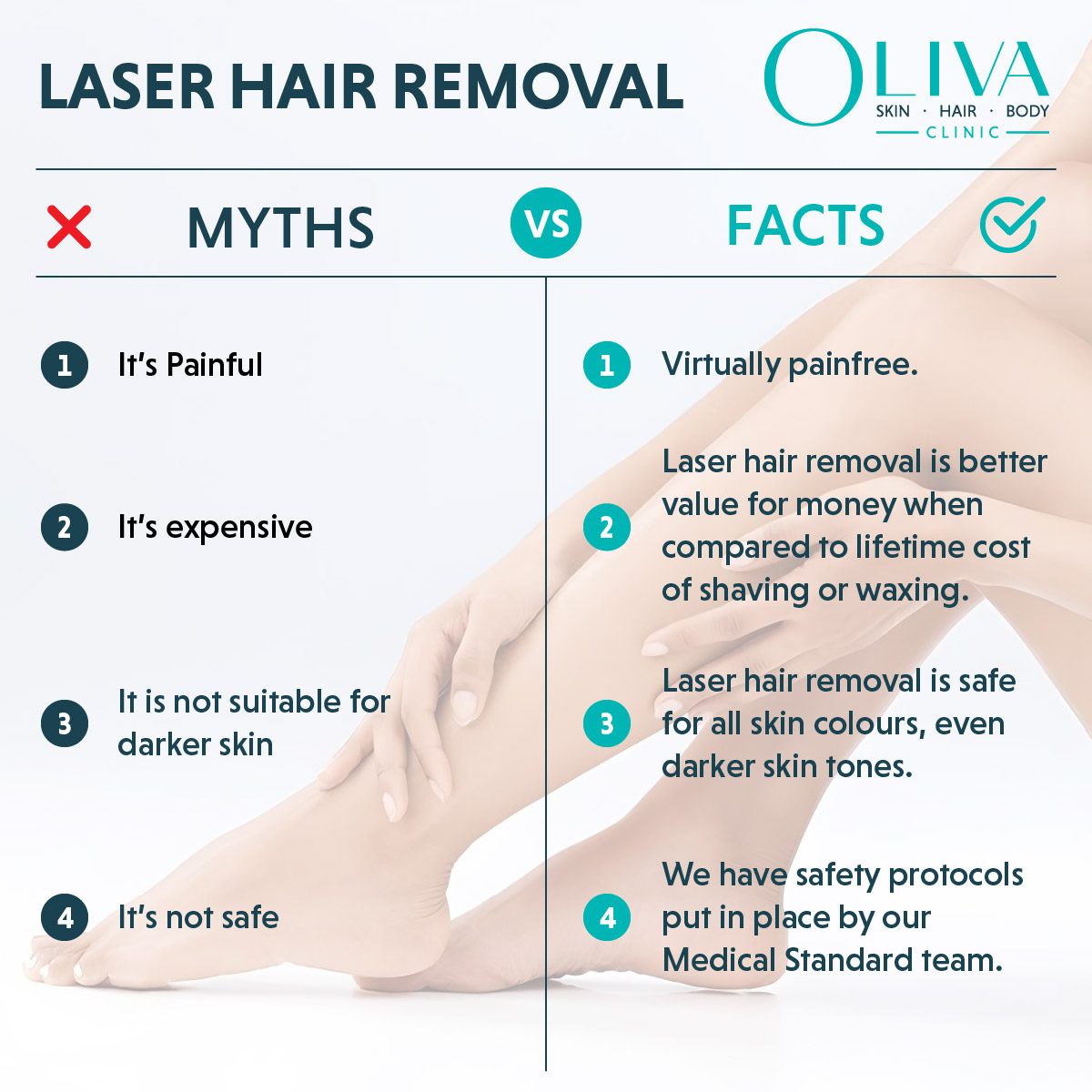
Laser hair removal is costly compared to other methods. Each session can range from $150 to $500. Multiple sessions increase the total expense. Not everyone can afford the upfront cost. Some clinics offer payment plans, but the price remains high. This can deter many from trying the treatment.
Need For Multiple Sessions
One session is not enough to remove all hair. Hair grows in cycles, so several treatments are required. Most people need 6 to 8 sessions for best results. Sessions are spaced weeks apart, stretching the timeline. Patience is necessary to see permanent changes. Skipping sessions reduces effectiveness and may cause patchy results.
Sun Exposure Restrictions
Sun exposure before and after treatment can cause skin problems. The skin becomes sensitive and prone to burns. Avoid direct sunlight and tanning beds for at least two weeks. Use strong sunscreen on treated areas daily. These restrictions can disrupt outdoor plans. People in sunny climates find this especially challenging.
Credit: www.olivaclinic.com
Choosing The Right Technician
Choosing the right technician is a key step in laser hair removal success. The skill and experience of the person performing the treatment affect safety and results. A qualified technician reduces the chance of side effects like burns or skin discoloration.
Finding someone who understands different skin types and hair colors is important. Each treatment should be customized for your unique needs. The right technician knows how to adjust settings to avoid risks.
Check Credentials And Training
Always verify the technician’s certifications. Proper training in laser hair removal is essential. Look for licenses or certificates from recognized bodies. This shows they know how to handle the equipment safely.
Ask about their experience with your skin type. The more sessions they have done on similar clients, the better.
Read Reviews And Ask For References
Reviews from past clients reveal the technician’s reliability and skill. Positive feedback shows consistent good results and safe practice. Don’t hesitate to ask the technician for references.
Talking to previous clients gives insight into the experience and comfort during treatment.
Consultation And Communication
A good technician offers a thorough consultation before treatment. They explain the process, risks, and expected outcomes clearly. Communication helps build trust and sets realistic expectations.
They should answer all your questions patiently. Feeling comfortable with the technician is crucial for a stress-free experience.
Use Of Advanced And Suitable Equipment
Technology matters in laser hair removal. The technician should use up-to-date and well-maintained machines. Different lasers suit different skin tones and hair types.
Proper equipment lowers risk and improves effectiveness. Ask if they use FDA-approved devices.
Who Benefits Most
People with dark hair and light skin benefit most from laser hair removal. Those seeking long-term hair reduction also find it helpful. Individuals tired of frequent shaving or waxing may gain the most value.
Laser hair removal suits many people but helps some more than others. It works best for those with dark, coarse hair and lighter skin. The laser targets pigment in hair, so contrast between hair and skin improves results.
People with light hair or dark skin may not see strong results. The treatment can be less effective or cause side effects for them. Knowing who benefits most helps set realistic expectations and avoid risks.
People With Dark Hair And Light Skin
Those with dark hair and fair skin gain the most from laser hair removal. The laser targets dark pigment, so it destroys hair follicles effectively. This group usually needs fewer sessions for smooth skin.
Light skin reduces the chance of burns or discoloration. Treatments feel less painful and produce better, lasting results. This combination is ideal for quick hair reduction.
Individuals Seeking Long-term Hair Reduction
Laser hair removal suits people tired of constant shaving or waxing. It reduces hair growth over time, saving effort and irritation. Those wanting a more permanent solution find value in the treatment.
It helps reduce ingrown hairs and skin irritation. This benefit appeals to people with sensitive or easily irritated skin. Laser hair removal can improve skin comfort and appearance.
People With Busy Lifestyles
Busy individuals appreciate laser hair removal for its time-saving benefits. Regular shaving or waxing takes time and can cause delays. Laser sessions are spaced out and last a few minutes each.
Fewer hair removal routines mean more free time. The convenience of fewer touch-ups fits well with hectic schedules. Laser hair removal offers a practical solution for managing body hair.
Those Concerned About Skin Irritation
People prone to razor burn, bumps, or allergic reactions benefit from laser hair removal. It avoids the daily skin trauma caused by shaving or waxing. Laser treatments reduce skin irritation and inflammation.
This method provides smoother skin without constant damage. It suits sensitive skin types that react badly to other hair removal methods. Laser hair removal offers gentler care for delicate skin.
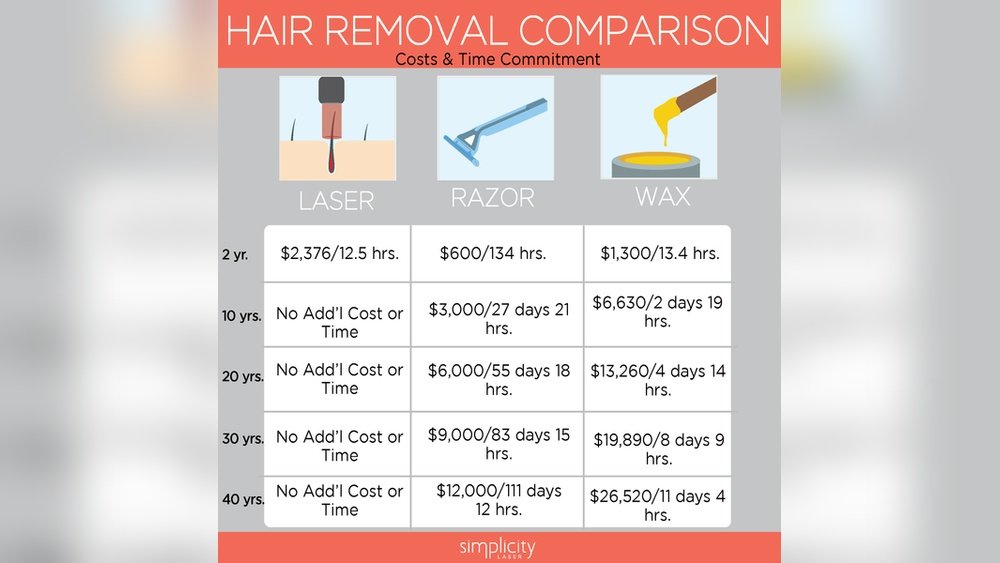
Comparing Long-term Costs
Comparing long-term costs helps to decide if laser hair removal is a smart choice. Initial prices seem high, but savings grow over time. Understanding expenses against other hair removal methods is key to making a good decision.
Upfront Investment Of Laser Hair Removal
Laser hair removal requires a larger payment at the start. Most people need several sessions for lasting results. Clinics often charge per session or package, which adds up quickly. This upfront cost may seem expensive compared to other methods.
Recurring Costs Of Traditional Hair Removal
Shaving, waxing, and depilatory creams cost less each time. These methods need regular repeats—weekly or monthly. Over years, expenses build up and can exceed laser costs. Buying razors, wax strips, or creams adds to the total.
Cost Benefits Over Time
Laser hair removal reduces hair growth permanently after treatments. This lowers the need for shaving or waxing later. Over months and years, this saves money spent on supplies and salon visits. The longer the time, the better the savings.
Extra Expenses To Consider
Some people need touch-up laser sessions after initial treatment. Skin care products may be required to soothe treated areas. Side effects like irritation can lead to extra spending on creams or doctor visits. Choosing a skilled technician helps avoid costly complications.
Alternatives To Laser Hair Removal
Alternatives to laser hair removal offer different ways to manage unwanted hair. These options vary in cost, pain level, and effectiveness. Some methods provide temporary results, while others last longer. Understanding these alternatives helps you choose what fits your needs best.
Shaving
Shaving is a quick and easy hair removal method. It cuts hair at the skin’s surface. Shaving causes no pain but hair grows back fast. It can cause razor burns or cuts if done carelessly. This method is affordable and convenient for daily use.
Waxing
Waxing pulls hair out from the root. Results last longer than shaving, usually two to six weeks. Waxing can be painful, especially on sensitive skin. It may cause redness or bumps after treatment. Regular waxing can reduce hair growth over time.
Depilatory Creams
Depilatory creams dissolve hair just below the skin surface. They work quickly and are easy to use at home. Some people may have skin irritation or allergic reactions. It is important to test the cream on a small skin area first. Results last a few days longer than shaving.
Electrolysis
Electrolysis uses electric current to destroy hair follicles. It is a permanent hair removal method. Electrolysis works on all hair colors and skin types. Sessions can be time-consuming and costly. Some discomfort and redness might occur after treatment.
Threading
Threading removes hair by twisting a thread to pull hairs out. It is common for facial hair removal. Threading is precise and less irritating than waxing. The results last a few weeks. It is affordable and requires little preparation.
Frequently Asked Questions
What Are The Downsides Of Laser Hair Removal?
Laser hair removal may cause redness, swelling, and irritation. It requires multiple costly sessions and suits mostly dark hair and light skin. Risks include burns, blistering, scarring, and permanent pigment changes, especially if performed by unqualified technicians. Sun sensitivity and patchy results are common downsides.
Can Hair Be Permanently Removed By Laser?
Laser hair removal reduces hair permanently but may not remove all hair forever. Multiple sessions improve results. Some hair can regrow over time. Effectiveness varies by hair color and skin type. Maintenance treatments might be needed for long-lasting smooth skin.
What I Wish I Knew Before Laser Hair Removal?
Laser hair removal requires multiple sessions and works best on dark hair and light skin. Expect temporary redness, swelling, and sensitivity. Avoid sun exposure before and after treatments. Choosing a qualified technician reduces risks like burns, scarring, and permanent skin discoloration.
Does Anyone Regret Laser Hair Removal?
Some people regret laser hair removal due to side effects, patchy results, or high costs. Proper candidate screening reduces regrets.
Conclusion
Laser hair removal offers lasting hair reduction for many people. It requires multiple sessions and can be costly upfront. Side effects like redness or irritation usually fade quickly. Results vary depending on hair color and skin tone. Choosing a skilled technician lowers risks of burns or discoloration.
Consider your budget and hair type before deciding. Patience and care lead to the best outcomes. Ultimately, weighing pros and cons helps you decide if it fits your needs.
As an Amazon Associate, I earn from qualifying purchases.
Lovingshe is a participant in the Amazon Services LLC Associates Program which is an affiliate advertising program designed to provide a means for sites to earn advertising fees by advertising and linking to Amazon.com. Amazon may use cookies to track referrals from our site. Visit Amazon’s privacy policy for details
