


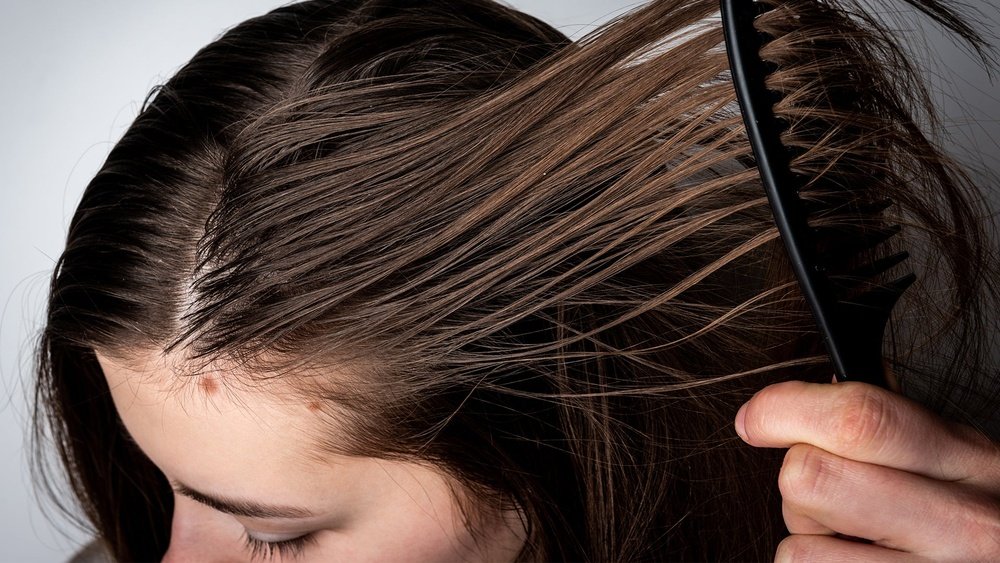
Is it better to dye greasy hair or clean hair? If you’ve ever stood in front of the mirror, wondering whether to wash your hair before coloring, you’re not alone.
The answer isn’t as simple as it seems. Your hair’s condition—whether fresh from a shampoo or a little oily—can change how the color takes and how your scalp feels during the process. Imagine getting the perfect shade without irritation or uneven patches—that’s what you want, right?
You’ll discover why sometimes a bit of natural oil on your scalp can actually protect your skin during dyeing, and why other times clean hair is key for vibrant, even color. Ready to find out what works best for your hair and your next color session? Keep reading to unlock the secrets to flawless hair dyeing!

Credit: itselixir.com
Dyeing Greasy Hair
Dyeing greasy hair raises common questions among many. Hair’s natural oils affect how dye works. Understanding this can help you get better results and protect your hair.
Can You Dye Greasy Hair?
Yes, you can dye greasy hair, but there are pros and cons. Natural oils create a barrier that protects your scalp. This barrier can reduce irritation from strong chemicals. Yet, too much grease may stop color from spreading evenly. Hair that is very oily might need a light wash before dyeing. This step helps color absorb better and look uniform.
Benefits Of Natural Oils
Natural oils keep hair healthy and shiny. They protect your scalp from dryness and damage. Oils act as a cushion against harsh chemicals in dye. This reduces the risk of itching or burning. Also, natural oils help maintain moisture balance after coloring. They make hair soft and less brittle post-dye.
Drawbacks Of Excess Grease
Excess grease can block dye from penetrating hair strands. This leads to uneven color or patchy spots. Greasy buildup may cause dye to slide off during application. It can also make your hair feel heavy and sticky. Too much oil might attract dirt, affecting the final color’s brightness. For best results, a mild shampoo before dyeing is often helpful.
Impact On Color Results
The condition of greasy hair can greatly affect the outcome of hair dye. Understanding the impact on color results is important before coloring. Greasy hair creates unique challenges that influence how the color appears and lasts. The presence of oil and product buildup can change the way dye penetrates and spreads. This section explores these effects in detail.
Color Penetration Challenges
Greasy hair has a layer of oil that blocks dye from entering the hair shaft easily. This barrier slows down color absorption. The dye may sit on top instead of soaking in. As a result, the color may look dull or faded soon after application. It takes longer for the color to fully develop on oily hair.
Effect On Evenness Of Color
Oils on the hair surface cause uneven color distribution. Some parts absorb more dye while others absorb less. This creates patchy or blotchy results. The hair might look streaky or uneven in tone. Achieving a smooth, consistent color is harder with greasy hair. Stylists often recommend washing hair before dyeing for this reason.
Product Buildup Issues
Greasy hair often has product buildup from oils, sprays, and serums. These layers act as a shield against the dye. This buildup can cause the color to sit unevenly or fade quickly. It may also make the dye appear dull or muted. Using a clarifying shampoo before coloring helps remove buildup and improve results.
Scalp Health Considerations
Scalp health plays a big role when deciding to dye greasy hair. The scalp can react differently based on how clean or oily it is before coloring. Caring for the scalp prevents irritation and keeps skin strong during the process.
Understanding scalp health helps reduce discomfort and damage. It also supports better color results and scalp comfort after dyeing.
Protection From Irritation
Greasy hair can protect the scalp from harsh chemicals in hair dye. The natural oils form a light barrier that lowers irritation risk. This barrier shields sensitive skin from direct contact with dye.
Washing hair too often before coloring may remove this natural protection. Avoid harsh shampoos and scrubbing, which increase sensitivity and redness.
Avoiding Micro-abrasions
Scratching or vigorous washing causes tiny cuts called micro-abrasions on the scalp. These small wounds open the skin to infection and pain during dyeing. Greasy hair cushions the scalp, reducing the chance of these cuts.
Be gentle when cleaning your scalp before dyeing. Use soft fingertips and avoid strong exfoliants to keep skin intact and healthy.
Sensitive Scalp Tips
For sensitive scalps, test the dye on a small skin patch first. Wait 24 hours to check for reactions. Use dyes labeled for sensitive skin or hypoallergenic products.
Apply a protective cream around the hairline to stop dye from touching fragile skin. Keep hair slightly oily but clean enough to allow even color absorption.
Credit: www.stylecraze.com
Washing Hair Before Coloring
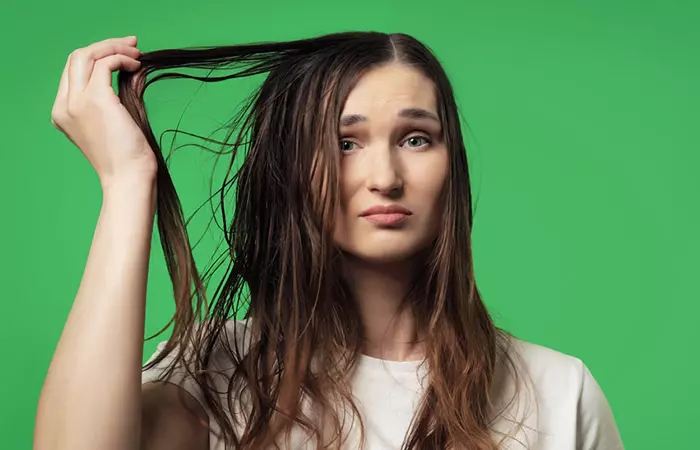
Washing hair before coloring plays a crucial role in how well the dye works. The condition of your scalp and hair affects color absorption and evenness. Greasy hair can protect the scalp but may block the color from penetrating evenly. Clean hair allows the color to take better but may increase scalp sensitivity. Understanding when and how to wash hair before coloring helps achieve the best results.
When To Wash
Washing hair 24 to 48 hours before coloring is ideal. This timing allows natural oils to build up slightly, protecting the scalp during processing. Avoid washing hair right before coloring to prevent irritation. If your hair feels very greasy or has heavy product buildup, wash it the day before the appointment. Freshly washed hair suits temporary or wash-out dyes better.
Clarifying Shampoos
Clarifying shampoos remove dirt, oil, and product buildup effectively. Use them if you apply many styling products or have hard water. They help the dye penetrate evenly and process faster. Avoid using clarifying shampoos on the same day as coloring to prevent dryness. A gentle clarifying wash a day prior can improve overall color results without harming your scalp.
Stylist Recommendations
Professional stylists often suggest washing hair before coloring depending on hair type and color goals. They know how your hair reacts and what products suit it best. Consult your stylist for advice on washing and product use before your appointment. Following their guidance ensures safer coloring and a more vibrant, even finish.
Special Cases
Special cases require extra care when deciding to dye greasy hair. Hair type, dye strength, and water quality all play a role. Understanding these factors helps protect your scalp and achieve the best color results. Each case has unique needs and tips to follow.
Temporary And Wash-out Dyes
Temporary dyes work best on clean hair. Greasy hair creates a barrier, blocking color from settling evenly. Washing hair before applying ensures the dye coats each strand well. These dyes usually last a few shampoos, so proper application is key.
Bleaching And Strong Color
For bleaching or strong colors, slightly greasy hair is better. Natural oils protect the scalp from irritation and burns. Avoid scrubbing the scalp hard when washing to prevent sensitivity. A gentle wash leaves enough oil to shield your skin while allowing color to penetrate.
Hard Water Effects
Hard water causes mineral buildup on hair, which blocks color absorption. This buildup makes hair feel rough and look dull. Using a clarifying shampoo before dyeing removes these minerals. Clean hair without residue helps color take evenly and last longer.

Credit: www.youtube.com
Tips For Best Results
Getting the best results when dyeing greasy hair requires careful preparation. Small steps can make a big difference in how the color turns out and how your scalp feels. Follow these tips to ensure your hair color looks even and vibrant.
Proper preparation helps the dye absorb better. It also protects your scalp from irritation. Here are three important tips to guide you through the process.
Consulting Your Stylist
Talk to your stylist before dyeing greasy hair. They understand how your hair reacts to color. Your stylist can advise if you should wash your hair or leave it slightly oily. They also know which products to avoid before your appointment.
Removing Excess Product
Excess oils and styling products can block color absorption. Use a gentle clarifying shampoo a day before coloring. This removes buildup without stripping natural oils. Avoid washing your hair right before the appointment to keep some natural protection.
Preparing Hair At Home
Do not scrub your scalp hard when washing. Harsh scrubbing can cause small cuts and irritation. Use mild shampoo and rinse with lukewarm water. Apply a light conditioner only on hair ends. Dry hair gently with a towel before your salon visit.
Frequently Asked Questions
Is It Better To Have Dirty Or Clean Hair Before Coloring?
Clean hair is better for even color absorption and true results. Slightly dirty hair can protect the scalp during bleaching. Remove heavy product buildup before coloring for best results. Always follow your stylist’s advice for your hair type and treatment.
Can I Dye My Hair If It’s Greasy?
Yes, you can dye greasy hair, but clean hair ensures better color absorption and even results. Remove heavy product buildup before coloring.
Is It Better To Dye Greasy Hair Or Clean Hair?
Dyeing clean hair is generally better for even color absorption. Greasy hair can create a barrier that prevents dye from penetrating well. However, slightly oily hair may protect the scalp during bleaching. Always consult your stylist for personalized advice.
Should I Wash My Hair Before Coloring?
Washing hair before coloring removes oils and product buildup, helping color take evenly. If your hair is very oily or has heavy product residue, wash it a day before. Avoid scrubbing harshly to protect your scalp.
Conclusion
Choosing whether to dye greasy hair depends on your hair type and color process. Greasy hair can protect your scalp during strong treatments like bleaching. Clean hair helps color absorb evenly and shows true shade results. Avoid heavy products before coloring to prevent uneven color.
Always ask your stylist for advice tailored to your hair. This way, you get the best color results and keep your hair healthy. Simple care before coloring makes a big difference. Take time to prepare your hair well for a vibrant, lasting color.
As an Amazon Associate, I earn from qualifying purchases.
Lovingshe is a participant in the Amazon Services LLC Associates Program which is an affiliate advertising program designed to provide a means for sites to earn advertising fees by advertising and linking to Amazon.com. Amazon may use cookies to track referrals from our site. Visit Amazon’s privacy policy for details
