


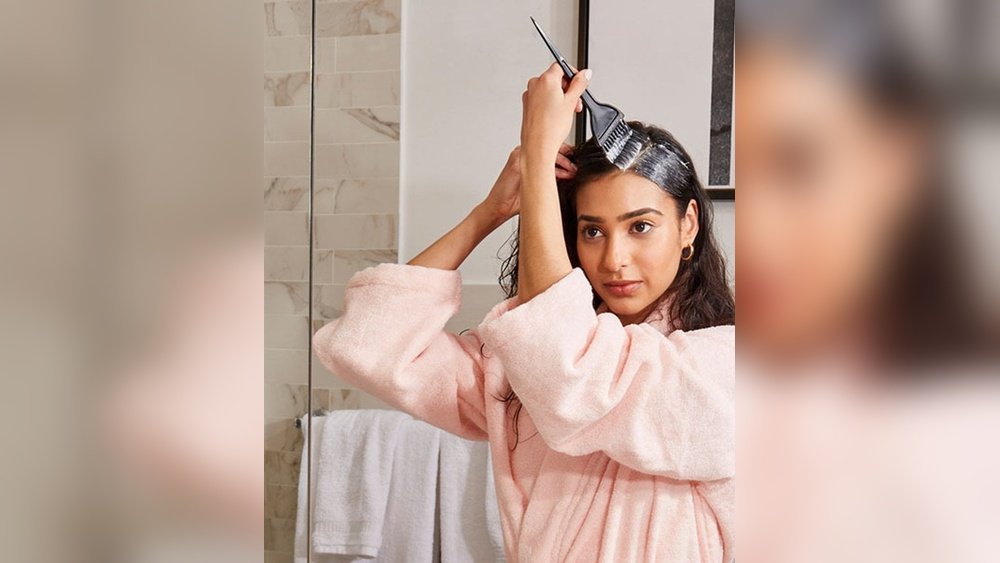
Are you wondering whether you should color your hair when it’s clean or dirty? This simple question can actually make a big difference in how your new hair color turns out.
If you want vibrant, even color that lasts, knowing the right hair condition before dyeing is key. Too clean, and your scalp might feel irritated; too dirty, and the color could look patchy or dull. Keep reading to discover the perfect balance that will protect your scalp, boost color absorption, and give you the stunning results you’re hoping for.
Your next hair color session could be your best one yet!
Clean Vs Dirty Hair
Choosing between clean and dirty hair before coloring affects the final results. Both have advantages and drawbacks. Understanding these helps you get the best color and protect your scalp.
Clean hair means washing your hair a day before coloring. Dirty hair means waiting several days without washing.
Benefits Of Coloring Clean Hair
Clean hair has fewer oils and dirt. This lets color molecules enter the hair shaft easily. The result is brighter and more even color.
Natural oils on clean hair are not completely gone. These oils protect the scalp from irritation caused by strong dyes. This is important for permanent color treatments.
Benefits Of Coloring Dirty Hair
Dirty hair has a thin layer of natural oils. These oils protect the scalp from chemicals in the dye. This reduces itching and redness during coloring.
However, too much dirt or product buildup can block color absorption. This may cause uneven color or dull results.
When To Choose Clean Hair
Wash your hair if it has heavy styling products like hairspray or dry shampoo. These block the dye from penetrating well.
Temporary colors work better on freshly washed hair. The color lasts longer and looks fresh.
When To Choose Dirty Hair
For strong permanent dyes, slightly dirty hair protects your scalp better. Natural oils act as a barrier.
Avoid coloring hair that is very greasy or has not been washed for a week. This can cause poor color results.

Credit: www.lorealparisusa.com
Benefits Of Day-old Hair
Day-old hair offers unique benefits for hair coloring. It is neither too clean nor too dirty. This balance helps protect your scalp and improves color results. Understanding these advantages can help you get better hair color outcomes.
Scalp Protection
Natural oils build up on day-old hair overnight. These oils create a light barrier on your scalp. This barrier reduces irritation from strong dyes. It is especially helpful for permanent hair colors. Freshly washed hair lacks this protective layer.
Even Color Penetration
Day-old hair is clean enough for color to absorb well. The hair shaft is open for color molecules to enter. This leads to vibrant, even hair color. Too much oil or product blocks dye from penetrating. Slightly dirty hair allows better color absorption.
Accurate Color Results
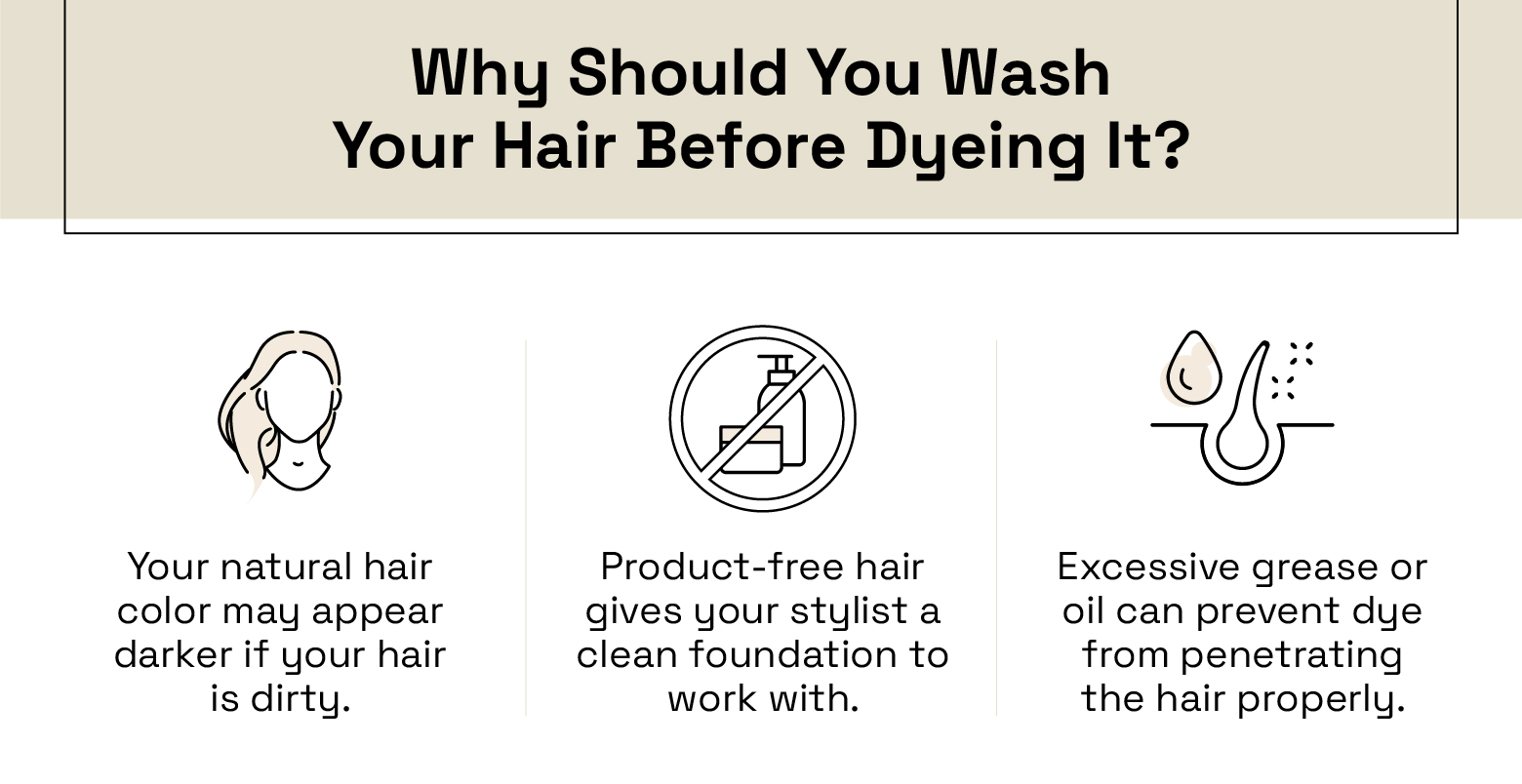
Product buildup on dirty hair can change hair color shade. Heavy buildup makes hair look darker than it is. Day-old hair shows true color without interference. It gives a more accurate preview of final color. This helps avoid unexpected color outcomes.
When To Wash Before Coloring
Knowing when to wash your hair before coloring is key for the best results. Washing at the right time helps protect your scalp and improves color absorption. Hair that is too clean or too dirty can cause problems. Follow these tips for specific situations to get vibrant, even color every time.
Heavy Product Buildup
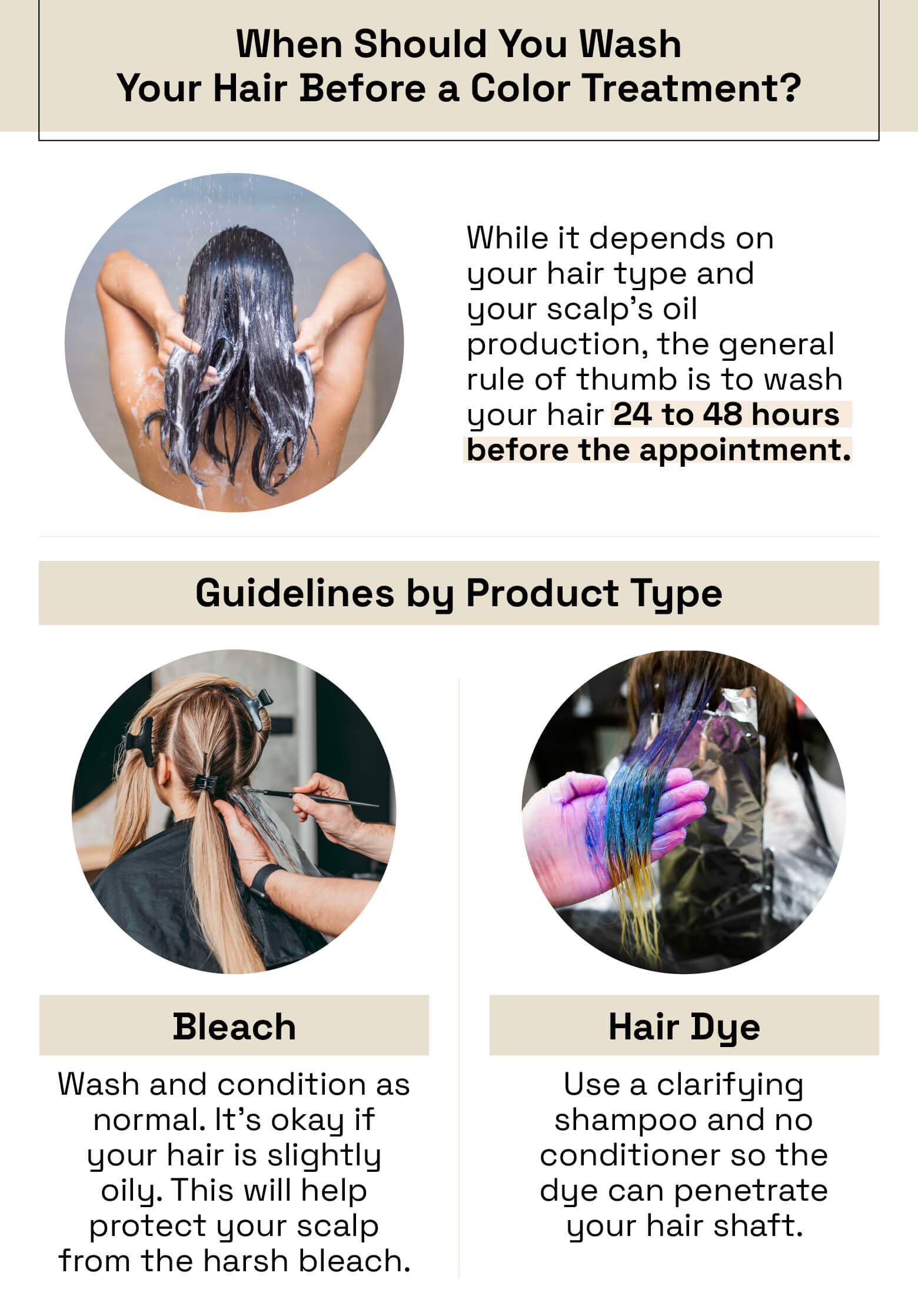
Hair with lots of dry shampoo, hairspray, or oil needs washing before coloring. These products create a barrier that blocks color from soaking in. Use a clarifying shampoo to remove buildup. Clean hair allows the dye to penetrate evenly and prevents patchy color.
Bleaching And Lightening
For bleaching, natural oils on your scalp help protect the skin from irritation. Avoid washing your hair the day of bleaching to keep some oils. But don’t let dirt and grime build up for a whole week. Wash your hair a day or two before the appointment for the best balance.
Temporary Hair Dyes
Temporary dyes wash out quickly and need clean hair for best results. Freshly washed hair holds temporary color better and avoids dullness. Skip heavy styling products before using temporary colors to ensure vibrant, even coverage.
Credit: www.styleseat.com
Risks Of Coloring Dirty Hair
Coloring hair that is dirty comes with several risks. Dirt, oil, and product buildup create a barrier on the hair. This barrier can cause problems during the coloring process. These issues affect the final look and hair health. Understanding these risks helps in achieving better color results and avoiding damage.
Blocked Dye Penetration
Oils and dirt coat the hair strands. This coating blocks the dye from fully entering the hair. As a result, the color cannot reach deep inside. The dye stays on the surface and does not last long. This leads to poor color absorption and fading.
Uneven And Dull Color
Dirt and product buildup cause uneven dye application. Some areas absorb less color than others. The final result looks patchy and dull. The hair color loses its shine and vibrancy. Uneven color can make hair appear unhealthy.
Darker Final Shade
Residue on dirty hair makes the color look darker. Oils and dirt mix with the dye and change its tone. This effect makes it hard to predict the final shade. You may end up with a color that is too dark.
Slower Color Processing
Dirty hair slows down the chemical reaction of hair dye. Oils and dirt interfere with the color molecules. This delay can make the coloring process take longer. Sometimes, the color may not develop fully. This results in a less vibrant and uneven finish.
Tips For Best Results
Preparing your hair before coloring affects the final look. Simple steps can improve color absorption and scalp comfort. Follow these tips to get vibrant and even hair color with less irritation.
Small habits before your appointment help protect your hair and scalp. They also make the color last longer and look brighter. The right hair condition matters more than you think.
Wash Night Before Appointment
Wash your hair the night before coloring. Clean hair allows the dye to spread evenly. Freshly washed hair can be too soft and slippery for color to hold well. Washing the night before keeps natural oils that protect your scalp. These oils reduce irritation from strong chemicals.
Avoid Heavy Styling Products
Skip heavy products like gels and sprays before your color session. These products build up on hair and block dye from penetrating. Product residue can cause uneven color and dull results. Use light or no styling products for a clean base. This helps the dye reach every strand.
Aim For Slightly Dirty Hair
Slightly dirty hair is best for coloring. Natural oils create a thin barrier that protects the scalp from harsh chemicals. Hair that is too dirty or greasy can cause patchy color. Aim for hair that feels clean but not freshly washed. This balance keeps your scalp safe and your color vibrant.
Credit: www.styleseat.com
Frequently Asked Questions
Should You Wash Your Hair Before Getting It Colored?
Wash hair the night before coloring to keep natural oils that protect the scalp. Avoid heavy products to ensure even, vibrant color results.
Is It Better To Dye Your Hair If It’s Clean Or Dirty?
Dye hair best on clean, day-old hair with natural oils. Oils protect scalp and ensure even color absorption. Avoid heavy product buildup.
What Happens If You Put Hair Dye On Unwashed Hair?
Applying hair dye on unwashed hair can cause uneven color and dull results. Natural oils may block dye penetration. Some buildup protects the scalp but heavy residue reduces vibrancy. For best results, dye hair that’s clean but not freshly washed.
Do Hairdressers Prefer Your Hair Clean Or Dirty?
Hairdressers prefer hair washed the night before, not freshly cleaned. Slightly dirty hair protects the scalp and ensures even color absorption. Avoid heavy product buildup to prevent uneven color and dullness.
Conclusion
Choosing the right hair condition before coloring matters a lot. Hair that is clean but not freshly washed works best. Natural oils protect your scalp from irritation during dyeing. Clean hair lets color soak in evenly and look vibrant. Too much product or dirt can block color and change results.
Washing hair the night before is a good rule. Avoid heavy styling products before your appointment. This simple step helps balance scalp health and color quality. It keeps your hair safe and your color bright.
As an Amazon Associate, I earn from qualifying purchases.
Lovingshe is a participant in the Amazon Services LLC Associates Program which is an affiliate advertising program designed to provide a means for sites to earn advertising fees by advertising and linking to Amazon.com. Amazon may use cookies to track referrals from our site. Visit Amazon’s privacy policy for details
