


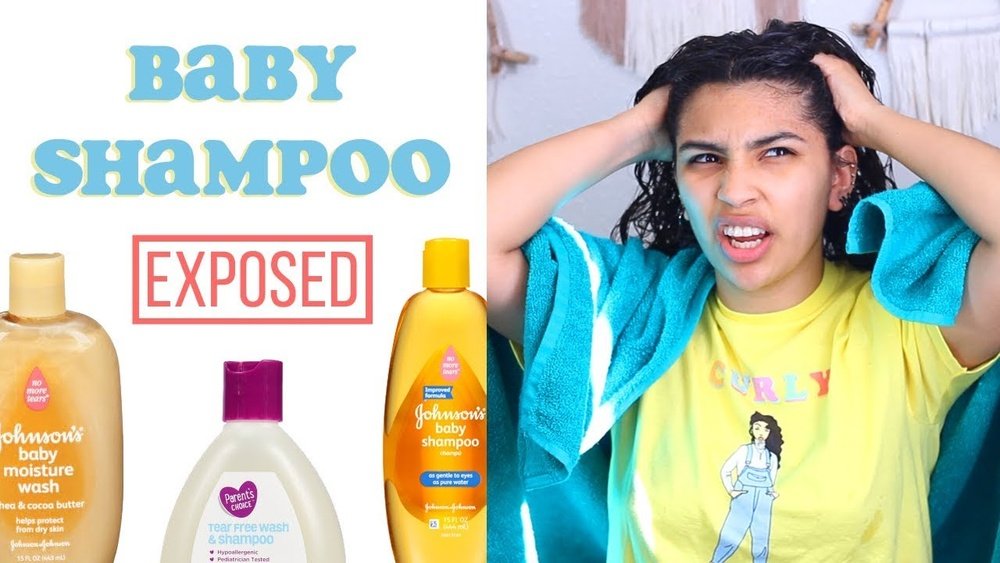
Are you wondering if baby shampoo could be the secret to healthier hair? You might have heard that its gentle formula is perfect for sensitive skin, but is it really a good choice for your hair too?
Whether you have fine, dry, or oily hair, choosing the right shampoo can make a huge difference. You’ll discover the surprising benefits and hidden drawbacks of using baby shampoo on your hair. By the end, you’ll know exactly when baby shampoo can work wonders—and when it might leave your hair wanting more.
Ready to unlock the truth? Keep reading to find out if baby shampoo is truly good for your hair.
Benefits For Sensitive Scalps
Baby shampoo is often praised for its gentle formula. It contains fewer harsh chemicals and strong detergents than regular shampoos. This makes it a good choice for people with sensitive scalps. The mild ingredients help calm irritation and reduce dryness. People with scalp conditions also find baby shampoo soothing and less likely to cause flare-ups.
Soothing Irritation
Baby shampoo has a gentle formula that soothes irritated skin. It avoids harsh sulfates that can sting or dry out the scalp. Its mild cleansing agents clean hair without causing redness or itching. This makes it ideal for those who suffer from scalp sensitivity or irritation. Using baby shampoo can help calm discomfort and promote scalp health.
Reducing Dryness
Many adult shampoos strip natural oils from hair and scalp. Baby shampoo is less likely to do this because it is very mild. It helps keep the scalp’s moisture balanced. This reduces dryness and flakiness over time. People with dry scalps often find baby shampoo more comfortable to use daily. It cleans without leaving the scalp feeling tight or rough.
Eczema-friendly
Eczema causes redness, itching, and inflammation on the scalp. Baby shampoo is often free from fragrances and harsh chemicals. This lowers the risk of triggering eczema flare-ups. Its gentle nature helps maintain the scalp’s natural barrier. Using baby shampoo can reduce irritation and support healing in eczema-prone skin. Many dermatologists recommend it for sensitive scalp conditions.

Credit: puracy.com
Advantages For Fine Hair
Fine hair needs special care to stay healthy and full of life. Baby shampoo offers gentle formulas that suit delicate strands well. It avoids harsh ingredients that can weigh down or damage fine hair.
Using baby shampoo can help maintain the natural texture and softness of fine hair. The mild cleansing action prevents breakage and keeps hair looking fresh without stripping essential oils.
Gentle Cleansing
Baby shampoo cleans without strong chemicals or heavy detergents. This gentle cleansing protects fine hair from becoming dry or brittle. It removes dirt and light oils without rough treatment. Fine hair stays soft and manageable after washing.
Preserving Natural Oils
Natural oils keep hair shiny and healthy. Baby shampoo helps preserve these oils by using mild surfactants. It prevents over-drying and scalp irritation common with harsh shampoos. Fine hair maintains its natural moisture balance and strength.
Limitations For Oily Hair
Baby shampoo is known for its gentle cleansing, perfect for delicate scalps and fine hair. But oily hair has special needs that baby shampoo may not meet. The mild ingredients in baby shampoo might not fully remove excess oil. This can leave hair feeling heavy and looking greasy.
Oily hair requires a stronger cleansing action to control oil build-up. Baby shampoo’s softness can be a drawback for those who need deep cleaning. Understanding these limitations helps in choosing the right shampoo for oily hair.
Insufficient Oil Removal
Baby shampoo contains mild surfactants that clean gently. These surfactants do not strip natural oils aggressively. Oily hair produces more sebum that needs thorough removal. Baby shampoo may fail to remove this extra oil fully. Residual oil can cause hair to appear limp and dirty quickly. For oily hair, stronger cleansing agents often work better.
Potential Greasiness
Using baby shampoo on oily hair may increase greasiness over time. Its gentle formula does not balance scalp oil production. This can lead to faster oil build-up after washing. Hair may feel sticky or weighed down. People with oily hair might notice their scalp feels oilier sooner. Choosing a shampoo designed for oily hair helps prevent this problem.
Ph Balance And Its Effects
Understanding the pH balance of baby shampoo helps reveal its effects on your hair and scalp. Baby shampoos usually have a pH close to neutral. This feature makes them gentle and less likely to cause irritation. The pH level affects how the shampoo interacts with your scalp’s natural oils and overall hair health.
Neutral Ph Characteristics
Baby shampoos often have a pH around 6 to 7, which is near neutral. This pH level is mild compared to many adult shampoos. It avoids disrupting the scalp’s natural acid mantle. The acid mantle protects against bacteria and moisture loss. A neutral pH helps keep the hair cuticle smooth and intact. This reduces damage and dryness.
Impact On Scalp Health
A balanced pH keeps the scalp comfortable and hydrated. Baby shampoos cause less irritation and fewer allergic reactions. This is ideal for sensitive or dry scalps. However, a neutral pH shampoo may not remove excess oil well. It might leave the scalp feeling greasy for oily hair types. Regular use can maintain scalp health but may not suit all hair needs.
Comparison With Adult Shampoos
Comparing baby shampoo with adult shampoos reveals clear differences. Both aim to cleanse hair but serve different purposes. Baby shampoos focus on gentleness, while adult shampoos target diverse hair needs. Understanding these contrasts helps choose the right product for your hair type.
Cleansing Power Differences
Baby shampoos have a mild cleansing power. They use gentle surfactants that clean without harshness. Adult shampoos contain stronger detergents to remove oil and dirt more effectively. This makes adult shampoos better for oily or heavily styled hair. Baby shampoos may leave residue on such hair types.
Targeted Hair Concerns
Adult shampoos address specific hair problems. These include dandruff, hair loss, dryness, and color protection. Baby shampoos lack ingredients for these issues. Their formula avoids irritants to protect sensitive skin and eyes. They suit delicate or fine hair but do not treat scalp or hair conditions deeply.
Ingredient Variations
Baby shampoos avoid strong chemicals and fragrances. They have fewer preservatives and simpler ingredients. Adult shampoos often include conditioners, vitamins, and oils. These add shine, moisture, and repair damaged hair. Baby shampoos focus on safety and softness over added benefits.
Credit: www.youtube.com
When To Choose Baby Shampoo
Choosing the right shampoo affects your hair’s health and look. Baby shampoo has a gentle formula. It suits special situations where mild care is best. Knowing when to pick baby shampoo helps protect your hair and scalp.
For Mild Cleansing Needs
Baby shampoo cleans without harsh chemicals. It works well for light dirt or dust. Use it if your hair needs a soft wash. It keeps natural oils safe. This prevents dryness and damage.
During Scalp Sensitivity
Sensitive scalps can itch or burn easily. Baby shampoo has fewer irritants. It soothes and calms the skin. Choose baby shampoo to avoid redness or discomfort. It helps maintain a healthy scalp balance.
As A Clarifying Rinse
Baby shampoo removes gentle buildup from hair products. It clears residue without stripping hair too much. Use it once in a while to refresh hair. This keeps hair light and clean without harsh effects.
When To Avoid Baby Shampoo
Baby shampoo is gentle and mild, making it a popular choice for sensitive skin. Still, some hair situations need stronger care. Knowing when to avoid baby shampoo helps keep hair healthy and clean.
Heavy Styling Residue
Baby shampoo does not remove heavy styling products well. Gels, waxes, and sprays need stronger cleansers. Using baby shampoo may leave residue behind. This can make hair look dull and feel sticky.
Dandruff And Scalp Conditions
Baby shampoo lacks ingredients to treat dandruff or scalp problems. It does not fight flakes or itching effectively. People with scalp issues should choose medicated shampoos. These help reduce irritation and clear flakes better.
Thinning Hair Treatments
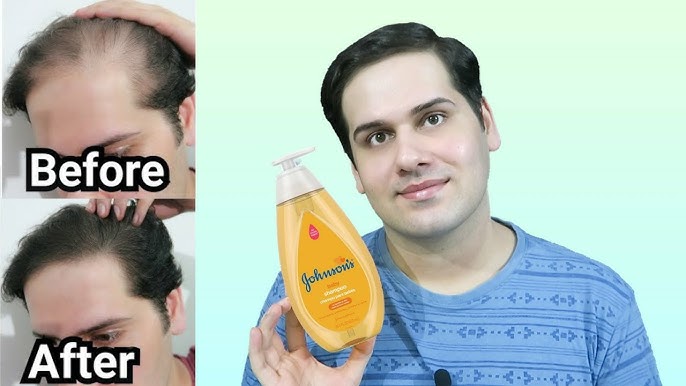
Thinning hair needs shampoos with special nutrients and active ingredients. Baby shampoo is too mild for this purpose. It does not support hair growth or strengthen strands. For thinning hair, use products designed to boost volume and health.
User Experiences And Opinions
User experiences and opinions offer valuable insight into whether baby shampoo suits adult hair care. Many adults share their personal stories about using baby shampoo, highlighting both benefits and drawbacks. These real-world accounts help others decide if baby shampoo fits their hair needs.
Positive Adult Use Cases
Many adults praise baby shampoo for its gentle cleansing. It works well for those with sensitive scalps or skin conditions like eczema. Users with fine or fragile hair notice less breakage and dryness. Some find it reduces irritation caused by stronger shampoos. People who prefer a mild, fragrance-light product often choose baby shampoo. It also serves as a good option for washing hair frequently without stripping natural oils.
Reported Drawbacks
Some adults report baby shampoo does not clean oily or very dirty hair well. It may leave hair feeling greasy or weighed down. Users with thick, coarse, or heavily styled hair often find it insufficient. Others mention dryness or scalp irritation when used too often. Baby shampoo usually lacks ingredients to address dandruff or hair thinning. These drawbacks limit its use for people with specific hair concerns.
Expert Insights
Hair care experts agree baby shampoo can be suitable for gentle cleansing. They recommend it mainly for sensitive scalps and children. Experts warn it may not remove heavy oils or styling products effectively. They suggest adults with normal or oily hair use shampoos designed for their hair type. Specialists highlight the importance of pH balance and ingredients tailored to adult hair needs. Overall, experts see baby shampoo as a mild, but sometimes limited, hair care option.

Credit: puracy.com
Frequently Asked Questions
Is Baby Shampoo Good For Adults Hair?
Baby shampoo is gentle and suits adults with sensitive scalps or fine hair. It may not cleanse oily or heavily styled hair well. For targeted concerns or oily hair, adult shampoos work better. Use baby shampoo occasionally to avoid dryness or irritation.
Is It Healthy To Wash Your Hair With Baby Shampoo?
Washing hair with baby shampoo is healthy for sensitive scalps and fine hair due to its gentle formula. It may not clean oily or heavily styled hair well. Use adult shampoo for deep cleansing or specific hair concerns.
Is Johnson’s Baby Shampoo Good For Your Scalp?
Johnson’s baby shampoo is gentle and suitable for sensitive scalps. It cleans without harsh chemicals but may not remove heavy oils or styling products effectively. Use it if you have dry or sensitive scalp, but consider stronger shampoos for oily or treated hair.
What Is The Healthiest Way To Wash Your Hair?
The healthiest way to wash your hair involves using lukewarm water and a gentle shampoo. Massage the scalp softly to boost circulation. Rinse thoroughly to remove all product residue. Avoid washing hair daily to prevent dryness and preserve natural oils.
Conclusion
Baby shampoo offers gentle cleansing for sensitive or fine hair. It protects natural oils and soothes irritated scalps. Yet, it may not remove heavy oil or styling products well. Adults with oily hair or specific concerns might need stronger formulas.
Choose shampoo based on your hair’s needs and scalp type. Simple care helps maintain healthy, clean hair every day.
As an Amazon Associate, I earn from qualifying purchases.
Lovingshe is a participant in the Amazon Services LLC Associates Program which is an affiliate advertising program designed to provide a means for sites to earn advertising fees by advertising and linking to Amazon.com. Amazon may use cookies to track referrals from our site. Visit Amazon’s privacy policy for details
