


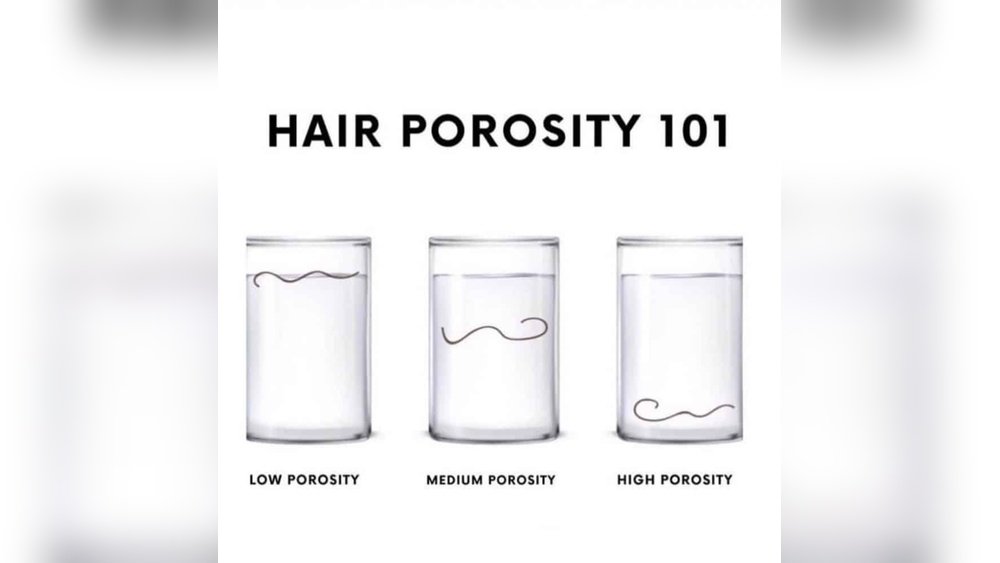
Do you ever wonder why your hair doesn’t seem to absorb moisture or products the way you want? The secret could be in your hair’s porosity.
Knowing your hair porosity is key to unlocking the best care routine tailored just for you. But how do you find out your hair’s porosity? Testing it is easier than you think, and once you know, you can avoid frustration and start seeing real results.
You’ll discover simple, effective ways to test your hair porosity at home. Ready to learn how your hair truly behaves and how to treat it right? Keep reading!
Credit: www.afamconcept.com
Signs Of Low Porosity Hair
Low porosity hair shows clear signs that help identify its unique nature. This hair type has a tightly bound cuticle layer. Water and products struggle to penetrate the hair shaft. This causes specific symptoms that reveal low porosity hair. Understanding these signs aids in choosing the right care routine.
Water Resistance
Hair with low porosity resists water easily. It takes a long time for water to wet the hair. Water tends to stay on the surface instead of soaking in. This makes moisturizing challenging and slow.
Long Dry Time
Low porosity hair dries very slowly. Air drying can take hours. Blow drying also requires more time. Moisture gets trapped inside because it cannot escape quickly.
Product Buildup
Products often sit on the hair instead of absorbing. Shampoos, conditioners, and oils leave a sticky or greasy film. This buildup makes the hair feel heavy and dull. Frequent washing may be needed to remove residue.
Resistance To Treatments
Low porosity hair resists chemical and color treatments. Hair color may not absorb well or fade quickly. Deep conditioning treatments take longer to work. This hair type requires patience and gentle methods.
Appearance
Low porosity hair looks smooth and shiny. The cuticle reflects light well. There is little frizz, but the hair can feel stiff. Styling may feel difficult due to the hair’s resistance.
Water Beading
Water forms beads on low porosity hair strands. Instead of soaking in, droplets sit on top. This shows the cuticle is tightly sealed. It signals the need for special moisturizing techniques.
Simple Porosity Tests
Testing your hair porosity helps understand how well your hair absorbs and retains moisture. Simple porosity tests are easy to do at home. They give quick clues about your hair’s condition. These tests require minimal tools and no special skills. Knowing your hair porosity guides your hair care choices and product use.
Spray Test
The spray test shows how fast water soaks into your hair. Use a clean spray bottle filled with water. Spray a light mist on a small section of your hair. Watch how the water behaves on your hair strands. If water beads up or rolls off, your hair likely has low porosity. Water that absorbs quickly means medium or high porosity. This test is simple and gives instant results.
Float Test
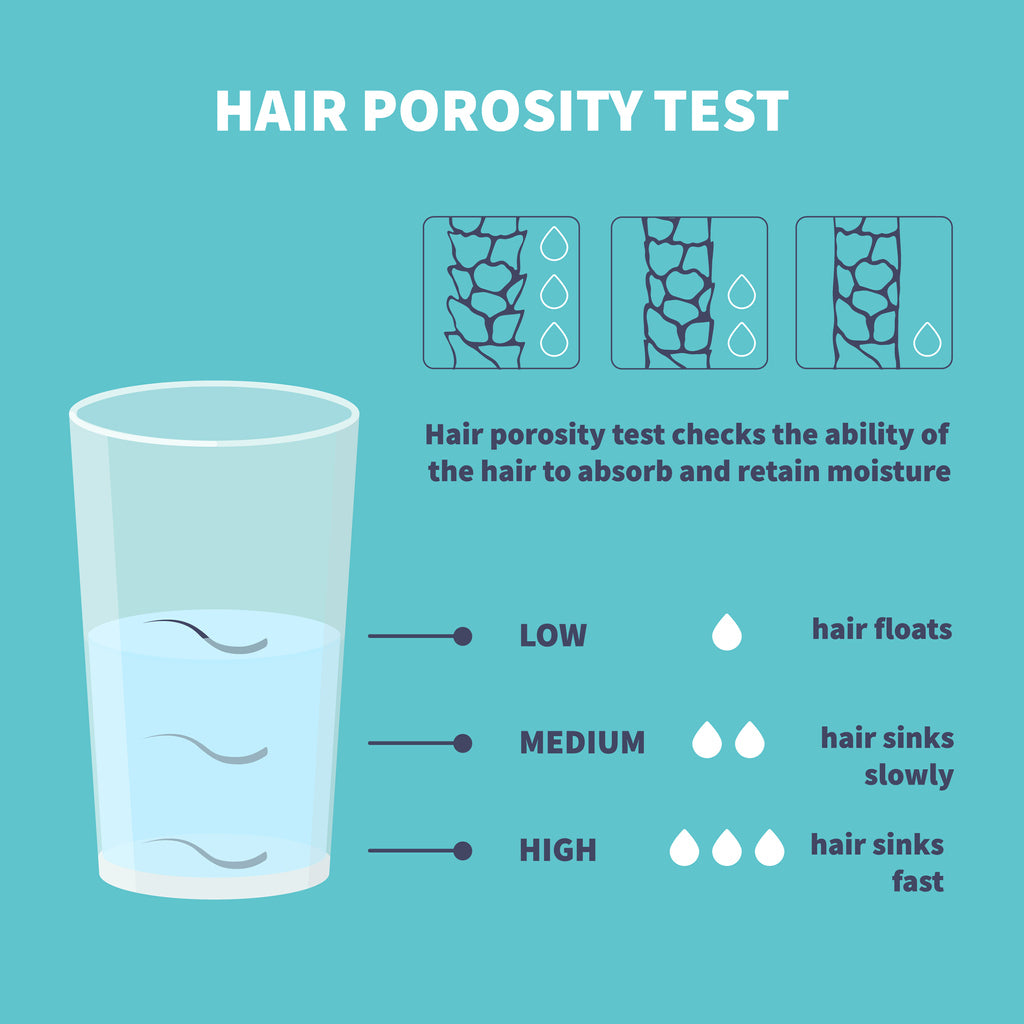
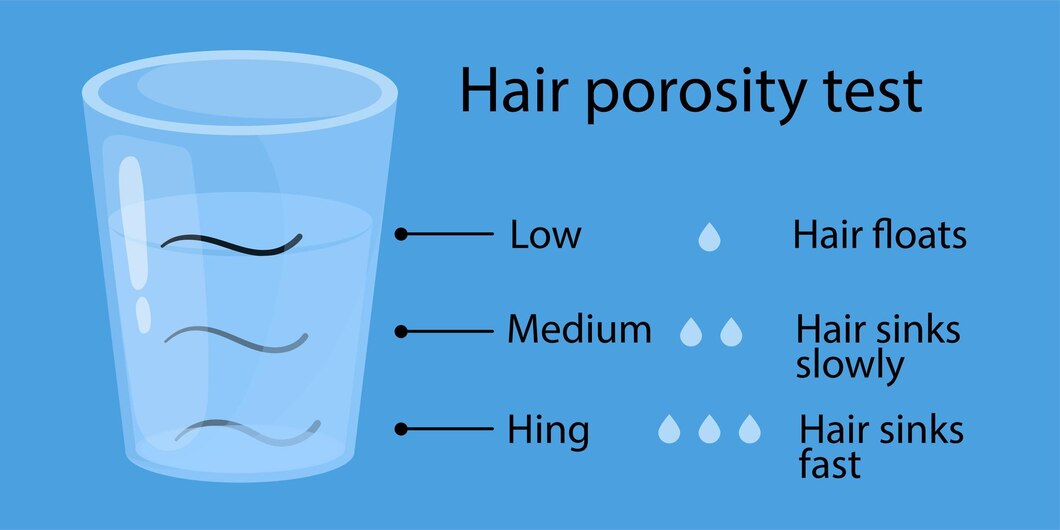
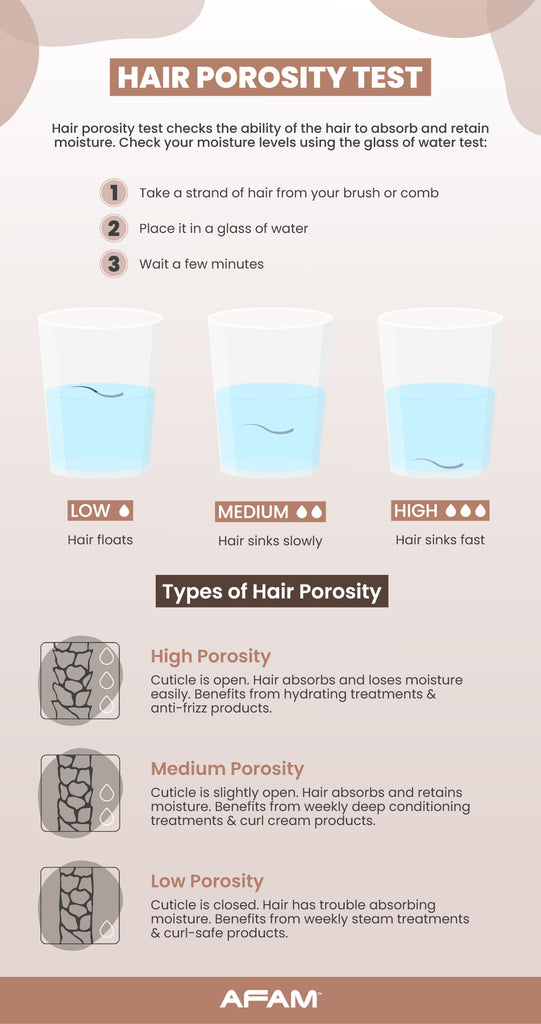
The float test checks hair porosity by observing how hair floats in water. Fill a glass with room temperature water. Drop a clean strand of hair into the glass. Watch the hair for up to 4 minutes. Hair that floats on top indicates low porosity. Hair that sinks quickly shows high porosity. Hair that floats in the middle means medium porosity. This test helps you see how your hair interacts with water naturally.
Preparing Hair For Testing
Preparing your hair correctly before testing porosity is essential. The accuracy of the test depends on how clean and free from products your hair is. Dirt, oils, and styling products can affect the results. Taking simple steps to prepare your hair ensures reliable and clear outcomes.
Use Clean Hair
Start with freshly washed hair. Use a gentle shampoo to remove dirt and sweat. Avoid conditioners or heavy moisturizers before the test. Clean hair allows water to interact directly with the hair cuticle. This gives a true measure of how porous your hair is. Let your hair air dry completely before testing.
Avoid Product Residue
Residue from gels, oils, or sprays can block water absorption. These products create a barrier on the hair surface. This barrier can mislead the porosity test results. Wash hair thoroughly to remove all styling products. Rinse well to avoid leftover shampoo or conditioner. Testing hair without residue gives the most accurate porosity reading.
Credit: www.agelockskinclinics.com
Interpreting Test Results
Interpreting the results of your hair porosity test helps you understand how your hair absorbs and retains moisture. This knowledge guides your hair care routine. Each porosity level has unique traits that affect how your hair reacts to water, products, and treatments. Recognize these signs to choose the best products and methods for your hair type.
Low Porosity Indicators
Low porosity hair resists water and products. Water beads on the surface instead of soaking in. Hair takes a long time to get wet and dry. Products often sit on top, causing buildup or a greasy feel. Hair looks shiny and smooth with little frizz. It may feel stiff and hard to style. This hair type needs lightweight, hydrating products and gentle heat to open the cuticles.
Medium Porosity Signs
Medium porosity hair absorbs and retains moisture well. It gets wet easily and dries in a reasonable time. Hair responds well to most hair care products and treatments. The cuticle is slightly raised, allowing moisture flow without much loss. This hair type is balanced, healthy, and easy to manage. Regular moisturizing and protein treatments keep it strong and shiny.
High Porosity Traits
High porosity hair absorbs water quickly but loses it fast. Hair feels dry, brittle, or frizzy. It dries very fast and may have visible damage or breakage. Hair easily absorbs treatments but struggles to retain moisture. The cuticles are raised or damaged, causing moisture loss. This hair type benefits from heavy moisturizers, oils, and sealing products to lock in hydration.
Tips For Accurate Testing
Testing hair porosity accurately helps you choose the best care routine. Simple mistakes can cause wrong results. Follow these tips for reliable testing. Your hair type and condition affect test outcomes. Testing more than once gives a clearer picture.
Test Multiple Strands
Do not rely on one strand alone. Hair can vary across your head. Pick strands from different areas like the front, sides, and back. Testing many strands gives an average result. This method reduces errors from damaged or treated hair.
Consider Hair Texture
Hair texture changes how water interacts with your strands. Curly, straight, or wavy hair absorbs moisture differently. Take texture into account while testing. Use methods suited for your hair type. This approach improves test accuracy and relevance.
Repeat Tests Over Time
Hair porosity can change due to treatments or weather. Test your hair multiple times over weeks or months. Compare results to notice any changes. Regular testing helps track your hair health. Adjust your care routine based on updated results.
Credit: www.afamconcept.com
Frequently Asked Questions
What Are Signs Of Low Porosity Hair?
Signs of low porosity hair include slow wetting and drying, product buildup, difficulty absorbing treatments, water beading, and a shiny, stiff texture.
How Do You Test Hair Porosity At Home?
To test hair porosity at home, place a clean strand in water. If it floats, porosity is low; if it sinks quickly, porosity is high. Alternatively, spray water on hair; beading indicates low porosity.
Is High Or Low Porosity Hair Better?
Neither high nor low porosity hair is better; each has unique care needs. High porosity absorbs moisture quickly but loses it fast. Low porosity retains moisture longer but resists absorption. Understanding your hair porosity helps choose the right products and routine for healthy hair.
How To Tell If Hair Is Low Or High Porosity?
Test hair porosity by spraying water: beads indicate low porosity, soaks indicate high porosity. Float a strand: floating means low porosity, sinking means high. Low porosity hair resists moisture and dries slowly; high porosity absorbs quickly and dries fast.
Conclusion
Testing hair porosity helps you understand your hair’s needs. Use simple methods like the float or spray test. Clean, dry hair gives the best results. Knowing porosity guides your choice of products and care routines. Adjust your hair care to match your porosity level.
This keeps your hair healthy, shiny, and strong. Regular testing tracks changes over time. Take time to learn your hair’s unique traits. Your hair will thank you with better moisture and style.
As an Amazon Associate, I earn from qualifying purchases.
Lovingshe is a participant in the Amazon Services LLC Associates Program which is an affiliate advertising program designed to provide a means for sites to earn advertising fees by advertising and linking to Amazon.com. Amazon may use cookies to track referrals from our site. Visit Amazon’s privacy policy for details
