


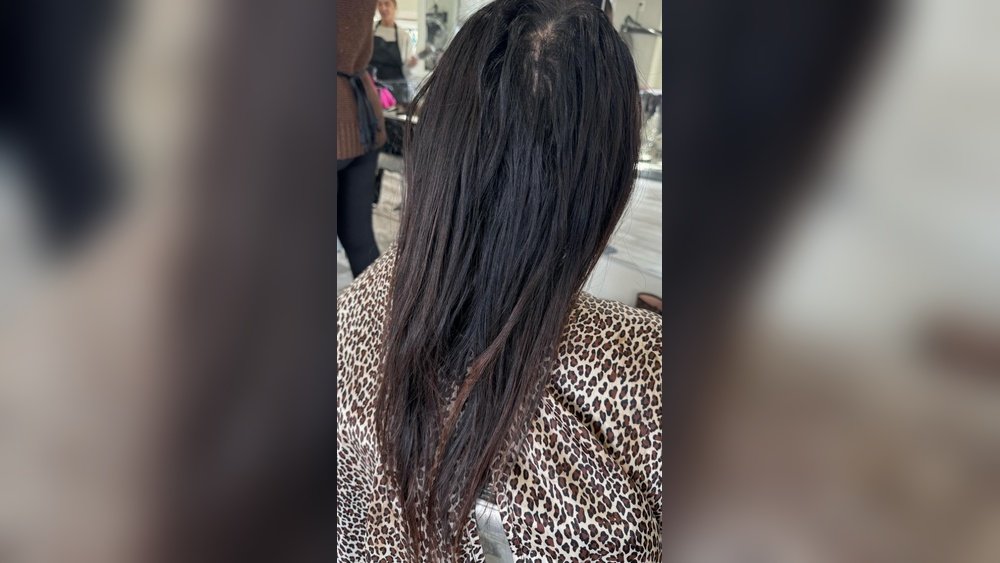
If you’ve started taking Ozempic and noticed your hair thinning or shedding more than usual, you’re not alone—and it’s not something you have to accept as permanent. Hair loss linked to Ozempic can feel alarming, especially when you’re already focused on your health and weight goals.
But understanding why this happens and what you can do about it makes all the difference. You’ll discover the main reasons behind Ozempic-related hair loss, how long it typically lasts, and practical steps you can take right now to protect and restore your hair.
Keep reading to find out how to stop hair loss from Ozempic and regain your confidence.

Credit: noellesalon.com
Causes Of Hair Loss From Ozempic
Hair loss linked to Ozempic use can worry many. Understanding its causes helps manage and reduce shedding. Several factors play a role in this type of hair loss. Each factor affects hair growth differently but often works together.
Rapid Weight Loss Impact
Ozempic often causes fast weight loss. Quick weight loss shocks the body. This shock pushes hair follicles into a resting phase. The resting phase means hair stops growing and sheds more. This process is called telogen effluvium. It usually starts a few weeks after weight loss begins.
Nutritional Deficiencies
Weight loss can reduce nutrient intake. Important nutrients for hair include protein, iron, zinc, and vitamins. Low levels of these nutrients weaken hair strength. Hair becomes thin and falls out easily. Nutritional gaps happen if diet lacks variety or calories are too low.
Body’s Stress Response
The body reacts to changes caused by Ozempic. Stress from weight loss and medication affects hair growth. The body focuses on vital organs, not hair. This stress response slows hair production. Hair loss is a side effect of the body’s survival mode.
Typical Hair Loss Timeline
Understanding the typical hair loss timeline after starting Ozempic helps set realistic expectations. Hair loss linked to Ozempic usually follows a pattern tied to the body’s response to rapid weight change and stress. Recognizing this timeline can ease concerns and guide steps to reduce shedding.
Hair shedding often begins a few weeks after starting Ozempic. This is when many hair follicles enter the resting phase, known as telogen effluvium. It is a natural reaction to physical stress, not permanent hair damage.
Initial Shedding Phase
Hair loss generally starts within 6 to 12 weeks of treatment. This phase shows increased shedding as hair follicles pause growth. You may notice more hair on your pillow or in the shower drain. This is temporary and signals the body’s adjustment.
Peak Shedding Period
Shedding peaks around 2 to 3 months after starting Ozempic. During this time, hair loss may feel more intense. The body is still adapting to metabolic changes and rapid weight loss. Hair follicles remain in the resting phase, causing visible thinning.
Recovery Phase
After 3 to 6 months, shedding usually slows down. Hair follicles begin to shift back to the growth phase. New hair starts growing, replacing lost strands. Patience is key as hair regrowth takes time and varies per person.
Long-term Outlook
Most people see hair return to normal within 6 to 12 months. Hair loss from Ozempic is rarely permanent. Maintaining good nutrition and gentle hair care supports recovery. Consult a healthcare provider if shedding continues beyond a year.
Vitamins And Minerals For Hair Health
Vitamins and minerals play a vital role in keeping hair strong and healthy. Hair loss linked to Ozempic may improve by ensuring your body gets enough of these nutrients. Deficiencies can slow hair growth and increase shedding.
Adding the right vitamins and minerals supports the hair follicles. These nutrients help repair damage and boost new hair growth. Below are key vitamins and minerals to focus on for better hair health.
Vitamin D
Vitamin D helps create new hair follicles. Low levels can cause hair thinning and loss. Spending time in sunlight and eating fortified foods can raise vitamin D levels.
Vitamin C
Vitamin C protects hair from damage by fighting free radicals. It also helps the body absorb iron, which is crucial for hair growth. Citrus fruits and berries contain plenty of vitamin C.
Iron
Iron carries oxygen to hair roots, supporting healthy growth. Low iron causes hair to become weak and fall out. Red meat, spinach, and beans are good iron sources.
Zinc
Zinc helps repair hair tissue and keeps oil glands working well. A lack of zinc can lead to hair loss and dry scalp. Nuts, seeds, and whole grains provide zinc.
Vitamin A
Vitamin A supports scalp health and helps produce sebum, which moisturizes hair. Too little or too much vitamin A can cause hair loss. Carrots, sweet potatoes, and leafy greens are rich in vitamin A.
Diet And Hydration Tips
Diet and hydration play a crucial role in managing hair loss caused by Ozempic. Proper nutrition supports hair follicle health and helps the body recover from rapid weight changes. Drinking enough water keeps the scalp hydrated and aids nutrient delivery to hair roots. Focus on foods rich in vitamins, minerals, and proteins to strengthen your hair from within.
Include Protein-rich Foods
Hair is made mostly of protein. Eating lean meats, eggs, beans, and nuts provides the building blocks for hair growth. Low protein intake can weaken hair and increase shedding. Aim for a balanced intake throughout the day to support steady hair repair.
Boost Iron And Zinc Intake
Iron helps carry oxygen to hair follicles, while zinc supports cell growth and repair. Both minerals prevent hair thinning. Add spinach, lentils, pumpkin seeds, and oysters to your diet. These foods replenish essential minerals that may drop due to Ozempic’s effects.
Eat Vitamin-rich Fruits And Vegetables
Vitamins A, C, and E protect hair from damage and promote healthy scalp skin. Citrus fruits, carrots, and leafy greens are great choices. These nutrients improve blood flow and support collagen production for stronger hair strands.
Stay Hydrated
Water keeps your scalp moist and helps flush out toxins. Aim for at least eight glasses daily. Proper hydration prevents dryness and brittleness that lead to breakage. Carry a water bottle to remind yourself to drink regularly.
Hair Care Practices
Hair care practices play a crucial role in managing hair loss from Ozempic. Gentle treatment helps protect fragile hair strands. Proper care supports scalp health and reduces breakage. Focus on habits that maintain hair strength and moisture. These small changes can improve hair appearance and reduce shedding.
Avoid Heat And Chemicals
Heat styling tools like straighteners and curling irons can weaken hair. High temperatures cause dryness and split ends. Chemical treatments, including dyes and relaxers, damage the hair structure. Avoiding these helps preserve hair integrity and reduce hair loss. Choose air drying or low-heat settings for styling. Use natural or mild hair products without harsh chemicals.
Gentle Styling
Use wide-tooth combs or soft brushes to detangle hair. Avoid tight hairstyles that pull on the scalp. Styles like ponytails and braids can strain hair follicles. Looser styles reduce stress on hair roots and prevent breakage. Handle wet hair with care as it is more fragile. Regularly trim split ends to keep hair healthy and strong.
Stress Management Techniques
Stress can trigger or worsen hair loss, especially during medication like Ozempic. Managing stress helps reduce hair shedding and supports hair growth. Simple stress management techniques calm the mind and body. These methods improve overall well-being and hair health.
Deep Breathing Exercises
Deep breathing lowers stress hormones in the body. It calms the nervous system quickly and effectively. Try inhaling slowly through your nose for four seconds. Hold the breath for four seconds. Then exhale slowly through the mouth for four seconds. Repeat this cycle for five minutes daily.
Progressive Muscle Relaxation
This technique reduces muscle tension caused by stress. Start by tensing a muscle group tightly for five seconds. Then release the tension and notice the relaxation. Move through different muscle groups from head to toe. Practice this routine daily to feel more relaxed and reduce hair loss triggers.
Mindfulness Meditation
Mindfulness meditation helps focus the mind on the present moment. It reduces anxiety and stress levels effectively. Sit quietly and focus on your breathing or a simple word. When your mind wanders, gently bring it back. Practicing this for 10 minutes daily can improve mental calmness and hair health.
Regular Physical Activity
Exercise releases endorphins, natural stress fighters. It improves blood flow to the scalp, supporting hair follicles. Activities like walking, yoga, or swimming are easy and effective. Aim for at least 30 minutes of moderate exercise most days of the week. Physical activity also improves sleep, another factor in hair health.
When To Consult A Doctor
Hair loss caused by Ozempic can worry many users. Knowing when to consult a doctor is important. Early advice helps manage symptoms and avoid further damage. A healthcare professional can find the root cause and suggest the right steps. Here are key areas your doctor may check during your visit.
Assessing Deficiencies
Your doctor may test for nutrient deficiencies linked to hair loss. Common checks include iron, vitamin D, and zinc levels. These nutrients support healthy hair growth. Deficiencies can worsen hair shedding, especially during weight loss. Blood tests help identify if your body lacks these essentials. Correcting these deficiencies often improves hair health quickly.
Supplement Recommendations
Based on test results, your doctor might suggest supplements. Taking the right vitamins and minerals can boost hair recovery. Common supplements include biotin, iron, and vitamin D. Your doctor will tailor recommendations to your needs. Avoid self-prescribing supplements without medical advice. Proper dosing ensures safety and effectiveness.
Adjusting Medication
In some cases, your doctor may consider adjusting your Ozempic dose. Changes in medication can reduce side effects like hair loss. Never stop or change your dose without consulting your doctor first. Your healthcare provider will weigh the benefits and risks carefully. They may suggest alternative treatments if hair loss persists.

Credit: www.internationaldrugmart.com
Managing Weight Loss Pace
Managing the pace of weight loss is key to reducing hair loss while using Ozempic. Rapid weight loss can shock your body. This shock may push hair follicles into the resting phase, causing more hair to shed.
Slowing down weight loss helps your body adjust better. It gives hair follicles time to stay in the growth phase. This approach supports healthier hair and reduces sudden shedding.
Set Realistic Weight Loss Goals
Choose a steady and manageable weight loss target. Aim for one to two pounds per week. This rate avoids stressing your body. It also lowers the chance of hair loss linked to fast weight changes.
Monitor Your Nutrient Intake
Eat balanced meals rich in protein, iron, and vitamins. These nutrients keep hair strong and healthy. Avoid extreme calorie cuts that cause nutrient deficiencies. Proper nutrition supports both weight loss and hair health.
Stay Hydrated And Rested
Drink enough water each day to support metabolism. Good hydration helps skin and scalp health. Also, get enough sleep to reduce body stress. Rest aids in hair growth and overall recovery.
Work With Your Healthcare Provider
Discuss your weight loss plan with your doctor. They can recommend safe pacing and nutrition tips. Your doctor may check for deficiencies that affect hair. This professional support helps manage hair loss risks effectively.
Common Questions On Ozempic And Hair Loss
Many people using Ozempic worry about hair loss. This concern raises several questions. Understanding common queries helps manage expectations and care. Here are answers to the most asked questions about Ozempic and hair loss.
Does Ozempic Cause Hair Loss?
Ozempic itself is not directly linked to permanent hair loss. Hair shedding often occurs due to rapid weight loss or nutrient shortages. This type of hair loss is called telogen effluvium. It usually stops once the body adjusts.
How Long Does Hair Loss Last After Using Ozempic?
Hair shedding can last from a few weeks to several months. The timeline depends on how fast weight loss happens and your body’s response. Most people see hair regrowth within three to six months.
Why Does Hair Loss Happen With Ozempic?
- Rapid Weight Loss: Sudden weight changes push hair follicles into rest phase.
- Nutritional Deficiencies: Lack of protein, iron, and vitamins affects hair health.
- Body Stress: The body focuses on vital organs over hair growth during stress.
What Vitamins Help Prevent Hair Loss From Ozempic?
Eating foods rich in these vitamins supports hair health:
- Vitamin D: Helps with hair follicle cycling.
- Iron: Prevents anemia, a cause of hair thinning.
- Zinc: Aids in hair tissue growth and repair.
- Biotin: Supports keratin production for strong hair.
- Vitamin B12: Maintains healthy red blood cells that feed hair follicles.
Should I Stop Taking Ozempic If I Experience Hair Loss?
Do not stop Ozempic without consulting your doctor. The benefits often outweigh temporary hair loss. Your doctor can suggest ways to manage hair shedding while on the medication.

Credit: www.museextensionlounge.com
Frequently Asked Questions
How Long Does Ozempic Hair Loss Last?
Ozempic-related hair loss typically lasts 3 to 6 months as the body adjusts to weight loss and nutritional changes. Hair usually regrows once nutrient levels improve and stress decreases. Consult your doctor for personalized advice and proper supplementation.
What Vitamins Are Good For Ozempic Hair Loss?
Vitamins D, C, A, iron, and zinc support hair health during Ozempic use. Maintain hydration, balanced diet, and consult a doctor for supplements.
How Do You Stop Hair Loss On Semaglutide?
To stop hair loss on semaglutide, maintain balanced nutrition rich in protein and vitamins. Avoid harsh hair treatments and manage stress. Consult your doctor before making changes or adding supplements. Hair loss often resolves as your body adapts and nutritional status improves.
How To Stop Hair Loss On A Glp-1 Female?
To stop hair loss on a GLP-1 female, maintain a balanced diet rich in protein and vitamins. Avoid harsh hair treatments and manage stress effectively. Consult a doctor for nutrient deficiencies and possible supplements. Do not stop medication without medical advice.
Conclusion
Hair loss from Ozempic often improves over time. Nourish your body with good foods rich in protein and vitamins. Treat your hair gently to avoid extra damage. Keep stress low to help reduce shedding. Always talk to your doctor before making changes.
Patience is key as your body adjusts. Small steps can make a big difference in hair health. Stay consistent and care for yourself every day.
As an Amazon Associate, I earn from qualifying purchases.
Lovingshe is a participant in the Amazon Services LLC Associates Program which is an affiliate advertising program designed to provide a means for sites to earn advertising fees by advertising and linking to Amazon.com. Amazon may use cookies to track referrals from our site. Visit Amazon’s privacy policy for details
