


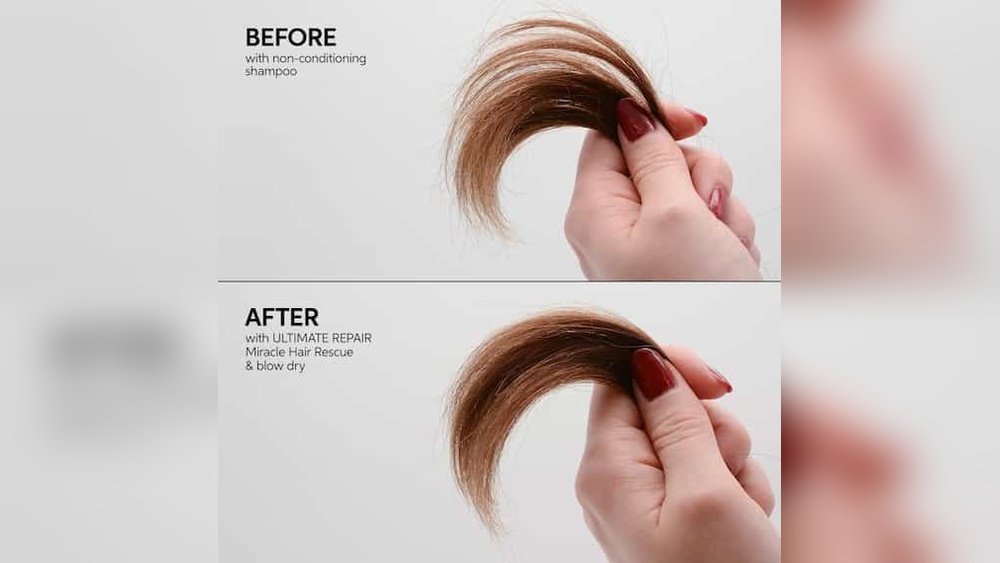
Have you noticed your hair feeling dry, brittle, or looking dull after using heat tools? Heat damage can sneak up on you, leaving your hair weak and lifeless.
But don’t worry—while you can’t completely reverse the damage, you can bring your hair back to life and restore its strength and shine. This guide will show you simple, effective steps to repair heat-damaged hair and protect your locks from future harm.
Ready to transform your hair and feel confident again? Keep reading to discover how to heal and nourish your hair from root to tip.
Signs Of Heat Damage
Heat damage weakens hair structure and changes its natural look. Early signs help identify damage before it worsens. Recognizing these signs is key to effective repair and care. Below are common signs to watch for.
Dryness And Brittleness
Heat strips moisture from hair strands. Dry hair feels rough and straw-like to touch. Brittle hair breaks easily when brushed or styled. Lack of moisture causes hair to lose flexibility and strength.
Split Ends And Breakage
Split ends appear as frayed or broken tips. Heat damage makes hair tips fragile and prone to splitting. Breakage occurs along the hair shaft, causing uneven lengths. This damage worsens without regular trims and care.
Loss Of Shine And Elasticity
Healthy hair reflects light and looks shiny. Heat damage dulls hair, making it look lifeless. Elasticity means hair stretches and returns to shape. Damaged hair loses this ability and snaps easily.

Credit: www.youtube.com
Trimming Damaged Ends
Trimming damaged ends is a key step in repairing heat-damaged hair. Cutting off the split and dry ends stops damage from moving up the hair shaft. It also helps hair look healthier and feel smoother. Regular trims keep your hair strong and prevent breakage. This simple act supports the growth of fresh, undamaged hair.
Even small trims make a big difference. Removing just a little damaged hair can improve overall hair health. Trimming does not fix damaged strands, but it limits further harm. It creates a clean base for hair treatments and care routines to work better.
When To Cut Hair
Cut hair when you see split ends or rough patches. If your hair feels brittle or breaks easily, it may need trimming. Notice if your hair looks dull or frizzy at the tips. Regular trims every six to eight weeks help maintain healthy ends. Avoid waiting too long, as damage worsens over time.
Benefits Of A Big Chop
A big chop means cutting off a large portion of damaged hair. This can feel bold but offers many benefits. It removes all damaged ends, allowing new growth to shine. Hair becomes softer, shinier, and easier to manage. The big chop also resets your hair health and encourages fresh, strong strands.
Many find a big chop refreshing. It removes years of heat stress and styling damage. You can start fresh with a clean, healthy base. This makes other hair care steps more effective and helps hair grow back thicker and stronger.
Protein Treatments
Protein treatments play a vital role in repairing heat damaged hair. Heat styling breaks down the protein structure in hair strands, making them weak and brittle. Protein treatments rebuild these damaged areas by filling in gaps and restoring strength. Regular use of protein-rich products helps improve hair texture and reduces breakage. Choose the right type of protein treatment based on your hair needs.
Keratin Masks
Keratin masks are popular protein treatments for heat damaged hair. Keratin is a natural protein in hair that keeps it smooth and strong. Applying a keratin mask coats the hair shaft and seals damaged cuticles. This process adds smoothness and reduces frizz. Use keratin masks once a week for best results. Leave the mask on for the recommended time to allow deep penetration. Rinse with cool water to lock in moisture and protein.
Amino Acid Products
Amino acid products offer a gentler way to repair damaged hair. Amino acids are the building blocks of protein and help strengthen hair fibers. These products penetrate deeply to rebuild hair from the inside out. They improve elasticity and reduce breakage caused by heat. Use amino acid shampoos, conditioners, or leave-in treatments regularly. This method supports long-term hair health and resilience against future damage.
Credit: helloastrologer.com
Bond Repair Products
Bond repair products play a vital role in treating heat damaged hair. These products work deep inside the hair structure. They help restore broken bonds caused by excessive heat styling. Using bond repair products regularly improves hair strength and texture. It also reduces breakage and split ends. Many products on the market promise to rebuild hair bonds. Understanding the science behind these products helps in choosing the right one.
Role Of Citric Acid
Citric acid is a common ingredient in bond repair products. It helps balance the hair’s pH level. Heat damage often raises the hair’s pH, making it weak and brittle. Citric acid lowers the pH, which smooths the hair cuticle. This action seals the hair shaft, preventing further damage.
Citric acid also aids in repairing broken disulfide bonds. These bonds keep the hair strong and elastic. When broken by heat, hair becomes fragile and prone to breakage. Citric acid helps reconnect these bonds partially. This repair process strengthens the hair from within.
Microscopic Bond Rebuilding
Microscopic bond rebuilding targets the hair at a molecular level. Heat styling breaks the internal bonds that hold hair fibers together. Bond repair products contain molecules designed to enter the hair shaft. These molecules fill gaps and restore broken bonds inside the hair.
This repair improves hair’s flexibility and shine. It reduces roughness and frizz caused by damaged cuticles. Regular use of bond rebuilding products results in hair that feels softer and looks healthier. The microscopic repair also helps hair resist future heat damage better.
Deep Conditioning And Oils
Deep conditioning and oils play a vital role in repairing heat damaged hair. Heat styling strips hair of moisture and natural oils. This leads to dry, brittle strands that break easily. Restoring moisture helps improve hair texture and shine. Deep conditioning treatments penetrate the hair shaft. They replenish lost hydration and strengthen weak areas. Oils seal in moisture and protect hair from further damage. Regular use of these treatments can make hair softer and more manageable. Consistency is key to seeing real improvement.
Best Oils For Repair
Oils provide essential nutrients and lock in moisture. Jojoba oil closely mimics the scalp’s natural oils. It nourishes without leaving a greasy feel. Olive oil is rich in antioxidants and vitamins. It deeply moisturizes and smooths rough hair cuticles. Argan oil adds shine and reduces frizz. Coconut oil penetrates hair strands to prevent protein loss. Castor oil promotes scalp health and strengthens roots. Use these oils alone or mix a few for added benefits. Apply to damp or dry hair, focusing on the ends.
Intense Moisture Treatments
Choose deep conditioning masks that target dryness and breakage. Look for ingredients like shea butter, keratin, and aloe vera. Apply the mask generously and cover hair with a warm towel. Heat helps the treatment absorb better into the hair. Leave on for 20 to 30 minutes for best results. Rinse with cool water to seal the cuticle. Use these treatments once or twice weekly. They restore softness and reduce brittleness caused by heat damage.
Professional Salon Treatments
Protecting your hair from future heat damage is essential for healthier strands. Consistent care and smart styling choices help maintain hair strength and shine. Avoiding repeated heat stress allows your hair to recover and grow strong.
Using Heat Protectants
Heat protectants form a shield on your hair strands. They reduce the impact of high temperatures from tools like straighteners and curling irons. Always apply heat protectant spray or cream before styling. This step lowers moisture loss and prevents protein damage. Choose products with ingredients like silicone or natural oils for added protection.
Sulfate-free Hair Care
Sulfate-free shampoos are gentler on damaged hair. They clean without stripping natural oils that keep hair hydrated. Moisture is key to repairing and preventing further damage. Use sulfate-free conditioners to soften and smooth hair cuticles. This care routine supports your hair’s natural barrier and keeps it strong.
Heat-free Styling Techniques
Styling without heat gives your hair a break to heal. Try braids, buns, or twists to create waves and volume naturally. Air drying instead of blow drying reduces heat exposure. Use wide-tooth combs to detangle gently. These simple methods minimize damage and keep your hair healthy over time.
Minimizing Future Heat Damage
Gentle hair care practices play a vital role in repairing heat damaged hair. These methods reduce further stress and help restore softness and shine. Choosing the right care routine supports hair health and prevents breakage.
Heat damaged hair is fragile and needs careful handling. Avoid harsh treatments and rough handling. Focus on methods that protect hair strands and encourage recovery.
Air Drying Tips
Air drying is the safest way to dry heat damaged hair. Skip blow dryers and let your hair dry naturally. Pat hair gently with a soft towel instead of rubbing.
Use a microfiber towel or old cotton T-shirt to reduce friction. Avoid tight hairstyles while hair is wet to prevent breakage. Air drying preserves moisture and prevents additional heat damage.
Detangling With Wide-tooth Combs
Use a wide-tooth comb to detangle gently. Start from the ends and work your way up slowly. This prevents pulling and breaking fragile strands.
Detangle hair when damp, not dry, for easier handling. Avoid brushes with fine bristles that can cause more damage. Wide-tooth combs help maintain hair integrity during recovery.
Gentle Hair Care Practices
Understanding the recovery timeline for heat damaged hair helps set realistic expectations. Hair repair takes time and care. Damage severity, hair type, and treatment consistency influence how quickly hair recovers. Patience and proper routine improve hair texture and strength over weeks or months.
Mild Vs Severe Damage
Mild heat damage shows as slight dryness and frizz. Hair may feel rough but is mostly intact. Recovery can take a few weeks with regular deep conditioning and protein treatments. Severe damage causes breakage, split ends, and loss of elasticity. This type needs more time and often trimming. Full recovery may take several months, focusing on gentle care and avoiding heat styling.
Impact Of Hair Type
Different hair types heal at different speeds. Fine hair tends to recover faster but is more fragile. Coarse or curly hair may take longer to regain moisture and softness. Porous hair absorbs treatments quickly but also loses moisture fast. Understanding your hair type helps choose the right products and set realistic recovery goals.
Importance Of Consistency
Consistent hair care is essential for recovery. Use protein treatments and deep conditioners regularly. Avoid heat styling tools to prevent further damage. Trim damaged ends every 6 to 8 weeks to promote healthy growth. Stick to a gentle routine daily for the best results. Gradual improvement is more sustainable than quick fixes.

Credit: www.haiirology.com
Frequently Asked Questions
Can You Reverse Heat Damaged Hair?
Heat damaged hair cannot fully reverse due to broken protein bonds. Intensive care like trims, protein treatments, and deep conditioning improves its health and appearance. Avoid heat styling and nourish hair consistently to grow healthy strands and manage damage effectively.
How Long Does It Take Hair To Recover From Heat Damage?
Hair recovery from heat damage takes several months. Regular trims, protein treatments, and deep conditioning speed healing. Avoid heat styling for best results.
What Does Heat Damaged Hair Look Like?
Heat-damaged hair appears dry, brittle, and frizzy with split ends and dullness. It feels rough and breaks easily.
How To Treat Damaged Hair Due To Heat?
Trim split ends regularly to remove damaged hair. Use protein treatments and bond-repairing products. Apply deep conditioners and oils for moisture. Limit heat styling and always use heat protectants. Choose gentle, sulfate-free shampoos and air dry hair when possible.
Conclusion
Repairing heat damaged hair takes time and patience. Consistent care improves hair strength and shine. Trim split ends regularly to stop damage spreading. Use protein treatments and bond builders for better hair health. Deep conditioning and natural oils add moisture and softness.
Avoid heat styling and always apply heat protectant. Choose gentle, sulfate-free shampoos to keep hair hydrated. Air dry and use wide-tooth combs to prevent breakage. Healthy habits support new hair growth and reduce damage. Small daily steps bring noticeable improvements over time.
Keep caring, and your hair will look healthier soon.
As an Amazon Associate, I earn from qualifying purchases.
Lovingshe is a participant in the Amazon Services LLC Associates Program which is an affiliate advertising program designed to provide a means for sites to earn advertising fees by advertising and linking to Amazon.com. Amazon may use cookies to track referrals from our site. Visit Amazon’s privacy policy for details
