


Facing a hair follicle drug test can feel overwhelming, especially when your future depends on passing it. You might be wondering if there’s a way to beat the test or what steps you can take to improve your chances.
The truth is, hair follicle tests are designed to detect drug use over a long period, making them tougher to fool than other tests. But don’t worry—there are proven methods and important facts you need to know before your test.
You’ll discover what really works, what doesn’t, and how certain factors like hair treatments or medications can affect your results. Keep reading to learn how to approach your hair follicle drug test smartly and increase your chances of passing with confidence.
Hair Follicle Test Basics
Understanding hair follicle test basics helps you prepare better. This test checks drug use over a longer period. It is common in workplaces and legal cases. Knowing how it works can reduce surprises. Let’s explore key facts about this test.
How The Test Works
The test analyzes a small hair sample, usually from the head. Drugs enter the hair through the bloodstream. Once inside, they stay trapped in the hair shaft. Lab technicians cut the hair near the scalp. Then, they test it for drug traces. External contamination is washed off to avoid false results.
Detection Window
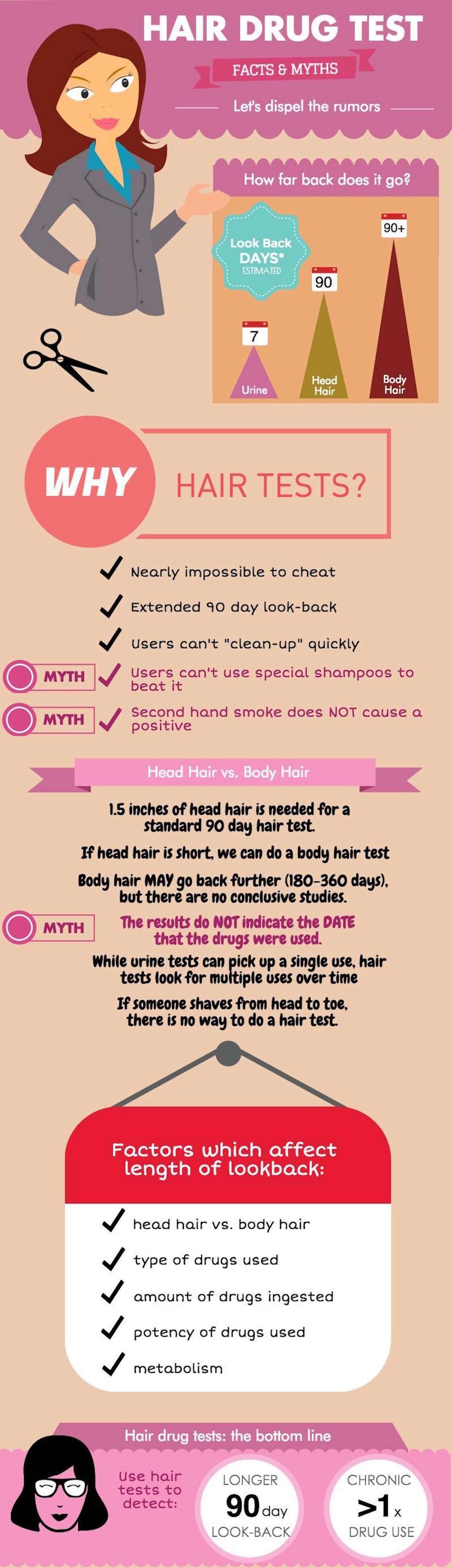
This test detects drug use from about 7 days to 90 days. Hair grows roughly half an inch per month. Usually, 1.5 inches of hair is tested. This length shows drug use over three months. It does not detect recent drug use within a week.
Common Drugs Tested
Hair follicle tests check for several drugs. These include marijuana, cocaine, opiates, methamphetamine, and PCP. Some tests also screen for prescription drugs. The test is reliable for many drug types. It helps employers and law enforcement make decisions.
Factors Affecting Test Results
Several factors can influence hair follicle drug test results. Understanding these helps explain why outcomes may vary. These factors affect how drugs bind to hair and how labs detect them. Some can cause false positives or negatives. Awareness of these elements aids in interpreting test results accurately.
Hair Color And Drug Binding
Hair color plays a key role in drug binding. Darker hair contains more melanin. Melanin attracts and holds drug molecules stronger than lighter hair. Tests may show higher drug levels in dark hair. Lighter hair may bind fewer drug traces, lowering detection chances.
Environmental Exposure
Environmental factors can affect test accuracy. Exposure to secondhand smoke or drug residues can stick to hair. Labs wash hair samples to remove outside contamination. Still, heavy environmental exposure might cause false positives. Paint thinner and other chemicals may also interfere with results.
Medications That Influence Results
Certain medications can impact test outcomes. Common drugs like ibuprofen or decongestants may cause false positives. Some antidepressants and diet pills also interfere with detection. These substances can mimic drug metabolites or affect hair chemistry. Always disclose medications before testing to avoid confusion.
Causes Of False Positives
False positives in hair follicle drug tests cause confusion and stress. These results happen when the test shows drug use, but the person did not use drugs. Understanding what causes false positives helps prepare for testing and avoid mistakes.
Secondhand Smoke Impact
Being near drug smoke can affect test results. Hair can absorb drug particles from the air. This exposure may cause a positive result even without drug use. Testing labs try to remove these particles, but some may remain.
Contaminants And Substances
Substances like paint thinner or industrial chemicals can cause false positives. These contaminants may stick to hair and mimic drug traces. Some common medications, such as ibuprofen or decongestants, might also interfere with results. Always tell testers about any medicines taken.
Hair Products And Dyes
Certain hair dyes and products can change test outcomes. Chemicals in dyes may alter how drugs bind to hair. This alteration can lead to incorrect positive or negative results. Frequent use of harsh treatments like bleaching can damage hair and affect detection.
Credit: www.health-street.net
Causes Of False Negatives
False negatives in hair follicle drug tests can occur under certain conditions. These tests detect drug metabolites trapped in hair strands. Some factors interfere with the test’s accuracy. Understanding these causes helps to interpret results better and avoid mistakes.
Chemical Treatments And Bleaching
Chemical treatments like bleaching and dyeing can alter hair’s structure. Harsh chemicals break down the hair shaft and remove drug traces. This damage may cause the test to miss drug metabolites. Frequent bleaching weakens hair and reduces test sensitivity. Testing labs recognize this but damage can still affect results.
Hair Shaving Consequences
Shaving all hair to avoid the test is common but risky. Without hair samples, testers may use body hair instead. Body hair grows slower and holds drugs longer, which can increase detection time. Shaving can also raise suspicion and lead to retesting. It does not guarantee a false negative result.
Damage To Hair Structure
Physical damage from heat, chemicals, or harsh brushing affects drug detection. Broken or split hair fails to hold drug metabolites well. This damage may cause uneven distribution of metabolites. Tests may show lower or no drug presence. Maintaining healthy hair improves test reliability.
Ineffective Methods To Pass
Many people seek quick ways to pass a hair follicle drug test. Some common attempts do not work and waste time. Understanding ineffective methods helps avoid false hopes. Here are some popular but unreliable approaches.
Regular Washing And Shampooing
Washing hair frequently does not remove drug traces inside follicles. Drug metabolites stay deep within the hair shaft. Normal shampooing only cleans the surface. The test detects long-term drug use, unaffected by daily washing. Heavy washing cannot fool lab analysis.
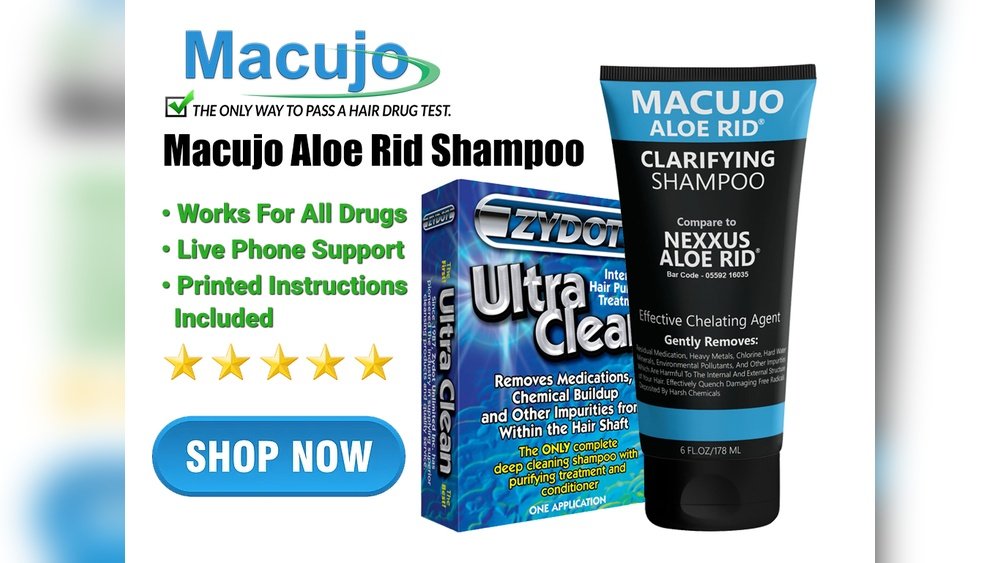
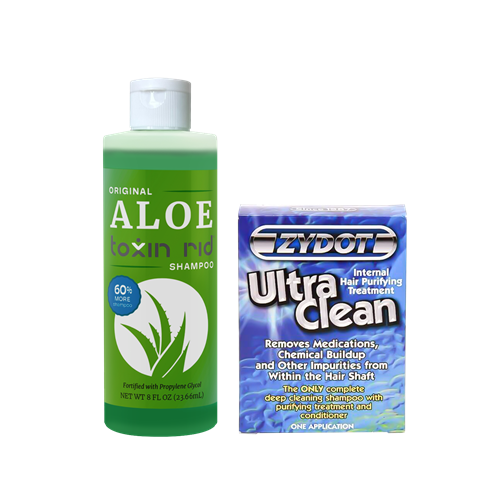
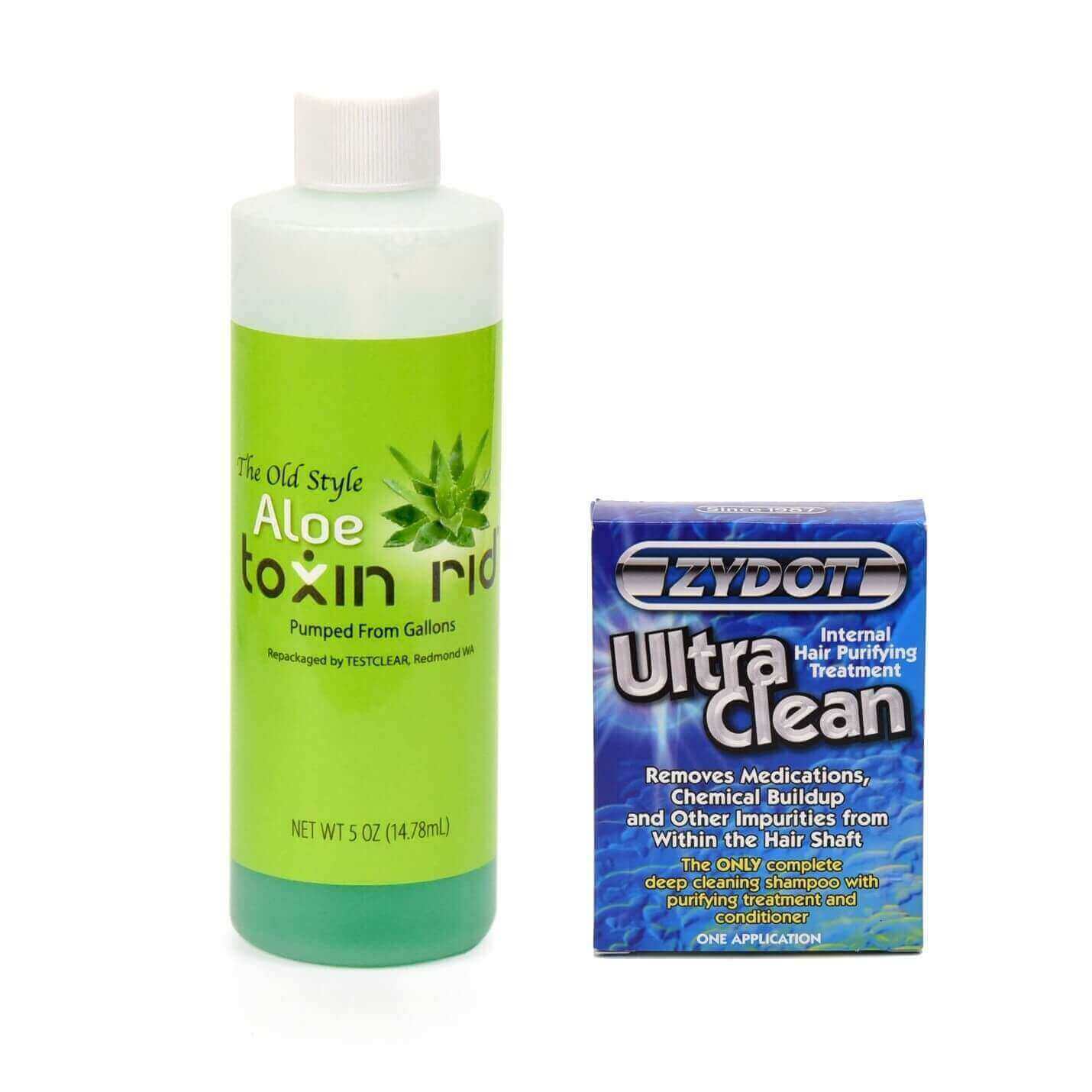
Detox Shampoos And Home Remedies
Detox shampoos promise to cleanse drugs from hair but lack strong evidence. Most contain harsh chemicals that may damage hair but not remove metabolites. Home remedies like vinegar, baking soda, or lemon juice have no scientific proof. Labs use advanced techniques to detect these attempts easily. Relying on such products often leads to failure.
Why Shaving Raises Suspicion
Shaving all hair to avoid the test raises red flags. Labs may ask for hair from other body parts or delay testing. Complete hair removal suggests an attempt to hide drug use. This can result in test refusal or assumptions of positive results. Shaving does not guarantee passing and often worsens the situation.
Safe Precautions Before Testing
Taking safe precautions before a hair follicle drug test improves your chances of passing. Proper preparation avoids mistakes that might affect your results. Knowing what to do helps reduce risks linked to hair treatments and medications. Being honest and clear with the testing staff also matters. Follow these key steps to prepare safely for your test.
Avoiding Extreme Hair Treatments
Do not bleach or dye your hair heavily before the test. Harsh chemicals can damage the hair shaft. This damage might remove drug traces or cause false results. Avoid using strong hair products or frequent treatments. Keep your hair as natural as possible in the weeks leading up to the test.
Documenting Prescription Medications
List all prescription drugs you take regularly. Some medicines may show up in drug tests. Keep a copy of your prescriptions or doctor’s note. Present these documents if questioned about test results. This helps prove your drug use is legal and prescribed by a doctor.
Communicating With Medical Review Officer
Talk openly with the Medical Review Officer (MRO). Explain any prescriptions or health conditions you have. Provide accurate information about your drug history. The MRO reviews your test results carefully. Clear communication can prevent misunderstandings or false positives.
Chemical Treatments And Their Effects
Chemical treatments can change your hair’s structure and affect drug test results. These treatments include bleaching, dyeing, and other processes that alter hair color or texture. They can damage hair and affect how drugs are detected in the follicle. Understanding these effects helps you know what to expect during a hair follicle drug test.
Bleaching And Hair Damage
Bleaching uses strong chemicals to strip color from hair. This process breaks down the hair’s outer layer, making it weaker. The damage can cause drug molecules to wash out or become less detectable. Over-bleached hair often appears dry and brittle. This damage may reduce the accuracy of drug tests but can also alert testers to tampering.
Hair Dyeing Risks
Hair dye changes hair color by adding pigments. Some dyes contain chemicals that interact with drug metabolites in hair. This may alter test results by masking or reducing drug traces. Frequent dyeing can weaken hair and cause uneven color. Test labs may notice unnatural changes, which can raise suspicion. Dyeing does not guarantee a negative test result.
Impact On Drug Detection
Chemical treatments can lower drug levels in hair samples. Bleaching often causes drug metabolites to leach out. Dyeing may hide or dilute drug traces. Labs use washing steps to remove external contaminants, but heavy treatment affects test sensitivity. Severe damage may lead to inconclusive or invalid results. Testers may request retesting or alternative drug screening methods.
Credit: www.iranmedex.com
Alternative Testing And Strategies
Alternative testing and strategies offer different ways to handle drug screenings. Hair follicle tests detect drug use over a long period. Sometimes, other methods provide quicker or less invasive results. Understanding these options can help you prepare better for drug tests.
Other Drug Testing Methods
Urine tests are the most common alternative. They detect recent drug use, usually within days. Blood tests provide accurate, short-term results but are less common. Saliva tests catch drug use from hours to a few days. Each method has its own detection window and accuracy. Choosing the right test depends on the situation and timing.
When Hair Tests Are Not Possible
Some people lack enough hair for testing. In such cases, body hair may be used instead. If no hair is available, urine or saliva tests might replace the hair test. Employers and labs sometimes allow these alternatives. Shaving all hair can raise suspicion and may lead to retesting. It is best to know the testing rules in advance.
Legal And Ethical Considerations
Drug testing must follow state and federal laws. Employers must respect privacy and consent rules. Refusing a test can have legal consequences. Trying to cheat a test may lead to job loss or legal trouble. Honest communication and understanding your rights protect you. Always follow legal advice when facing drug tests.
Credit: claritasgenomics.com
Frequently Asked Questions
How To Pass A Hair Follicle Test Asap?
Avoid drug use for the best chance to pass a hair follicle test. Heavy bleaching or dyeing may reduce drug traces but risks damaging hair. Shaving hair can raise suspicion. Inform the lab about medications. Standard washing won’t remove drug metabolites effectively.
What Can Throw Off A Hair Follicle Drug Test?
Heavy bleaching, dyeing, certain medications, environmental exposure, dark hair color, and shaving can distort hair follicle drug test results.
What Is The Best Detox To Pass A Hair Follicle Drug Test?
The best detox for a hair follicle drug test is abstaining from drugs and using repeated bleaching or dyeing cautiously. Extreme treatments may damage hair and raise suspicion. No detox shampoo guarantees success. Always disclose medications to the tester for accurate results.
Can Someone Trick A Hair Follicle Test?
Tricking a hair follicle test is very difficult. Harsh bleaching or dyeing may reduce drug traces but risks detection. Shaving hair raises suspicion. Labs detect tampering and use washing to remove contaminants. Honesty and abstaining remain the best ways to pass.
Conclusion
Passing a hair follicle drug test requires careful preparation and honest effort. Avoid using risky methods that can harm your hair or cause suspicion. Heavy bleaching or dyeing might reduce drug traces but can damage your hair and still may not guarantee a pass.
Shaving all hair can lead to more tests or doubts. Being open about medications with the testing lab helps prevent false results. Staying clean is the safest and most reliable way to pass any drug test. Remember, simple steps and honesty work best.
As an Amazon Associate, I earn from qualifying purchases.
Lovingshe is a participant in the Amazon Services LLC Associates Program which is an affiliate advertising program designed to provide a means for sites to earn advertising fees by advertising and linking to Amazon.com. Amazon may use cookies to track referrals from our site. Visit Amazon’s privacy policy for details
