


If you’re a truck driver facing a hair follicle drug test, you probably know how high the stakes are. This test can detect drug use from weeks or even months ago, making it one of the toughest screenings to pass.
You might be wondering if there’s a way to beat it without risking your job or your license. The truth is, understanding how the test works and what really affects the results can give you an edge. You’ll discover clear, practical steps that can help you prepare for a hair follicle test and increase your chances of passing.
Keep reading—your career and peace of mind depend on it.
Hair Follicle Test Basics
Understanding the basics of a hair follicle test helps truck drivers prepare better. This test checks for drug use over time using hair samples. It is different from urine or blood tests that show recent drug use.
Knowing how this test works can reduce anxiety and improve your chances of passing. Let’s explore the key points about hair follicle tests.
How It Detects Drugs
Drugs enter the bloodstream and reach hair follicles as hair grows. The test looks for drug metabolites trapped inside the hair shaft. These metabolites stay in the hair for a long period. External contamination is washed away before testing. This ensures the results show actual drug use, not just exposure.
Detection Window
The test can detect drug use from the past 90 days. Hair grows about half an inch per month, so a 1.5-inch sample shows three months of history. This long detection window makes it hard to hide drug use. Short-term or one-time use can be detected if it happened within this time frame.
Sample Collection Process
A small hair sample is cut close to the scalp, usually from the crown. The sample size is about 100 to 120 strands. The collection is simple, quick, and painless. Hair from other body parts can be used if head hair is unavailable. The sample is then sent to a lab for analysis.
Factors Affecting Test Results
Several factors affect hair follicle test results for truck drivers. Understanding these factors helps interpret test outcomes better. Each factor may influence drug detection in different ways. Awareness can guide preparation and reduce surprises during testing.
Impact Of Hair Color
Hair color plays a significant role in drug absorption. Darker hair contains more melanin, which binds drugs more strongly. This can lead to higher detected drug levels in people with dark hair. Lighter hair may show lower drug concentrations, even with similar drug use. Test results might vary due to this natural difference.
Environmental Contaminants
External substances can affect hair follicle test results. Exposure to secondhand smoke or chemicals like paint thinner may cause false positives. Labs wash hair samples to remove these contaminants, but some may still influence the test. Avoiding environments with drug smoke or strong chemicals is important before testing.
Medications And Supplements
Certain medications and supplements can impact hair test results. Drugs like ibuprofen, decongestants, and some diet pills may cause false positives. Some hair products and dyes also interfere with the test by altering drug binding. Always inform testing personnel about any medications or supplements taken.
Common Causes Of False Positives
False positives in hair follicle tests can cause serious issues for truck drivers. These errors occur when the test detects substances that are not actually drugs. Understanding common causes helps avoid unexpected results. Some everyday factors can affect test accuracy.
Hair follicle tests analyze drug residues in hair strands. External factors may contaminate the hair or interfere with test chemicals. Labs try to clean samples but cannot remove all contaminants. Below are key causes of false positives.
Secondhand Smoke Exposure
Being around people who smoke drugs can affect hair samples. Smoke particles settle on hair and skin. This contamination may show up in test results. Even brief exposure in closed spaces can be risky. Truck drivers often work near others, increasing this chance.
Use Of Over-the-counter Drugs
Some common medicines trigger false positives. Ibuprofen, decongestants, and certain diet pills may confuse tests. These drugs share chemical markers with illegal substances. Always inform the tester about any medications taken. This helps avoid misunderstandings during result analysis.
Hair Products And Dyes
Certain hair treatments can affect test results. Dyes, bleaches, and styling products contain chemicals. These may alter drug binding in hair follicles. Frequent dyeing or harsh products increase the risk. Always disclose recent hair treatments before testing.
Credit: claritasgenomics.com
Common Causes Of False Negatives
Hair follicle tests detect drug use by analyzing the hair shaft for drug metabolites. These tests are very accurate but can sometimes produce false negatives. False negatives mean the test shows no drug use even if drugs were used. Several factors can cause false negatives by affecting how drugs show up in hair samples.
Excessive Bleaching And Chemical Treatments
Harsh bleaching breaks down the hair structure. It can wash out drug metabolites from hair strands. Frequent dyeing or perming also damages hair and lowers drug detection. Chemical treatments alter the hair’s ability to hold drug traces. This damage can lead to inaccurate test results, showing no drugs even after use.
Shaving Head And Body Hair
Some try to shave all hair to avoid testing. Without hair samples, labs may use body hair instead. Body hair grows slower and holds drugs longer. This makes it easier to detect drug use. Completely shaving hair often raises suspicion and may delay testing. It does not guarantee a negative result.
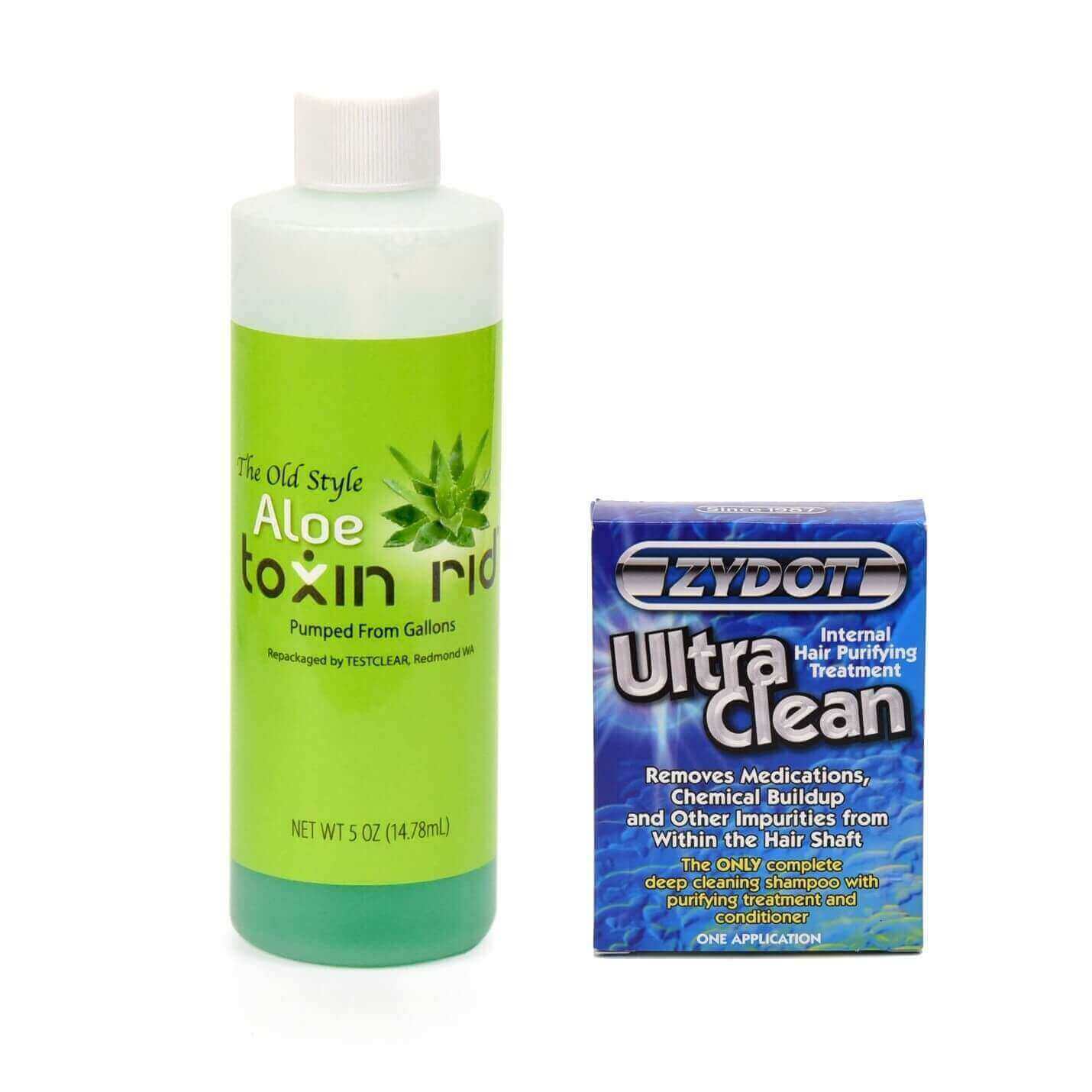
Limitations Of Washing And Detox Products
Many products claim to clean hair of drugs. These shampoos and treatments have limited success. They cannot fully remove drug metabolites inside hair strands. Lab tests include washing steps to remove external contaminants. Detox products rarely affect the core hair sample. Relying on these products alone risks a positive result.
Effective Preparation Strategies
Preparing well for a hair follicle test increases the chance of passing. Truck drivers can take simple steps to help their hair give accurate results. These strategies focus on cleaning the hair and avoiding substances that may affect the test. Proper preparation shows responsibility and respect for safety rules.
Each step plays a role. Avoiding drugs, caring for hair, and sharing medicine use all matter. This section explains key actions truck drivers should take before the test.
Abstaining From Drug Use
Stopping drug use is the best way to pass a hair follicle test. Drugs stay in hair for months. The longer you avoid drugs, the cleaner your hair will be. Even small amounts can show up. Staying drug-free helps avoid risks and keeps your job safe.
Avoiding Harsh Hair Treatments
Harsh treatments can change hair and test results. Bleaching and heavy dyeing may damage hair shafts. This damage can lower drug levels in hair samples. Use gentle shampoos and avoid strong chemicals. Healthy hair gives more accurate test results and reduces test errors.
Disclosing Medications To Testers
Some medicines affect test results. Painkillers, cold drugs, or diet pills might cause false positives. Tell testers about all medications you take. Honest disclosure helps avoid misunderstandings. Testing staff can consider this information when reviewing results.
Risks Of Attempting To Cheat
Trying to cheat on a hair follicle test brings serious risks for truck drivers. These tests are designed to detect drug use over a long period. Attempts to hide drug use by altering or removing hair can lead to suspicion and further consequences. Understanding these risks helps drivers make informed decisions.
Consequences Of Shaving All Hair
Shaving all your hair may seem like a quick fix. Testing labs see this as an attempt to avoid the test. It often leads to an automatic failed result or retesting by other means. Employers may view this as a sign of drug use. This can harm your reputation and job prospects.
Detecting Chemical Tampering
Many try using chemicals to hide drug traces in hair. Labs have advanced methods to detect these chemicals. Signs of bleaching or chemical treatments raise red flags. Testing facilities can reject tampered samples. This increases the chance of test failure and job loss.
Legal And Employment Implications
Cheating on drug tests can have legal consequences. Some states have laws against tampering with test samples. Employers may take disciplinary action or terminate employment. Failing a drug test might lead to losing your commercial driver’s license. Honest testing remains the safest path for truck drivers.
Safe Hair Care Tips Before Testing
Preparing your hair before a follicle test plays a key role in ensuring accurate results. Safe hair care keeps your hair clean and healthy without adding chemicals that might alter test outcomes. Simple habits help maintain your natural hair condition and avoid unwanted effects on the test.
Gentle Shampooing
Use a mild shampoo designed for daily use. Harsh shampoos strip natural oils and can damage hair. Wash your hair regularly, but do not over-wash. Over-washing may weaken hair and affect test results. Rinse thoroughly to remove all shampoo residues. Avoid shampoos with strong chemicals or heavy fragrances.
Avoiding New Hair Dyes
Do not apply new hair dyes before the test. Hair dye chemicals may interfere with the test process. Fresh dye can alter the hair’s chemical makeup and create false readings. If you recently dyed your hair, wait several weeks before testing. Stick to your natural hair color to avoid complications. Avoid bleaching or coloring products as well.
Maintaining Natural Hair Condition
Keep your hair in its natural state. Avoid chemical treatments like bleaching, perming, or relaxing. These treatments damage the hair shaft and may affect drug detection. Use conditioner to keep hair soft and hydrated. Protect hair from excessive sun exposure and heat styling. Healthy hair presents the most reliable test results.
Credit: www.simpleform2290.com
What To Do If You Fail
Failing a hair follicle test can feel overwhelming for truck drivers. It might impact your career or job opportunities. Taking the right steps after a failed test is important. Knowing your options helps you handle the situation calmly and wisely.
Requesting Retests
You can ask for a retest to confirm the results. Retests use the same hair sample or a new one. This helps rule out errors or contamination. Act quickly to request a retest within the allowed time. Check your company or testing agency’s policy on retesting.
Consulting Medical Review Officers
Medical Review Officers (MROs) review test results. They check for legitimate medical reasons behind positive results. Talk to the MRO if you use prescription drugs. Provide proof like prescriptions or doctor’s notes. The MRO can help explain or challenge the test outcome.
Seeking Legal Advice
Legal experts can guide you through the process. They understand drug testing laws and your rights. A lawyer can advise on challenging unfair results. They also help protect your job and future. Consider legal advice especially if your livelihood is at risk.

Credit: startcdl.com
Frequently Asked Questions
How To Pass A Hair Follicle Test Asap?
Avoid drug use to pass a hair follicle test quickly. Excessive bleaching or dyeing may reduce drug traces but can damage hair. Shaving all hair raises suspicion. Labs detect tampering, so honesty and medical disclosure remain best.
What Can Throw Off A Hair Follicle Drug Test?
Heavy hair treatments, certain medications, environmental exposure, hair color, and shaving can affect hair follicle drug test results.
Can Someone Trick A Hair Follicle Test?
Tricking a hair follicle test is difficult due to drug incorporation in hair shafts. Extreme bleaching or shaving may alter results but raises suspicion. Labs detect tampering, making cheating risky and unreliable. Abstaining from drug use remains the only sure way to pass the test.
What Is The Best Detox To Pass A Hair Follicle Drug Test?
The best detox for a hair follicle drug test is to abstain from drugs long-term. Bleaching hair may reduce drug traces but risks damage and suspicion. No quick, guaranteed detox exists; honesty and time remain the safest approach.
Conclusion
Passing a hair follicle test requires careful preparation and honesty. Avoid drugs well before testing to ensure clean results. Chemical treatments like bleaching may affect test accuracy but carry risks. Shaving hair can raise suspicion and often leads to further tests.
Stay informed about factors that impact results, such as medications and environmental exposure. Remember, the safest way to pass any drug test is to stay drug-free. Keep your health and career priorities clear as you move forward.
As an Amazon Associate, I earn from qualifying purchases.
Lovingshe is a participant in the Amazon Services LLC Associates Program which is an affiliate advertising program designed to provide a means for sites to earn advertising fees by advertising and linking to Amazon.com. Amazon may use cookies to track referrals from our site. Visit Amazon’s privacy policy for details
