


If you’re looking for a simple, natural way to boost your hair’s health and encourage growth, rosemary water might be just what you need. This easy-to-make herbal rinse has been used for centuries to refresh the scalp, strengthen strands, and even reduce dandruff.
Imagine giving your hair a gentle daily treatment that nourishes your roots and leaves your locks feeling soft and vibrant—all with ingredients you can find in your kitchen. You’ll learn exactly how to make rosemary water for your hair, how to use it effectively, and why it could become your new favorite hair care secret.
Ready to transform your hair routine? Let’s dive in!
Benefits For Hair
Rosemary water offers many benefits for hair. It nourishes the scalp and supports healthy hair growth. Using rosemary water regularly can improve the overall condition of your hair. This natural remedy is gentle and easy to make at home.
Scalp Health
Rosemary water helps keep the scalp clean and balanced. It reduces dryness and flakiness. Its natural antiseptic properties fight scalp infections. A healthy scalp creates the perfect environment for hair to grow strong.
Improved Circulation
Applying rosemary water boosts blood flow to hair follicles. Better circulation means more nutrients reach the roots. This supports new hair growth and slows down hair loss. Massaging rosemary water into the scalp improves this effect.
Hair Strengthening
Rosemary water strengthens hair strands from root to tip. It reduces breakage and split ends. Hair becomes thicker and more resilient over time. Using rosemary water regularly can lead to shinier, healthier hair.
Ingredients Needed
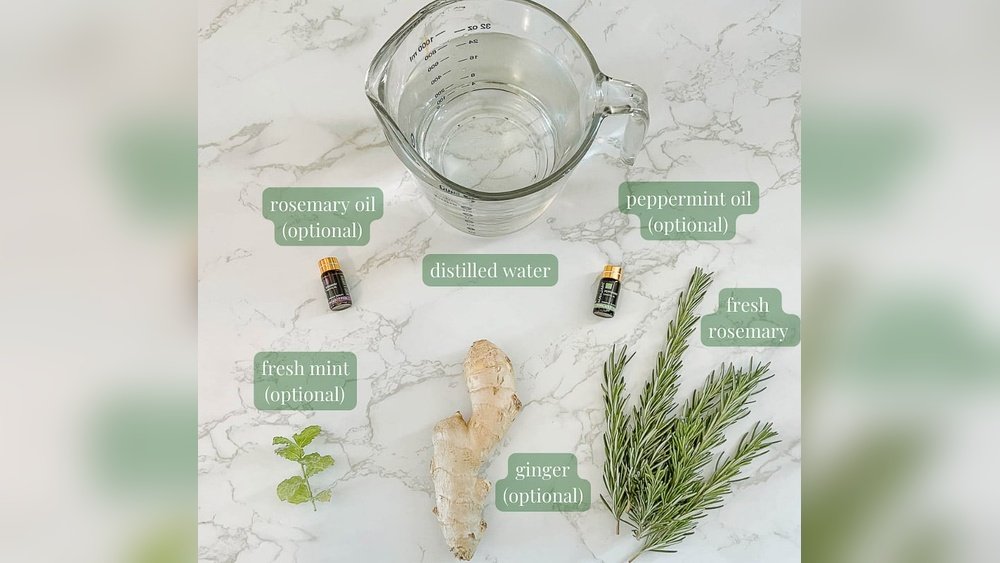
Gathering the right ingredients is the first step to making effective rosemary water for hair. Each component plays a key role in creating a healthy and refreshing hair treatment. The ingredients are simple and easy to find.
Fresh Rosemary
Use fresh rosemary sprigs for the best results. Fresh rosemary has potent oils that nourish the scalp. Pick bright green leaves without any wilting or browning. You will need about 3 to 4 sprigs for one cup of water.
Water
Use clean, filtered water to extract the rosemary’s benefits. Filtered or distilled water helps avoid impurities. Boil about one cup of water to steep the rosemary properly. Hot water releases the herb’s natural oils and aroma.
Optional Additives
Additives can boost the rosemary water’s effects or scent. A few drops of essential oils like lavender or peppermint enhance freshness. Apple cider vinegar can balance scalp pH and add shine. These extras are not necessary but can improve your homemade hair rinse.
Preparation Steps
Making rosemary water for hair starts with simple preparation steps. These steps help extract the benefits of rosemary into water effectively. Follow each part carefully to get the best results for your hair care routine.
Boiling Water
Begin by boiling clean, fresh water. Use about two cups for a small batch. Boiling helps kill germs and prepares water for rosemary infusion. Wait until the water reaches a rolling boil before moving to the next step.
Steeping Rosemary
Add fresh or dried rosemary to the hot water. Use two to three sprigs or one to two tablespoons of dried rosemary. Cover the container to keep the steam in. Let the rosemary steep for 30 to 45 minutes to release its oils and nutrients.
Straining And Cooling
After steeping, strain the rosemary water using a fine mesh strainer. Remove all rosemary leaves and stems. Let the water cool completely before use. Store it in a clean bottle or spray container for easy application.

Credit: alifeadjacent.com
How To Apply
Applying rosemary water correctly helps you get the best results for hair health. Use the right method to nourish your scalp and hair strands effectively. You can choose daily spraying, scalp massage, or decide to leave it in or rinse out. Each way offers unique benefits. Experiment to find what suits your hair type and routine.
Daily Spraying
Pour rosemary water into a spray bottle for easy use. Lightly mist your scalp and hair every day. This keeps your scalp hydrated and fresh. Spray before styling or after washing your hair. Avoid soaking the hair too much to prevent greasiness. Daily spraying supports hair growth and reduces dryness.
Massaging The Scalp
Apply rosemary water directly to your scalp using your fingers. Massage gently for 3-5 minutes to boost blood flow. This helps the rosemary water reach the hair follicles better. Massaging also relaxes your scalp and reduces tension. Use this method 2-3 times a week for best results.
Leave-in Or Rinse Options
You can leave rosemary water in your hair as a light mist. Let it dry naturally before styling to seal in moisture. Alternatively, use it as a final rinse after shampooing. Pour rosemary water over your hair, then gently towel dry. Both options nourish hair, but leaving it in offers longer-lasting effects.
Storage Tips
Proper storage of rosemary water keeps it fresh and effective for hair care. Follow simple steps to maintain its quality. Avoid contamination and spoilage by storing it correctly. Here are key tips for storing your rosemary water safely and conveniently.
Using Spray Bottles
Transfer rosemary water into a clean spray bottle. Spray bottles allow easy and even application on hair. Use dark or opaque bottles to protect from light. Light can reduce the potency of rosemary water over time. Clean the spray nozzle regularly to avoid clogging.
Refrigeration
Store rosemary water in the refrigerator to extend its freshness. Cool temperature slows bacterial growth and preserves aroma. Keep the bottle tightly closed to prevent odors from other foods. Avoid leaving rosemary water at room temperature for long periods.
Shelf Life
Homemade rosemary water lasts about 1 to 2 weeks in the fridge. After this, it may lose its scent and benefits. Discard if you notice a strange smell or cloudiness. Making small batches helps keep the water fresh for each use.

Credit: homesteadhow-to.com
Precautions
Rosemary water offers many benefits for hair health. It can soothe the scalp, promote growth, and add shine. Taking simple precautions helps avoid unwanted side effects. Careful use ensures safe and effective results. Follow these key safety steps before regular application.
Patch Testing
Test rosemary water on a small skin area first. Apply a little behind your ear or on your wrist. Wait 24 hours to check for redness or itching. No reaction means it is safe to use on your scalp. This step helps prevent allergic reactions.
Hair Color Considerations
Rosemary water may slightly darken light or dyed hair. It works well with natural hair colors. If your hair is light or color-treated, use it sparingly. Avoid daily use at first to see how your hair reacts. Adjust frequency to protect your hair color.
Monitoring For Irritation
Watch for any scalp irritation after applying rosemary water. Stop using it if you feel burning, redness, or itching. Gently rinse your hair to soothe the scalp. Use rosemary water less often or dilute it more if irritation occurs. Always listen to your scalp’s signals.
Rosemary Water Vs. Rosemary Oil
Rosemary water and rosemary oil both support hair health but differ in form and strength. Understanding these differences helps you choose the right one for your hair care routine. Each has unique benefits and uses depending on your needs.
Potency Differences
Rosemary oil is highly concentrated. Just a few drops deliver a strong dose of rosemary’s benefits. Rosemary water is much milder. It contains a diluted form of rosemary’s active compounds. This makes water gentler for sensitive scalps and daily use.
Usage Frequency
Rosemary water can be used daily without issues. Its light nature suits frequent application. Rosemary oil should be used less often. Overuse may irritate the scalp or cause dryness. Many people apply rosemary oil two to three times per week.
Dilution Needs
Rosemary oil must be diluted before use. Mixing with a carrier oil prevents skin irritation. Rosemary water needs no dilution. It is already diluted during preparation. This makes rosemary water easier to use directly on hair and scalp.

Credit: theseasidecalls.com
Frequently Asked Questions
How To Make Your Own Rosemary Water For Hair?
Boil fresh rosemary sprigs in water for 15 minutes. Cool, strain, and pour into a spray bottle. Store refrigerated. Spray on scalp daily for healthy hair growth.
Can I Spray Rosemary Water On My Hair Daily?
Yes, you can spray rosemary water on your hair daily. Use it as a light mist on the scalp to promote health and hair growth. Always do a patch test first and store the water in the fridge. Stop use if irritation occurs.
What To Mix With Rosemary Water For Hair Growth?
Mix rosemary water with aloe vera gel, coconut oil, or peppermint oil to boost hair growth and scalp health effectively.
How Long Should You Leave Rosemary Water In Your Hair?
Leave rosemary water in your hair for at least one hour or let it dry naturally before rinsing or styling.
Conclusion
Making rosemary water for hair is simple and effective. Use fresh rosemary and clean water for best results. Apply the water gently to your scalp and hair daily. Massage helps the scalp absorb nutrients better. Store your rosemary water in the fridge to keep it fresh.
Be patient—hair improvements take time and regular care. Watch for any skin reactions before regular use. This natural remedy supports scalp health and may boost hair strength. Enjoy a gentle, easy way to care for your hair at home.
As an Amazon Associate, I earn from qualifying purchases.
Lovingshe is a participant in the Amazon Services LLC Associates Program which is an affiliate advertising program designed to provide a means for sites to earn advertising fees by advertising and linking to Amazon.com. Amazon may use cookies to track referrals from our site. Visit Amazon’s privacy policy for details
