


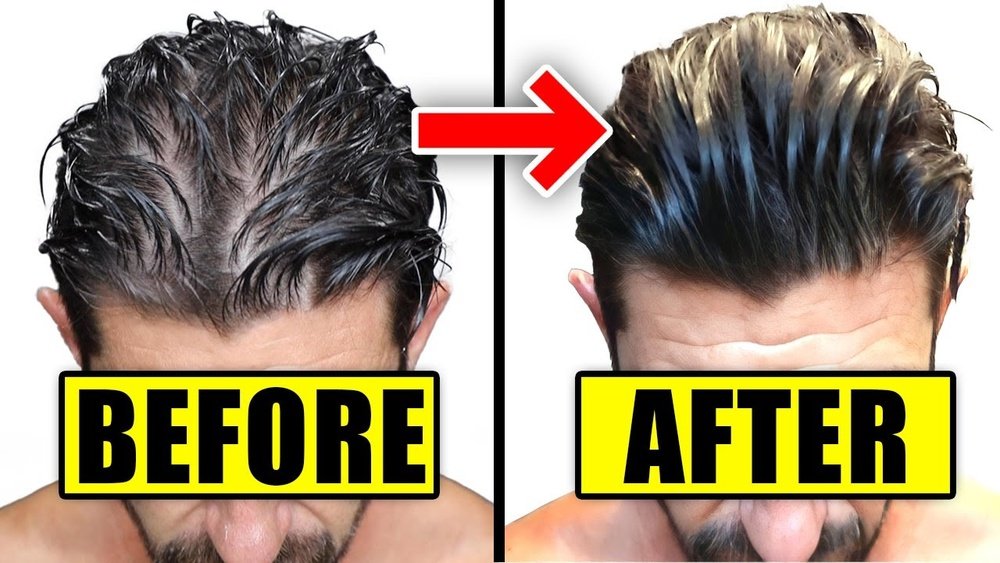
Are you tired of feeling like your hair looks thin and lifeless? You’re not alone, and the good news is that thicker, fuller hair is within your reach.
Imagine running your fingers through soft, voluminous strands that frame your face perfectly. Whether your hair has naturally become thinner over time or you’ve noticed a dip in its fullness recently, there are simple, effective steps you can take right now to boost your hair’s thickness.
You’ll discover easy-to-follow tips—from what you eat to how you care for your scalp—that can transform your hair’s health and appearance. Ready to unlock the secret to thicker hair? Keep reading, because your best hair days are just ahead.
Nutrient-rich Diet
A nutrient-rich diet plays a vital role in making hair thicker. Healthy hair starts from within. Eating the right foods gives hair the building blocks it needs to grow strong and full. Nutrients like protein, minerals, and omega fatty acids support hair structure and scalp health. Without enough nutrients, hair can become thin and weak. Focus on balanced meals with natural, whole foods. This approach helps improve hair texture and volume over time.
Protein Sources
Hair is mostly made of a protein called keratin. Eating enough protein supports hair growth and strength. Good sources include eggs, chicken, fish, and lean meats. Plant-based options like beans, lentils, and tofu also provide protein. Include protein in every meal to supply your hair with constant nourishment. Protein helps repair damaged hair and reduce breakage. Consistent intake leads to thicker, healthier hair strands.
Essential Minerals
Minerals like iron and zinc are key for healthy hair. Iron helps carry oxygen to hair follicles. Zinc supports cell growth and repair. Foods rich in iron include spinach, lentils, and red meat. Pumpkin seeds, nuts, and whole grains are good zinc sources. Deficiencies in these minerals can cause hair thinning. Eating mineral-rich foods boosts scalp health and hair growth. They strengthen hair roots and prevent shedding.
Omega Fatty Acids
Omega fatty acids keep hair hydrated and shiny. They reduce inflammation in the scalp, promoting a healthy environment for hair growth. Salmon, mackerel, and sardines are rich in omega-3s. Plant sources include chia seeds, flaxseeds, and walnuts. Regular intake of omega fatty acids improves hair elasticity and reduces dryness. This results in thicker, softer hair that resists damage better.
Gentle Hair Care
Gentle hair care plays a key role in making hair thicker. Treating hair softly avoids damage that leads to thinning and breakage. Simple changes in daily habits can protect hair and help it grow stronger and fuller over time.
Choosing gentle methods supports hair health without stressing the strands or scalp. This creates the best environment for thicker, healthy hair to thrive.
Avoid Heat And Harsh Styling
Heat tools like straighteners and curling irons weaken hair fibers. Frequent use causes dryness and breakage. Skip tight hairstyles that pull on roots. These habits damage hair and reduce volume. Opt for loose styles and limit heat exposure to protect strands.
Smart Washing Techniques
Use a mild shampoo designed for volume or gentle cleansing. Avoid washing hair daily to prevent stripping natural oils. Rinse with cool water to close cuticles and add shine. Gently massage the scalp to boost circulation without rough scrubbing.
Natural Oils And Treatments
Applying natural oils nourishes hair and scalp deeply. Coconut oil, castor oil, and aloe vera strengthen follicles and add moisture. Use these oils as masks before washing or as leave-in treatments. Regular care with natural ingredients improves thickness and softness.
Air Drying Benefits
Letting hair air dry reduces heat damage from blow dryers. Air drying keeps hair cuticles smooth and prevents dryness. It helps maintain natural volume and texture. Pat hair gently with a towel and avoid vigorous rubbing to protect strands.
Scalp Stimulation
Scalp stimulation helps improve hair thickness by boosting blood flow. Better circulation brings more nutrients to hair roots. This encourages stronger, thicker hair growth. Regular care and natural oils support healthy scalp conditions.
Stimulating the scalp can also reduce hair thinning. It wakes up dormant follicles and promotes new growth. Simple habits can make a big difference over time.
Regular Scalp Massage
Massaging the scalp increases blood circulation to hair follicles. Use your fingertips to gently rub your scalp in small circles. Spend five to ten minutes daily for best results. This practice relaxes the scalp and improves nutrient delivery. Avoid using nails to prevent irritation. You can do this before shampooing or at bedtime. Over time, regular massage can make hair appear thicker and fuller.
Using Rosemary And Castor Oils
Rosemary oil stimulates hair growth and reduces scalp inflammation. Castor oil nourishes and moisturizes hair strands deeply. Mix a few drops of rosemary oil with castor oil for a powerful blend. Warm the mixture slightly before applying to your scalp. Massage gently to help the oils absorb well. Leave it on for at least 30 minutes or overnight for better effects. Wash your hair with a mild shampoo afterward. Using these oils twice a week can strengthen hair roots and add volume.

Credit: www.formen.health
Lifestyle Adjustments
Lifestyle changes play a key role in making hair thicker. Small habits impact hair health daily. Adjustments can improve hair strength and volume over time. Focus on stress control, hydration, and avoiding harmful substances. These steps support natural hair growth and reduce hair loss risks.
Stress Management
Stress causes hair to thin and fall out faster. Managing stress lowers hormone levels that harm hair follicles. Practice simple relaxation techniques like deep breathing or light exercise. Regular breaks and hobbies help calm the mind. A calm mind supports healthy hair growth.
Hydration Importance
Drinking enough water keeps hair hydrated from inside. Dehydrated hair looks dry, brittle, and thin. Aim for at least eight glasses of water daily. Proper hydration supports scalp health and improves hair texture. Water also aids nutrient delivery to hair roots.
Avoid Smoking And Excess Alcohol
Smoking reduces blood flow to the scalp and damages hair follicles. Alcohol dehydrates the body and strips essential nutrients. Both habits weaken hair structure and slow growth. Cutting back or quitting smoking and alcohol improves hair thickness. Healthy habits protect hair and overall well-being.
Styling Tricks For Volume
Adding volume to your hair can instantly make it look thicker and fuller. Simple styling tricks help lift flat hair and create a natural boost. These easy methods work for all hair types and require minimal effort.
Try changing your daily routine slightly to see a big difference in hair volume. Small adjustments in how you style can make your hair appear much thicker.
Changing Hair Part
Switch your hair part to the opposite side to add instant volume. Hair tends to flatten where it usually parts. Flipping the part lifts hair at the roots and creates a fuller look. This simple change can make hair look thicker without any products.
Volumizing Products
Use volumizing mousse or spray to add body and lift to hair. Apply these products at the roots on damp hair before drying. They help hair hold shape and prevent it from falling flat. Choose lightweight formulas to avoid weighing hair down.
Dry Shampoo For Texture
Dry shampoo is not just for freshening hair; it adds texture and volume too. Spray it at the roots and gently massage to lift hair and absorb oils. This creates a matte finish and fuller appearance. Dry shampoo works well between washes to keep hair looking thick.
Credit: www.youtube.com
Natural Remedies
Natural remedies offer a gentle way to boost hair thickness. They nourish hair follicles and scalp without harsh chemicals. Regular use can improve hair texture and strength over time. Many natural ingredients have vitamins and minerals that support hair growth. These treatments fit well into any hair care routine.
Aloe Vera Applications
Aloe vera soothes the scalp and reduces dandruff. It contains enzymes that repair dead skin cells. Apply fresh aloe gel directly to the scalp. Leave it on for 30 minutes before washing. Aloe vera moisturizes hair and promotes healthy growth. Use it twice a week for best results.
Coconut Oil Benefits
Coconut oil penetrates deep into the hair shaft. It reduces protein loss and prevents breakage. Warm the oil slightly and massage it into the scalp. Leave it overnight or for a few hours before washing. Coconut oil also adds shine and softness to hair. Use it regularly to see thicker hair over time.
Other Herbal Treatments
Herbs like rosemary, hibiscus, and fenugreek support hair growth. Rosemary oil improves blood circulation in the scalp. Hibiscus flowers strengthen hair roots and add volume. Fenugreek seeds contain proteins that repair damaged hair. Prepare herbal pastes or oils and apply to the scalp. Use these treatments once or twice weekly for thicker hair.
Hair Thickness Timeline
The journey to thicker hair does not happen overnight. It requires time, care, and patience. Understanding the hair thickness timeline helps set clear expectations and keeps you motivated. Hair grows about half an inch per month, so visible changes take weeks.
Following a healthy routine boosts hair strength and volume. Improvements appear gradually as new, thicker strands replace thinner ones. Consistency in care is key to seeing results over time.
What To Expect Over Weeks
During the first two weeks, hair may feel healthier but look the same. Scalp health improves, setting the stage for stronger growth. By weeks four to six, some new growth appears. Hair strands may look fuller and thicker at the roots.
After two months, noticeable volume increases happen. Hair becomes stronger and less prone to breakage. By three months, many see a clear difference in thickness and texture. The new hair growth is firmer and denser.
Patience And Consistency
Patience is essential when trying to thicken hair naturally. Changes take time because hair grows slowly. Sticking to your hair care routine daily matters most. Skipping treatments or harsh styling slows progress.
Consistent nutrition, gentle care, and scalp massages support the process. Avoid stress and damage to keep hair healthy. Over time, these habits create a lasting difference in hair thickness.

Credit: olaplex.com
Frequently Asked Questions
How To Make Hair Thicker Naturally?
Eat a protein-rich diet with vitamins and minerals. Massage your scalp regularly to boost circulation. Use natural oils like coconut or aloe vera. Avoid heat styling and harsh brushing. Manage stress and stay hydrated for healthier, thicker hair over time.
Can Thin Hair Be Thick Again?
Thin hair can become thicker by improving scalp health, eating nutrient-rich foods, reducing stress, and using gentle hair care routines. Regular scalp massages and natural treatments like coconut oil also support follicle nourishment and hair growth over time. Consistency is key for visible results.
How To Thicken Hair In 7 Days?
Eat protein-rich foods, massage your scalp daily, avoid heat styling, use coconut oil, reduce stress, stay hydrated, and apply volumizing products.
Do Hair Thickening Products Really Work?
Hair thickening products can enhance hair’s appearance by adding volume and texture. Results vary by product and hair type. Consistent use improves fullness temporarily but does not increase actual hair density. Combining products with healthy hair care boosts effectiveness for thicker-looking hair.
Conclusion
Making hair thicker requires patience and consistent care. Focus on a healthy diet rich in protein and minerals. Treat your hair gently to avoid damage. Use natural oils and scalp massages to boost growth. Manage stress and stay hydrated for better hair health.
Simple styling tricks can add volume quickly. Remember, results take time but keep following these steps. Your hair will look fuller and healthier with regular effort. Stay patient and enjoy the process of improving your hair naturally.
As an Amazon Associate, I earn from qualifying purchases.
Lovingshe is a participant in the Amazon Services LLC Associates Program which is an affiliate advertising program designed to provide a means for sites to earn advertising fees by advertising and linking to Amazon.com. Amazon may use cookies to track referrals from our site. Visit Amazon’s privacy policy for details
