


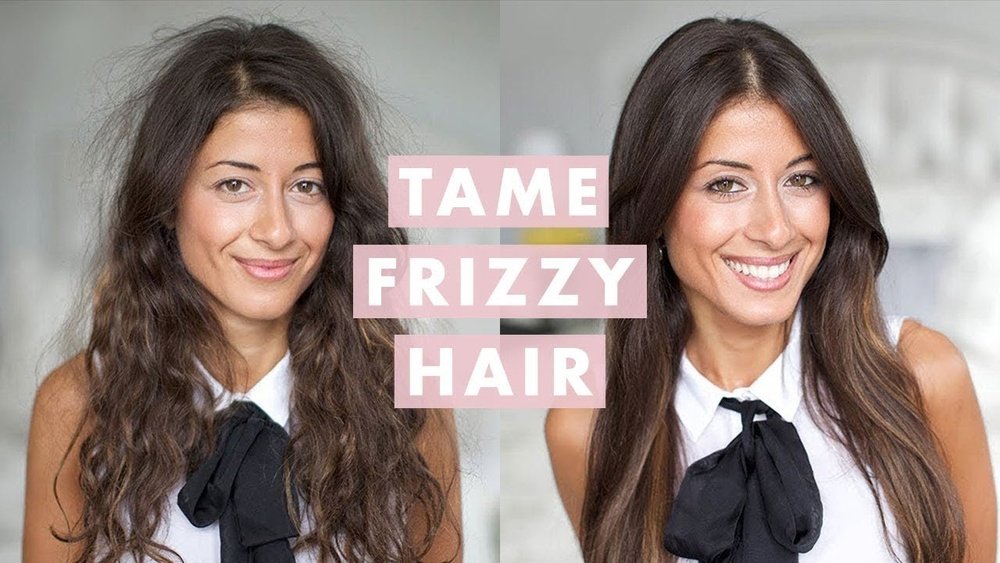
Frizzy hair can feel like a constant battle, especially when humidity or dryness takes over your locks. If you’re tired of waking up to wild, unmanageable strands or struggling to keep your hair smooth throughout the day, you’re not alone.
The good news? You don’t have to accept frizz as your everyday reality. With the right care and simple changes to your routine, you can tame your hair and enjoy a sleek, polished look every day. Keep reading to discover easy, effective tips that will help you make your hair less frizzy and boost your confidence with every strand.
Causes Of Frizz
Frizz occurs when hair strands swell and lose their smooth texture. Understanding the causes helps control it better. Several factors cause hair to become frizzy, affecting its look and feel. Identifying these causes is the first step toward managing frizz effectively.
Humidity Effects
Humidity is a major cause of frizz. Hair absorbs moisture from the air. This causes strands to swell and lift. Raised cuticles make hair look rough and frizzy. Humid air disrupts hair’s natural moisture balance. This makes it hard to keep hair smooth.
Hair Damage
Damaged hair has rough, broken cuticles. These cracks let moisture enter and escape easily. Damage comes from heat styling, coloring, and harsh chemicals. Over-brushing and tight hairstyles also harm hair. Damaged cuticles cause hair to lose shine and feel coarse.
Dry Scalp And Roots
A dry scalp means less natural oil production. Oils keep hair soft and protected. Without enough oil, hair becomes dry and brittle. Dry roots lead to frizz along the hair shaft. Lack of moisture from the scalp makes hair strands rough and flyaway.

Credit: www.youtube.com
Best Washing Practices
Washing hair the right way can help reduce frizz significantly. Proper washing keeps hair cuticles smooth and locks in moisture. It also prevents damage that causes hair to look dry and fuzzy. Follow these best washing practices to make your hair less frizzy and healthier.
Using Warm And Cool Water
Start washing hair with warm water to open the cuticles. This helps shampoo and conditioner work better. Rinse hair with cool water at the end to close cuticles. Closed cuticles make hair smoother and less prone to frizz.
Choosing Sulfate-free Shampoo
Sulfate-free shampoos clean hair gently without stripping natural oils. Oils keep hair hydrated and soft. Using harsh shampoos can dry out hair and cause frizz. Pick shampoos labeled sulfate-free for better moisture balance.
Importance Of Conditioner
Conditioner adds needed moisture to hair strands. It smooths the hair surface and reduces roughness. Skipping conditioner leaves hair dry and more frizzy. Apply conditioner mainly on the ends where hair is driest.
Gentle Towel Drying
Use a soft towel or microfiber cloth to blot hair gently. Avoid rubbing hair vigorously as it creates friction and frizz. Press the towel lightly to remove excess water. Handle wet hair carefully to keep it smooth.
Handling Wet Hair
Wet hair is delicate and prone to damage. How you handle it affects frizz. Proper care at this stage helps keep hair smooth and healthy. Avoid harsh actions that roughen the hair cuticle. Use gentle tools and products to protect strands.
Follow simple habits to tame frizz while hair is wet. They promote even moisture and reduce breakage. Here are key steps for handling wet hair well.
Wide-tooth Comb Use
Use a wide-tooth comb to detangle wet hair. It causes less breakage than a brush. Start combing at the ends and move upwards slowly. This method eases out knots without pulling. Avoid combing hair when it is dripping wet. Let it drip-dry a little first.
Applying Detangler And Leave-ins
Apply a detangler or leave-in conditioner on wet hair. These products add slip and moisture. They make combing easier and reduce static. Spread the product evenly from roots to tips. Use only a small amount to avoid weighing hair down. Choose formulas suited for your hair type.
Avoiding Rough Rubbing
Never rub wet hair with a towel. Rubbing roughs up the hair cuticle, causing frizz. Instead, gently blot or squeeze out excess water. Use a soft microfiber towel or a cotton T-shirt. These materials reduce friction and protect hair strands. Patience is key to keeping hair smooth.
Drying Techniques
Drying techniques play a key role in reducing hair frizz. The way you dry your hair affects its moisture and texture. Choosing the right drying method can keep your hair smooth and shiny. Below are simple drying tips to help tame frizzy hair effectively.
Air Drying Benefits
Air drying is the gentlest way to dry hair. It does not expose hair to heat damage. When hair dries naturally, cuticles stay smooth and sealed. This reduces frizz and keeps hair soft. Avoid rubbing hair with a towel. Instead, gently blot excess water to prevent roughness. Air drying also saves time and energy.
Diffusing With Heat Protectant
Diffusing uses a blow dryer with a special attachment. It spreads heat evenly and reduces direct heat exposure. Always apply a heat protectant spray before diffusing. This forms a shield around hair strands. Use the diffuser on low or medium heat settings. Point the nozzle downward to keep cuticles flat. Diffusing helps maintain curls and volume without frizz.
Avoiding Hot Water
Hot water can strip natural oils from hair. This leaves hair dry and prone to frizz. Wash hair with warm water to clean gently. Finish with a cold rinse to close hair cuticles. Closed cuticles lock in moisture and make hair look shiny. Avoid using very hot water during hair washing. It protects hair from becoming rough and frizzy.
Styling Tips
Styling plays a big role in reducing hair frizz. Choosing the right products and habits can keep your hair smooth and shiny throughout the day. Simple changes in your styling routine help lock in moisture and protect hair from humidity. Follow these tips to make your hair less frizzy and easier to manage.
Leave-in Conditioners And Serums
Leave-in conditioners add extra moisture to your hair. They help keep strands hydrated and soft. Apply a small amount to damp hair before styling. Serums create a protective layer on the hair surface. They seal the cuticle and reduce flyaways. Use a few drops on dry or damp hair to smooth frizz.
Anti-frizz Products
Anti-frizz products are specially made to tame unruly hair. Look for creams, sprays, or oils labeled as anti-frizz. These products control static and block humidity. Apply them sparingly to avoid weighing hair down. Focus on mid-lengths and ends where frizz is most common.
Minimizing Hair Touching
Touching your hair often spreads oils and dirt from your hands. This causes hair to become greasy and frizzy. Try to keep your hands off your hair during the day. Avoid running fingers through your hair or playing with it. This simple habit helps hair stay smooth longer.

Credit: chezvoushair.com
Overnight Hair Care
Overnight hair care plays a key role in reducing frizz. Your hair repairs itself while you sleep. Using the right techniques helps keep strands smooth and soft. Simple changes to your nighttime routine can protect your hair from damage and dryness.
Sleeping On Silk Or Satin
Silk and satin pillowcases cause less friction than cotton. This reduces hair breakage and frizz. Hair slides smoothly across the fabric, preventing tangles. These materials also help retain natural oils, keeping hair hydrated. Switching to silk or satin pillowcases can improve hair texture overnight.
Using Silk Scarves
Wrapping hair in a silk scarf locks in moisture. It shields hair from rubbing against rough fabrics. Silk scarves keep hair in place and reduce flyaways. You can tie your hair loosely to avoid tension. This method works well for all hair types to reduce frizz.
Protective Hairstyles For Sleep
Braids, buns, and twists protect hair strands while sleeping. These styles limit hair movement and prevent friction. Use soft hair ties to avoid damage. Protective hairstyles help maintain moisture and reduce breakage. Choose a style that feels comfortable to wear overnight.
Regular Maintenance
Regular maintenance plays a key role in keeping hair smooth and less frizzy. Consistent care helps keep hair cuticles sealed and healthy. This reduces the chances of frizz caused by dryness and damage. Simple habits can make a big difference in hair texture and shine.
Following a routine that includes trims, gentle styling, and avoiding strain on hair keeps it strong. Here are some important steps under regular maintenance to control frizz effectively.
Getting Regular Trims
Trimming hair every six to eight weeks removes split ends. Split ends make hair look rough and increase frizz. Fresh cuts keep hair ends neat and healthy. This prevents frizz from spreading up the hair shaft. Regular trims also encourage hair to grow stronger.
Protective Styling
Protective styles shield hair from daily wear and tear. Styles like braids, buns, or twists reduce exposure to wind and friction. They keep hair strands aligned and prevent tangling. Protective styling locks in moisture and limits breakage. These styles are gentle and help hair retain smoothness.
Avoiding Tight Hairstyles
Tight hairstyles pull hair roots and cause stress. This can lead to breakage and frizz around the hairline. Avoid ponytails or buns that pull too hard. Choose loose styles that do not strain the scalp. Giving hair a break from tight tension allows it to stay healthy and less frizzy.

Credit: www.highland.style
Frequently Asked Questions
How Do I Stop My Hair From Being Frizzy?
Use sulfate-free shampoo and conditioner to hydrate hair. Gently towel-blot with a microfiber cloth. Apply leave-in conditioner and anti-frizz serum. Air-dry or diffuse with heat protectant. Sleep on silk and trim regularly. Avoid hot water, over-brushing, and tight hairstyles to reduce frizz effectively.
What Causes Frizzy Hair?
Frizzy hair occurs when hair cuticles lift and lose moisture. Humidity, heat damage, and harsh products worsen frizz. Dryness and rough handling also cause frizz by roughening hair strands.
How Do I Get Rid Of Frizz In 5 Minutes?
Apply a leave-in conditioner or anti-frizz serum to damp hair. Gently comb with a wide-tooth comb. Use a microfiber towel to blot excess water. Blow-dry on low with a diffuser and heat protectant. Finish by smoothing with a lightweight oil or cream for instant frizz control.
Can I Fix Frizzy Hair Naturally?
Yes, you can fix frizzy hair naturally by moisturizing with sulfate-free products, using leave-in conditioners, and avoiding heat damage. Sleep on silk, air-dry hair, and trim regularly to keep cuticles smooth. Handle hair gently and protect it from humidity to reduce frizz effectively.
Conclusion
Controlling frizz takes patience and simple daily care. Use gentle products and avoid harsh washing. Dry hair softly to keep cuticles smooth. Protect hair from humidity with leave-in conditioners or serums. Regular trims help maintain healthy ends and reduce frizz.
Small habits like sleeping on silk can make a big difference. Keep your routine consistent to see steady improvement. Healthy, less frizzy hair is possible with these easy steps. Try these tips and enjoy smoother hair every day.
As an Amazon Associate, I earn from qualifying purchases.
Lovingshe is a participant in the Amazon Services LLC Associates Program which is an affiliate advertising program designed to provide a means for sites to earn advertising fees by advertising and linking to Amazon.com. Amazon may use cookies to track referrals from our site. Visit Amazon’s privacy policy for details
