


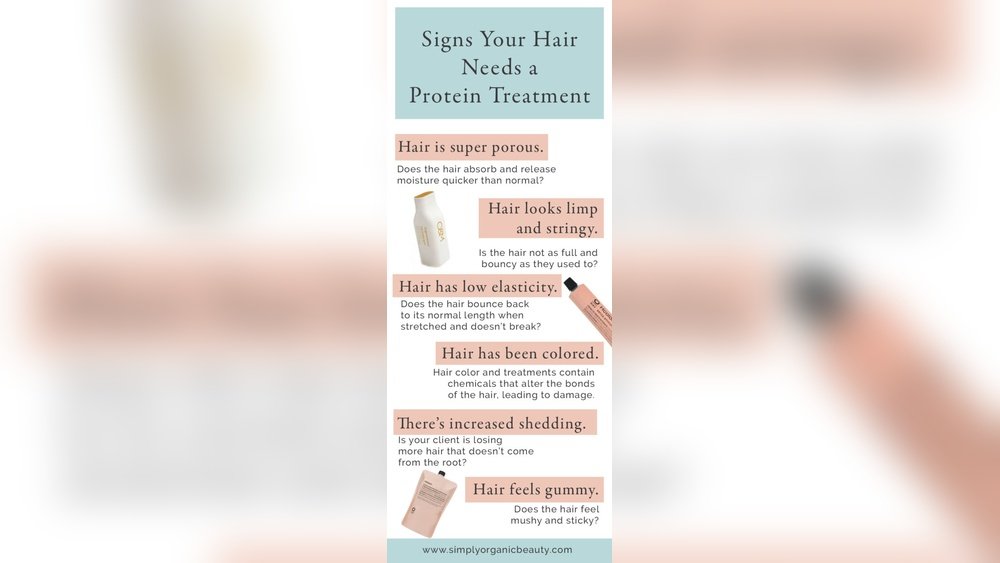
Is your hair feeling limp, mushy, or breaking more than usual? These could be clear signs that your hair is crying out for protein.
Protein is essential for keeping your hair strong, bouncy, and healthy. Without enough of it, your strands can become weak, lose their shape, or even snap easily. But how do you really know if your hair needs protein? You’ll discover simple ways to tell if your hair is protein-deficient and learn what steps you can take to restore its strength and shine.
Keep reading to find out how to bring your hair back to life with the right protein care!
Credit: bouclesproject.com
Signs Of Protein Deficiency
Protein is essential for strong, healthy hair. Without enough protein, hair weakens and loses its natural structure. Identifying signs of protein deficiency helps you treat your hair properly. Watch for changes in texture, strength, and shape. These signs reveal your hair needs protein to restore balance.
Limp And Flat Hair
Hair lacking protein often feels lifeless and flat. It loses volume and appears thin. Styling becomes harder because hair cannot hold shape. Protein strengthens hair strands, giving them body and bounce.
Mushy Or Gummy Texture
Protein-deficient hair may feel soft but weak and gummy. It stretches too much without returning to normal. This mushy texture means the hair’s structure is breaking down. Protein treatments help firm the hair fiber.
Stringy Strands
Strands become stringy and thin with low protein. Hair clumps together and looks wet or oily. This happens as hair loses its firmness and elasticity. Adding protein rebuilds the hair’s core.
Loss Of Curl Definition
Curls lose their shape and bounce without protein. They look limp and undefined. Protein helps curls hold their pattern and spring back after stretching. Lack of it makes curls fall flat.
Excessive Breakage
Hair breaks easily with protein deficiency. You may notice more split ends and shedding. Weak strands snap under tension or brushing. Protein strengthens hair, reducing breakage and damage.

Credit: mielleorganics.com
Elasticity Test
The Elasticity Test is a simple way to check your hair’s protein health. It shows how strong and stretchy your strands are. Healthy hair stretches a little and returns to its normal shape. Weak hair breaks or stretches too much without bouncing back. This test helps decide if your hair needs protein treatments.
How To Perform The Test
Start with clean, dry hair. Take a small strand from the middle of your head. Hold it gently between your fingers. Slowly stretch the strand without pulling too hard. Notice how much it stretches before it snaps or returns.
Interpreting The Results
If the hair stretches slightly and springs back, your protein level is good. If it stretches a lot and stays stretched, your hair needs moisture more than protein. If the strand breaks quickly or does not stretch, your hair lacks protein and needs strengthening.
Hair Types That Benefit Most
Certain hair types respond better to protein treatments than others. Protein helps rebuild and strengthen hair strands. It is especially useful for hair that loses shape or breaks easily. Knowing which hair types benefit most can guide your hair care routine. It prevents damage and promotes healthier hair.
Fine And Limp Hair
Fine hair often lacks volume and strength. Protein adds structure and firmness to these delicate strands. It helps fine hair hold styles longer. Limp hair can become stronger with regular protein treatments. This type of hair breaks easily without enough protein. Protein supports the hair’s natural resilience and body.
Chemically Treated Hair
Chemical treatments weaken hair by breaking down proteins. Coloring, relaxing, or perming can cause damage. Protein replenishes lost keratin and repairs the hair shaft. It reduces breakage and restores elasticity. Chemically treated hair needs protein to maintain health. Protein treatments rebuild strength and prevent further damage.
Credit: healiumhair.com
Effects Of Protein Overload
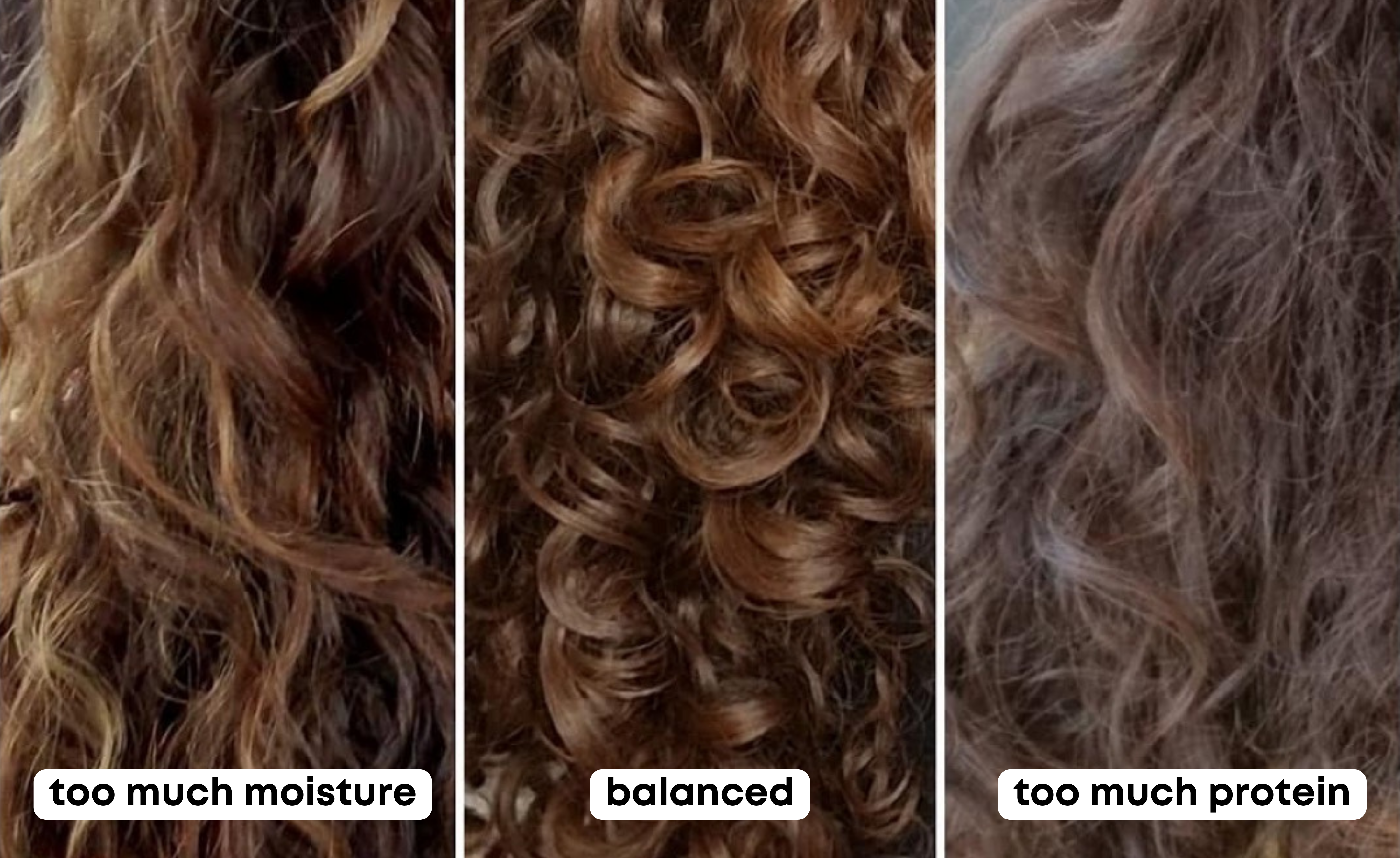
Protein is essential for strong hair, but too much can cause problems. Protein overload happens when hair absorbs more protein than it needs. This leads to damage and discomfort. Understanding the effects helps keep hair healthy and balanced.
Dry And Stiff Hair
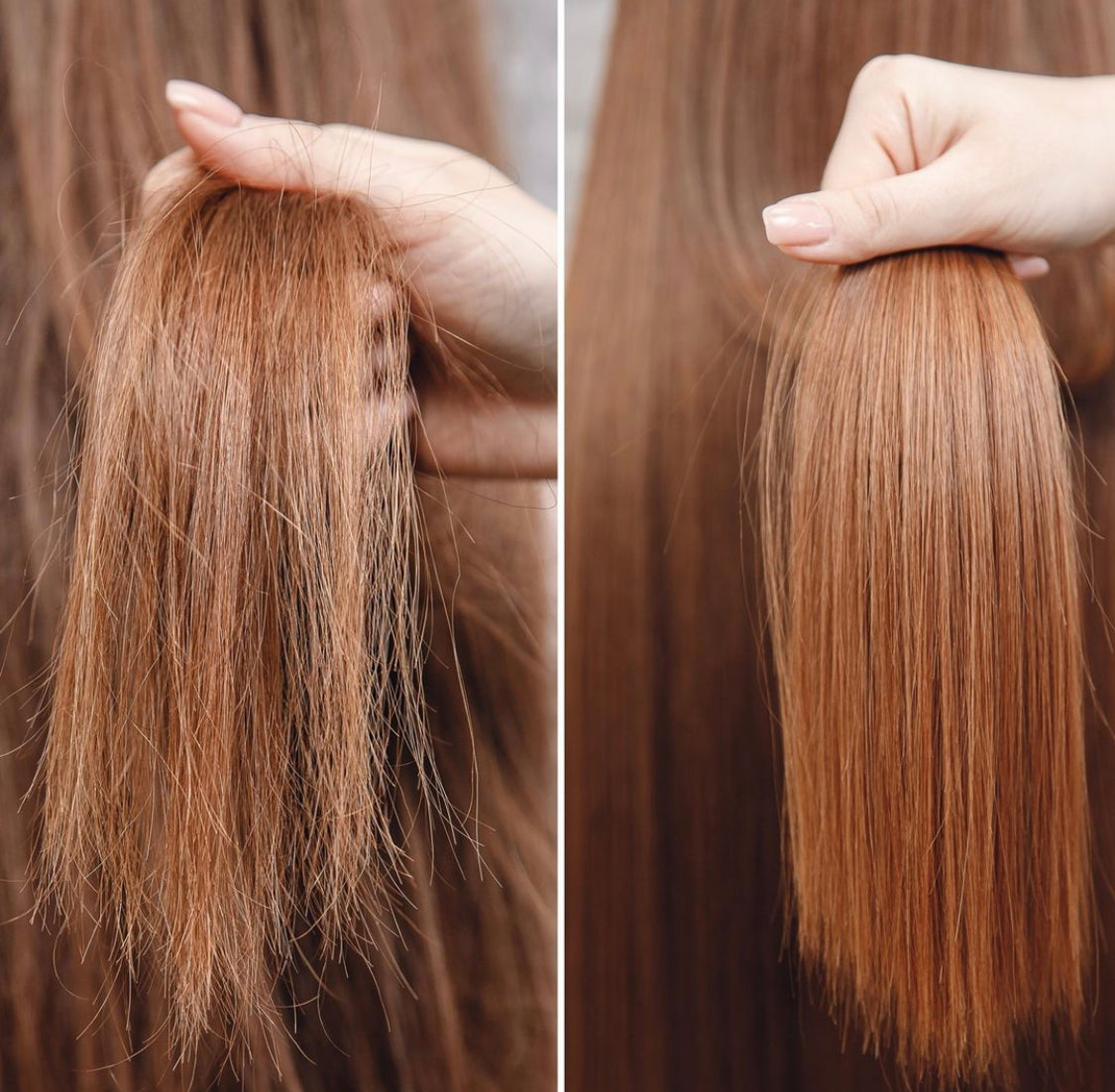
Excess protein makes hair dry and stiff. Hair loses its softness and feels rough to touch. This stiffness can make hair hard to style or manage.
Lack Of Elasticity
Hair loses its ability to stretch without breaking. It snaps easily when pulled or brushed. This loss of elasticity weakens hair strands.
Increased Breakage
Too much protein causes more breakage than usual. Hair becomes fragile and splits at the ends. This results in shorter, damaged hair over time.
Dull And Frizzy Appearance
Protein overload makes hair look dull and lifeless. Hair loses its natural shine and appears frizzy. This rough texture is hard to smooth out.
Balancing Protein And Moisture
Balancing protein and moisture is key to healthy hair. Both elements support hair strength and softness. Protein rebuilds hair structure. Moisture keeps hair hydrated and flexible. Too much or too little of either can cause problems. Understanding the signs helps maintain this balance. Proper care leads to shiny, strong, and manageable hair.
Signs Of Moisture Overload
Moisture overload happens when hair absorbs too much water. Hair feels limp and overly soft. It may stretch a lot but break easily. The cuticle looks raised or swollen. Hair appears dull and lacks body. It can feel sticky or heavy. These signs indicate moisture is out of balance. Protein treatments can help restore strength.
Finding The Right Balance
Test your hair by gently stretching a strand. Hair that stretches and returns to shape is balanced. If it snaps quickly, add protein. If it stretches too much and breaks, add moisture. Use protein and moisturizing products in rotation. Adjust based on how your hair reacts. Balance keeps hair strong, shiny, and healthy.
Restoring Protein Levels
Restoring protein levels in hair is key for strong, healthy strands. Protein strengthens the hair shaft and helps prevent breakage. When hair lacks protein, it becomes weak, limp, and more prone to damage. Proper care can bring hair back to life by replenishing lost protein. This section covers how to restore protein through treatments and diet.
Protein Treatments
Protein treatments add strength to damaged hair. They fill gaps in the hair cuticle caused by wear and tear. Use treatments once every two to four weeks to avoid overload. Choose products with hydrolyzed proteins like keratin, silk, or wheat protein. Apply treatments after shampooing and leave them on as directed. Rinse thoroughly to keep hair balanced and prevent stiffness.
Diet And Nutrition Tips
Healthy hair starts from within. Eating protein-rich foods supports hair growth and repair. Include lean meats, eggs, beans, and nuts in your meals. Vitamins like biotin, zinc, and iron also boost hair health. Drink plenty of water to keep hair hydrated. A balanced diet helps maintain natural protein levels in hair fibers.
Frequently Asked Questions
What Does Protein Damaged Hair Look Like?
Protein damaged hair looks dry, stiff, and straw-like with little elasticity. It snaps easily, breaks more, and appears dull and frizzy.
How Do I Know If My Hair Is High Or Low In Protein?
Gently pull a dry hair strand. If it stretches and bounces back, protein is balanced. If it snaps, protein is high. If it stretches without bouncing back, protein is low.
What Hair Type Needs The Most Protein?
Fine, limp, chemically treated, or heat-damaged hair types need the most protein to restore strength and prevent breakage.
What Does Protein Deficiency Hair Loss Look Like?
Protein deficiency hair loss appears as brittle, thin hair that breaks easily and sheds more than usual. Hair feels weak, limp, and lacks shine or curl definition. Fragile strands stretch without bouncing back, indicating low protein and poor hair strength.
Conclusion
Healthy hair feels strong, elastic, and smooth to touch. Watch for signs like breakage, limp strands, or dullness. These often mean your hair needs protein to rebuild strength. Balance protein with moisture for best results. Regular care and observation help keep your hair happy.
Remember, knowing your hair’s needs leads to better choices. Give your hair what it asks for, and it will shine. Keep checking your hair’s health to avoid damage. Simple steps can make a big difference over time.
As an Amazon Associate, I earn from qualifying purchases.
Lovingshe is a participant in the Amazon Services LLC Associates Program which is an affiliate advertising program designed to provide a means for sites to earn advertising fees by advertising and linking to Amazon.com. Amazon may use cookies to track referrals from our site. Visit Amazon’s privacy policy for details
