


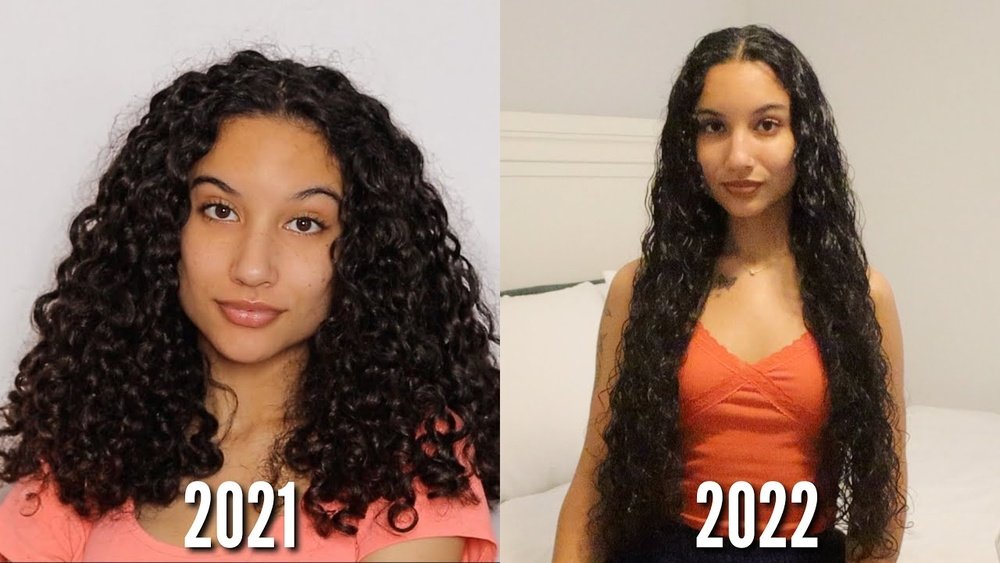
If you have curly hair, you know how special—and sometimes challenging—it can be to grow it out long and healthy. Curly hair doesn’t just grow; it needs the right care to prevent breakage and keep those beautiful curls defined and strong.
You might wonder why your curls don’t seem to grow as fast as straight hair or why they feel dry and fragile. The truth is, growing curly hair takes patience and a smart routine tailored just for your unique texture.
You’ll discover simple, effective tips that help you nurture your curls from root to tip, boost growth, and enjoy the length and bounce you’ve always wanted. Ready to unlock the secrets to growing your best curly hair? Keep reading!
Curly Hair Growth Basics
Curly hair grows just like any other hair type. The key is understanding how curls affect the way hair looks and feels as it grows. Curly hair has unique traits that influence its growth and appearance.
Knowing these basics helps in caring for your hair better. It also sets realistic expectations for length and health.
Growth Rate Compared To Straight Hair
Curly hair grows at about the same speed as straight hair. On average, hair grows half an inch per month. The difference is in how curls coil. This coil makes the hair appear shorter than it is.
Growth is healthy and steady if the scalp is well cared for. Proper hydration and nutrition help support this growth process.
Effect Of Shrinkage On Length Perception
Shrinkage is when curly hair pulls up after drying. This happens because curls tighten and coil. It can make your hair look much shorter than its real length. Shrinkage is a sign of healthy, well-moisturized curls.
Measuring length by stretching curls gives a better idea of true growth. Accepting shrinkage helps set realistic length goals.
Genetic Factors Influencing Growth
Genes play a big role in hair growth speed and curl pattern. Some people have naturally faster-growing hair. Others may have tighter curls that shrink more.
Understanding your family’s hair traits helps in predicting growth patterns. Genetics also affect hair thickness and strength.
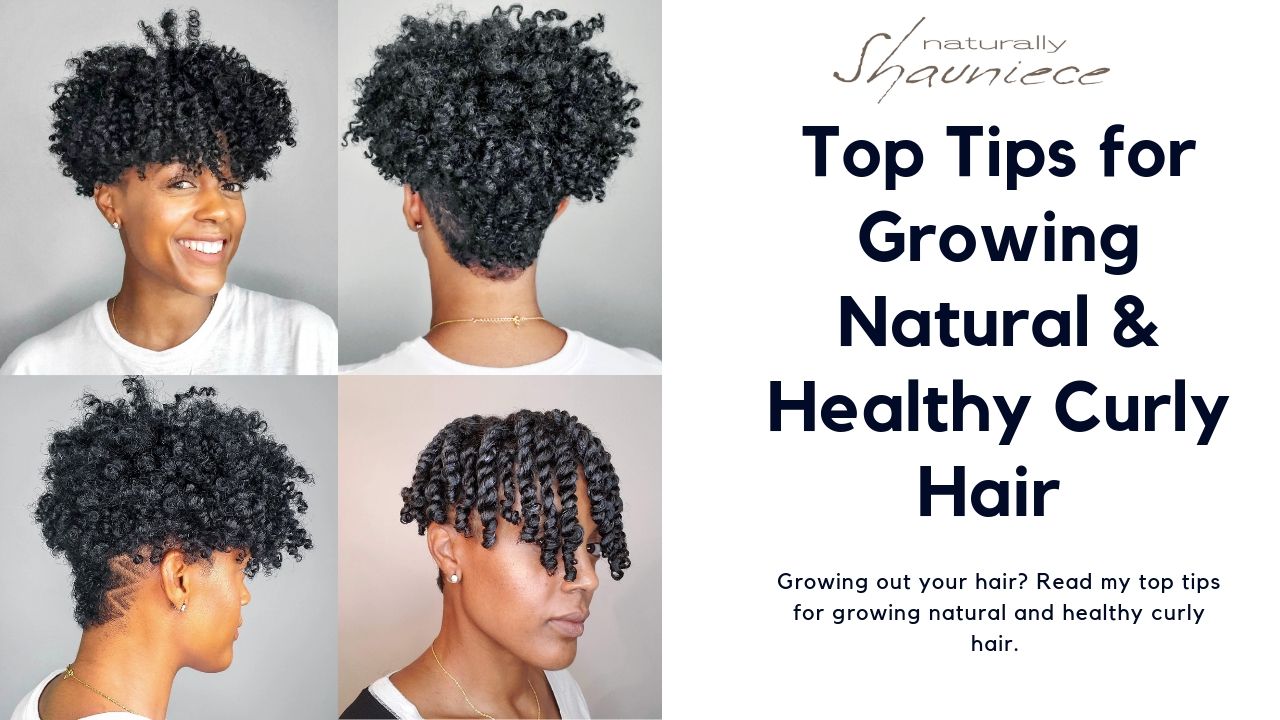
Credit: www.naturallyshauniece.com
Common Growth Challenges
Curly hair faces unique challenges that slow down growth. Understanding these common problems helps in caring for your curls better. Each challenge affects your hair’s health and length differently. Addressing them early improves growth results and curl appearance.
Breakage And Hair Damage
Curly hair is fragile due to its twists and turns. These bends create weak points that break easily. Rough handling or harsh brushing increases breakage. Damaged ends make hair look shorter and thinner. Use wide-tooth combs and gentle detangling methods. Regular trims remove split ends and prevent further damage.
Dryness And Moisture Loss
Curly hair struggles to keep moisture. Natural oils from the scalp have trouble traveling down curls. This leads to dryness and brittle strands. Dry hair breaks faster and loses shine. Deep conditioning treatments restore moisture and softness. Use leave-in conditioners to keep curls hydrated throughout the day.
Impact Of Heat And Chemical Treatments
Heat styling tools cause serious damage to curly hair. High temperatures strip moisture and weaken strands. Chemical treatments like relaxers or dyes break the hair structure. This leads to dryness, breakage, and slower growth. Limit heat use and opt for heat protectants. Choose gentle, sulfate-free products to avoid harsh chemicals.
Daily Care For Growth
Daily care plays a key role in helping curly hair grow strong and healthy. Curly hair needs gentle handling to avoid breakage and to keep curls defined. Simple habits each day can protect strands and support growth. Consistent care builds a foundation for longer curls over time.
Gentle Cleansing And Conditioning
Use mild shampoos that do not strip natural oils. Clean scalp encourages healthy hair follicles. Condition curls deeply to restore moisture. Well-hydrated curls are less likely to break. Rinse hair with cool water to seal the cuticles. This keeps curls shiny and smooth.
Detangling Without Damage
Detangle hair when it is wet and slippery with conditioner. Use a wide-tooth comb or fingers. Start from the ends and work up slowly. Avoid pulling or yanking tangles out. Gentle detangling reduces breakage and split ends. This helps curls stay intact and grow longer.
Protective Styling Techniques
Choose styles that protect the ends of your hair. Braids, twists, and buns reduce exposure to friction. Avoid tight styles that pull on the scalp. Cover hair at night with a satin scarf or pillowcase. Protective styles help retain length by reducing damage.
Boosting Hair Retention
Boosting hair retention is vital for growing curly hair longer and healthier. Curly strands are naturally fragile and prone to breakage. Protecting the hair from damage helps keep the length you gain. Simple care steps improve retention and prevent hair loss. Consistent habits support strong, resilient curls.
Deep Conditioning Routines
Deep conditioning restores moisture and strengthens curly hair. Use a rich conditioner once a week. Apply it from roots to ends for full coverage. Leave it on for 20 to 30 minutes. Cover your hair with a shower cap to trap heat. This helps ingredients penetrate deeper. Well-moisturized curls are less likely to break.
Minimizing Friction And Breakage
Friction causes curls to tangle and snap. Sleep on a satin or silk pillowcase to reduce friction. Avoid cotton fabrics that roughen hair strands. Use gentle detangling tools like wide-tooth combs or fingers. Always detangle hair when it is wet and conditioned. Limit heat styling and harsh brushing. These steps keep curls intact and strong.
Regular Trimming Benefits
Trimming removes split ends that cause breakage. Schedule trims every 8 to 12 weeks. Even a small trim keeps curls healthy and prevents damage from traveling up the hair shaft. Healthy ends lock in moisture and reduce tangles. Regular trims make hair look thicker and fuller. Trimming supports long-term growth by maintaining hair strength.
Supporting Scalp Health
Supporting scalp health is essential for growing curly hair. A healthy scalp creates the perfect environment for hair to grow strong and long. It helps prevent issues like dryness, flaking, and irritation that can damage hair follicles.
Taking care of your scalp improves blood flow and nourishes hair roots. Clean, moisturized skin allows curls to flourish and stay vibrant. Simple habits can boost scalp health and support your hair growth journey.
Scalp Massage Techniques
Massaging the scalp increases blood circulation to hair follicles. Use gentle, circular motions with your fingertips. Avoid using nails to prevent irritation or damage. Try massaging for five to ten minutes daily. You can use natural oils like jojoba or coconut to nourish the scalp while massaging. This practice helps relax the scalp and stimulates hair growth.
Choosing Scalp-friendly Products
Select products made for sensitive scalps and curly hair. Look for gentle shampoos without sulfates or harsh chemicals. Ingredients like aloe vera, tea tree oil, and chamomile soothe and refresh the scalp. Avoid heavy products that clog pores or cause buildup. Lightweight conditioners and scalp treatments keep the scalp balanced. Always check product labels for scalp-friendly ingredients.
Maintaining Clean And Nourished Scalp
Keep the scalp clean by washing regularly, but not too often. Overwashing can strip natural oils and cause dryness. Use lukewarm water to avoid irritation. After washing, apply a light scalp moisturizer or oil. Hydrated skin prevents flaking and itchiness. Exfoliate the scalp occasionally to remove dead skin cells. This helps maintain a healthy environment for hair growth.

Credit: www.youtube.com
Nutrition And Lifestyle Tips
Nutrition and lifestyle play a big role in growing curly hair. Healthy habits inside the body reflect on the hair’s strength and shine. Eating the right foods, staying hydrated, and managing stress help curls grow longer and look better. These tips support hair growth from the root to the tips.
Foods That Promote Hair Growth
Protein is the building block of hair. Include lean meats, eggs, and beans in your diet. Foods rich in vitamins A, C, and E help keep hair healthy. Spinach, sweet potatoes, and nuts are excellent choices. Omega-3 fatty acids found in fish improve scalp health. Zinc and iron are important for hair strength and growth. Add seeds and leafy greens to your meals for these minerals.
Hydration And Its Role
Water keeps hair hydrated from inside out. Drinking enough water prevents dryness and breakage. Aim for at least eight glasses a day. Hydrated hair is softer and curls look more defined. Avoid sugary drinks as they can affect hair quality. Herbal teas and fresh juices also support hydration.
Stress Management Strategies
Stress can slow down hair growth and cause hair loss. Practice relaxation techniques like deep breathing or meditation. Regular exercise boosts blood flow to the scalp. Sleep is crucial; aim for seven to eight hours each night. Taking breaks and enjoying hobbies can reduce stress levels. Calm mind, healthy curls.
Product Recommendations
Choosing the right products is key to growing curly hair healthy and strong. Curly hair needs extra moisture and gentle care to avoid damage. Products that hydrate, nourish, and protect curls help them grow longer. Below are some product types that support curly hair growth effectively.
Moisturizers For Curly Hair
Moisturizers keep curls soft and prevent dryness. Look for creams and leave-in conditioners with ingredients like shea butter, aloe vera, and glycerin. These help lock in moisture and reduce frizz. Using a good moisturizer daily helps curls stay elastic and less prone to breakage.
Growth-enhancing Oils And Serums
Oils and serums can boost scalp health and improve hair strength. Castor oil, jojoba oil, and rosemary oil are popular choices. They stimulate the scalp and add shine to curls. Apply these oils gently to the scalp and hair ends to promote growth and reduce split ends.
Avoiding Harmful Ingredients
Certain ingredients damage curly hair and slow growth. Avoid sulfates, parabens, and alcohols that dry out curls. Harsh chemicals strip natural oils and cause breakage. Choose products labeled sulfate-free and gentle for curly hair. This protects curls and supports longer, healthier growth.
Setting Realistic Expectations
Setting realistic expectations is key to growing curly hair successfully. Curly hair appears to grow slower due to its shape and texture. Understanding the natural growth process helps avoid frustration. Knowing what to expect keeps you motivated and consistent with care routines.
Patience and steady care produce the best results. Curly hair needs gentle treatment and time to show true growth. This section explains typical growth timeframes, hair growth cycles, and why patience matters.
Typical Timeframes For Visible Growth
Curly hair grows about half an inch per month on average. Visible length changes usually take at least three to six months. Shrinkage makes curls look shorter than they actually are. Expect slow, steady progress rather than quick results. Regular trims prevent breakage and help maintain healthy ends.
Understanding Growth Cycles
Hair grows in cycles: growth, rest, and shedding phases. The growth phase, called anagen, lasts several years. Curly hair may have a shorter anagen phase than straight hair. This limits maximum length but does not stop growth. A healthy scalp and diet support longer growth phases.
Patience And Consistency Importance
Patience is the most important factor for curly hair growth. Consistent care prevents damage and breakage. Use moisturizing products, avoid heat, and protect curls at night. Small daily habits add up over time. Trust the process and celebrate small milestones.
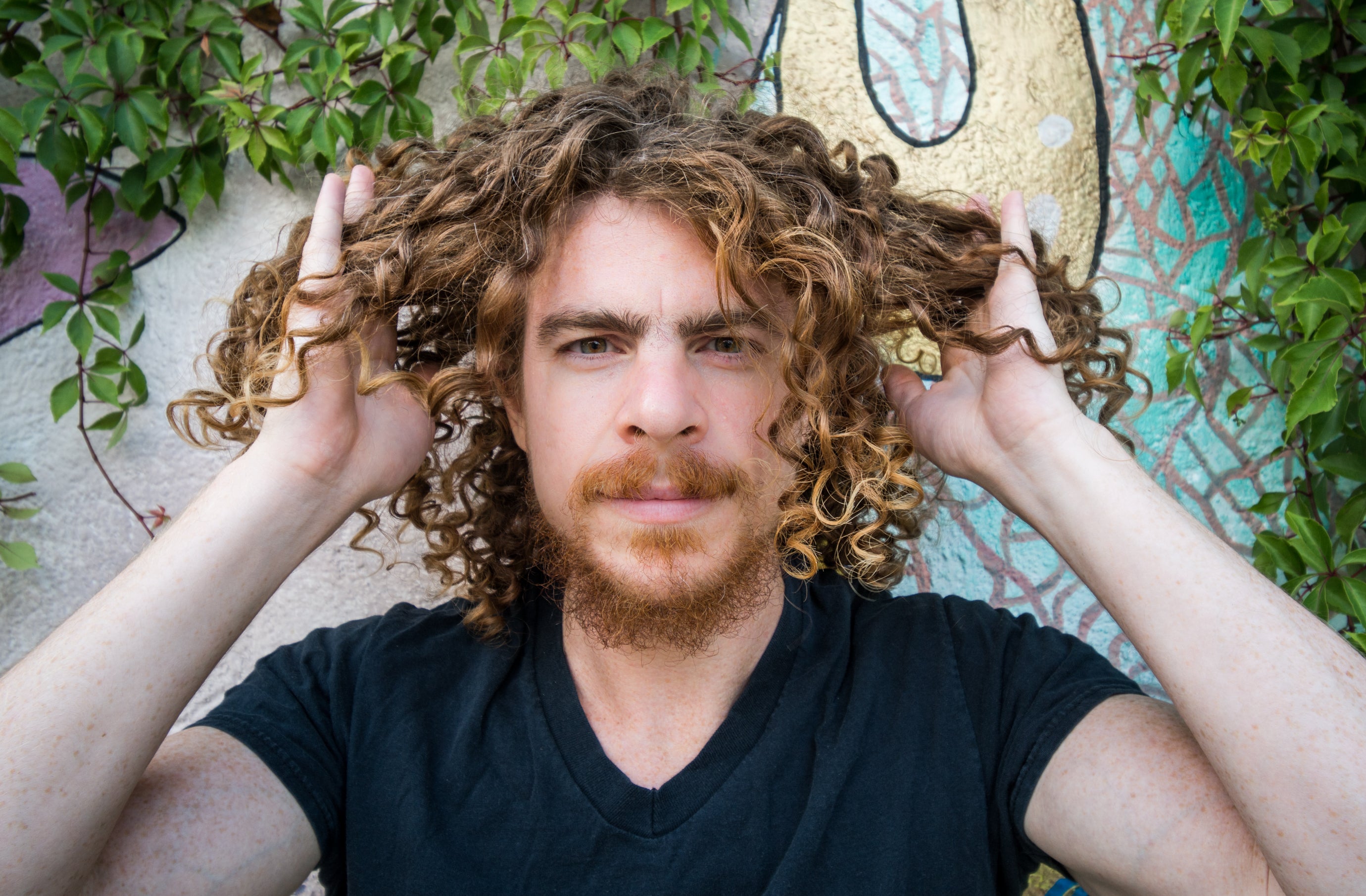
Credit: modernmammals.com
Frequently Asked Questions
How Do I Make My Curly Hair Grow?
Massage your scalp regularly, use moisturizing products, avoid heat damage, trim split ends, and maintain a healthy diet to grow curly hair.
How Long Does Curly Hair Take To Grow?
Curly hair grows about half an inch per month, similar to straight hair. Shrinkage makes growth appear slower. Gentle care and patience help retain length and maintain hair health.
Which Is The Rarest Hair Type?
The rarest hair type is type 4C, known for its tight curls and fragile texture. It occurs in less than 5% of the world’s population.
Why Does My Curly Hair Not Grow?
Curly hair may seem slow to grow due to shrinkage and coil patterns hiding length. Breakage and poor scalp health also stunt growth. Gentle care, deep conditioning, and scalp massages support growth. Patience and consistent care are essential for healthy, longer curls.
Conclusion
Growing curly hair takes time and gentle care every day. Use moisturizing products and avoid harsh treatments. Protect your curls while sleeping to reduce breakage. Eat healthy foods to support strong, growing hair. Massage your scalp often to boost circulation.
Trim split ends regularly to keep hair healthy. Stay patient and consistent with your routine. Your curls will thrive with love and attention. Embrace your natural texture and enjoy the journey.
As an Amazon Associate, I earn from qualifying purchases.
Lovingshe is a participant in the Amazon Services LLC Associates Program which is an affiliate advertising program designed to provide a means for sites to earn advertising fees by advertising and linking to Amazon.com. Amazon may use cookies to track referrals from our site. Visit Amazon’s privacy policy for details
