


Getting tree sap stuck in your hair can be frustrating and uncomfortable. You might feel sticky, irritated, and unsure how to fix the mess without damaging your hair.
But don’t worry—there are simple, effective ways to remove sap quickly and safely. In this guide, you’ll discover easy tricks using items you probably already have at home, like oils and peanut butter, to break down that stubborn sap. By the end, you’ll know exactly what to do to restore your hair’s clean, fresh feeling—so keep reading and say goodbye to sticky sap for good!
Credit: fominsoap.com
Sap Removal Basics
Getting sap out of hair requires understanding why it sticks. Sap is sticky and thick. It clings tightly to hair strands. This makes removal tough without the right method. Knowing the challenges helps you choose the best way to clean your hair.
Many common household items can help break down sap. Oils and soaps work well to dissolve and lift sap from hair. Patience and gentle care are important. Rough handling can cause hair damage or tangling. Follow simple steps to remove sap safely.
Why Sap Sticks To Hair
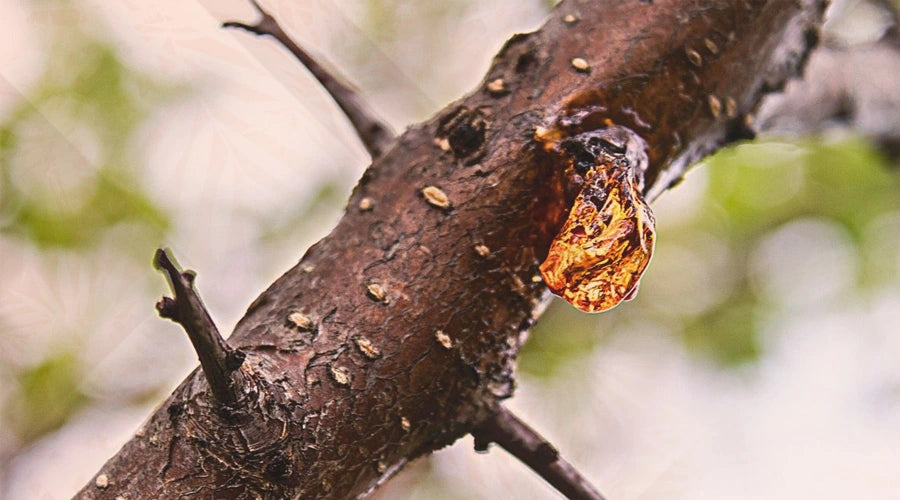
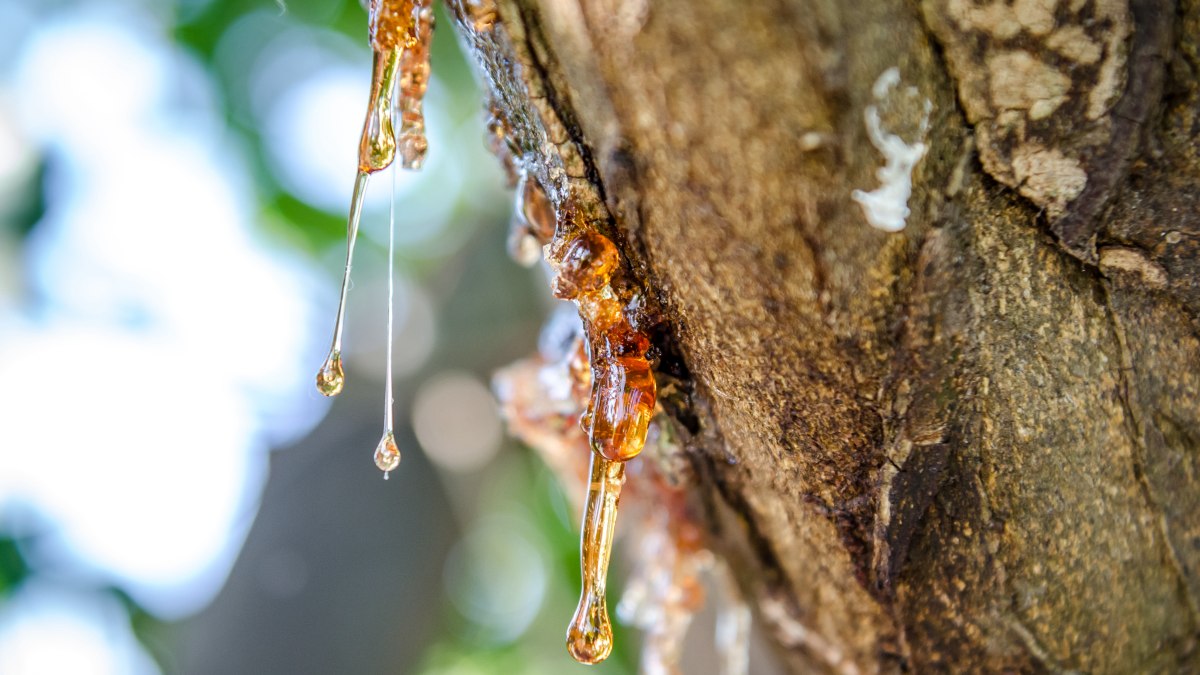
Sap is naturally sticky to protect trees. It contains resin and sugars that trap insects. This stickiness causes sap to cling to hair easily. Hair strands have tiny scales that hold onto sap. Once sap dries, it hardens and becomes more difficult to remove.
Sap’s thick texture also traps dirt and debris. This adds to the problem of cleaning hair. Warm temperatures soften sap, making removal easier. Cold sap is hard and brittle, which can lead to hair breakage if pulled.
Common Challenges
Sap removal is tricky because it sticks tightly to hair fibers. Pulling or scraping can cause pain and hair loss. Sap can also cause tangles and knots. These make combing difficult and painful. Using harsh chemicals may damage hair and scalp.
Many people struggle to find safe products that dissolve sap well. Some soaps do not break down sap completely. Others leave hair greasy or sticky after washing. Finding gentle but effective solutions is key to success.
Oily Solutions
Oily solutions work well to remove sap from hair. Oils break down the sticky sap, making it easier to wash away. These natural oils soften sap without harsh chemicals. They also protect hair from damage during the cleaning process.
Peanut Butter Method
Peanut butter contains oils that dissolve sap effectively. Apply a small amount to the sap-covered hair. Gently rub it in to loosen the sap. Let it sit for a few minutes to soften the sticky residue. Then, use a comb to remove the sap carefully. Wash hair thoroughly with shampoo to remove peanut butter.
Using Coconut And Olive Oil
Coconut and olive oil are gentle and safe for hair. Apply a few drops of oil to the sap area. Massage the oil into the hair to break down sap. Wait about five minutes to let the sap soften. Use a comb or fingers to slide the sap out slowly. Finish by washing hair with shampoo to remove oil and sap.
Mayonnaise As A Sap Dissolver
Mayonnaise contains oils that help dissolve sap. Spread a layer of mayonnaise on the sap-stuck hair. Let it sit for 10 to 15 minutes to soften the sap. Use a wide-tooth comb to remove the sap gently. Wash hair with shampoo to clear any oily residue. Mayonnaise also adds moisture to dry hair.
Alcohol-based Methods
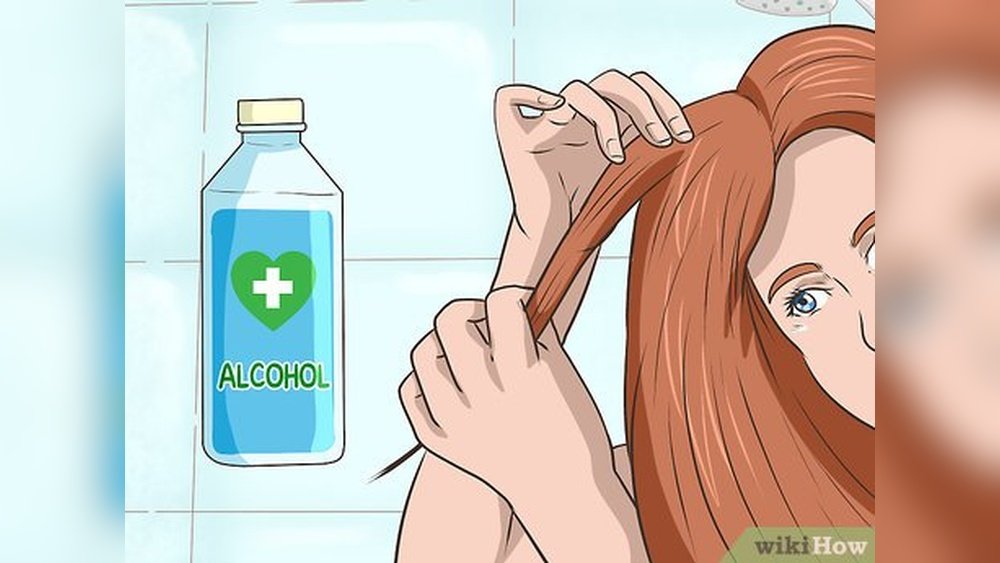
Alcohol-based methods work well to remove sticky sap from hair. They break down the sap’s sticky texture. These methods are easy and use products you may already have at home.
Alcohol helps dissolve sap quickly without harsh scrubbing. It loosens the sap so you can wipe or wash it away. Use caution to avoid skin dryness by rinsing well after treatment.
Rubbing Alcohol Application
Pour some rubbing alcohol onto a cotton ball or soft cloth. Gently dab the sap-covered areas of your hair. Let the alcohol sit for a few minutes to soften the sap.
After soaking, use your fingers or a comb to loosen the sap. Avoid pulling hard to prevent hair damage. Rinse your hair thoroughly with warm water and shampoo to remove alcohol and sap residue.
Hand Sanitizer Technique
Choose a hand sanitizer that contains at least 60% alcohol. Apply a small amount directly onto the sap spots in your hair. Massage the sanitizer gently to break down the sticky sap.
Allow it to sit for a minute or two. Then, comb through the hair to remove loosened sap particles. Wash your hair with shampoo and warm water to clean off the sanitizer and sap fully.
Credit: www.hairfinder.com
Natural Scrubs
Natural scrubs offer a gentle and effective way to remove sap from hair. They combine simple ingredients that break down sticky sap while exfoliating the hair strands. These scrubs use natural abrasives and oils to loosen sap without harsh chemicals. They are safe for all hair types and easy to prepare at home.
Oil And Sugar Mix
Mix two tablespoons of oil with one tablespoon of sugar. Use olive oil, coconut oil, or any cooking oil available. The oil softens the sap, while the sugar gently scrubs it away.
Apply the mix to the sap-stuck hair and rub gently in circular motions. Continue for several minutes until the sap starts to break down. Rinse with warm water and shampoo as usual to remove any oily residue.
Oil And Salt Alternative
Combine two tablespoons of oil with one tablespoon of fine salt. Salt works as a natural abrasive that helps lift the sap from hair strands. The oil dissolves the sticky sap, making removal easier.
Massage the mixture onto the affected hair area carefully. Let it sit for a few minutes before rinsing with warm water. Follow up with shampoo to cleanse your hair thoroughly.
Step-by-step Removal Process
Removing sap from hair requires patience and the right approach. Follow a clear step-by-step process to avoid damage. Each step helps break down and remove sticky sap safely. This guide uses simple household items for easy removal.
Applying The Solution
Choose an oily substance like olive oil or peanut butter. Apply it directly to the sap-covered hair. Cover all sticky areas generously. Let the oil sit for 5 to 10 minutes. This softens and loosens the sap’s grip on hair strands.
Massaging And Loosening Sap
Use fingers to gently massage the oil into the sap. Work slowly to break the sap into smaller pieces. Avoid pulling or tugging to prevent hair damage. Continue massaging until the sap feels softer and less sticky.
Combing Out Residue
Take a wide-tooth comb for this step. Slowly comb through the treated hair to remove sap pieces. Clean the comb regularly to avoid reapplying sap. Repeat combing until most sap comes out. Be gentle to protect hair from breakage.
Shampooing Thoroughly
Rinse hair with warm water to remove oil and sap bits. Apply a strong clarifying shampoo to cleanse deeply. Lather well and rinse thoroughly. Repeat shampooing if any stickiness remains. This step removes leftover oil and sap residue.
Conditioning Aftercare
Apply a nourishing conditioner to restore moisture. Leave it on for a few minutes before rinsing. This softens hair and reduces dryness caused by sap removal. Gently towel dry hair afterward. Your hair will feel clean and smooth again.

Credit: www.wikihow.com
Additional Tips
Removing sap from hair can be tricky. Some extra care and smart tricks help make the process easier. These additional tips help protect your hair while clearing away the sticky mess.
Warming The Sap
Warm sap becomes softer and easier to remove. Use warm water or a gentle heat source to soften the sap. Avoid hot water as it can cause burns or damage. Gently warming makes it less sticky and easier to work with. This step reduces tugging on hair and helps remove sap faster.
Avoiding Hair Damage
Use gentle products like oil or conditioner to loosen sap. Avoid harsh chemicals or strong scrubbing. Always be patient and gentle when working on sap. Use a wide-tooth comb to carefully detangle hair. Rushing or rough handling can break hair and cause pain. Protect your hair’s natural oils by washing with mild shampoo after sap removal.
When To Repeat The Process
Sometimes sap does not come out in one try. Repeat the removal steps if sap remains after the first attempt. Wait a few minutes between tries to avoid irritation. Check your hair carefully before starting again. Multiple gentle treatments work better than one strong attempt. Stop if your scalp feels sore or itchy and rest before trying again.
Products For Tough Sap
Sap can stick to hair stubbornly. Simple home remedies may not always work well. Some products target tough sap effectively. These products break down sap without damaging hair. Choosing the right product saves time and effort.
Commercial Sap Removers
Commercial sap removers are made for sticky substances. They come in sprays, gels, or wipes. These products dissolve sap quickly and easily. Many are safe for hair and skin. Always check the label for hair safety. Follow instructions carefully to avoid irritation. After use, wash hair with shampoo. This removes residue and keeps hair clean.
Using Orange-based Cleaners
Orange-based cleaners use natural citrus oils. They are gentle but effective on sap. Citrus oils break down sticky sap without harsh chemicals. These cleaners also leave a fresh scent. Apply a small amount to sap spots. Let it sit for a few minutes to soften sap. Use a comb or fingers to remove sap gently. Rinse hair well to remove cleaner. Orange-based cleaners work well on sensitive skin.
Dealing With Sap Stains Elsewhere
Tree sap can stick to more than just hair. It often lands on skin and clothing too. Each surface needs a different way to remove sap safely. Acting quickly helps prevent stains and irritation. Below are simple steps to handle sap stains on skin and clothing.
Sap On Skin
Sap on skin feels sticky and can be hard to wash off with water alone. Use oil like olive or coconut oil to loosen the sap. Rub the oil gently over the sap. Let it sit for a minute to break down the sap’s stickiness.
After rubbing, wash the area with warm water and mild soap. Repeat if any sap remains. Avoid harsh scrubbing to protect your skin. If irritation occurs, stop and rinse thoroughly. Moisturize skin after removal to soothe dryness.
Sap On Clothing
Sap stains on clothing need careful treatment to avoid damage. Start by scraping off excess sap with a dull knife or spoon. Do this gently to avoid pushing sap deeper into fabric.
Apply rubbing alcohol or hand sanitizer to the stained area using a clean cloth. Blot the sap stain without rubbing hard. Let the alcohol work on the stain for 5 to 10 minutes.
Wash the clothing in the warmest water safe for the fabric. Use a good laundry detergent. Check the stain before drying. Repeat the treatment if sap is still visible. Drying with sap still on fabric can set the stain permanently.
Frequently Asked Questions
Does Dawn Soap Remove Sap?
Yes, Dawn soap effectively removes sap by breaking down its sticky oils. Apply Dawn, rub gently, then rinse with warm water. Repeat if needed for stubborn sap residues.
How To Get Sap Out Of Hair Reddit?
Rub olive oil or peanut butter into the sap, let it sit, then wash with dish soap like Dawn. Repeat if needed and finish with conditioner.
What Will Dissolve Sap?
Oils like olive or cooking oil dissolve sap by breaking it down. Apply oil, wait, then wash with dish soap. Isopropyl alcohol and commercial sap removers also effectively dissolve sap on hard surfaces. Warm sap softens it, making removal easier.
Will Hydrogen Peroxide Remove Sap?
Hydrogen peroxide can help remove sap stains by bleaching discoloration. Gently blot the stain with peroxide-soaked cotton. Avoid harsh rubbing.
Conclusion
Removing sap from hair can be simple with the right steps. Oils like olive or peanut butter help break down sticky sap. Warm the sap gently to soften it for easier removal. Always wash your hair afterward with soap or shampoo to clean residue.
Avoid harsh scrubbing to protect your hair strands. With patience and care, sap will come out without damage. Keep these tips handy for any outdoor sap mishaps. Clean, healthy hair is possible after sap removal.
As an Amazon Associate, I earn from qualifying purchases.
Lovingshe is a participant in the Amazon Services LLC Associates Program which is an affiliate advertising program designed to provide a means for sites to earn advertising fees by advertising and linking to Amazon.com. Amazon may use cookies to track referrals from our site. Visit Amazon’s privacy policy for details
