


Have you ever noticed your hair suddenly standing on end, frizzing up, or sticking to your clothes without warning? That annoying static cling isn’t just frustrating—it can ruin your whole look in seconds.
If you’re tired of battling flyaways and that uncomfortable crackling feeling every time you brush or take off your sweater, you’re not alone. The good news? You can take simple, effective steps to stop hair static in its tracks. Keep reading to discover easy tricks and smart habits that will keep your hair smooth, soft, and static-free no matter the season.
Your hair deserves to look and feel its best—let’s make static a thing of the past.

Credit: www.luxyhair.com
Causes Of Hair Static
Static in hair happens when strands gain or lose electrons. This imbalance causes hair to repel each other and stand out. Several factors cause this buildup of static electricity on hair. Understanding these causes helps to control and reduce hair static effectively.
Low Humidity Effects
Dry air removes moisture from hair strands. Hair loses its natural oils and becomes brittle. Static electricity builds easily in this dry environment. Winter months and air conditioning often lower indoor humidity. This makes hair more likely to become static and flyaway.
Friction From Fabrics And Brushes
Rubbing hair against certain fabrics causes static. Materials like wool, polyester, and nylon create friction. Combing or brushing hair with plastic brushes adds to this effect. Friction transfers electrons, charging the hair strands unevenly. This charge causes strands to push away from each other.
Dry And Damaged Hair
Hair that lacks moisture is more prone to static. Damage from heat styling or chemical treatments weakens hair. Dry hair cuticles cannot hold moisture well. This makes hair rough and prone to static buildup. Healthy, hydrated hair resists static better.
Product Buildup Impact
Using too many styling products can cause buildup on hair. Residue from sprays, gels, and serums traps dirt and oil. This buildup blocks moisture from entering the hair shaft. Hair becomes dry and static-prone. Regular cleansing helps remove product buildup and reduce static.

Credit: www.youtube.com
Quick Ways To Stop Static
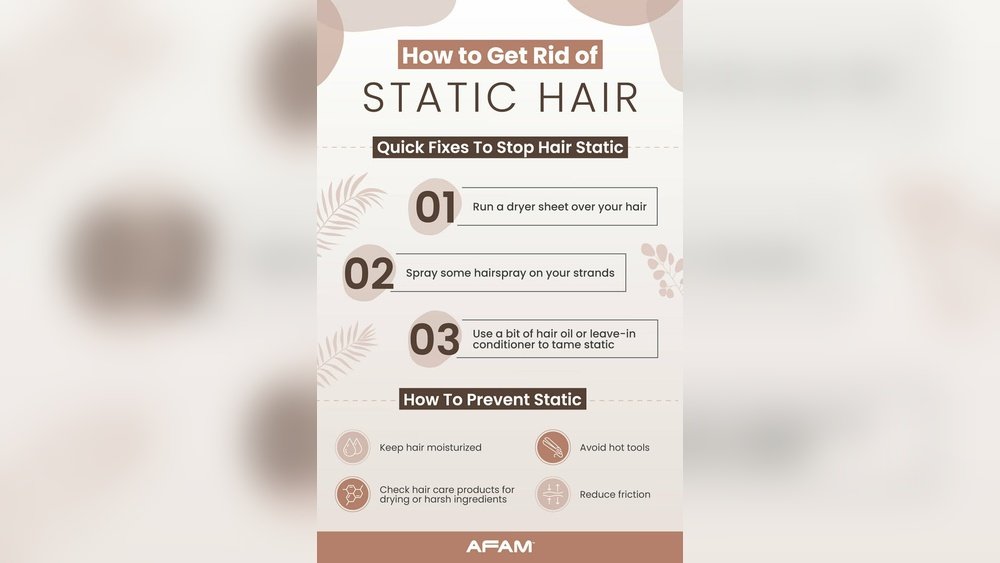
Static hair can be annoying and hard to fix fast. It happens when hair loses moisture and builds up electric charge. Quick solutions help calm your hair and stop static in seconds. Here are easy ways to reduce static and make your hair smooth again.
Adding Moisture With Oils And Serums
Dry hair attracts static. Using oils or serums adds moisture and smooths hair strands. Apply a small amount to your palms and run through your hair. Focus on the ends where static is worse. This helps hair stay soft and less likely to build static charge.
Using Dryer Sheets
Dryer sheets are not just for laundry. Gently rub a dryer sheet over dry hair to reduce static. The sheet transfers anti-static agents to your hair. This method is quick and works well when you’re in a hurry and need fast relief from flyaways.
Switching To Better Hair Tools
Plastic brushes can cause static by rubbing hair the wrong way. Use brushes with natural bristles or ionic technology. These tools reduce friction and help keep hair smooth. Choose combs and brushes that glide easily through your hair without pulling or tugging.
Choosing Static-free Clothing
Clothes made from synthetic fabrics create static that transfers to hair. Opt for natural materials like cotton or wool instead. These fabrics reduce static buildup on your clothes and hair. Wearing static-free clothing can help keep your hair calm throughout the day.
Long-term Hair Care Tips
Static hair often signals dryness and damage. Long-term care helps your hair stay smooth and healthy. Simple daily habits improve moisture and reduce static over time. Consistent care protects hair against harsh weather and friction. These tips focus on hydration, environment, and washing routines.
Hydrating Shampoos And Conditioners
Choose shampoos with moisturizing ingredients like glycerin or aloe. Avoid products with harsh sulfates that strip natural oils. Use conditioners to lock in moisture and soften strands. Hydrated hair resists static and feels smoother to touch. Apply conditioner mainly on mid-lengths and ends for best results.
Using A Humidifier Indoors
Dry indoor air causes static and brittle hair. A humidifier adds moisture back into the environment. It helps maintain natural hair hydration throughout the day. Place the humidifier in rooms you spend most time in. This small change reduces static and prevents hair from drying out.
Reducing Hair Wash Frequency
Washing hair too often removes natural oils. These oils protect hair and reduce static buildup. Try washing hair every two to three days instead of daily. Use dry shampoo between washes to keep hair fresh. Less washing means hair retains moisture and stays healthier longer.

Credit: vinhairvn.com
Best Hair Brushes For Static
Choosing the right hair brush can reduce static and keep hair smooth. Brushes affect how much static builds up as you comb. Some materials help discharge static better than others. Using the best brush can stop hair from flying apart and looking messy. Here are three types of brushes that work well or should be avoided for static hair.
Metal Combs
Metal combs help reduce static better than plastic ones. They do not create friction that causes static electricity. Metal combs glide through hair smoothly. Use a metal comb with wide teeth to detangle without pulling. They also help spread natural oils from scalp to hair ends. This adds moisture and fights dryness, a common cause of static.
Natural Bristle Brushes
Natural bristle brushes made from boar or other animal hair work well. They carry natural oils along hair strands while brushing. This keeps hair hydrated and less prone to static. Natural bristles also produce less static because they do not create friction like synthetic fibers. Use these brushes gently to avoid hair breakage and frizz.
Avoiding Plastic Brushes
Plastic brushes can increase static by causing friction with dry hair. The plastic material holds static electricity and transfers it to your hair. This makes hair strands repel each other and fly apart. Avoid plastic brushes especially in winter or dry weather. Instead, pick brushes made from metal or natural materials to keep static under control.
Protecting Hair From Heat Damage
Heat can make hair dry and weak, leading to more static. Protecting hair from heat damage keeps it smooth and healthy. Using the right products and limiting heat styling helps reduce static electricity.
Heat Protectant Products
Heat protectant sprays or serums form a shield on hair strands. This shield stops heat from stripping natural moisture. Apply these products before using any hot tools. They help keep hair soft and less likely to become static.
Look for protectants with ingredients like silicone or oils. These coat hair and reduce friction. Using a protectant every time you style adds a strong defense.
Limiting Heat Styling Tools
Using fewer heat styling tools lowers damage risk. Try air drying your hair more often. Choose styles that do not need heat, like braids or buns.
When you do use heat tools, pick lower temperatures. High heat breaks hair cuticles and causes dryness. Shorten the time you hold tools on hair. This small change helps keep hair healthy and static-free.
Styling Tricks To Manage Static
Managing static hair can be simple with the right styling tricks. These methods help reduce flyaways and keep hair smooth. A few small changes in your routine make a big difference. Try these easy styling tips to control static and enjoy sleek hair all day.
Slicked-back Hairstyles
Slicked-back styles press hair down and reduce static cling. Use a light gel or styling cream to smooth strands. This look keeps hair in place and prevents static from building up. It works well for both short and long hair.
Using Finishing Oils And Serums
Finishing oils add moisture and shine, cutting down static electricity. Apply a small amount to dry hair, focusing on ends and flyaways. Serums create a smooth surface, making hair less likely to attract static. Choose lightweight products to avoid greasiness.
Light Hairspray Application
Light hairspray helps hold your style and tame static. Spray from a distance to avoid stiffness. This adds a thin layer that reduces friction and flyaways. Use it sparingly for natural-looking, static-free hair.
Frequently Asked Questions
How Do I Stop My Hair From Being All Static?
Reduce hair static by moisturizing with oils or leave-in conditioners. Use wooden or ionic brushes, avoid synthetic fabrics, and apply finishing serums. Keep hair hydrated and protect it from friction and dry air to prevent static buildup effectively.
Why Is My Hair Suddenly Static?
Your hair becomes static due to dryness, friction, and low humidity. Synthetic fabrics and rough brushing increase static by causing a negative electrical charge on dry or damaged hair. Adding moisture with oils, serums, or humidifiers reduces static effectively.
What Can I Spray In My Hair To Get Rid Of Static?
Spray a light mist of water, leave-in conditioner, or anti-static hair spray to eliminate static. Hair serums and oils also help.
How Do You Get Rid Of Static Hair In The Winter?
Reduce static hair in winter by moisturizing with hair oil or leave-in conditioner. Use wooden or metal brushes. Avoid synthetic fabrics and dry air. Rub a dryer sheet gently on hair or brush. Maintain hydration with moisturizing shampoos and consider a humidifier indoors.
Conclusion
Static hair can feel annoying and hard to control. Simple steps like using moisturizing products help a lot. Avoiding harsh brushes and dry air also protects your hair. Keeping hair hydrated reduces static buildup daily. Try these easy tips to keep hair smooth.
Enjoy frizz-free, soft hair every day with care. Small changes make a big difference for static hair. Stay consistent, and static will become less of a problem.
As an Amazon Associate, I earn from qualifying purchases.
Lovingshe is a participant in the Amazon Services LLC Associates Program which is an affiliate advertising program designed to provide a means for sites to earn advertising fees by advertising and linking to Amazon.com. Amazon may use cookies to track referrals from our site. Visit Amazon’s privacy policy for details
