


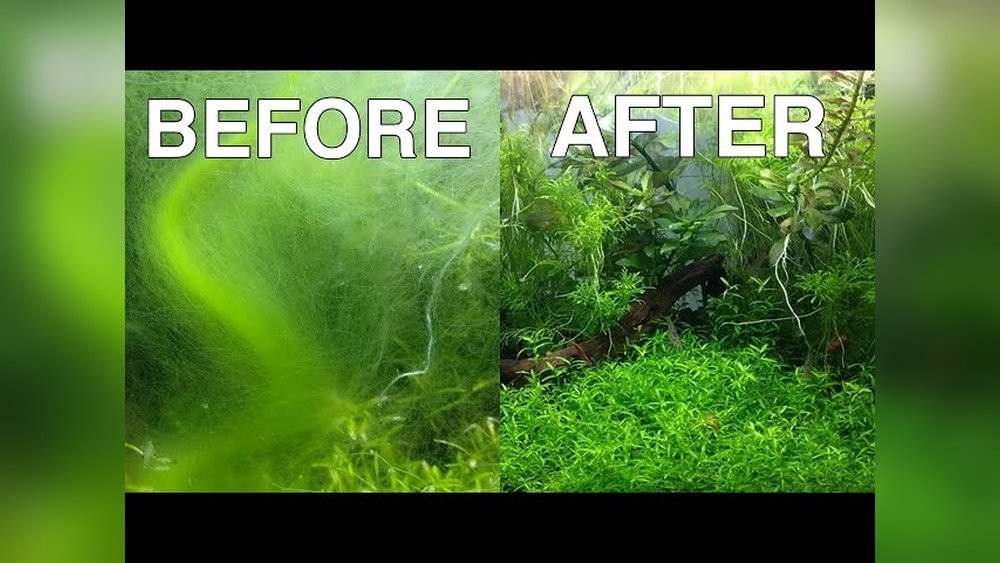
Are you struggling with stubborn hair algae taking over your aquarium? You’re not alone.
Hair algae can quickly turn your beautiful tank into a green mess, blocking light and harming your aquatic plants and fish. But don’t worry—there are simple, proven ways you can tackle this problem and restore your tank’s natural balance. In this guide, you’ll discover effective methods to get rid of hair algae fast, including the best algae-eating fish and invertebrates, nutrient control tips, and practical removal techniques.
Keep reading, and you’ll learn exactly how to take back control and enjoy a clear, healthy aquarium once again.
Causes Of Hair Algae
Hair algae can quickly take over your aquarium, making it look messy and unhealthy. Understanding the causes of hair algae helps you control and prevent its growth. Several factors contribute to this common problem in fish tanks and aquatic setups.
Nutrient Imbalance
Excess nutrients in the water feed hair algae and encourage its rapid growth. High levels of nitrates and phosphates often come from overfeeding fish or poor tank maintenance. Uneaten food and fish waste release these nutrients, creating a perfect environment for algae.
Plants and algae compete for nutrients, but hair algae can thrive even when plants struggle. Keeping nutrient levels balanced is key to controlling algae growth.
Lighting Issues
Too much light or the wrong type of lighting helps hair algae multiply. Hair algae thrive under intense or prolonged light exposure. Using strong aquarium lights for many hours daily can cause algae blooms.
Light that is too weak or uneven can also stress plants, giving hair algae an advantage. Properly timed and balanced lighting supports healthy plant growth and limits algae.
Water Quality Factors
Poor water quality encourages hair algae growth and harms fish and plants. Regular water changes remove excess nutrients and reduce algae chances. High levels of carbon dioxide, unstable pH, or temperature swings stress the aquarium environment.
Clean, stable water creates conditions where hair algae cannot dominate. Testing and adjusting water parameters help keep the tank healthy and algae-free.

Credit: www.reddit.com
Manual Removal Techniques
Manual removal techniques offer a direct way to control hair algae in your aquarium. These methods help reduce algae growth without chemicals. They require patience and regular effort. Manual removal also protects your aquatic plants and fish from harmful substances. Here are effective manual removal techniques to consider.
Siphoning Methods
Siphoning removes hair algae from the substrate and hard-to-reach areas. Use a siphon tube to gently vacuum algae off surfaces. Move slowly to avoid disturbing fish and plants. Regular siphoning helps keep algae from spreading. It also removes debris that feeds algae growth.
Trimming And Pinching
Trimming algae-covered plants reduces the algae’s hold in the tank. Use clean scissors to cut off algae strands carefully. Pinching algae with fingers can pull it away from decorations. This technique works well on large clumps. Dispose of trimmed algae outside the aquarium to prevent recontamination.
Regular Maintenance Routine
Consistent maintenance reduces algae buildup over time. Change water weekly to lower excess nutrients. Clean filters and remove waste to improve water quality. Check for algae growth and remove it promptly. A steady routine keeps your aquarium healthy and algae-free.
Biological Control Options
Biological control offers a natural way to reduce hair algae in your aquarium. It uses living creatures that feed on algae. This method helps keep algae growth under control without chemicals. Choosing the right algae eaters depends on whether your tank is freshwater or saltwater. Below are some effective biological control options.
Freshwater Algae Eaters
Freshwater tanks benefit from algae-eating fish and invertebrates. Amano shrimp are famous for eating hair algae quickly. Nerite snails also help by grazing on algae without harming plants. Siamese algae eaters are active swimmers that consume algae from hard-to-reach places. These creatures work well together to keep the tank clean.
Saltwater Algae Grazers
Saltwater tanks need specific algae grazers to fight hair algae. Tangs, especially the yellow tang, eat algae constantly. Blennies are small fish that pick algae off rocks and glass. Sea urchins are natural grazers that scrape algae from surfaces. These grazers help maintain balance in reef tanks.
Invertebrate Clean-up Crew
Invertebrates play a key role in controlling hair algae. Amano shrimp are popular in freshwater setups for their appetite. Nerite snails do not reproduce in freshwater, avoiding overpopulation issues. In saltwater, sea urchins and certain crabs clean algae effectively. Adding a clean-up crew supports a healthy aquarium ecosystem.

Credit: www.youtube.com
Chemical Treatments
Chemical treatments offer a direct way to control hair algae in aquariums. These methods help kill algae quickly and stop its spread. Use chemicals carefully to avoid harming fish and plants. Follow instructions closely and monitor water quality during treatment.
Using Algicides Safely
Algicides are chemicals made to kill algae. Use them in small doses to protect your tank life. Test the water before and after treatment. Avoid overdosing, as it can hurt fish and beneficial bacteria. Always choose an algicide suitable for your aquarium type.
Hydrogen Peroxide Treatments
Hydrogen peroxide is a natural option to remove hair algae. It breaks down algae cells without long-term harm to the tank. Use a diluted solution and apply it carefully to affected areas. Avoid adding too much at once to prevent stress on fish and plants.
Blackout Method
The blackout method means removing all light from the tank. Without light, hair algae cannot grow and will die off. Cover the tank completely for 3 to 5 days. Check fish health during this time and restore light gradually after treatment.
Preventing Hair Algae Growth
Preventing hair algae growth is key to keeping a clean and healthy aquarium. Hair algae thrive when conditions in the tank favor their growth. Simple steps can stop algae before it starts. Focus on controlling nutrients, light, and water quality. This approach helps maintain a balanced environment that discourages algae.
Balancing Nutrients
Hair algae feed on excess nutrients like nitrates and phosphates. Regular water changes reduce these nutrients. Avoid overfeeding fish, as leftover food adds to nutrient levels. Use a good plant fertilizer if you have live plants. Healthy plants compete with algae for nutrients, lowering algae growth chances.
Controlling Light Exposure
Too much light encourages hair algae to grow fast. Limit aquarium light to 6-8 hours per day. Use a timer to keep light consistent. Avoid placing the tank near windows with direct sunlight. If algae appear, reduce light intensity or duration gradually to control growth.
Improving Filtration
Good filtration removes waste and excess nutrients from water. Choose a filter suitable for your tank size. Clean filter media regularly to keep it working well. Consider adding biological filters to boost beneficial bacteria. These bacteria break down harmful substances and help prevent algae blooms.
Combining Strategies For Best Results
Combining different strategies creates the most effective way to get rid of hair algae. Using a mix of biological, manual, and environmental controls helps stop hair algae growth faster. Each method targets the algae in a unique way. Together, they keep your tank clean and balanced. Follow these steps for best results.
Integrating Biological And Manual Methods
Use algae-eating fish and invertebrates to reduce hair algae naturally. Amano shrimp, Nerite snails, and Siamese algae eaters work well. These creatures eat algae and keep it under control.
Manually remove visible algae with a soft brush or algae scraper. Regular cleaning stops algae from spreading. Combine this with biological controls for stronger results.
Monitoring Tank Conditions
Check water quality regularly. Test nitrate, phosphate, and pH levels. High nutrients feed hair algae and make it grow fast.
Keep lighting moderate and avoid too much direct light. Hair algae thrive in strong light. Adjust light duration and intensity to slow growth.
Long-term Care Tips
Maintain a regular cleaning schedule. Change water weekly to reduce nutrients. Clean filters often to keep water clear.
Feed fish moderately to avoid excess food waste. Overfeeding adds nutrients that help algae grow.
Keep plants healthy and growing. Fast-growing plants compete with algae for nutrients, reducing algae growth.

Credit: www.2hraquarist.com
Frequently Asked Questions
How To Get Rid Of Hair Algae Quickly?
Reduce light exposure and manually remove algae daily. Add algae-eating species like Amano shrimp or Siamese Algae Eaters. Control nutrients by limiting nitrates and phosphates. Use algicides like Algexit or hydrogen peroxide for severe infestations. Maintain regular tank cleaning to prevent regrowth.
What Will Eat Hair Algae?
Amano shrimp, Nerite snails, Siamese Algae Eaters, Flagfish, Rosy Barbs, and certain Tangs eat hair algae effectively.
What Does Hair Algae Look Like?
Hair algae look like thin, green, stringy strands that resemble hair or fine threads. They often grow on aquarium surfaces, plants, and decorations. This algae forms dense mats that can cover objects, making the tank appear fuzzy or unclean.
Does Peroxide Kill Hair Algae?
Yes, hydrogen peroxide can kill hair algae effectively. Use it carefully to avoid harming plants or fish.
Conclusion
Controlling hair algae keeps your aquarium healthy and clear. Use a mix of manual cleaning and algae-eating fish or shrimp. Watch water quality closely to reduce nutrients that feed algae. Avoid letting algae grow too much to protect plants and fish.
Regular care makes a big difference over time. Stay patient and consistent for best results. Your tank will look cleaner and feel better for its inhabitants.
As an Amazon Associate, I earn from qualifying purchases.
Lovingshe is a participant in the Amazon Services LLC Associates Program which is an affiliate advertising program designed to provide a means for sites to earn advertising fees by advertising and linking to Amazon.com. Amazon may use cookies to track referrals from our site. Visit Amazon’s privacy policy for details
