


Have you ever looked in the mirror and instantly regretted your new hair color? Whether it turned out too bright, too dark, or just not what you expected, the good news is you don’t have to live with it.
Getting hair color out can seem tricky, but with the right methods, you can safely and effectively fade or remove unwanted dye at home. You’ll discover simple, practical steps—from gentle fading techniques to stronger options—that help you take control of your hair color without causing damage.
Ready to fix your hair and feel confident again? Keep reading to find the best solutions tailored just for you.
Fading Hair Color Gently
Fading hair color gently helps protect your hair from damage. Harsh treatments strip color fast but harm strands. Choosing mild methods keeps hair healthier while fading dye. Patience is key for natural-looking results without stress.
Clarifying Shampoo Method
Clarifying shampoo removes buildup and loosens hair dye. Use warm water to open hair cuticles. Wash hair two to three times for better fading. Follow with a deep conditioner to restore moisture. Avoid daily use to prevent dryness.
Vitamin C And Shampoo Paste
Crush vitamin C tablets into a fine powder. Mix with a small amount of shampoo to make a paste. Apply the paste evenly on damp hair. Leave it on for 30 to 60 minutes under a shower cap. Rinse well and condition to prevent dryness.
Apple Cider Vinegar Rinse
Mix equal parts apple cider vinegar and water. Pour the mixture over hair after shampooing. Leave it for 5 to 10 minutes to help break down color. Rinse thoroughly with cool water to close cuticles. Repeat this rinse twice a week for gradual fading.
Baking Soda Paste Technique
Combine baking soda with water or shampoo to form a paste. Apply the paste to damp hair, focusing on colored areas. Leave it on for 10 to 15 minutes, then rinse well. Use this method sparingly to avoid hair dryness. Always follow with a nourishing conditioner.

Credit: www.youtube.com
Stronger Removal Methods
Stronger removal methods work well to fade or remove stubborn hair color. These methods use more powerful ingredients to break down dye molecules quickly. Use them carefully to avoid hair damage. Always follow up with deep conditioning to keep hair healthy.
Dish Soap And Baking Soda Mix
Mix dish soap with baking soda to create a strong cleansing paste. This mix strips color faster than regular shampoo. Apply it gently on damp hair and leave for a few minutes. Rinse thoroughly and repeat if needed. Use this method only once or twice to prevent dryness.
Sulfur-based Products
Sulfur-based products help shrink hair dye molecules to fade color. They work well on stubborn or semi-permanent dyes. Expect a strong smell and some dryness after use. Apply sulfur products as directed and rinse well. Always follow with a moisturizing treatment to protect hair.
Bleach Bath Approach
The bleach bath is a last-resort method for tough hair color removal. Mix bleach powder with shampoo and a small amount of water. Apply carefully to avoid scalp irritation. Leave it on for a short time, then rinse thoroughly. This method can damage hair, so deep conditioning afterward is essential.
Choosing The Right Method
Choosing the right method to remove hair color depends on the type of dye and hair condition. Selecting a gentle or strong approach affects results and hair health. Understanding your hair dye type guides you to the best removal method. Use mild techniques for fresh color and stronger ones for older dye.
Knowing when to get expert help avoids damage. Some hair colors need professional treatment to remove safely. Choose wisely to keep hair healthy and avoid unwanted results.
Semi-permanent Vs Permanent Dye
Semi-permanent dye coats the hair surface and fades with washing. This dye is easier to remove using gentle methods. Clarifying shampoos or vitamin C treatments can help fade semi-permanent color quickly.
Permanent dye penetrates the hair shaft and lasts longer. It requires stronger removers like color removers or bleach baths. Use these carefully to avoid hair damage. Permanent color often needs professional removal for best results.
When To Seek Professional Help
Seek a professional if color removal seems difficult or if hair is damaged. Experts use safe techniques and products that protect hair health. Professionals can fix uneven color and prevent breakage.
Try home methods only for minor fading or semi-permanent dyes. For drastic color changes, professional advice is safer. Protect your hair by knowing when to ask for help.
Protecting Hair Health
Removing hair color can stress your hair. Protecting hair health is crucial during this process. Color removers and treatments can dry and damage strands. Taking care of hair prevents breakage and keeps it strong. Follow simple steps to maintain moisture and softness.
Importance Of Deep Conditioning
Deep conditioning restores moisture lost from color removal. It helps repair damage and smooths the hair cuticle. Use a rich conditioner or hair mask after every treatment. Leave it on for at least 10 to 20 minutes. This strengthens hair and improves shine. Regular deep conditioning prevents dryness and brittleness. Choose products with natural oils and proteins for best results.
Testing On Small Hair Sections
Test any color removal method on a small hair section first. This shows how your hair reacts before full application. Check for dryness, breakage, or scalp irritation. Testing helps avoid major damage and unwanted results. Use a hidden strand at the back or under layers. Wait 24 to 48 hours after the test to see effects. Adjust your method based on this test for safer color removal.
Removing Hair Dye From Skin
Removing hair dye from skin can be tricky but manageable. Stains often appear during the coloring process. Acting fast helps prevent permanent marks. Different methods work depending on the dye type and skin sensitivity.
Using gentle products first reduces skin irritation. Avoid harsh scrubbing to protect your skin. Some household items can safely lift dye stains. Consistency in cleaning gives better results.
Quick Tips For Skin Stains
- Use a cotton ball soaked in baby oil to rub the stain gently.
- Apply a mixture of baking soda and water as a mild scrub.
- Try rubbing alcohol or hand sanitizer carefully on the spot.
- Use makeup remover wipes for quick and easy cleaning.
- Wash the area with warm water and mild soap after treatment.
- Repeat the process if the stain does not come off immediately.
- Moisturize your skin after cleaning to avoid dryness.

Credit: www.wikihow.com
Credit: www.youtube.com
Frequently Asked Questions
How Can I Remove Hair Dye From My Hair At Home?
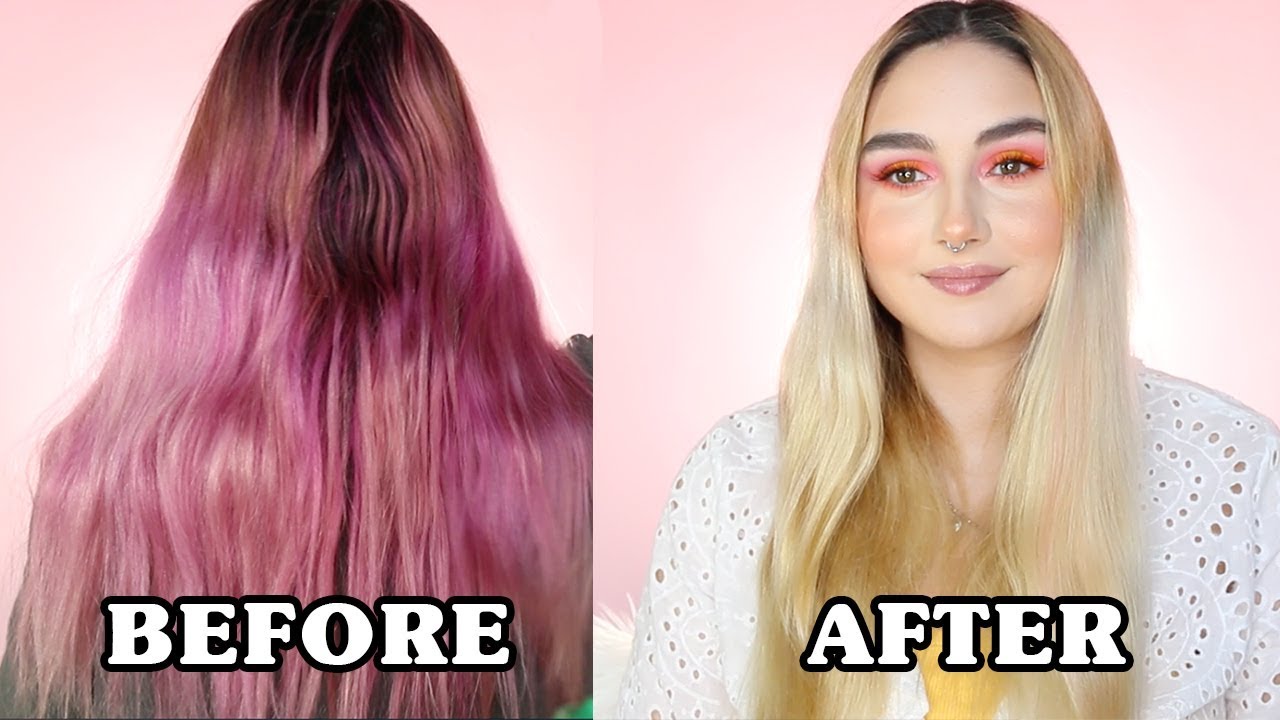
Remove hair dye at home using clarifying shampoo, vitamin C paste, or an apple cider vinegar rinse. For stronger fading, try a baking soda and dish soap mix. Always deep condition afterward to restore moisture. Perform a patch test before applying any method.
Will Dawn Dish Soap Strip My Hair Color?
Dawn dish soap can strip hair color due to its strong detergents. Use it sparingly to avoid fading and dryness. Always deep condition afterward.
What’s The Hardest Color To Get Out Of Hair?
The hardest hair color to remove is dark, permanent shades like black or deep brown. These penetrate deeply and resist fading.
How To Fade Hair Color That Is Too Dark?
Use clarifying shampoo or a vitamin C and shampoo paste to gently fade dark hair color. Apply baking soda paste or an apple cider vinegar rinse for stronger fading. Always deep condition afterward to restore moisture. Test on a strand first to avoid damage.
Conclusion
Removing unwanted hair color takes patience and care. Start with gentle methods like clarifying shampoo or a vitamin C treatment. Baking soda and dish soap mixtures can help but use them sparingly to avoid damage. Deep conditioning is essential after any color removal process.
For stubborn or permanent dye, consider professional advice to protect your hair health. Always test products on a small section first. Taking these steps helps restore your natural hair color safely and effectively.
As an Amazon Associate, I earn from qualifying purchases.
Lovingshe is a participant in the Amazon Services LLC Associates Program which is an affiliate advertising program designed to provide a means for sites to earn advertising fees by advertising and linking to Amazon.com. Amazon may use cookies to track referrals from our site. Visit Amazon’s privacy policy for details
