


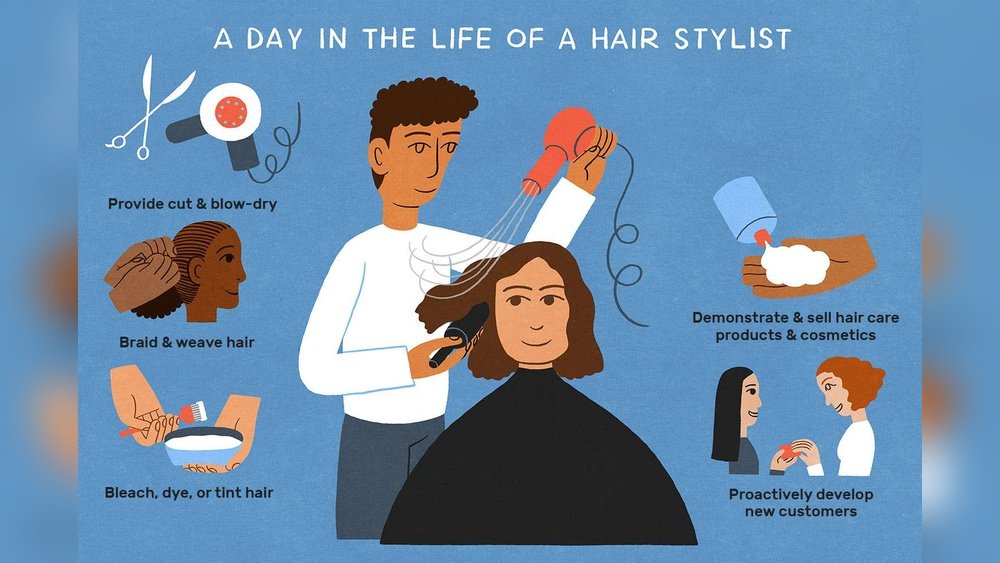
Are you dreaming of a career where creativity meets connection? Becoming a hair stylist could be your perfect path.
Imagine transforming someone’s look and boosting their confidence every day while doing what you love. But how do you turn that dream into reality? This guide breaks down everything you need to know—from gaining the right skills and training to building a portfolio that gets you noticed.
Keep reading, and you’ll discover the clear steps to start your journey and stand out in the vibrant world of hairstyling. Your future as a hair stylist starts here.
Educational Pathways
Becoming a hair stylist starts with the right education. This path offers various steps to build skills and knowledge. Each step prepares you for success in this creative career.
Understanding the educational pathways helps you plan your journey. You will learn about basic qualifications, choosing the right school, and the training involved.
High School Qualifications
Most cosmetology programs require a high school diploma or equivalent. Focus on courses like biology and art to build a strong foundation. Good communication skills will also help in client interactions.
Some schools accept students who are 16 or older. Check the age and education requirements before applying to any program.
Choosing A Cosmetology School
Pick a school licensed by your state’s board of cosmetology. Look for programs with good reviews and experienced instructors. Smaller class sizes often mean more personal attention.
Check if the school offers flexible schedules or part-time options. This can be helpful if you need to work while studying.
Coursework And Training
Courses cover hair cutting, coloring, styling, and sanitation practices. Hands-on training is a big part of learning these skills. Practice on mannequins and real clients builds confidence.
Most programs also teach business skills like customer service and salon management. Completing the required training hours is necessary for licensing exams.

Credit: jdacademy.com
Licensing And Certification
Licensing and certification are essential steps to work as a professional hair stylist. These ensure you meet the safety and skill standards required by law. Each state has specific rules you must follow to earn your license. Understanding these requirements helps you prepare and succeed in your career.
State Licensing Requirements
Every state sets its own rules for hair stylist licenses. You usually need to complete a state-approved cosmetology program. These programs teach hair cutting, coloring, and sanitation. Most states also require a minimum number of training hours. Check your state board’s website for exact details. Meeting these requirements allows you to take the licensing exam.
Preparing For The Licensing Exam
The licensing exam tests your knowledge and skills. It often includes written and practical parts. Study the exam guide provided by your state board. Practice hair cutting, styling, and chemical treatments. Use study materials like textbooks and online quizzes. Taking practice tests can boost your confidence. Arrive early and stay calm during the exam.
Renewing Your License
Licenses do not last forever. You must renew your license regularly, usually every one or two years. Renewal requires continuing education courses to keep your skills current. These courses cover new trends and safety practices. Submit your renewal application before the deadline to avoid penalties. Staying licensed lets you work legally and grow your career.
Building Practical Experience
Building practical experience is essential for becoming a skilled hair stylist. It helps you apply what you learn in school and develop confidence. Hands-on work sharpens your skills and teaches you how to handle real clients. Getting real-world experience also helps you understand the daily life of a hair stylist. This experience sets the foundation for a successful career in hair styling.
Apprenticeships And Internships
Apprenticeships and internships offer valuable learning opportunities. They let you work under the guidance of experienced stylists. You observe, practice, and improve your techniques in a real salon. These programs often include cutting, coloring, and styling hair. They also teach you how to communicate with clients professionally. This experience is a stepping stone to becoming a licensed hair stylist.
Hands-on Training
Hands-on training is critical to mastering hair styling skills. Practice on mannequins and real clients helps build precision. You learn to use tools like scissors, clippers, and brushes correctly. Training also covers hygiene and safety measures. Regular practice helps improve speed and creativity. This kind of training boosts your confidence and readiness for salon work.
Working In A Salon Environment
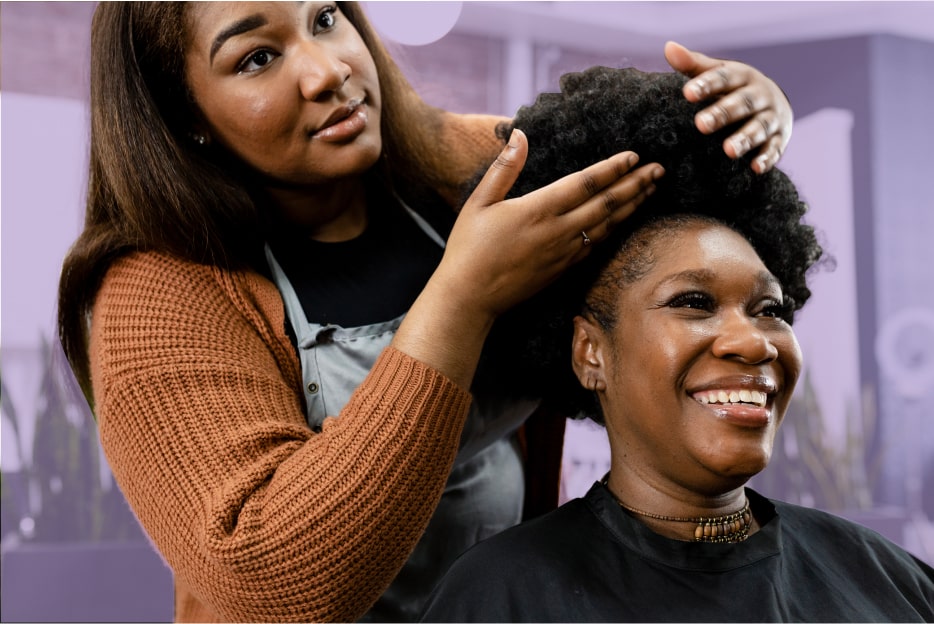
Working in a salon environment gives you real-world experience. You learn how salons operate day-to-day. This includes managing appointments, handling products, and working with a team. You also gain experience in customer service and problem-solving. Salon work helps you adapt to a fast-paced setting. It prepares you for the challenges and rewards of a hair stylist career.
Credit: www.insurebodywork.com
Developing Skills
Developing skills is key to becoming a successful hair stylist. It involves learning both technical abilities and soft skills. Practicing regularly helps improve your confidence and speed. You must also adapt to new trends and customer needs. This combination builds a strong foundation for your career.
Technical Hair Styling Techniques
Mastering basic hair cutting and coloring is essential. Learn how to use scissors, clippers, and styling tools correctly. Practice different styles like braiding, curling, and straightening hair. Understanding hair types and textures helps you choose the best techniques. Keep refining your skills through hands-on experience and training.
Customer Service And Communication
Good communication makes clients feel comfortable and valued. Listen carefully to what they want and offer honest advice. Be polite and patient, even with difficult clients. Explaining your process helps build trust. Creating a friendly atmosphere encourages repeat visits and referrals.
Staying Current With Trends
Hair styling trends change fast. Follow fashion shows, magazines, and social media to stay updated. Attend workshops and industry events to learn new techniques. Experiment with fresh styles to keep your work exciting. Staying current attracts more clients and keeps your skills relevant.
Launching Your Career
Starting a career as a hair stylist requires more than just skills. It needs planning and smart moves. Focus on building a strong foundation. Prepare to showcase your talent, find a workplace that fits you, and connect with others in the field. These steps help you grow and stand out.
Creating A Portfolio
Your portfolio is a collection of your best work. It shows your style and skills to potential employers and clients. Include clear photos of different hairstyles you have done. Update it regularly with new looks. A good portfolio builds trust and opens doors.
Finding The Right Salon
Choose a salon that matches your goals and values. Research salons in your area and visit them if possible. Check the atmosphere, client base, and team culture. A supportive salon helps you learn and grow faster. Think about location and work hours too.
Networking And Industry Events
Meet other hair stylists and professionals at events and workshops. These gatherings offer chances to learn new trends and techniques. Bring business cards and be ready to talk about your work. Building relationships can lead to job offers and mentorship. Stay active in the hair styling community.
Marketing Yourself
Marketing yourself is essential to build a strong career as a hair stylist. It helps attract clients and grow your reputation. You need to show your skills and connect with people. Effective marketing creates trust and interest in your services. Here are some key ways to market yourself successfully.
Building A Social Media Presence
Create profiles on popular platforms like Instagram and TikTok. Share photos and videos of your work regularly. Use clear and bright images to catch attention. Post styling tips or quick tutorials to add value. Stay active and respond to comments to build a community. This helps potential clients discover your talent easily.
Showcasing Your Work Online
Develop a professional online portfolio or website. Display before-and-after photos to highlight your skills. Include details about your services and pricing. Keep your site simple and easy to navigate. Regularly update it with new styles and client testimonials. This builds credibility and shows your growth as a stylist.
Engaging With Clients
Communicate clearly and politely with every client. Listen carefully to their needs and preferences. Follow up after appointments to ask about satisfaction. Encourage clients to leave reviews on social media or your website. Offer small incentives for referrals or repeat visits. Building strong relationships leads to loyal clients and positive word of mouth.
Career Advancement
Advancing your career as a hair stylist brings new chances and challenges. Growing your skills and reputation helps you earn more and enjoy your work. The hair industry values creativity and skill, so keep moving forward to stay competitive.
Career growth means learning new styles, techniques, and trends. It also means finding your unique path, whether in salons, fashion, or media. Here are key steps to help you rise in the hair styling world.
Continuing Education
Taking extra courses improves your skills and knowledge. Many schools offer classes on new cutting methods, coloring, and styling. Staying updated on tools and trends keeps your work fresh and in demand. Workshops and certifications boost your confidence and client trust.
Specializing In Hair Styling
Finding a specialty sets you apart from others. You might focus on bridal hair, men’s grooming, or creative coloring. Specialization makes you an expert in a niche, attracting specific clients. This focus often leads to higher pay and better job offers.
Opportunities In Media And Fashion
Working in media or fashion offers exciting challenges and visibility. Stylists help prepare models and actors for shoots and shows. These roles demand creativity and quick thinking. Success here can build your portfolio and open doors to top industry contacts.
Financial Considerations
Starting a career as a hair stylist involves important financial decisions. Planning your budget carefully helps you avoid surprises. Understanding costs and managing money wisely supports steady growth in your new profession.
Cost Of Education And Licensing
Hair styling requires formal education at a cosmetology school. Tuition fees vary by location and school quality. Expect to pay for supplies and textbooks as well. Licensing is mandatory and involves exam fees. Renewing licenses may require additional costs over time.
Managing Income And Expenses
Your income may start small and grow with experience. Track all earnings and expenses to stay organized. Set aside money for taxes since hairstylists often work as freelancers. Budget for marketing and transportation to reach clients. Saving helps cover slow periods or emergencies.
Investing In Tools And Products
Quality tools improve your work and client satisfaction. Purchase scissors, combs, brushes, and styling devices carefully. Keep your products stocked for various hair types and styles. Replacing worn tools is a regular expense. Smart buying saves money and builds your professional image.
Credit: continentalschoolofbeauty.edu
Frequently Asked Questions
What Qualifications Do You Need To Be A Hair Stylist?
To be a hair stylist, complete a state-approved cosmetology program, pass licensing exams, and gain hands-on experience. Basic education like GCSEs often helps.
How Long Does It Take To Become A Hairstylist?
Becoming a hairstylist typically takes 9 to 12 months in cosmetology school. Licensing requirements vary by state.
How To Start Out As A Hairstylist?
Complete a cosmetology program and obtain your license. Build a strong portfolio by practicing and gaining experience. Network at salons and on social media to attract clients. Stay updated with trends and continue learning through workshops. Consistency and professionalism help establish your hairstyling career.
How To Start A Career In Hair Styling?
Start by researching the hair styling industry and enrolling in a cosmetology program. Obtain your license, build a portfolio, and stay updated on trends. Gain experience through internships or salons, and actively promote your work on social media to attract clients and grow your career.
Conclusion
Becoming a hair stylist takes passion, practice, and patience. Start with proper training and get your license. Build your skills by working in salons and learning from others. Keep up with new trends and tools to stay fresh. Connect with clients and grow your portfolio over time.
Enjoy the creative journey and the joy of making others feel confident. Success comes step by step, so stay committed and keep improving. Your dream career in hair styling is within reach.
As an Amazon Associate, I earn from qualifying purchases.
Lovingshe is a participant in the Amazon Services LLC Associates Program which is an affiliate advertising program designed to provide a means for sites to earn advertising fees by advertising and linking to Amazon.com. Amazon may use cookies to track referrals from our site. Visit Amazon’s privacy policy for details
