


Facing a hair drug test can feel overwhelming, especially when your future depends on the results. You might be wondering if there’s a way to beat it or at least improve your chances of passing.
The truth is, hair follicle tests are designed to detect drug use over a long period, making them tougher to fool than other tests. But don’t lose hope—there are proven methods and important facts you need to know before the test day.
You’ll discover what really works, what risks to avoid, and how to approach your hair drug test smartly. Keep reading to find out how you can take control and increase your chances of passing with confidence.
Credit: www.iranmedex.com
Hair Drug Tests Explained
Hair drug tests are a common method used to detect drug use over a longer period. They analyze hair samples to find traces of drug metabolites. These tests provide more extended detection than urine or blood tests. Understanding how hair drug tests work helps in knowing what to expect and how to prepare.
How Hair Testing Works
Hair drug testing involves collecting a small hair sample from the scalp. The sample is usually taken close to the scalp, about 1.5 inches long. This length reflects drug use from the past 90 days. Drugs enter the hair through the bloodstream and stay trapped in the hair shaft. Laboratories then wash the hair to remove external contaminants before testing. Chemical analysis detects drug metabolites embedded inside the hair.
Detection Window
The detection window for hair tests is much longer than other tests. Hair grows about half an inch per month. A 1.5-inch hair sample can show drug use from up to three months ago. This makes hair testing useful for monitoring long-term drug use. It cannot detect very recent drug use within the past week. The test looks for patterns over time, not one-time use.
Common Substances Tested
Hair drug tests can detect many substances. The most common include marijuana, cocaine, opiates, methamphetamine, and PCP. Some tests also check for benzodiazepines, barbiturates, and MDMA. Labs use sensitive techniques to find tiny amounts of drug metabolites. The variety of substances tested depends on the test panel requested by the employer or agency.

Credit: www.methadone.org
Factors Influencing Test Results
Understanding the factors influencing hair drug test results helps in grasping how detection works. Various elements affect how drugs bind to hair and how tests interpret those traces. Some factors may increase the chance of detection, while others might reduce it. This section explores key influences on hair drug test outcomes.
Hair Color And Drug Binding
Hair color plays a major role in drug test results. Darker hair contains more melanin, which binds drugs more strongly. This means drugs may accumulate more in black or brown hair than in lighter hair. People with lighter hair may show lower drug levels, even with similar drug use. Test sensitivity can vary based on this natural difference.
Environmental Contaminants
External exposure to drugs or chemicals can affect test results. Secondhand smoke from marijuana or cocaine can deposit drug traces on hair. Contaminants like paint thinner or pollution may interfere with the test. Labs use washing steps to remove these outside substances. Still, heavy contamination can sometimes cause false positives or raise detected levels.
Medications Impact
Certain medications may influence hair drug tests. Common drugs like ibuprofen or decongestants can cause false positives. Some diet pills and antidepressants may also interfere. These substances might react with test chemicals or alter drug binding in hair. Knowing what medicines affect tests helps avoid unexpected results.
Causes Of False Positives
False positives in hair drug tests can cause serious problems. They happen when the test shows drug use, but no drugs were actually used. Understanding what causes these false positives helps avoid mistakes and stress. Several factors can affect results beyond actual drug intake.
Secondhand Smoke Exposure
Breathing in smoke from others’ drug use can leave traces in hair. Even short exposure to marijuana or cocaine smoke might register in tests. Labs try to wash away outside contaminants, but some particles stick tightly to hair. This exposure can lead to wrong results, especially in heavy smoke areas.
Certain Over-the-counter Drugs
Some common medicines can cause false positives. Drugs like ibuprofen, decongestants, and diet pills might affect test readings. These substances share chemical features with some illegal drugs. The test may confuse them, showing drug use where there is none. Always check medicine ingredients before testing.
Hair Products And Dyes
Hair treatments can change drug test results. Dyes and bleaching chemicals may alter how drugs bind to hair. Some products contain ingredients that interfere with testing chemicals. Frequent or harsh hair treatments might either hide drug traces or create false signals. Test labs consider this, but errors still happen.
Causes Of False Negatives
False negatives in hair drug tests happen when the test fails to detect drug use despite it occurring. Various factors can interfere with the accuracy of the test. These factors may reduce drug traces in the hair or prevent sample collection. Understanding these causes helps explain why some tests might show no drug presence even after use.
Bleaching And Chemical Treatments
Bleaching and strong chemicals can damage hair structure. This damage may wash out drug metabolites from the hair shaft. Frequent bleaching lowers drug levels, making detection harder. Chemical treatments break down the hair’s outer layer. This layer usually holds drug traces. Severe damage can lead to false negative results.
Shaving Head And Body Hair
Removing all hair stops sample collection. Hair tests require a certain length to analyze drug use. Shaving head and body hair leaves no sample for testing. Some labs may use body hair as an alternative. Body hair grows slower and shows older drug use. Complete shaving can delay or prevent accurate testing.
Hair Damage Effects
Damaged hair affects drug retention and test results. Heat styling, coloring, and environmental exposure weaken hair. Weakened hair loses drug traces more easily during washing. Damaged hair may break or fall out, reducing sample size. These effects contribute to lower drug levels in samples. Hair damage can cause false negative test outcomes.
Ineffective Methods To Beat Tests
Many people try different ways to pass a hair drug test. Some methods seem simple and harmless. Others promise quick results. Yet, most of these common tactics do not work. They fail to remove drug traces from hair effectively. Understanding which methods are ineffective helps avoid wasted time and effort.
Regular Washing And Shampooing
Washing hair regularly does not clear drug metabolites. Drugs get trapped inside the hair shaft. Normal shampoo only cleans the surface. It cannot reach the inner layers where drug traces hide. Even multiple washes leave drug residues intact. This method gives a false sense of security.
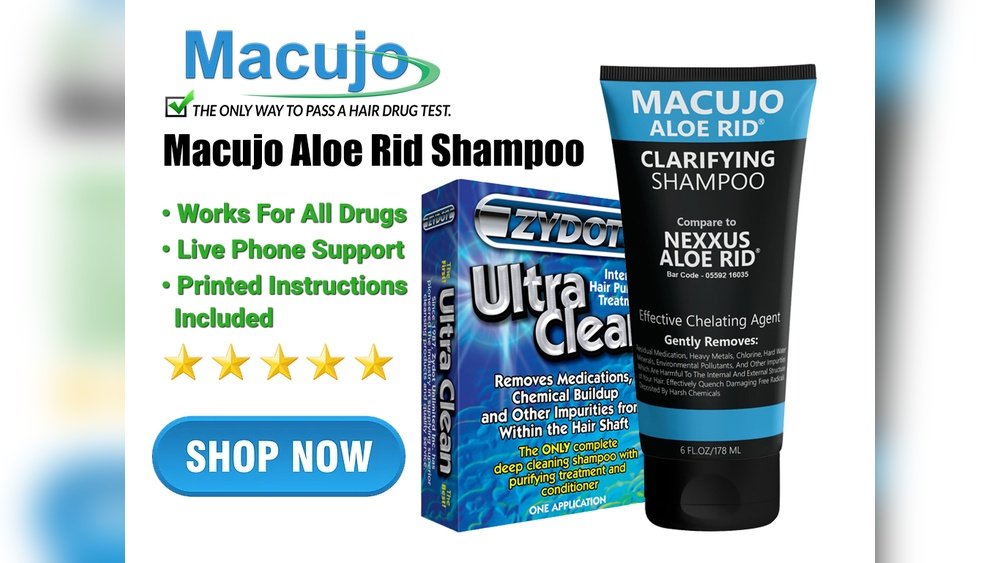
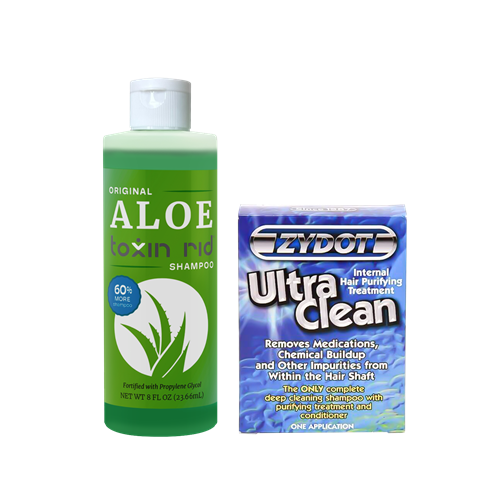
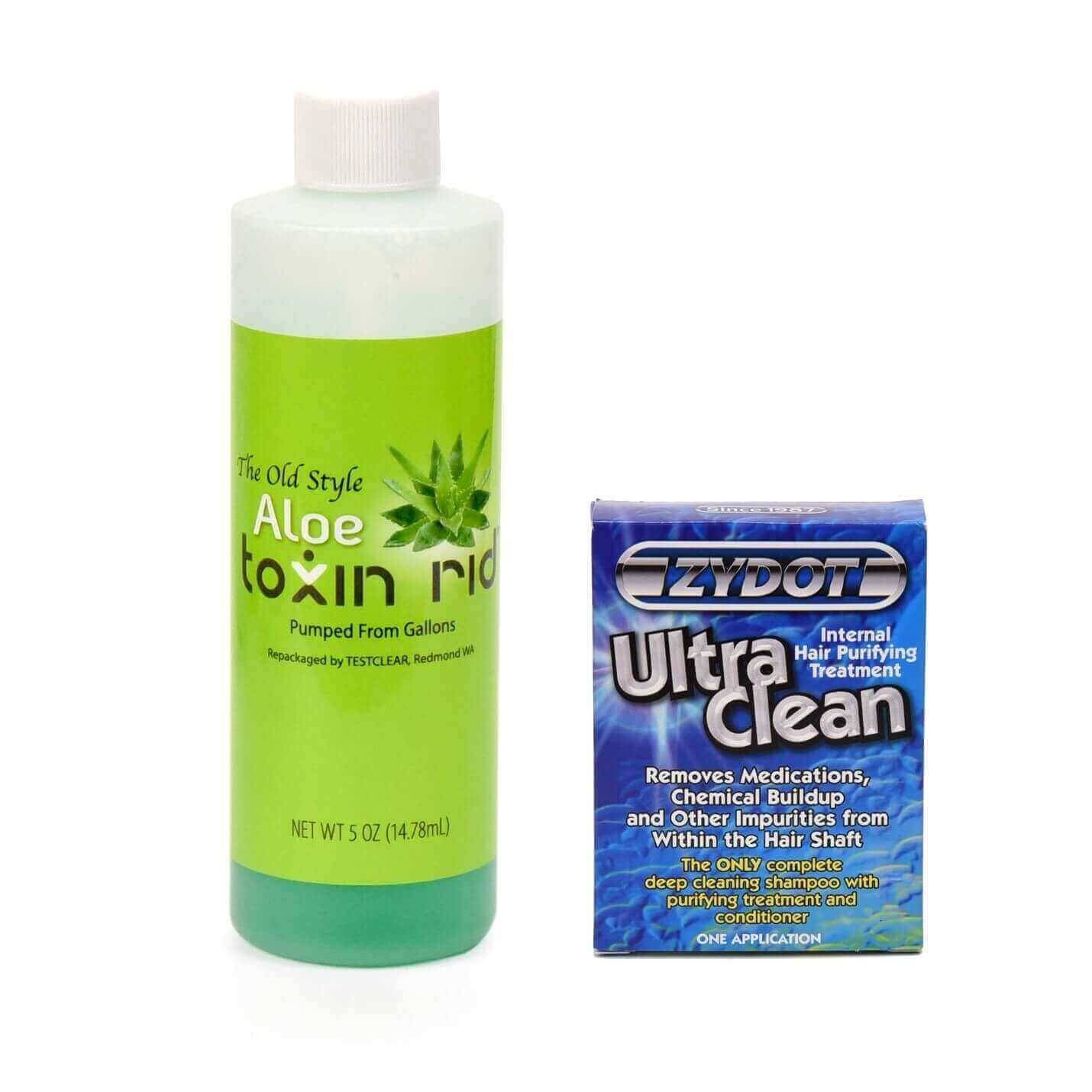
Detox Shampoos And Home Remedies
Detox shampoos claim to flush out drug toxins. Most do not remove drugs from hair. Their formulas lack strong chemicals needed to break down drug molecules. Home remedies like baking soda or lemon juice also fail. Such methods only clean the hair surface. They rarely change test results.
Using Vinegar Or Household Products
People use vinegar and other household items to beat tests. Vinegar’s acidic nature might alter hair slightly. It does not remove drug metabolites deeply embedded. Household products are too weak for this purpose. Using them can damage hair but won’t fool lab tests. These attempts often waste time and harm hair quality.
Safe Practices Before Testing
Preparing for a hair drug test involves more than just stopping drug use. Safe practices before testing can influence the test outcome. Taking the right steps reduces the risk of false positives or negatives. Understanding these practices helps you face the test with confidence.
Disclosing Medications
Tell the tester about any medications you take. Some common drugs can cause false positives. Pain relievers like ibuprofen or cold medicines may affect results. Being honest prevents confusion during test analysis. Provide a list of all prescription and over-the-counter drugs. This transparency helps labs interpret findings correctly.
Avoiding Extreme Hair Treatments
Harsh hair treatments can damage the hair shaft. Bleaching or heavy dyeing might remove drug traces from your hair. This can cause false negatives or test failure. Avoid extreme chemical treatments before the test day. Use gentle hair care products to keep hair healthy. Healthy hair gives more reliable test results.
Honest Communication With Testers
Speak clearly about your situation with the testing personnel. Explain any concerns or special circumstances you have. Honest communication builds trust and reduces misunderstandings. Ask questions if the process is unclear to you. Being upfront helps create a smoother testing experience.
Chemical Treatments That Affect Results
Chemical treatments can change hair structure and affect drug test results. These treatments alter the hair’s natural state. They may reduce or hide drug metabolites inside the hair shaft. Understanding these effects helps in knowing how tests work and how to prepare.
Bleaching Hair
Bleaching removes natural pigment and opens the hair cuticle. This process can wash out drug traces from the hair. Heavy bleaching can damage the hair shaft, making it hard for labs to detect drugs. However, extreme damage may also raise suspicion during testing.
Hair Dyeing Effects
Hair dyes change the color and chemical makeup of hair. They can partially break down drug molecules embedded in the hair. Dark dyes might not remove drug traces as well as bleach. Frequent dyeing can reduce drug concentration, but it won’t guarantee a clean test.
Relaxers And Straighteners
Relaxers and straighteners use strong chemicals to alter hair texture. These chemicals can weaken hair and affect drug retention. They may cause some drug metabolites to leach out. The effect is less intense than bleaching but still notable in test results.
Credit: www.methadone.org
Potential Risks Of Attempting To Cheat
Trying to cheat on a hair drug test carries serious risks. Laboratories use advanced techniques to detect drug use. Attempts to alter or hide drug traces can fail. Sometimes, efforts backfire and lead to worse outcomes. Understanding these risks helps in making informed decisions.
Laboratory Detection Methods
Labs use sensitive technology to analyze hair samples. They detect drug metabolites inside the hair shaft. Washing steps remove surface contaminants but not internal traces. Scientists can spot signs of tampering or damage. Advanced tests reveal if hair was chemically treated or altered.
Consequences Of Shaving Hair
Shaving all hair can raise suspicion in drug tests. Some labs view missing hair as an attempt to cheat. They may use body hair instead, which is less reliable. Shaving can delay testing and cause rescheduling. This may lead to stricter testing or rejection of the sample.
Flagging Damaged Hair Samples
Excessive bleaching or harsh chemicals can damage hair strands. Labs detect such damage during analysis. Damaged hair may show false negatives or inconsistent results. Testing centers might reject samples that look tampered with. This can lead to retesting or failing the drug screen.
Frequently Asked Questions
What Is The Best Way To Pass A Hair Follicle Test?
The best way to pass a hair follicle test is to abstain from drug use for at least 90 days. Heavy bleaching or dyeing may reduce drug traces but risks damaging hair and raising suspicion. Avoid shaving, as it often triggers further testing.
Always disclose medications to the testing authority.
What Can Throw Off A Hair Follicle Drug Test?
Heavy bleaching, dyeing, certain medications, environmental exposure, darker hair color, and shaving hair can disrupt hair follicle drug test results.
Does Peroxide Remove Drugs From Hair?
Peroxide bleaching can damage hair and reduce drug metabolite levels. It might lower detection but doesn’t guarantee removal.
Can Someone Trick A Hair Follicle Test?
Tricking a hair follicle test is very difficult. Extreme bleaching or shaving may reduce detection but raises suspicion. Labs detect tampering and external contaminants. Abstaining from drug use remains the only reliable way to pass.
Conclusion
Beating a hair drug test is challenging but not impossible. Harsh hair treatments like bleaching may reduce drug traces. Shaving hair can delay testing but may cause suspicion. Normal washing or detox shampoos usually don’t work. Always be honest about medications you take.
Understand the risks before trying any method. Preparing ahead and knowing your options helps. Stay informed and make safe choices.
As an Amazon Associate, I earn from qualifying purchases.
Lovingshe is a participant in the Amazon Services LLC Associates Program which is an affiliate advertising program designed to provide a means for sites to earn advertising fees by advertising and linking to Amazon.com. Amazon may use cookies to track referrals from our site. Visit Amazon’s privacy policy for details
