


Wondering how often you should color your hair without causing damage? You’re not alone.
Finding the right timing to refresh your hair color can feel tricky. Color it too soon, and your hair might suffer; wait too long, and those roots or grays become impossible to ignore. But here’s the good news—you don’t have to guess anymore.
You’ll discover exactly how often you can safely color your hair based on your dye type, hair health, and style goals. Plus, you’ll learn simple tips to stretch the time between color treatments while keeping your hair vibrant and healthy. Ready to get the perfect color routine tailored just for you? Let’s dive in!
Credit: hydratesalon.com
Coloring Frequency By Dye Type
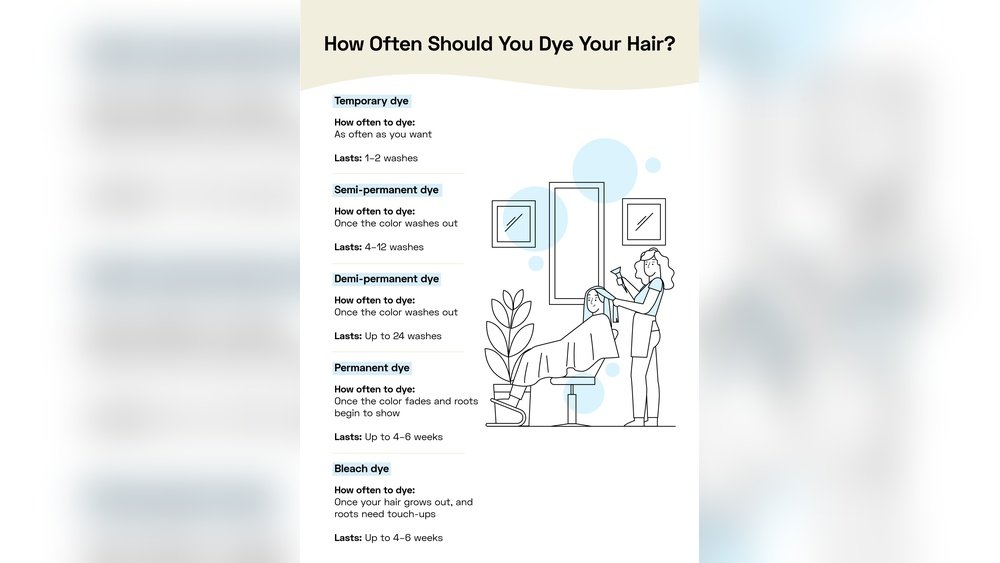
Choosing how often to color your hair depends largely on the type of dye used. Different dyes affect hair in different ways. Understanding each dye type helps you plan your coloring schedule. This avoids damage and keeps your hair healthy and vibrant.
Permanent And Demi-permanent
Permanent dyes change your hair color deeply and last until hair grows out. You can color your hair with permanent dye every 4 to 6 weeks. This timing helps cover roots and keeps color fresh. Demi-permanent dyes last shorter, usually 20 to 28 washes. They cause less damage and fade gradually. Reapplying demi-permanent dye every 3 to 4 weeks is safe for most hair types.
Semi-permanent Options
Semi-permanent dyes coat the hair surface without penetrating deeply. They last about 6 to 12 shampoos. These dyes are less harsh and can be used more often. Some people apply semi-permanent color weekly for bright tones or to refresh color. This type is ideal for trying new shades without long-term commitment.
Bleaching Considerations
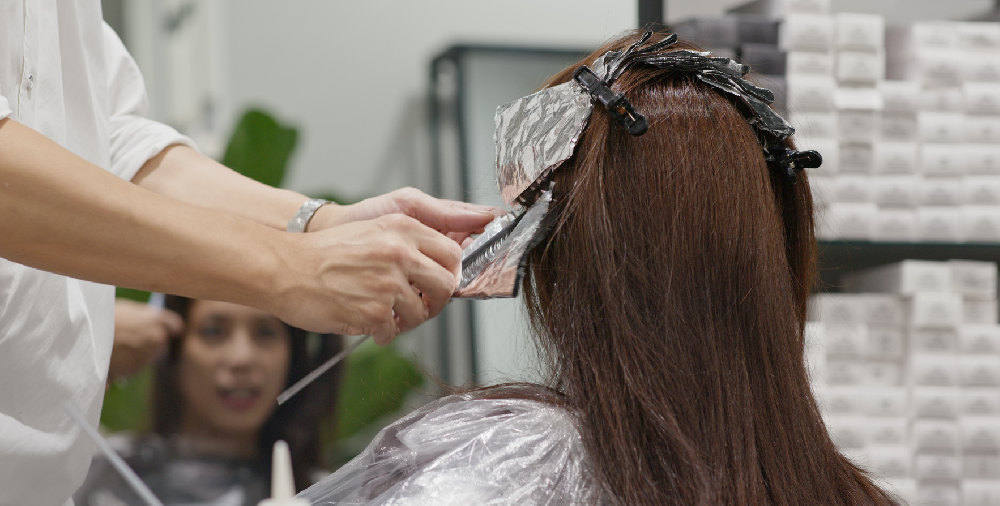
Bleaching removes natural color and is the most damaging process. It weakens hair and makes it fragile. Wait at least 6 to 8 weeks between bleaching sessions. This pause allows hair to recover and reduces breakage risk. Use deep conditioning treatments during this time to restore moisture and strength.
Key Factors Affecting Dye Timing
Deciding how often to color hair depends on several key factors. These affect how soon roots show, how vibrant the color stays, and the overall health of hair. Understanding these elements helps set the right timing for your next dye session. Let’s explore the main factors that influence dye timing.
Hair Growth Rate
Hair typically grows about half an inch each month. Faster growth means roots appear sooner. This leads to more frequent touch-ups to keep hair color even. Slower growth allows longer time between coloring sessions.
Percentage Of Gray Hair
Gray hair tends to stand out against colored hair quickly. A higher percentage of gray means more frequent coloring is needed. Covering gray hair often requires touch-ups every 4 to 6 weeks.
Coloring Technique
Different methods affect how long color lasts. Full color or root touch-ups need more regular maintenance. Highlights or balayage grow out more naturally, allowing longer intervals between coloring.
Desired Look
The style you want impacts dye timing. Bold, vibrant colors fade faster and need more frequent refreshing. Natural or subtle shades can wait longer before the next color session.
Damage And Recovery
Coloring hair can give a fresh, vibrant look. Yet, it can also cause damage to your strands. Understanding damage and recovery helps maintain healthy hair and a beautiful color. Giving your hair time to heal between coloring treatments is essential.
Hair Damage Risks
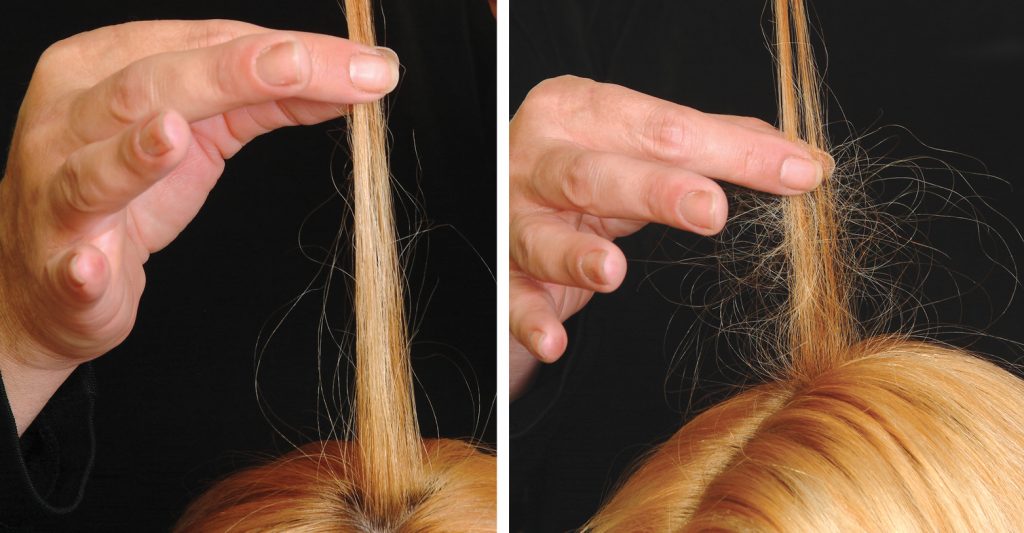
Hair dye contains chemicals that can weaken hair. These chemicals strip natural oils and moisture. Over-processing can make hair dry and brittle. Bleaching is the most damaging process. It breaks down the hair’s protein structure. Frequent coloring increases the risk of breakage. Hair becomes more prone to split ends. Scalp irritation and allergic reactions may also occur. Damaged hair loses its shine and softness. Protect your hair by limiting coloring frequency.
Healing Time Between Treatments
Allow your hair enough time to recover after coloring. Most experts suggest waiting four to six weeks before re-coloring. This period lets the hair regain moisture and strength. Use deep conditioning treatments during this time. Avoid heat styling tools to reduce stress. Hair growth rate affects how often you color. Faster growth may require more frequent touch-ups. Always listen to your hair’s condition. Strong, healthy hair holds color better and lasts longer.
General Timing Guidelines
Knowing the right timing for coloring hair helps keep it healthy and vibrant. Coloring too often can damage hair and make it brittle. Coloring too rarely may lead to visible roots and uneven color. Following general timing guidelines ensures the best results and minimizes harm. These guidelines depend on the dye type and hair condition.
Professional colorists often suggest waiting periods between dye jobs. These periods allow hair to recover and maintain its strength. Understanding these guidelines helps plan your hair color routine safely.
Waiting Period Between Dye Jobs
Wait at least four to six weeks before coloring hair again. This is the typical time for permanent or demi-permanent dyes. Semi-permanent dyes may be used more often since they cause less damage. Bleaching requires extra care and longer recovery time. Hair needs time to repair after chemical treatments to avoid breakage. Following waiting periods helps keep hair healthy and color fresh.
Fixing Color Mistakes
Fix color mistakes only after hair has rested for four to six weeks. Immediate re-coloring can worsen damage and weaken hair strands. Use gentle treatments to restore hair strength before correcting color. Consult a professional for best advice on fixing color errors safely. Patience protects hair from unnecessary harm during color corrections.
Extending Time Between Coloring
Extending the time between hair coloring helps keep hair healthy and vibrant longer. It reduces damage from harsh chemicals and allows hair to recover. Using smart techniques can hide roots and refresh color without full dye sessions. These methods save money and protect hair from over-processing. Try these simple ways to extend the time between coloring.
Temporary Root Concealers
Temporary root concealers cover new hair growth easily. They come as sprays, powders, or sticks. These products match your hair color and wash out with shampoo. They work well for a quick fix before your next salon visit. Root concealers blend roots without damaging hair. Use them daily or as needed to keep hair looking fresh.
Using Demi-permanent Colors
Demi-permanent colors fade gradually and cause less damage. They do not lift hair color but add tone and shine. These dyes last around 20 to 28 shampoos. Using demi-permanent colors between permanent dyes softens harsh lines. They refresh faded color and extend time between full dye jobs. This gentle option helps maintain healthy hair.
Blended Coloring Techniques
Blended coloring techniques create natural-looking roots and softer lines. Methods like balayage and ombre blend colors from root to tip. These styles reduce the need for frequent touch-ups. Hair grows out more gracefully with less visible roots. Blended coloring adds dimension and depth while extending time between coloring sessions.
Covering Gray Hair
Covering gray hair is a common reason for coloring hair. Gray strands often stand out quickly as hair grows. Regular touch-ups keep your color looking fresh and even. Understanding how often to color gray hair helps maintain a natural look and protects hair health.
Frequency For Gray Coverage
Most people need to cover gray every 4 to 6 weeks. This timing matches the average hair growth rate of about half an inch per month. Coloring too often can damage hair. Waiting 4 to 6 weeks allows hair to stay healthy while keeping gray roots hidden.
Root Touch-up Tips
Focus on the roots for gray coverage. Use a small brush or applicator for precise application. Avoid overlapping color on previously dyed hair. This reduces damage and uneven tones. Try to match your base color exactly for the best results.
At-home Gray Coverage Methods
Many products work well for covering gray at home. Permanent hair dyes give long-lasting coverage. Semi-permanent dyes are gentler but fade faster. Root touch-up kits are convenient and easy to use. Always follow instructions carefully to protect your hair.
Color Maintenance Tips
Keeping your hair color vibrant requires regular care and smart habits. Color maintenance tips help preserve the shade and health of your hair. These steps reduce fading and damage, making your color last longer. A few simple changes in your routine can make a big difference.
Products To Protect Color
Choose shampoos and conditioners made for color-treated hair. These products have gentle formulas that do not strip color. Use sulfate-free shampoos to avoid fading. Deep conditioning treatments help keep hair moisturized and strong. UV protection sprays shield hair from sun damage. Heat protectants reduce harm from styling tools. Regular use of these products keeps color fresh and hair healthy.
Salon Vs. Home Coloring
Salon coloring offers expert application and customized shades. Professionals use high-quality products that protect hair better. They can assess hair health before coloring. Home coloring is cheaper and convenient but risks uneven color. DIY kits often contain harsher chemicals. Mistakes can cause damage or unwanted results. If you color often, salon visits help maintain hair health. For touch-ups, home coloring may be okay with careful use.
Credit: www.empire.edu
Effect Of Hair Color On Appearance
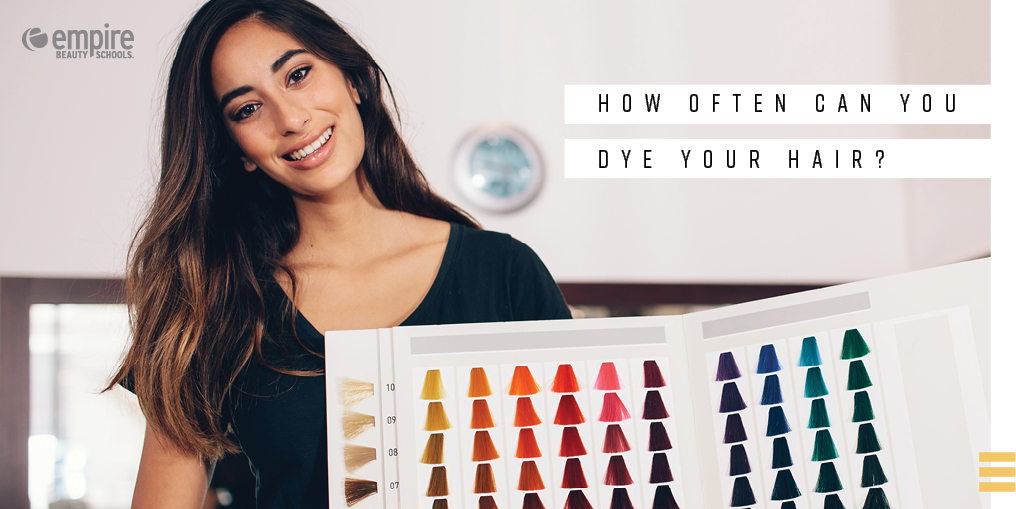
Hair color plays a big role in shaping how you look. It can brighten your face, change your style, and even affect how others see your age. The right shade can give your skin a healthy glow and highlight your best features. Choosing the right hair color can boost your confidence and refresh your appearance. Understanding how different colors impact your look helps you pick the best option for your style and age.
Darker Hair And Age Perception
Darker hair often creates a bold, striking look. It can make facial features stand out more clearly. For some, dark hair adds a sense of maturity and seriousness. This can make people appear older or more sophisticated. Dark shades tend to hide signs of aging better. They mask gray hairs and blend well with natural tones. Choosing a dark color can bring a classic and elegant feel. It suits many skin tones but may soften youthful features.
Choosing Colors For Youthful Look
Lighter hair colors often give a fresh, youthful vibe. Shades like blonde, caramel, and light brown brighten the face. These colors reflect light, making skin look radiant. Soft highlights add dimension and reduce the appearance of wrinkles. Warm tones like golden and honey shades create a healthy glow. Cool tones such as ash blondes can also refresh tired skin. Picking the right light color depends on skin tone and eye color. Youthful colors often need more frequent touch-ups to maintain brightness.
Credit: www.empire.edu
Frequently Asked Questions
How Long Should You Wait Between Hair Coloring?
Wait 4 to 6 weeks between permanent hair coloring to avoid damage and allow hair to recover. Semi-permanent dyes can be used more often.
How Often Should You Color Your Hair To Cover Gray?
Color your hair every 4 to 6 weeks to effectively cover gray roots. Adjust frequency based on hair growth and gray coverage needs. Use root concealers or demi-permanent dyes to extend time between touch-ups and reduce hair damage.
Does Darker Hair Make You Look Younger Or Older?
Darker hair can make you look younger by adding contrast and depth. It often hides wrinkles and dullness. However, it may also emphasize facial shadows, sometimes making you appear older. The effect depends on skin tone, hair color shade, and overall style.
Does Dyeing Frequency Affect Hair Growth?
Frequent dyeing can weaken hair, causing breakage but does not directly slow growth. Healthy hair care supports growth.
Conclusion
Finding the right time to color hair depends on many factors. Hair type, color choice, and hair health all matter. Most people wait about four to six weeks between dyeing. Coloring too often can cause damage and dryness. Using temporary root concealers can help stretch time between sessions.
Always listen to your hair’s needs and adjust accordingly. Healthy hair looks best and lasts longer with proper care. Keep your routine balanced for beautiful, vibrant hair every day.
As an Amazon Associate, I earn from qualifying purchases.
Lovingshe is a participant in the Amazon Services LLC Associates Program which is an affiliate advertising program designed to provide a means for sites to earn advertising fees by advertising and linking to Amazon.com. Amazon may use cookies to track referrals from our site. Visit Amazon’s privacy policy for details
