


Wondering how often you should trim your hair to keep it healthy and looking its best? You’re not alone.
Whether you’re growing your hair out or just want to maintain a fresh style, knowing the right trimming schedule can make all the difference. Too often, people skip trims and end up with split ends, breakage, or hair that looks dull and lifeless.
But trimming too frequently might leave you frustrated with slow growth. You’ll discover simple, practical guidelines that fit your hair goals and lifestyle. Keep reading to find out how to get the perfect balance for stronger, shinier hair that feels just right every day.
Ideal Trim Frequency
Finding the ideal trim frequency helps keep hair healthy and looking great. It depends on several factors like hair type, growth speed, and style goals. Regular trims prevent split ends and promote better hair health. Knowing the right timing saves effort and keeps your hair manageable.
Hair Type And Texture
Different hair types need trims at different rates. Curly and coarse hair may require less frequent trims to avoid dryness. Fine or straight hair tends to show damage faster and might need trims more often. Adjust trimming based on how your hair feels and looks over time.
Hair Growth Rate
Hair grows about half an inch per month on average. If your hair grows fast, trimming every six to eight weeks works well. Slow growers can wait longer, around ten to twelve weeks. Watch for split ends or damage as signs to trim, regardless of timing.
Style And Length Goals
Short hairstyles need trims more often to keep shape and neatness. Longer styles benefit from trims every two to three months to avoid breakage. If growing hair out, trimming only damaged ends helps maintain length without losing progress.
Trim Benefits
Trimming hair regularly offers many benefits beyond just looking neat. It helps keep hair healthy, strong, and looking its best. Regular trims remove damaged parts and improve hair’s overall condition.
Understanding the benefits of trims can help you decide how often to schedule them. Healthy hair starts with good care, and trimming plays a key role.
Preventing Split Ends
Split ends weaken hair and cause breakage. Trimming removes these damaged tips early. This stops splits from traveling up the hair shaft. Healthy ends mean less frizz and smoother hair. Regular trims protect hair from further damage. They keep your hair stronger and less prone to breaking.
Promoting Healthy Growth
Trims do not make hair grow faster but help it grow healthier. Removing damaged ends prevents breakage that slows growth. Healthy hair retains length better. Trimming every few weeks keeps hair in good shape. It reduces tangles and damage from knots. This supports steady, healthy hair growth over time.
Maintaining Shape And Style
Trims keep your haircut looking fresh and well-shaped. Hair grows unevenly without trims, losing its style. Regular cuts maintain the design and texture of your hair. They prevent hair from looking messy or weighed down. Trimming helps your style last longer and look polished. It makes daily hair care easier and faster.
Signs You Need A Trim
Knowing when to trim your hair keeps it healthy and fresh. Signs your hair needs a trim show up before damage worsens. Watching for these signs helps you avoid split ends and dull looks. Regular trims keep your hair strong and looking its best.
Split Ends And Breakage
Split ends make hair look frizzy and unhealthy. They start at the tips and can travel up the strand. Breakage causes hair to snap, leaving uneven lengths. Trimming removes these damaged parts to stop further splitting.
Loss Of Shape
Your haircut loses its form as hair grows out. Layers blend less, and styles look messy. Hair may fall flat or puff out oddly. A trim restores the style and keeps hair looking neat.
Dry Or Damaged Ends
Ends become dry and brittle from heat and weather. Damaged ends feel rough and lack shine. They can cause tangles and pull on other hair. Cutting off dry ends helps hair feel soft and smooth again.
Credit: thelaurenashtyncollection.com
Trimming For Hair Growth
Trimming plays a key role in healthy hair growth. Cutting off damaged ends prevents split ends from traveling up the hair shaft. This keeps hair strong and stops breakage. Regular trims also keep your hair looking fresh and neat. Many think trimming makes hair grow faster. While it does not speed up growth from the scalp, it helps hair appear thicker and healthier by removing weak ends.
Dusting Vs. Full Trim
Dusting means cutting a very small amount, usually less than half an inch. It only removes split ends and keeps most of your length. A full trim cuts more, shaping your hair and removing larger damaged sections. Dusting is good for maintaining length and health. Full trims help reshape hair and fix major damage. Both methods support growth by keeping hair strong and neat.
Avoiding Breakage
Breakage stops hair from growing long and healthy. Trimming removes weak ends that break easily. This prevents hair from splitting further. Strong hair grows without breaking off. Avoid skipping trims to keep your hair damage-free. Healthy hair looks thicker and grows better over time.
Recommended Interval
Trim your hair every 6 to 8 weeks for the best results. This keeps ends healthy without losing too much length. If your hair is very damaged, trim every 4 to 6 weeks. For healthy hair, every 8 to 12 weeks is fine. Regular trims stop split ends and support steady growth. Find a schedule that fits your hair type and needs.
The Seven-day Haircut Rule
The Seven-Day Haircut Rule suggests that your hair looks best about seven days after a trim. This short wait allows your hair to settle into a natural shape. The fresh cut may feel sharp or stiff at first. After a week, your hair softens and gains a more natural, stylish look. Understanding this rule helps in scheduling trims and events.
Why Hair Looks Best After A Week
Right after a haircut, hair can appear stiff or uneven. It takes a few days for strands to fall naturally. The sharp edges soften and blend with your hair’s natural growth. This settling period creates a balanced and polished style. The hair feels less “new” and more like your usual look.
When To Schedule Trims Before Events
Plan your haircut about one week before important events. This timing ensures your hair looks fresh but natural. The style will have time to soften and settle. Your hair will appear neat and well-groomed on the special day. Avoid cutting hair the day before an event to prevent a harsh look.
Achieving The ‘lived-in’ Look
The ‘lived-in’ look means hair looks styled but relaxed. Waiting seven days after a trim helps achieve this. Hair feels soft, not stiff or overly polished. The style blends with your natural hair texture and growth. This look suits casual and professional settings alike.
Face Shape And Hair Length
Understanding your face shape and hair length is key to deciding how often to trim your hair. Different face shapes suit different hair lengths and styles. Choosing the right trim schedule helps maintain a flattering look and healthy hair.
Short hair often needs more frequent trims to keep its shape. Longer hair can go longer between trims but still needs regular care to avoid split ends. Your face shape guides the styles that will highlight your best features.
Jawline Measurement Test
Measure your jawline to determine your face shape. Use a soft tape or ruler from ear to chin. A strong, wide jawline shows a square face shape. A narrow, pointed jaw indicates a heart or oval face. This simple test helps you pick hair lengths that balance your features.
Choosing Styles That Flatter
Round faces suit layered cuts to add angles. Oval faces can wear almost any length. Square faces look great with soft waves or curls. Long faces benefit from styles that add width, like bobs or blunt cuts. Tailor your trim frequency to the style you choose.
Consulting Your Stylist
Your stylist knows which trims fit your face shape best. Share your hair goals and concerns with them. They can recommend trim schedules that keep your style fresh. Regular visits help prevent damage and maintain your look.
Tips For Maintaining Trimmed Hair
Keeping your hair trimmed is key to healthy, beautiful locks. Regular trims remove split ends and keep hair looking fresh. Maintaining trimmed hair needs care at home and smart choices.
Small habits make a big difference. Protect your hair and know the best time to see a professional. These tips help your trims last longer and keep your hair in great shape.
Home Care Between Trims
Wash your hair with gentle shampoo and conditioner. Avoid hot water; use lukewarm instead. Pat hair dry with a soft towel, do not rub. Use a wide-tooth comb to avoid breakage. Limit heat styling tools to prevent damage. Apply leave-in conditioner or hair oil for moisture. Protect hair from sun and harsh weather by wearing hats or scarves.
Protecting Hair Health
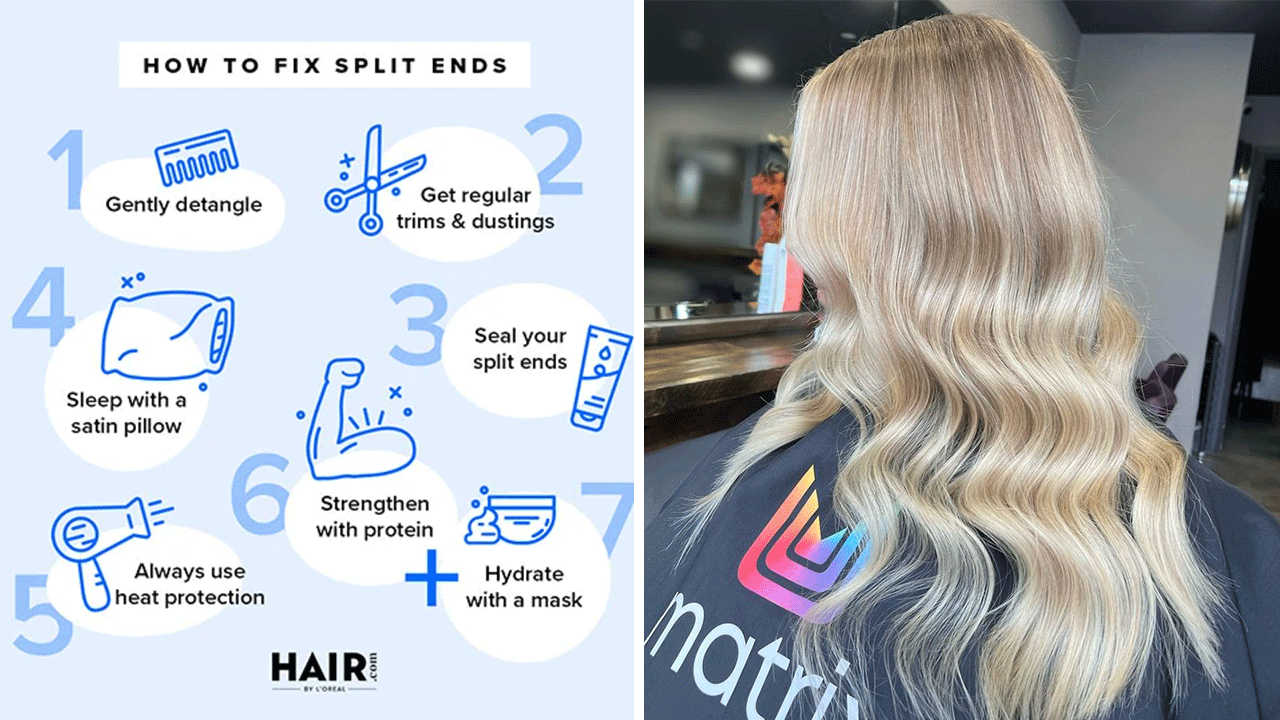
Avoid tight hairstyles that pull on the roots. Sleep on a silk or satin pillowcase to reduce friction. Keep your diet rich in vitamins and minerals for strong hair. Drink plenty of water to stay hydrated. Trim split ends early to stop damage from spreading. Use hair masks weekly to nourish and strengthen strands.
When To Visit A Professional
Schedule trims every 6 to 8 weeks to keep hair healthy. Book an appointment if you notice many split ends. Visit a stylist for shaping or major changes. Choose a professional for chemical treatments like coloring or straightening. Regular visits prevent damage and promote healthy growth. Trust experts to keep your hair looking its best.

Credit: www.youtube.com
Credit: www.hair.com
Frequently Asked Questions
How Often Should You Trim Your Hair If You Want It To Grow?
Trim your hair every 6 to 8 weeks to remove split ends. Regular trims prevent breakage and support healthy growth. Only cut ¼ to ½ inch to maintain length while keeping hair strong and vibrant.
What Is The 7 Day Haircut Rule?
The 7-day haircut rule suggests your hair looks best about one week after a cut. It allows hair to settle, soften edges, and appear more natural. This timing suits events or regular trims, helping your hairstyle blend perfectly with your natural growth and shape.
What Is The 2.25 Hair Rule?
The 2. 25 hair rule measures your jawline to see if short hair suits you. Place a pencil under your chin, a ruler under your ear, and check where they intersect. If the intersection is near, short styles like bobs or pixies will flatter your face.
Does Trimming Hair Promote Growth?
Trimming hair removes split ends, preventing breakage and damage. It does not speed up hair growth but helps maintain healthy hair. Regular trims keep hair looking thicker and reduce breakage, supporting overall length retention.
Conclusion
Trimming your hair regularly keeps it healthy and strong. Aim for a trim every six to eight weeks. This removes split ends and prevents damage from spreading. Small trims help maintain your hair’s shape and encourage growth. Remember, you don’t need to cut much—just a little to stay neat.
Watching your hair improve over time feels rewarding. Keep your routine simple and consistent for best results. Healthy hair starts with good care and timely trims.
As an Amazon Associate, I earn from qualifying purchases.
Lovingshe is a participant in the Amazon Services LLC Associates Program which is an affiliate advertising program designed to provide a means for sites to earn advertising fees by advertising and linking to Amazon.com. Amazon may use cookies to track referrals from our site. Visit Amazon’s privacy policy for details
