


Thinking about bleaching your hair again but unsure how often you can safely do it? You’re not alone.
Bleaching can transform your look, but it’s a delicate process that can seriously damage your hair if done too frequently. The big question is: how soon is too soon to bleach your hair again without turning it dry, brittle, or worse?
You’ll discover the right timing for bleaching, signs your hair might be screaming for a break, and safer alternatives to keep your locks healthy and vibrant. Keep reading to learn exactly how to get the color you want without sacrificing your hair’s strength and shine.

Credit: pumphaircare.com
Recommended Waiting Times
Bleaching hair is a strong chemical process. It strips natural color and can damage hair. Giving your hair enough time to recover is very important.
Waiting between bleaching sessions helps protect hair from breaking. It also helps maintain hair health and shine. Rushing to bleach again can cause severe damage.
Standard Waiting Period
Hair experts suggest waiting at least 2 to 4 weeks between bleach sessions. This time allows hair to repair some damage. It also helps the scalp recover.
If your hair feels weak or dry, wait longer. More time means less risk of breakage and split ends.
Waiting After Minor Touch-ups
For small touch-ups, wait at least 1 to 2 weeks. Focus bleach only on new growth or dark spots. Avoid re-bleaching already lightened areas.
This method lowers damage risk and keeps hair stronger. It also prevents over-processing in certain spots.
Signs To Extend Waiting Time
Watch your hair for dryness, frizz, or dullness. These signs mean hair needs more time to heal. Hair that feels gummy or breaks easily also needs extra care.
Stretch hair wet; if it does not snap back, wait longer before bleaching again.
Signs Hair Can’t Handle More Bleach
Bleaching hair can dramatically change your look, but it also stresses your strands. Knowing when your hair can’t handle more bleach is key to avoiding serious damage. Watch for clear signs your hair is overwhelmed. These signs show your hair needs a break from bleaching and some extra care.
Excessive Dryness And Frizz
Bleach strips natural oils from hair. This causes dryness that feels rough and brittle. Hair becomes frizzy and hard to manage. If your hair looks dull and straw-like, it means damage is building up. Excessive dryness signals that your hair’s moisture is gone. This is a warning to stop bleaching until hair recovers.
Brittleness And Breakage
Brittle hair breaks easily when brushed or styled. Bleach weakens hair’s protein structure. If strands snap off or fall out in clumps, damage is severe. Hair loses elasticity and feels stiff. Breakage means your hair’s strength is gone. Continuing to bleach now will cause more harm and thinning.
Gummy Or Melting Texture
Hair that feels sticky, gummy, or like it melts when wet is badly damaged. This happens when bleach breaks down hair’s inner layers too much. Hair stretches without snapping back and feels limp. This “melting” texture shows your hair is beyond safe bleaching limits. Immediate rest and repair treatments are needed before any more bleach.
Alternatives To Re-bleaching
Repeated bleaching can damage hair, causing dryness and breakage. Alternatives help maintain color and hair health. These methods improve hair strength and tone without harsh chemicals. They reduce the need for frequent bleaching sessions. Consider these options to keep hair vibrant and healthy.
Bond-building Products
Bond-building products repair hair from inside. They reconnect broken bonds caused by bleaching. Using them regularly strengthens hair strands. Products like Olaplex protect hair during color treatments. They reduce damage and improve elasticity. Applying bond builders after bleaching keeps hair resilient. This method delays the need to bleach again. It helps maintain hair’s natural texture and shine.
Toning Techniques
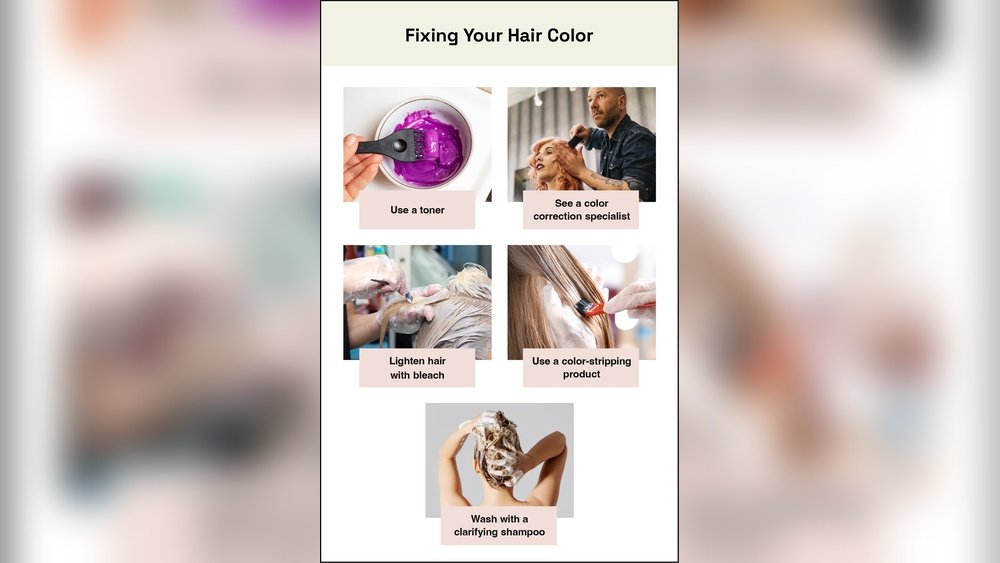
Toning corrects unwanted yellow or orange tones after bleaching. Purple shampoos and ash blond toners neutralize brassiness. These products refresh hair color without bleaching. Toning extends the life of your lightened hair. It smooths color and adds shine. Regular toning keeps hair looking fresh and bright. It prevents frequent bleaching, reducing hair stress. Toning is a gentle way to maintain cool, vibrant shades.

Credit: www.youtube.com
Risks Of Bleaching Over Bleached Hair
Bleaching over hair that has already been bleached carries serious risks. The hair’s structure weakens with each chemical process. This damage can worsen quickly if not managed properly. Understanding these risks helps protect hair health and avoid unwanted outcomes.
Extreme Damage
Bleaching strips natural oils and proteins from hair strands. Repeated bleaching causes severe dryness and roughness. Hair loses its smooth texture and shine. The cuticle layer becomes raised and porous. This makes hair vulnerable to further harm.
Breakage
Over-bleached hair is fragile and breaks easily. The fiber inside weakens and splits under stress. Simple actions like brushing or styling can cause breakage. Hair may fall out in clumps or break into short pieces. This leads to uneven and thin hair.
Uneven Color
Bleaching over bleached hair often results in patchy tones. Some areas lighten more than others. This creates blotchy or streaky color patterns. The hair may show yellow, orange, or white spots. Fixing uneven color needs extra treatments, which add to damage.
Safer Methods Before Re-bleaching
Bleaching hair weakens it. Re-bleaching without care causes breakage and dryness. Use safer methods before re-bleaching to protect hair health. These techniques help reduce damage and keep hair strong. Follow these tips to maintain hair quality and avoid over-processing.
Targeting New Growth
Apply bleach only to new hair growth. Avoid touching previously bleached sections. This limits damage to already fragile hair. New growth needs lightening to match the rest. Careful application reduces overall stress on hair strands.
Using Color Removers
Color removers lift artificial color gently. They are less harsh than bleach. Use them to correct unwanted tones or dark dye. This avoids additional bleach on hair. Follow product instructions carefully to prevent damage.
Pre-treatment With Coconut Oil
Apply coconut oil before bleaching. It protects hair by locking in moisture. The oil creates a barrier against harsh chemicals. Leave it on for at least 30 minutes. This reduces dryness and brittleness during bleaching.
Guidelines For Re-bleaching
Re-bleaching hair requires careful attention to avoid serious damage. Guidelines for re-bleaching help protect hair health while achieving the desired lightness. Follow these steps to ensure safer results and maintain strong, vibrant hair.
Professional Assistance
Seek a professional stylist for re-bleaching. Experts understand hair condition and choose the right products. They minimize damage by controlling bleach strength and timing. Professionals can also suggest safer alternatives to full re-bleaching. Avoid DIY re-bleaching to protect hair from over-processing and breakage.
Strand Testing
Perform a strand test before re-bleaching. This small test shows how hair reacts to bleach. It reveals if hair can handle more processing without severe damage. Strand testing helps set realistic expectations for color results. It also guides the stylist on bleach timing and strength adjustments.
Gentle Overlap And Bond Repair
Apply bleach carefully, avoiding overlap on already bleached areas. Overlapping causes increased damage and breakage. Use bond repair treatments before and after bleaching. Products like Olaplex rebuild hair bonds weakened by bleach. Gentle care and bond repair protect hair’s structure and shine.
%20Lightening_levels.png)
Credit: www.uglyducklingcolor.com
Frequently Asked Questions
How Soon Can You Bleach Hair Again?
Wait at least 2 to 4 weeks before bleaching hair again to prevent severe damage and breakage. Use bond-building products to repair hair. Avoid overlapping bleach on previously bleached areas. Target only new growth if you must re-bleach sooner, but understand the risks involved.
Can I Bleach Over Bleached Hair?
Bleaching over bleached hair risks severe damage, breakage, and uneven color. Apply bleach only on new growth or use gentler methods first. Professional help and bond-building treatments minimize harm. Avoid overlapping bleach to protect hair integrity and prevent dryness or “gummy” texture.
Will My Hair Fall Out If I Bleach It Three Times?
Bleaching hair three times can cause severe damage, brittleness, and breakage. It increases the risk of hair falling out. Avoid overlapping bleach and focus only on new growth to minimize damage. Use bond-building treatments to strengthen hair before re-bleaching.
Can I Bleach My Hair Every 4 Weeks?
Bleaching hair every 4 weeks can cause severe damage, dryness, and breakage. Wait longer, use bond-building products, and only bleach new growth to protect hair health.
Conclusion
Bleaching hair too often can cause serious damage. Wait at least 4 to 6 weeks between bleaching sessions. Use bond-building products to keep hair strong and healthy. Watch for signs like dryness or breakage before bleaching again. Focus bleach only on new growth to reduce risk.
Patience helps your hair stay in good shape longer. Treat your hair gently for the best results. Choose care over speed to avoid damage and brittleness. Healthy hair looks better and feels better.
As an Amazon Associate, I earn from qualifying purchases.
Lovingshe is a participant in the Amazon Services LLC Associates Program which is an affiliate advertising program designed to provide a means for sites to earn advertising fees by advertising and linking to Amazon.com. Amazon may use cookies to track referrals from our site. Visit Amazon’s privacy policy for details
