


Wondering how much hair extensions will cost you? Whether you’re dreaming of longer locks or added volume, understanding the price can be confusing.
Hair extensions come in many types and qualities, and the price varies widely depending on what you choose. But don’t worry—you’re about to get a clear picture of what to expect, so you can make the best decision for your hair and budget.
Keep reading to discover the real costs behind hair extensions, what affects those prices, and how to get the most value for your money. Your perfect hair transformation starts here!

Credit: www.ambulanzwonsch.lu
Extension Types
Hair extensions come in various types, each with unique features and costs. Choosing the right extension depends on your hair type, lifestyle, and budget. Understanding different extension types helps you pick the best option.
Clip-in Extensions
Clip-in extensions are easy to use and remove. They do not damage natural hair. You can wear them for special occasions or daily use. Prices vary from $50 to $200 depending on hair quality and length.
Tape-in Extensions
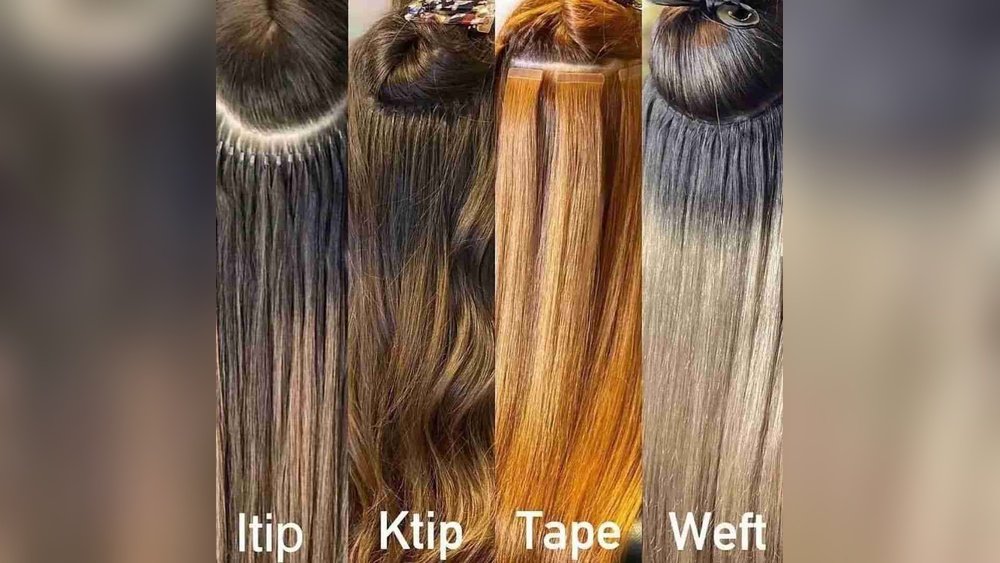
Tape-in extensions attach with thin, sticky tape. They lay flat and look natural. These extensions last 4 to 8 weeks before reapplication. Costs range from $150 to $400 for a full set.
Sew-in Weaves
Sew-in weaves require braiding your hair first. Then, the extensions sew onto the braids. This method lasts 6 to 8 weeks and suits thick hair best. Expect to pay $200 to $600 for installation.
Hand-tied Wefts
Hand-tied wefts use small wefts sewn close to the scalp. They feel lightweight and comfortable. This type lasts about 6 to 8 weeks. Prices usually fall between $200 and $500.
Micro-link Extensions
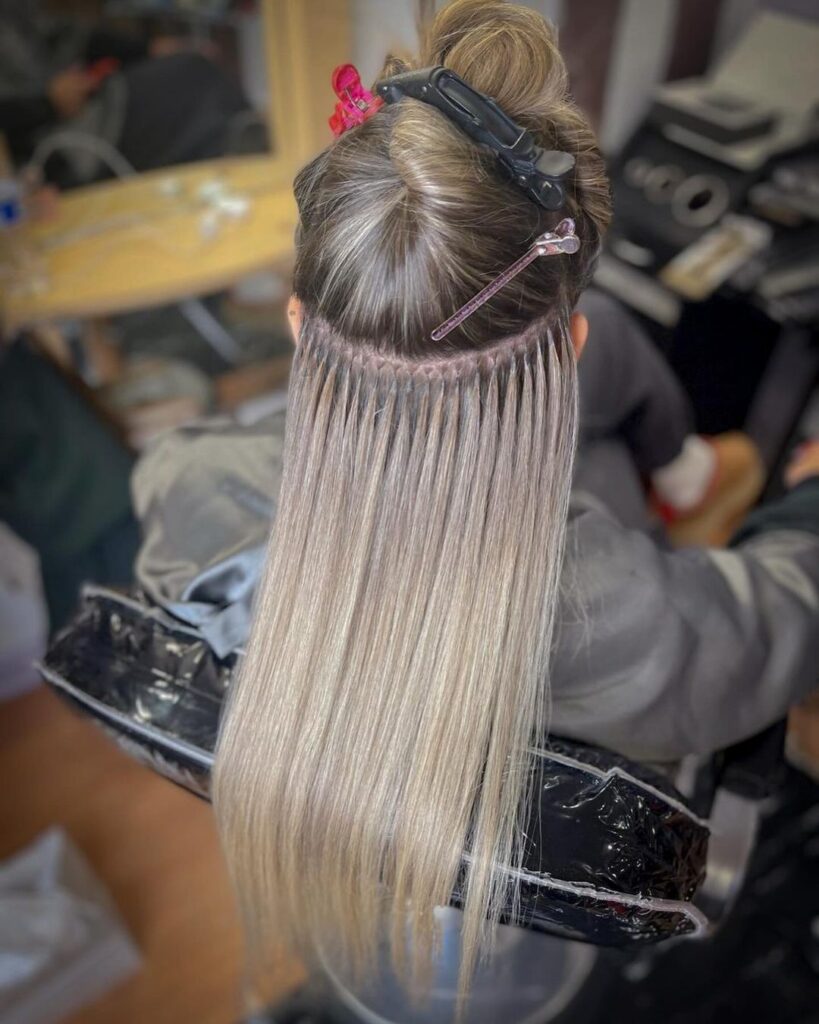
Micro-link extensions use tiny beads to attach hair strands. They do not require heat or glue. These extensions last 3 to 4 months with proper care. Costs range from $300 to $800 for a full head.

Credit: www.sittingprettyhalohair.com
Price Range
The price range for hair extensions varies widely. Many factors affect the cost, such as hair type, length, and installation method. Understanding the different price levels helps you choose the best option for your budget and style goals.
Budget Options
Budget hair extensions usually cost between $20 and $70. These are often synthetic or lower-grade human hair. They work well for short-term use or special occasions. Clip-in extensions fall under this category. They are easy to apply and remove at home.
Mid-range Choices
Mid-range extensions cost around $70 to $200. These are mostly high-quality human hair. They offer a natural look and last longer than budget options. Tape-in and sew-in extensions are common in this price range. Professional installation is recommended for best results.
Premium Extensions
Premium hair extensions cost $200 and above. They use 100% Remy human hair, which keeps cuticles intact. These extensions last several months with proper care. Hand-tied and micro-link extensions often fall here. They provide the most natural appearance and feel.
Salon Vs Diy
Deciding between salon and DIY hair extensions depends on budget, skill, and desired results. Both options offer unique benefits and costs. Understanding these differences helps you pick the best choice for your hair goals.
Professional Installation Costs
Getting hair extensions done at a salon usually costs more. Prices range from $200 to $800 or more. Factors influencing cost include the type of extensions, stylist experience, and salon location. Professional installation ensures proper placement and natural look. It also reduces the risk of damage to your hair. Some salons charge separately for the hair and the service. Maintenance appointments add to the total expense over time.
At-home Kits Pricing
DIY hair extension kits are more affordable. Kits usually cost between $30 and $200. They include clip-ins, tape-ins, or glue-in extensions. At-home kits save money on salon fees. However, applying extensions yourself can be tricky. Mistakes may cause uneven results or hair damage. Quality varies widely among brands and products. You must buy extensions and tools separately sometimes. DIY is best for short-term use or special occasions.
Hair Quality Impact
The quality of hair extensions directly affects price and durability. High-quality hair looks natural and lasts longer. Low-quality hair may tangle, fade, or shed quickly. Choosing the right hair type helps you save money over time.
Human Hair Extensions
Human hair extensions cost more but offer the best look. They blend well with natural hair and can be styled with heat tools. These extensions last several months with proper care. They come from real donors, making them soft and strong. Human hair extensions provide a natural shine and feel.
Synthetic Hair Options
Synthetic hair extensions are cheaper but less durable. They often look shiny or plastic-like and cannot be heat-styled. These extensions last a few weeks to months depending on use. Synthetic hair may tangle easily and lose color quickly. They are a budget-friendly choice for short-term use.
Length And Volume Effects
Length and volume greatly affect the price of hair extensions. Choosing longer or thicker extensions changes the cost. Both factors require more hair and more work. Understanding these effects helps set a realistic budget.
Longer Extensions Pricing
Longer extensions use more hair strands. More hair means higher material costs. Also, longer hair takes more time to install. This adds to the labor charges. Extensions over 20 inches usually cost more. Prices can rise quickly as length increases.
Short extensions around 12 inches are cheaper. Medium lengths, like 16 inches, cost a bit more. Going beyond 20 inches can double the price. Quality and type of hair also influence price. Real human hair costs more than synthetic.
Thicker Volume Costs
Thicker extensions require more hair bundles. More bundles increase the total price. Volume also affects installation time and effort. Dense hair extensions take longer to apply. Stylists may charge more for thick sets.
Light volume sets suit a natural look and cost less. Medium volume is popular and moderately priced. Heavy volume sets offer dramatic fullness but are costly. The cost rises with each added bundle. Good quality thick extensions keep hair healthy and look natural.
Credit: dhestetica.com
Maintenance Expenses
Maintaining hair extensions involves ongoing costs beyond the initial price. These expenses ensure your extensions stay beautiful and last longer. Proper care protects your investment and keeps your hair healthy.
Regular Salon Visits
Salon visits are essential for hair extension upkeep. Professionals check for slippage and damage. They also clean and reattach extensions as needed. Expect to visit the salon every 4 to 8 weeks. The cost per visit can range from $50 to $150. Regular visits help prevent tangles and extend extension life.
At-home Care Products
Special shampoos and conditioners keep extensions soft and clean. Avoid products with sulfates and alcohol, as they dry out hair. Leave-in conditioners and detangling sprays make hair easier to manage. These products can cost $20 to $60 each. Using the right care products reduces breakage and maintains shine.
Longevity Factors
The lifespan of hair extensions depends on several key factors. Understanding these can help you get the best value for your money. Longevity influences how often you need to replace or maintain your extensions. It also impacts the overall cost over time.
Hair Quality And Durability
Human hair extensions last longer than synthetic ones. They look more natural and can be styled with heat. High-quality hair resists tangling and shedding. Lower quality hair may wear out quickly and lose its shine. Investing in durable hair saves money in the long run.
Installation Quality
Proper installation extends the life of your extensions. A skilled stylist places the extensions securely without damaging your natural hair. Poor installation causes slipping or matting. It can lead to early replacement needs. Always choose a professional for the best results.
Daily Usage Impact
How you care for extensions affects their durability. Avoid sleeping with wet hair or using harsh products. Gentle washing and minimal heat styling help maintain the hair. Frequent wear shortens the lifespan, while occasional use keeps them fresh longer. Treat extensions like your natural hair for better longevity.
Location Influence
Location plays a big role in the cost of hair extensions. Prices vary from place to place due to demand, rent, and local economy. Choosing where to get extensions can affect your budget.
Understanding these differences helps you plan better for the expense. The city or town you pick changes how much you pay.
Urban Vs Suburban Pricing
Urban salons often charge more for hair extensions. Higher rent and more clients raise prices. City locations attract well-known stylists, which can add to cost.
Suburban salons usually have lower prices. Rent and expenses are less, so savings pass to customers. You might find good deals outside the city.
Stylist Reputation Effects
Stylists with strong reputations often charge more. Experience and skill bring higher fees. Trusted stylists use better products and techniques.
New or less known stylists may offer lower prices. They still provide quality but want to build their client base. Your choice depends on budget and desired results.
Additional Costs
Beyond the initial cost of hair extensions, several extra charges may apply. These additional costs can affect your overall budget. It’s important to know what to expect to avoid surprises. Two common extra expenses are removal fees and touch-up sessions. Both help keep your extensions looking great and your natural hair healthy.
Removal Fees
Many salons charge a fee to remove hair extensions. Removal takes time and care to avoid damaging your hair. The cost depends on the type of extensions and how long they have been in. Some salons include removal in the initial price. Others charge separately, so always ask before you book. Budget for removal fees to plan your total spending.
Touch-up Sessions
Extensions need regular touch-ups to stay fresh and secure. Hair grows, and extensions may loosen or slip. Touch-up sessions usually cost less than the first install but still add to expenses. How often you need touch-ups depends on your hair type and the extension method. Scheduling touch-ups every 6 to 8 weeks is common. These sessions keep your look seamless and prevent damage.
Frequently Asked Questions
How Much Do Full Hair Extensions Cost?
Full hair extensions typically cost between $200 and $2,000, depending on type, quality, and salon location.
How Long Do Hair Extensions Last?
Hair extensions last 4-12 weeks for tape-ins, 2-3 months for sew-ins, and up to 6 months for hand-tied types. Proper care extends lifespan.
What Is The Average Cost Of An Extension?
The average cost of hair extensions ranges from $50 to $300, depending on type, quality, and salon location.
How Much Is 2 Rows Of Hair Extensions?
Two rows of hair extensions typically cost between $50 and $200, depending on quality and brand. Prices vary by salon and product type.
Conclusion
Hair extension costs vary by type and quality. Clip-ins cost less than sew-ins or tape-ins. Human hair extensions last longer but are pricier. Professional installation adds to the total price. Regular care helps extend their lifespan. Choose extensions that fit your budget and needs.
With the right choice, you can enjoy beautiful hair easily.
As an Amazon Associate, I earn from qualifying purchases.
Lovingshe is a participant in the Amazon Services LLC Associates Program which is an affiliate advertising program designed to provide a means for sites to earn advertising fees by advertising and linking to Amazon.com. Amazon may use cookies to track referrals from our site. Visit Amazon’s privacy policy for details
