



Thinking about adding length or volume to your hair but wondering, “How much do hair extensions cost?” You’re not alone. Whether you want to transform your look for a special event or simply boost your daily confidence, knowing the price range can help you plan better.
Hair extensions come in many types, qualities, and installation styles — each affecting the final cost. This guide will break down everything you need to know, so you can make the best choice for your hair and your budget. Keep reading to discover how much you might spend and what to expect from different options.
Your dream hair could be closer than you think!

Credit: lush-hair-folk.com
Price Range By Extension Type
The cost of hair extensions varies widely based on the type you choose. Each type has its own price range influenced by materials, installation method, and durability. Understanding these price ranges helps you pick the best option for your budget and style.
Clip-in Extensions Cost
Clip-in extensions are the most affordable option. Prices range from $50 to $300 depending on hair quality and length. These extensions are easy to apply and remove at home. They last for several months with proper care.
Tape-in Extensions Cost
Tape-in extensions cost more than clip-ins. Expect to pay between $200 and $600 for a full set. The tape method offers a semi-permanent hold, lasting 6 to 8 weeks before reapplication. Professional installation is recommended.
Sew-in Weaves Pricing
Sew-in weaves typically cost between $150 and $500. The price depends on the hair type and stylist skill. This method is popular for thick hair and offers a long-lasting result. Regular salon visits are needed for maintenance.
Hand-tied Extensions Pricing
Hand-tied extensions cost from $300 to $800. They use small wefts sewn onto your natural hair. This method feels lightweight and natural. The price reflects the labor-intensive installation process.
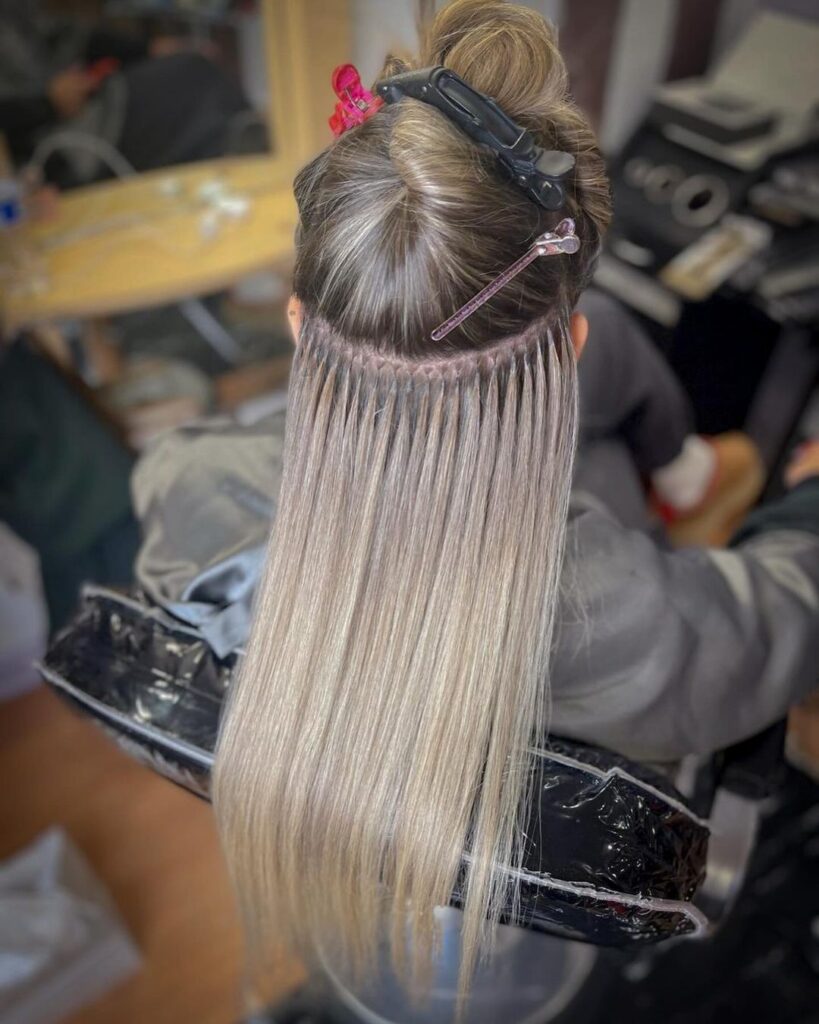
Micro-link And Nano Ring Costs
Micro-link and nano ring extensions range from $300 to $1,000. They attach small sections of hair using tiny metal rings. This method does not use heat or glue. It requires regular adjustments every 6 to 8 weeks.
Salon Pricing Variations
Salon pricing for hair extensions varies widely across regions and salons. Prices depend on location, salon reputation, and stylist expertise. Understanding these variations helps you budget better for your hair transformation.
Each salon sets its own price based on many factors. Knowing the average costs in different states and cities gives insight into what to expect. Local demand and cost of living also influence prices.
Average Costs By State
Hair extension prices differ from state to state. For example, California salons charge around $279 on average. Colorado and Connecticut have average costs near $210 and $208, respectively. Washington D.C. salons often price extensions about $253. These differences reflect the local economy and salon competition.
Austin, Texas Salon Prices
Austin offers competitive pricing for hair extensions. Many salons charge between $150 and $300. The city has a growing beauty scene, so prices vary by salon size and location. Some high-end salons may charge more for premium services.
Factors Affecting Salon Charges
Several factors impact salon prices for hair extensions. First, the type of extension method matters—clip-ins cost less than sew-ins or tape-ins. Second, the quality of hair used influences price. Human hair extensions cost more than synthetic ones.
The stylist’s experience affects the cost too. More skilled stylists often charge higher fees. The salon’s location and overhead costs also play a role. Lastly, additional services like coloring or styling increase the overall price.
Hair Quality And Price
Hair quality plays a big role in the price of extensions. Different materials affect cost and appearance. Choosing the right type helps balance budget and style needs.
Understanding hair quality helps make smart buying decisions. It also impacts how long extensions last and look.
Human Hair Vs Synthetic
Human hair extensions come from real people. They feel soft and natural. These extensions can be styled with heat and dyed. Prices are higher due to quality and versatility.
Synthetic hair is made from plastic fibers. It costs less but looks less natural. Heat styling can damage synthetic strands. These extensions last a shorter time.
Premium Hair Options
Premium hair extensions include Remy and virgin hair. Remy hair keeps the cuticles aligned. Virgin hair is untreated and pure. Both types offer smooth texture and shine.
These premium options cost more but provide better quality. They resist tangling and last longer. People choose them for a natural, polished look.
Impact On Longevity And Cost
Higher quality hair lasts longer, saving money over time. Human hair extensions can last 6 to 12 months. Synthetic extensions may last only a few weeks.
Proper care increases lifespan regardless of type. Investing in good quality means fewer replacements. It also keeps hair looking fresh and healthy.

Credit: www.ambulanzwonsch.lu
Installation And Maintenance Costs
Understanding the costs beyond just buying hair extensions is essential. Installation and maintenance can add significantly to the total expense. These costs vary depending on the method used and the professional’s experience. Knowing what to expect helps you budget better and care for your extensions properly.
Professional Installation Fees
Professional installation fees depend on the extension type and salon location. Tape-in or micro-link extensions usually cost less to install than sew-in or hand-tied wefts. Expect to pay between $100 and $300 for expert application. High-end salons or complex styles may charge more. Skilled stylists ensure your extensions look natural and last longer.
Maintenance Appointments
Maintenance appointments keep your extensions healthy and secure. These visits happen every 6 to 8 weeks on average. Costs range from $50 to $150 per session. Maintenance includes repositioning, tightening, and cleaning extensions. Regular upkeep prevents damage to both your natural hair and the extensions.
Diy Vs Professional Application
DIY application saves money but risks poor results and damage. Many extension types need professional skills and tools for safe installation. Incorrect application can cause hair breakage or early extension failure. Professionals offer a safer, more reliable option. DIY suits temporary extensions like clip-ins, which are easy to attach and remove.
Longevity And Value
Understanding the longevity and value of hair extensions helps in making smart choices. Hair extensions vary in lifespan depending on the method used. The longer they last, the better the value you get for your money. Proper care can extend their life, saving replacement costs. Cost efficiency over time depends on durability and maintenance. Below is a detailed look into these aspects.
Extension Lifespan By Method
Clip-in extensions usually last 3 to 6 months with occasional use. Tape-in extensions can last 6 to 8 weeks before reapplication. Sew-in weaves often remain for 6 to 10 weeks but need maintenance. Hand-tied or beaded wefts last around 6 to 12 weeks. Micro-links or nano rings can last up to 3 months with proper care. Human hair extensions generally last longer than synthetic ones.
Care Tips To Extend Life
Wash extensions gently with sulfate-free shampoo. Avoid heat styling tools or use heat protectants. Brush extensions with a wide-tooth comb to prevent tangling. Sleep on a silk pillowcase to reduce friction. Schedule regular salon visits for professional maintenance. Avoid swimming in chlorinated water or saltwater. Store extensions properly when not in use to avoid damage.
Cost Efficiency Over Time
Investing in quality extensions pays off in the long run. Longer-lasting extensions reduce frequent replacement costs. Proper care lowers the chance of damage or shedding. Methods with longer lifespan often cost more initially but save money later. Choose extensions that fit your lifestyle and budget. Regular maintenance helps maintain appearance and durability.
Additional Expenses
Getting hair extensions involves more than the initial price. Extra costs can add up quickly and affect your budget. Knowing these additional expenses helps you prepare better.
Styling And Upkeep Products
Hair extensions need special shampoos and conditioners. Regular hair products may cause damage or tangle the extensions. Heat protectants and detangling sprays are also important. These products keep extensions smooth and shiny.
You might spend $20 to $50 monthly on these items. Choosing the right products extends the life of your extensions.
Removal Costs
Removing hair extensions usually requires a professional. DIY removal can damage your natural hair. Salons charge between $50 and $150 for safe removal. This cost depends on the type and number of extensions.
Proper removal protects your scalp and hair health.
Touch-up Sessions
Extensions need regular touch-ups every 6 to 8 weeks. These sessions keep your hair looking natural and full. Touch-up costs range from $100 to $300 per appointment. The price depends on the extension method and salon location.
Skipping touch-ups can cause tangling and uneven hair growth.
Where To Buy Extensions
Choosing where to buy hair extensions matters for price and quality. Options include popular retailers, online stores, and local shops. Each choice has different benefits. Knowing where to shop helps you find the right extensions for your budget and style.
Popular Retailers And Prices
Many trust Sally Beauty for affordable extensions. Prices range from $40 to $200 depending on hair type. Ulta Beauty offers a wider range, often costing between $100 and $250. Irresistible Me sells premium extensions, usually around $100 to $200. These retailers provide good quality and easy access.
Online Vs In-store Purchasing
Buying online offers more variety and convenience. You can compare prices and styles easily. Delivery is fast, with some stores offering free shipping. In-store shopping lets you see and touch the hair before buying. You can ask staff questions and get advice. Both methods have pros; choose what suits your needs best.
Finding Deals And Discounts
Sales happen often at major retailers. Signing up for newsletters gives access to exclusive offers. Seasonal sales and holiday discounts lower prices significantly. Some stores bundle products for added savings. Check coupon websites for extra deals. Patience and research help you get quality extensions for less.
Credit: dhestetica.com
Frequently Asked Questions
How Much Do Hair Extensions Cost At A Salon?
Hair extensions at salons typically cost between $200 and $600, depending on type and length. Prices vary by location and stylist expertise.
How Long Do Hair Extensions Last?
Hair extensions last 4 to 12 weeks depending on type and care. Clip-ins last shortest, tape-ins and sew-ins can last longer. Proper maintenance extends their lifespan.
How Much Do Human Hair Extensions Cost At A Salon?
Human hair extensions at salons typically cost between $200 and $800. Prices vary by length, type, and stylist expertise.
How Much Do Hairdressers Charge To Put In Hair Extensions?
Hairdressers typically charge between $200 and $600 to install hair extensions, depending on type and salon location.
Conclusion
Hair extension costs vary widely based on type and quality. Clip-ins cost less and suit short-term use. Tape-ins, sew-ins, and micro-links usually cost more and last longer. Human hair extensions tend to be pricier but look natural. Salon prices also depend on location and stylist expertise.
Maintenance affects how long extensions stay beautiful. Choose options that fit your budget and lifestyle. Understanding costs helps you plan better for your hair goals. Investing wisely ensures you enjoy your new look longer.
As an Amazon Associate, I earn from qualifying purchases.
Lovingshe is a participant in the Amazon Services LLC Associates Program which is an affiliate advertising program designed to provide a means for sites to earn advertising fees by advertising and linking to Amazon.com. Amazon may use cookies to track referrals from our site. Visit Amazon’s privacy policy for details
