


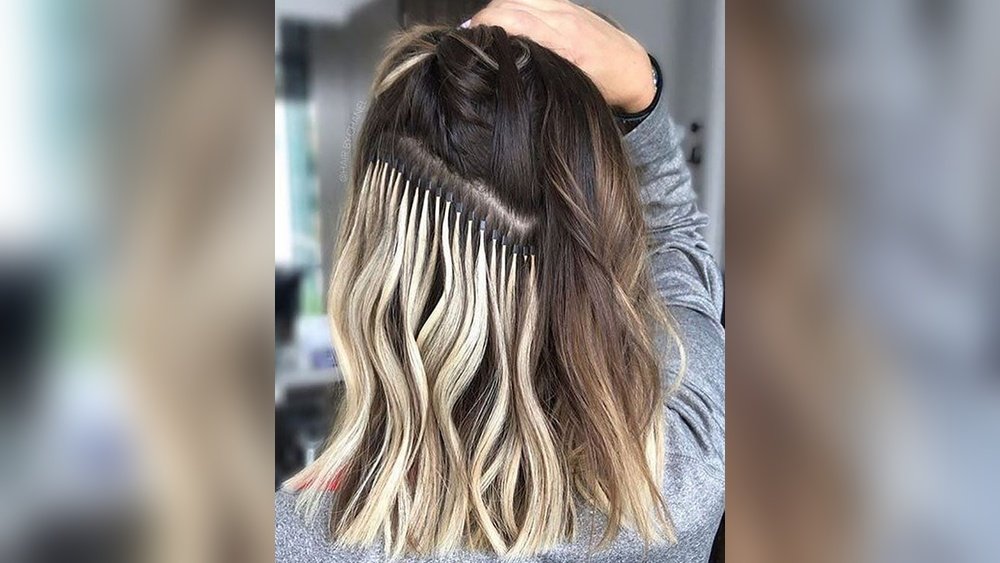
Thinking about getting hair extensions but unsure about the cost? You’re not alone.
Many people wonder, “How much are hair extensions at a salon? ” Whether you want longer locks, added volume, or a fresh new look, knowing the price range can help you make the best decision for your hair and budget.
You’ll discover the typical costs of different types of salon hair extensions, what factors influence the price, and tips to get the best value. Keep reading to find out exactly what to expect before you book your appointment!
Hair Extension Types
Hair extensions come in many styles and methods. Each type fits different needs and budgets. Understanding these types helps you choose the right one.
Salons offer various options. Some are temporary, while others last months. Prices vary based on type and application method.
Clip-in Extensions
Clip-in extensions are easy to use and remove. They snap onto your natural hair. These extensions are perfect for special occasions. They cost less than permanent types. You can apply them yourself at home.
Tape-in Extensions
Tape-in extensions attach with thin, sticky strips. A stylist places them close to your scalp. These are lightweight and blend well. They last about 6 to 8 weeks. A salon visit is needed for application.
Sew-in Extensions
Sew-in extensions, or weaves, are sewn into braided hair. They offer strong hold and last longer. Usually, a professional stylist applies them. These extensions work well for thick hair. They cost more due to the time needed.
Fusion Extensions
Fusion extensions bond with your hair using keratin glue. The process is detailed and takes hours. They last around 3 to 4 months. This method feels natural and moves with your hair. Only salons can apply fusion extensions.
Halo Extensions
Halo extensions sit on your head like a crown. They use a clear wire to hold the hair. These are gentle and easy to remove. Halo extensions cost less than sew-in or fusion. They are great for quick volume and length.
Micro Link Extensions
Micro link extensions attach with small beads clamped on hair. They avoid heat or glue, reducing damage. A stylist installs and adjusts them regularly. These extensions last several months with care. They blend naturally and feel light on your head.
Price Ranges
Hair extensions come in various types, each with its own price range. The cost depends on the method used and the quality of hair. Understanding these ranges helps you plan your budget better.
Clip-in Extension Costs
Clip-in extensions are the most affordable option. Prices usually range from $50 to $400. You can apply them yourself or have a stylist do it. These extensions last for a few uses and are easy to remove.
Tape-in Extension Costs
Tape-in extensions cost more, typically between $150 and $600. A professional stylist should apply them to ensure proper placement. They last about 6 to 8 weeks before needing adjustment or replacement.
Sew-in Extension Costs
Sew-in extensions, or weaves, range from $200 to $800. A skilled stylist sews the extensions into braided hair. These extensions stay longer, usually 6 to 10 weeks, and feel very natural.
Fusion Extension Costs
Fusion extensions are the most expensive, costing $300 to over $2,000. They use keratin or other bonds to attach strands to your hair. A professional must apply and remove them carefully. Fusion extensions last 3 to 4 months with good care.
Factors Affecting Costs
Several factors influence the price of hair extensions at a salon. These factors determine the overall cost and quality of the service. Understanding them helps set the right expectations for your budget.
Hair Quality And Source
Hair quality plays a big role in pricing. Human hair costs more than synthetic hair. The source of hair, such as Remy or non-Remy, affects the price. Remy hair is smoother and lasts longer. Higher quality hair looks natural and feels soft.
Extension Length And Volume
Longer hair extensions cost more due to the extra hair needed. Adding more volume also raises the price. A full head of thick extensions requires more material and time. Short or thin extensions tend to be cheaper.
Salon Location And Reputation
Salons in big cities or trendy areas often charge higher prices. Well-known salons with skilled stylists set premium rates. Local salons or those in smaller towns may offer lower costs. Reputation and demand impact salon pricing.
Application Method
Different methods of applying extensions have different costs. Clip-ins are usually the cheapest and easiest. Tape-in, sew-in, fusion, and micro-link methods require more skill and time. More complex methods generally cost more.
Maintenance And Touch-ups
Regular maintenance affects long-term expenses. Some extension types need frequent salon visits. Touch-ups or repositioning add to the total cost. Choosing low-maintenance extensions can save money over time.

Credit: lush-hair-folk.com
Cost Comparison By Location
Hair extension prices differ widely by location. The cost depends on local salon rates, stylist experience, and product quality. Comparing prices across cities helps you budget better. You can find big price gaps between places. This section breaks down hair extension costs in Austin and other US cities. It also compares salon prices with DIY options.
Austin, Texas Pricing
In Austin, hair extensions usually cost between $400 and $1,200. The price varies by type: tape-in, sew-in, or fusion. High-end salons charge more for premium hair. Some salons offer package deals including installation and styling. Austin’s growing beauty scene keeps prices competitive. You might pay extra for expert stylists or custom coloring.
Pricing In Other Us Cities
Prices in cities like New York or Los Angeles range from $600 to $2,000. These cities have higher living costs, raising salon prices. Smaller cities or towns often charge less, around $300 to $800. Chicago and Miami fall in the mid-range, typically $500 to $1,200. Regional demand and salon prestige also affect costs.
Salon Vs. Diy Costs
DIY hair extensions cost less upfront, usually $50 to $300. You buy the hair and tools and apply them yourself. This option saves money but needs skill and time. Salon application costs more but ensures professional results. Salons use high-quality hair and proper techniques. They also offer maintenance and styling services.
Longevity Of Extensions
Understanding the longevity of hair extensions helps in planning their cost and maintenance. Extensions vary in how long they last, depending on their type and care. This section breaks down their average lifespan, reusability, and tips to keep them looking fresh longer.
Average Lifespan Per Extension Type
Hand-tied extensions usually last 6 to 8 weeks before reapplication is needed. Keratin bond extensions can last 3 to 4 months but often require professional removal. Halo extensions typically last 1 to 2 months and are easy to remove daily. Micro link or I-tip extensions last 3 to 4 months with proper adjustments.
Reusability Of Extensions
Many extensions can be reused, saving money over time. Hand-tied and halo extensions often have high reusability with good care. Micro link extensions can be reused but need adjustments for fit. Keratin bond extensions usually cannot be reused after removal due to glue breakdown.
Care Tips To Extend Life
Use sulfate-free shampoo and conditioner to protect extensions. Avoid excessive heat styling to prevent damage. Brush gently with a soft-bristle brush to avoid pulling. Sleep with hair in a loose braid or ponytail to reduce tangling. Regular salon visits help maintain extensions and scalp health.
Additional Charges
When getting hair extensions at a salon, the base price is not the only cost. Additional charges can add up quickly. These fees cover services beyond the initial installation. Understanding these costs helps you plan your budget better. Always ask about extra fees before booking your appointment.
Consultation Fees
Some salons charge for consultations before the hair extension service. This fee covers the stylist’s time to assess your hair and discuss options. It ensures you get the right type and length. Consultation fees may be separate or included in the total price. Confirm this detail so you avoid surprises.
Removal Costs
Hair extensions need professional removal to avoid damage. Salons often charge a fee for this service. The cost depends on the type and amount of extensions. Removal fees can range from modest to significant. Plan for this expense as part of your overall hair extension budget.
Maintenance Appointments
Extensions require regular upkeep to stay neat and secure. Maintenance appointments include tightening, repositioning, or replacing extensions. Salons typically charge for these visits based on time and effort. Skipping maintenance can shorten your extensions’ lifespan. Budget for these sessions to keep your hair looking fresh.
Where To Get Extensions
Choosing the right place for hair extensions is important. The quality of the salon affects the final look and how long the extensions last. Many salons in Austin offer a range of services, from luxury to budget-friendly options. Finding the right fit depends on your budget and the style you want.
Top Salons In Austin
Austin has many top salons known for great hair extension work. These salons use high-quality hair and skilled techniques. They often have experienced stylists who stay updated with the latest trends. Expect a professional experience and long-lasting results. Prices here tend to be higher but reflect quality.
Affordable Salons
Affordable salons provide good hair extensions at lower prices. These salons focus on giving value without sacrificing too much quality. They use reliable hair and standard methods. This option suits those who want extensions but have a limited budget. Many affordable salons in Austin have good reviews and friendly staff.
Specialist Stylists
Specialist stylists focus only on hair extensions. They have deep knowledge of different extension types and care. These stylists customize the extensions to match your natural hair perfectly. Their work often looks seamless and natural. Choosing a specialist ensures your hair stays healthy and the extensions last longer.

Credit: lush-hair-folk.com
Budgeting For Extensions
Budgeting for hair extensions is key to getting the look you want without stress. Extensions at a salon can vary in price. Knowing what to expect helps you plan wisely. Consider the type, length, and quality of hair. Also, factor in salon fees and maintenance costs.
Start by setting a clear budget. This helps avoid surprises. Remember, investing in quality extensions usually gives better results and lasts longer.
Planning Your Investment
Decide how much you want to spend before visiting the salon. Research prices for different extension types. These include tape-in, sew-in, and keratin bond extensions. Each type has its price range. Think about the look and durability you want. Choose the option that fits your style and budget.
Ask the salon about the total cost. This includes installation and future touch-ups. Plan for regular maintenance to keep your extensions looking good.
Payment Options
Many salons offer various payment methods. Some accept credit cards, cash, or digital payments. Check if the salon provides payment plans. These help spread the cost over time. It makes higher-priced extensions easier to afford. Always confirm payment policies before booking your appointment.
Avoiding Hidden Costs
Hidden costs can increase your total spending. Ask if there are extra fees for consultation or removal. Check if maintenance visits cost extra. Some salons charge for shampoo or special products. Clarify all costs upfront. This prevents surprises after the service.
Choosing a transparent salon saves money and stress. Always read reviews and ask questions. Clear communication helps you stay on budget.

Credit: www.gloextensionsdenver.com
Frequently Asked Questions
How Long Do Hair Extensions Last?
Hair extensions last between 4 to 12 weeks, depending on type and care. Proper maintenance extends their lifespan.
How Much Do Human Hair Extensions Cost At A Salon?
Human hair extensions at a salon typically cost between $300 and $2,000. Prices vary by type and salon location.
How Much Do People Charge To Put In Hair Extensions?
Hair extension prices vary by type and salon. Clip-ins cost $50-$400; tape-ins $150-$600. Sew-in ranges $200-$800, fusion $300-$2,000. Professionals usually apply tape-in, sew-in, and fusion extensions.
How Much Do Hair Extensions Roughly Cost?
Hair extensions typically cost between $50 and $2,000, depending on type and application method. Clip-ins are cheaper, fusion and sew-ins cost more. Professional installation raises prices. Quality and hair type also affect cost.
Conclusion
Hair extensions at a salon vary in price depending on type and quality. Expect to pay more for natural human hair and professional application. The cost also depends on the salon’s location and stylist experience. Maintenance and longevity affect overall value.
Choose extensions that fit your budget and hair goals. Remember, investing in quality ensures better results and longer wear. Plan your visit carefully to get the best outcome. Hair extensions can enhance your look, but costs differ widely. Consider all factors before making your decision.
As an Amazon Associate, I earn from qualifying purchases.
Lovingshe is a participant in the Amazon Services LLC Associates Program which is an affiliate advertising program designed to provide a means for sites to earn advertising fees by advertising and linking to Amazon.com. Amazon may use cookies to track referrals from our site. Visit Amazon’s privacy policy for details
