


Have you ever wondered how many hairs you lose each day? You might notice strands on your pillow, in the shower drain, or on your brush and start to worry if it’s more than usual.
The truth is, losing some hair every day is perfectly normal. But how much is too much? Understanding the daily hair shedding process can help you separate normal hair loss from signs that need attention. You’ll discover exactly how many hairs a human typically loses in a day, why it happens, and when you should be concerned about excessive shedding.
Keep reading to learn what’s happening with your hair and how to keep it healthy.
Credit: health.clevelandclinic.org
Daily Hair Shedding
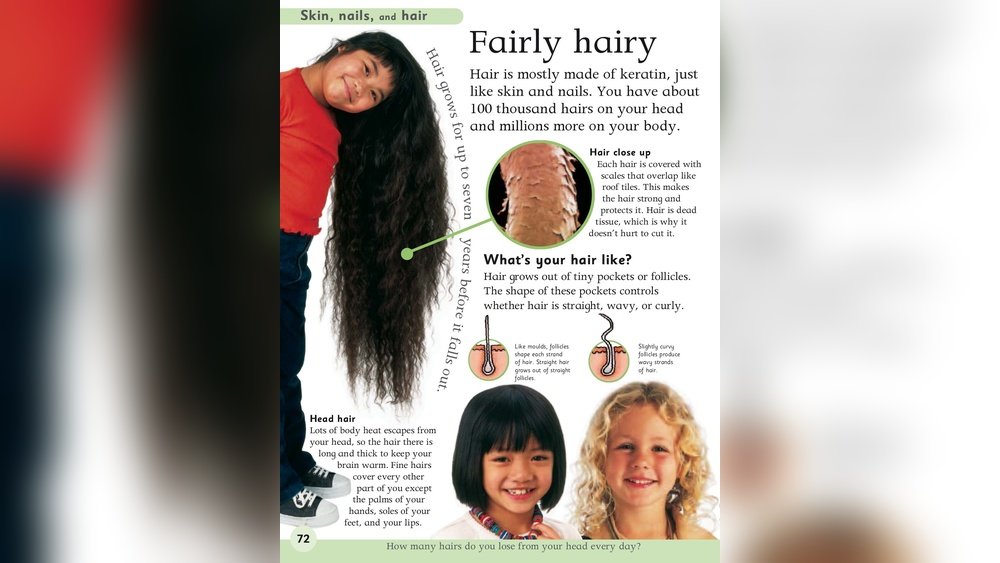
Daily hair shedding is a natural part of life. Everyone loses hair every day without noticing. This happens because old hairs fall out to make room for new growth. The amount of hair lost varies but usually stays within a normal range. Understanding daily shedding helps you know what is normal and what is not.
Normal Hair Loss Range
Most people lose about 50 to 100 hairs daily. This amount may seem high but is normal. Hair strands are very small, so losing this many often goes unnoticed. Losing more than 100 hairs every day could mean something else is going on. The hair loss may look sudden, but it often happens gradually.
Hair Growth Cycle
Hair grows in cycles with three main stages. First is the growth phase, where hair actively grows. Next is the resting phase, where growth stops but hair stays in the scalp. Last is the shedding phase, where hair naturally falls out. At any time, different hairs are at different stages. This cycle explains why hair falls out daily.
Impact Of Washing And Brushing
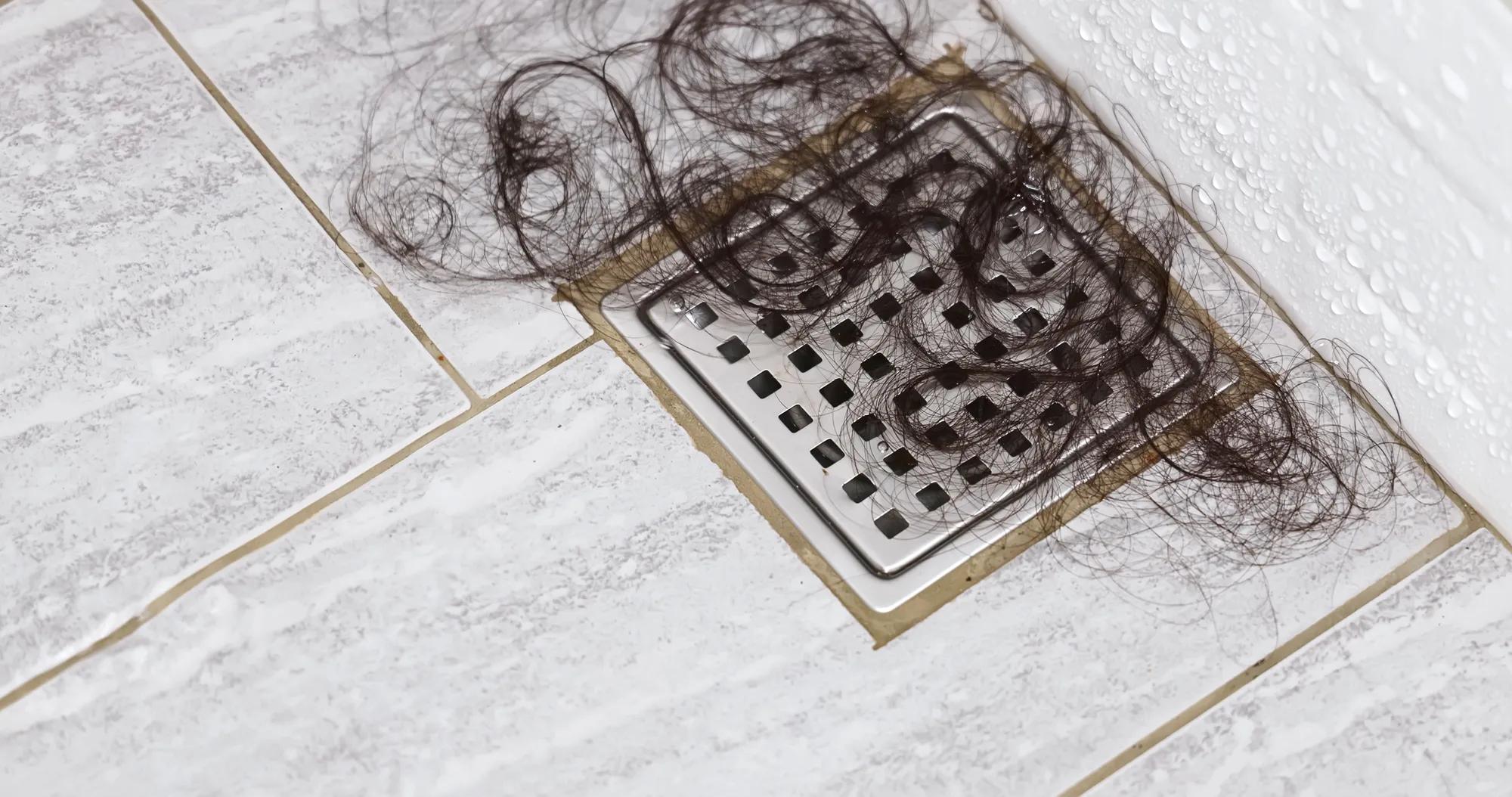
Washing and brushing can cause more hairs to fall out at once. These actions pull out hairs that were already loose. On wash days, you may see more hair in the shower or on the brush. This does not mean extra hair loss. It is just the normal shedding made visible by these activities.

Credit: www.healthline.com
Factors Affecting Hair Loss
Hair loss varies from person to person. Several factors affect how many hairs fall out each day. Understanding these factors helps in managing hair health effectively. Some causes are natural, while others may indicate a problem. Knowing what influences hair loss gives a clearer picture of daily shedding.
Hair Type And Length
People with thick or long hair often see more strands fall. Longer hair strands are easier to notice on brushes or clothes. Curly hair may shed differently than straight hair. Hair texture can change how shedding appears. Thicker hair might feel fuller despite daily loss.
Stress And Hormonal Changes
Stress triggers the body to shed more hair than usual. Hormonal shifts during pregnancy or menopause increase hair loss. Thyroid problems also cause sudden shedding. Emotional or physical stress can push hair into resting phase early. These changes often lead to temporary hair thinning.
Health Conditions
Certain illnesses affect hair growth and shedding. Nutritional deficiencies like low iron cause hair to fall out. Autoimmune diseases may attack hair follicles, leading to loss. Some medications have side effects causing shedding. Identifying health issues helps reduce unnecessary hair loss.
When Hair Loss Increases
Hair loss is a natural process, but sometimes it increases beyond the usual amount. Understanding when hair shedding spikes can help you take timely action. Notice changes early to protect your hair health and avoid long-term damage.
Sudden Shedding Spikes
Sudden hair loss means losing more than 100 hairs daily. This can happen after stress, illness, or hormonal shifts. These spikes often come without warning and may last for weeks. It is important to track how much hair falls out to spot abnormal shedding.
Visible Thinning And Bald Spots
Thinning hair shows less volume and density. Bald spots are small areas where hair stops growing. Both signs mean hair loss has increased. Check your scalp regularly for these changes. Early detection helps with better treatment results.
Scalp Symptoms To Watch
Scalp issues often appear before severe hair loss. Itching, redness, or flaking can signal scalp problems. These symptoms may cause or worsen hair shedding. Treat scalp conditions quickly to reduce hair loss and improve scalp health.
Hair Loss Treatments
Hair loss treatments target the causes of shedding and help maintain hair health. They support hair growth and reduce daily hair loss. Using the right treatment can slow down hair thinning and improve hair density.
Choosing a treatment depends on the type and cause of hair loss. Some treatments work better for certain conditions. Understanding each option helps in making the best choice for your hair.
Minoxidil Benefits And Use
Minoxidil is a common topical treatment for hair loss. It helps increase blood flow to hair follicles. This stimulation encourages hair growth and slows hair loss.
Apply minoxidil directly to the scalp twice a day. Consistent use is important for seeing results. It may take several months to notice improvement.
Minoxidil works best for mild to moderate hair thinning. Side effects are rare but can include scalp irritation.
Finasteride Effects
Finasteride is an oral medication that reduces hair loss in men. It blocks a hormone that causes hair follicles to shrink. This helps hair follicles stay healthy and grow thicker hair.
Taking finasteride daily can slow hair loss and promote regrowth. Results usually appear after three to six months. Some users may experience side effects like decreased libido.
Finasteride is not recommended for women or children. Always consult a doctor before starting this treatment.
Ketoconazole Shampoo Role
Ketoconazole shampoo is used to treat dandruff and scalp inflammation. It also helps reduce hair shedding by keeping the scalp healthy. A healthy scalp supports stronger hair growth.
Using ketoconazole shampoo two to three times a week can reduce scalp irritation. This shampoo complements other hair loss treatments well.
It works best when combined with treatments like minoxidil or finasteride. The shampoo is gentle and safe for most hair types.
Monitoring Hair Health
Tracking hair health helps you understand your hair loss pattern. Losing 50 to 100 hairs daily is normal. This number varies by individual and hair type.
Regularly checking your scalp and hair can catch problems early. Healthy hair reflects overall scalp health and body condition. Proper care supports hair growth and prevents excessive shedding.
Signs To Consult A Doctor
Seek medical advice if hair loss suddenly increases. Watch for bald patches or visible thinning. Hair falling out in large clumps is a warning sign.
Scalp irritation, redness, or itching with hair loss needs a doctor’s attention. These symptoms may indicate infections or other scalp problems.
Maintaining A Healthy Scalp
Keep your scalp clean by washing regularly with a mild shampoo. Avoid harsh chemicals and heat styling tools that damage hair and scalp. Gentle scalp massages improve blood flow and hair health.
Use natural oils or conditioners to prevent dryness. A well-nourished scalp supports strong hair roots and reduces shedding.
Lifestyle Tips For Hair Care
Eat a balanced diet rich in vitamins and minerals. Hydrate well to keep hair and scalp moist. Manage stress with relaxation techniques to reduce hair loss.
Avoid tight hairstyles that pull on hair. Sleep well to allow hair follicles to repair and grow. Small daily habits boost overall hair health.

Credit: emrahcinik.com
Frequently Asked Questions
Is Shedding 200 Hairs A Day Normal?
Shedding 200 hairs daily is slightly above the normal range of 50-100 hairs. Occasional increases occur due to washing or stress. Monitor for thinning or bald spots, and consult a doctor if excessive shedding persists or worsens.
How Much Hair Does A Human Naturally Lose In A Day?
A human naturally loses about 50 to 100 hairs daily. This shedding is part of the normal hair growth cycle. Washing and brushing can cause more hairs to fall out at once. Excessive shedding, like hundreds of hairs daily, may need medical attention.
What Is The Big 3 For Hair Loss?
The Big 3 for hair loss are Minoxidil, Finasteride, and Ketoconazole shampoo. They boost follicle health and reduce shedding effectively.
Why Am I Losing 1000 Hairs A Day?
Losing around 100 hairs daily is normal due to the hair growth cycle. Losing 1000 hairs may signal stress, illness, or hormonal changes. Washing and brushing also increase visible shedding. Consult a doctor if hair loss is sudden, heavy, or causes thinning or bald spots.
Conclusion
Daily hair loss is a natural part of life. Most people lose about 50 to 100 hairs each day. This happens because hair grows in cycles, and old hairs fall out to make room for new ones. Washing and brushing can make shedding more noticeable.
Sudden or heavy hair loss may signal health problems and needs a doctor’s attention. Understanding normal hair loss helps reduce worry. Keep an eye on your hair and care for your scalp to maintain healthy growth.
As an Amazon Associate, I earn from qualifying purchases.
Lovingshe is a participant in the Amazon Services LLC Associates Program which is an affiliate advertising program designed to provide a means for sites to earn advertising fees by advertising and linking to Amazon.com. Amazon may use cookies to track referrals from our site. Visit Amazon’s privacy policy for details
