


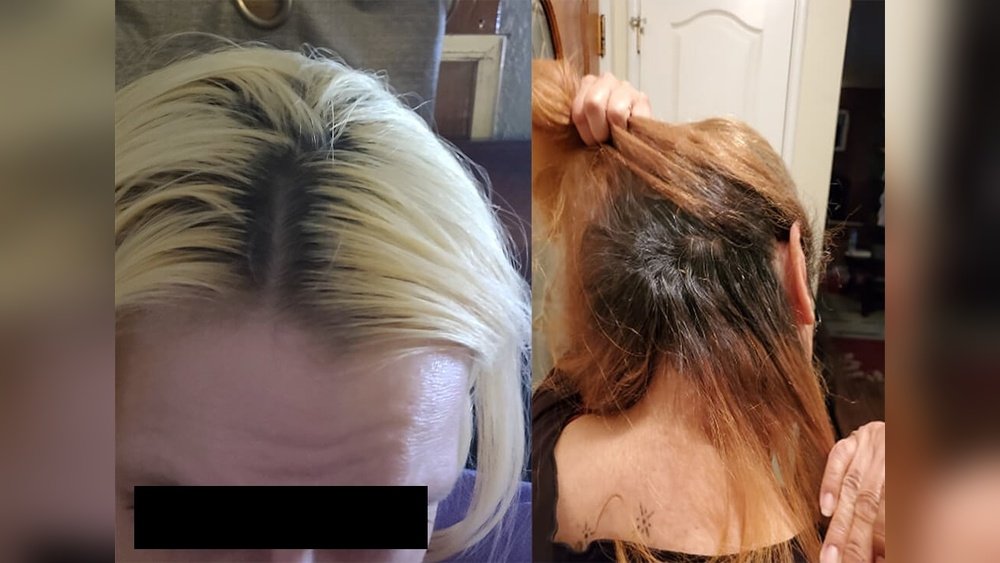
Thinking about bleaching your hair but unsure how long to leave the bleach on? You’re not alone.
Getting that perfect shade requires knowing the right timing—too short, and you won’t get the lift you want; too long, and your hair can suffer serious damage. You want bright, beautiful hair, but you also want it healthy and strong.
So, how long should you keep bleach on your hair to achieve the best results without ruining your locks? You’ll discover the key factors that affect bleach processing time, what signs to watch for, and essential tips to protect your hair. Keep reading to make sure your hair transformation is stunning and safe!
Bleach Processing Time
Bleach processing time plays a key role in achieving the desired hair color. It controls how much natural pigment the bleach lifts from your hair. Leaving bleach on too long causes damage. Too short may not lighten enough. Understanding processing time helps keep hair healthy and bright.
Several factors affect how long bleach should stay on hair. These include hair color and texture, developer strength, and careful progress checks during the process.
Hair Color And Texture
Dark hair usually needs longer processing to lift pigment. Light hair requires less time. Coarse or thick hair may take more time than fine hair. Damaged hair should be treated gently with shorter bleach time. Hair texture affects how bleach penetrates and lifts color.
Developer Strength
Developers come in different volumes, like 10, 20, 30, or 40. Higher volume developers lift color faster but increase damage risk. Lower volume is gentler but works slower. Choosing the right developer volume depends on your hair’s current shade and health.
Checking Progress
Check your hair every 5 to 10 minutes during bleaching. Use a mirror or take small strands out carefully. Stop bleaching once you see the desired lightness. Watch for signs of damage, like burning or extreme dryness. Rinse immediately if scalp burns or discomfort occurs.
%20Lightening_levels%20(5).png)
Credit: www.uglyducklingcolor.com
Key Bleaching Rules
Bleaching hair requires careful attention and following key rules to protect hair health. These rules help control the chemical process and reduce damage. Understanding these basics ensures better results and safer hair treatment.
Applying bleach needs caution. The goal is to lift color without harming hair structure or scalp.
Chemical Reaction Limits
The bleach works by breaking down hair pigment through a chemical reaction. This reaction slows down after 30 to 45 minutes. Leaving bleach on longer does not improve lightening but increases damage risk. Avoid exceeding recommended time to prevent over-processing.
Rinse If Burning
Bleach can cause scalp irritation. A light tingling is normal, but sharp burning is a warning. If burning or pain occurs, rinse the bleach immediately with cool water. Do not wait or ignore discomfort. Protect your scalp to avoid chemical burns.
Reapply With Care
Do not rush to bleach again if the desired shade is not reached. Rinse out the bleach thoroughly, then deep condition your hair. Wait several days before reapplying. Use a lower developer strength next time to minimize damage and allow hair to recover.
Keep Hair Saturated
Bleach must stay wet to work properly. Dry or patchy bleach stops lifting pigment effectively. Saturate hair evenly during application to avoid uneven color. Check hair regularly and add more bleach if needed to keep hair moist.
Risks Of Leaving Bleach Too Long
Leaving bleach on your hair too long increases the risk of serious damage. The chemicals continue to strip natural pigments and weaken the hair structure. This causes hair to become fragile and dry. The scalp may also suffer irritation or burns. Understanding these risks helps protect hair health and avoid costly repairs.
Immediate Effects
Bleach left too long causes excessive lightening beyond the desired shade. Hair may turn very pale, white, or yellow. The scalp can feel burning or intense itching. Some people experience redness or swelling. Hair becomes rough and brittle right after bleaching. Breakage and snapping often happen during or immediately after treatment.
Long-term Damage
Extended bleach exposure breaks down hair proteins like keratin. This weakens hair strands and reduces elasticity. Hair feels gummy or straw-like to touch. Porosity increases, making hair absorb water unevenly and become frizzy. Over time, hair loses shine and smoothness. Frequent over-bleaching leads to permanent damage, requiring trims and deep conditioning. Scalp health may decline, causing dryness and sensitivity.
Signs Of Overprocessing
Overprocessing occurs when bleach stays on hair too long. It weakens hair structure and causes damage. Recognizing signs helps prevent serious harm. Watch closely for changes in color, feel, and scalp condition. Acting fast can save your hair from breakage and dryness.
Excessive Lightening
Hair turns much lighter than expected. It may look white, yellow, or orange. Too much pigment lifts out, leaving hair fragile. Overbleached hair loses its natural shine and looks dull. This is a clear sign bleach stayed too long.
Itching And Burning
Scalp feels uncomfortable or painful during bleaching. Itching or burning shows chemical irritation. This signals damage to scalp skin and hair roots. Rinse bleach immediately if pain is strong. Do not ignore these signs to avoid burns.
Gummy Texture
Hair feels sticky or gummy when wet. It loses elasticity and breaks easily. This happens because protein in hair is damaged. Overprocessed hair struggles to return to normal shape. Gummy texture means hair needs rest and deep care.
Damage Consequences
Bleaching hair involves strong chemicals that break down natural pigments. Leaving bleach on for too long causes serious damage. Hair becomes weak and fragile. Understanding these damage consequences helps protect hair health.
Breakage And Split Ends
Bleach weakens the hair shaft. This makes hair prone to breakage and split ends. Hair breaks easily during brushing or styling. Split ends appear dry and frayed. These problems make hair look unhealthy and thin.
Porosity Issues
Over-bleached hair absorbs too much moisture. This creates high porosity. Hair feels rough and dry. High porosity causes uneven color absorption. Hair loses smoothness and shine. Moisture escapes quickly, causing more dryness.
Keratin Loss
Bleach strips away keratin, the hair’s natural protein. Without keratin, hair loses strength and elasticity. Hair becomes gummy or mushy when wet. Weak hair breaks easily and looks damaged. Keratin loss leads to long-term hair health problems.
Frizz And Flyaways
Damaged hair cuticles lift and separate. This causes frizz and flyaways. Hair looks puffy and hard to manage. Frizz increases in humid conditions. Flyaways create an unpolished appearance.
Color Retention Problems
Hair with damage struggles to hold color. Bleached hair fades faster. Color appears dull and uneven. Porous hair absorbs dye poorly. Frequent touch-ups cause more damage.

Credit: www.reddit.com
Damage Control Steps
Bleaching can weaken your hair. Taking care right after bleaching helps reduce damage. These damage control steps help your hair stay strong and healthy. Follow them closely to protect your hair.
Immediate Rinse
Rinse your hair with cool water as soon as bleaching time ends. This stops the bleaching process quickly. Use gentle shampoo made for damaged hair. Avoid hot water because it dries hair out more.
Deep Conditioning
Apply a deep conditioner or hair mask after rinsing. This adds moisture and repairs some damage. Leave the conditioner on for at least 10-20 minutes. Repeat deep conditioning once or twice a week for best results.
Trimming Damaged Hair
Cut off split ends and very damaged parts. Trimming helps your hair look healthier. It also stops damage from spreading further up the hair shaft. Schedule regular trims every 6-8 weeks after bleaching.
Waiting Before Recoloring
Wait at least two weeks before applying new color. This gives your hair time to recover. Coloring too soon can cause more breakage and dryness. Use gentle, nourishing products during this waiting period.
Professional Consultation
See a hair professional if you notice severe damage. They can suggest treatments like protein repairs or special masks. Professionals know how to protect fragile hair best. Follow their advice to keep your hair strong.
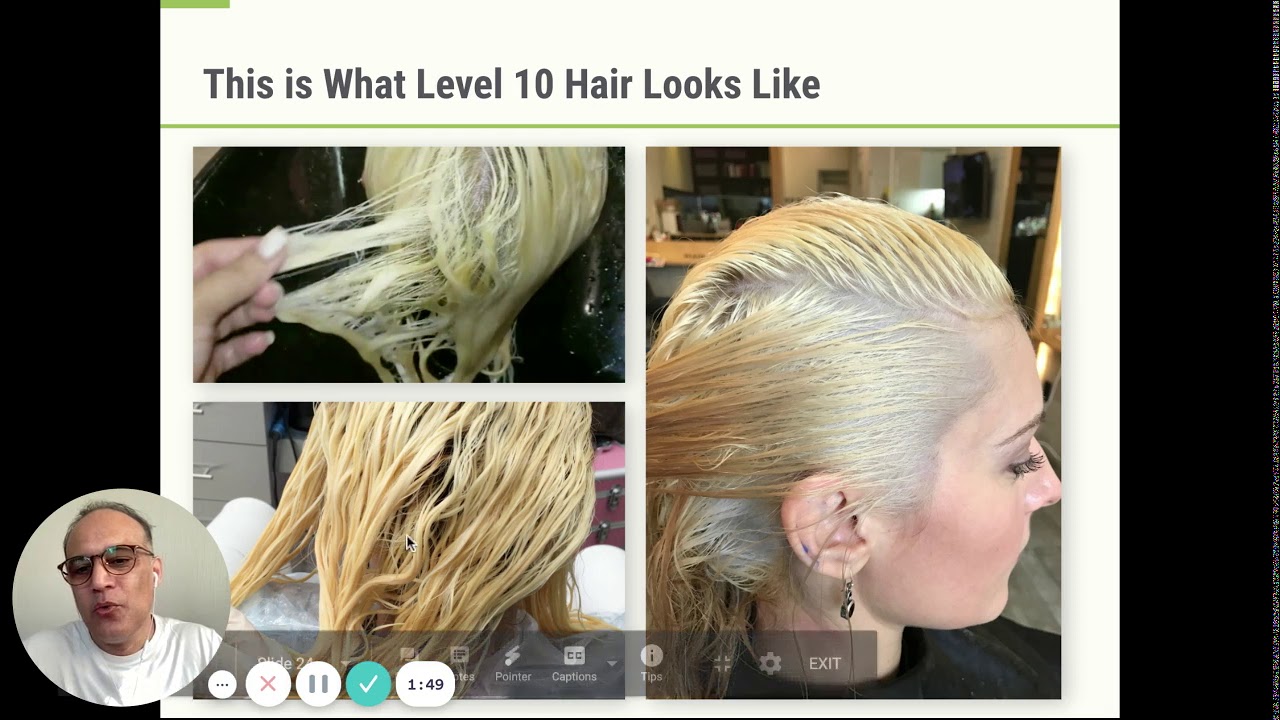
Credit: www.youtube.com
Frequently Asked Questions
How Long Should You Keep Bleach In Your Hair?
Keep bleach on your hair for 20 to 45 minutes, depending on hair type and desired lightness. Rinse immediately if you feel burning. Do not exceed 45 minutes to avoid severe damage, breakage, and scalp irritation. Always monitor hair during bleaching for best results.
What Happens If I Leave Bleach In My Hair For Too Long?
Leaving bleach in hair too long causes severe dryness, brittleness, breakage, and scalp irritation. Hair may turn white, yellow, or orange and feel like straw. Overprocessing damages keratin, leading to loss of elasticity, porosity issues, frizz, and difficulty retaining color.
Immediate rinsing and deep conditioning are essential.
Does Bleach Work Better The Longer It Sits?
Bleach works best within the recommended time; leaving it longer causes damage. Over-processing dries and weakens hair. Rinse promptly if irritation occurs.
Is 20 Minutes Long Enough To Bleach Hair?
Twenty minutes can be enough for bleaching, depending on hair type and bleach strength. Always check progress to avoid damage.
Conclusion
Bleach works best when left on hair for the right time. Watch your hair closely during the process. Avoid leaving bleach longer to prevent damage. If you feel burning or pain, rinse immediately. Always follow product instructions and test small sections first.
Healthy hair needs gentle care after bleaching. Use deep conditioning to restore moisture and strength. Taking breaks between bleaching sessions helps hair recover. Remember, patience protects your hair’s health and look. Bleach safely to enjoy beautiful, bright hair without harm.
As an Amazon Associate, I earn from qualifying purchases.
Lovingshe is a participant in the Amazon Services LLC Associates Program which is an affiliate advertising program designed to provide a means for sites to earn advertising fees by advertising and linking to Amazon.com. Amazon may use cookies to track referrals from our site. Visit Amazon’s privacy policy for details
