


Wondering how long you should leave hair dye in to get that perfect color without damaging your hair? You’re not alone.
Leaving dye on too little might mean dull results, but leaving it on too long can cause dryness, breakage, and even scalp irritation. Finding the right balance is key to healthy, vibrant hair. You’ll discover exactly how long you should keep hair dye on, why timing matters, and simple tips to protect your hair while achieving the look you want.
Keep reading to master the art of hair coloring safely and effectively!
Permanent Dye Timing
Permanent hair dye requires careful timing to achieve the best results. Leaving the dye on for the right amount of time helps the color develop fully. It also protects your hair from damage caused by chemicals. Understanding the correct timing prevents common problems like uneven color or dry hair.
Recommended Duration
Most permanent dyes suggest leaving the product on for 30 to 45 minutes. This range allows the color to penetrate the hair shaft deeply. Shorter times may result in weak or faded color. Longer times do not make the color stronger. Always follow the instructions on the dye package. Different brands and hair types may need slight adjustments.
Effects Of Overprocessing
Leaving permanent dye on too long can harm your hair. Chemicals in the dye continue to work, breaking down hair proteins. This causes dryness, frizz, and breakage. The scalp may become irritated or itchy. Overprocessed hair looks dull and feels rough. Color may turn darker or uneven. Immediate washing and deep conditioning help reduce damage. Avoid heat styling until hair recovers. Consult a professional if damage is severe.

Credit: www.reddit.com
Semi-permanent Dye Duration
Semi-permanent hair dye offers a gentle way to add color without long-term commitment. It coats the hair shaft instead of penetrating deeply. The dye fades gradually over several washes. Knowing the right time to leave it on ensures the best results. Leaving it for too little time can cause uneven or weak color. Leaving it too long might affect hair health or color quality.
Ideal Processing Time
The typical processing time for semi-permanent dye is 15 to 30 minutes. This range allows the color to develop fully. Most brands suggest following their instructions closely. Shorter times may result in a lighter or patchy color. Longer times usually do not deepen the color much. The dye molecules deposit on the hair surface within this window. Always perform a strand test to see how your hair reacts. Use a timer to avoid guessing the duration.
Consequences Of Leaving It Too Long
Leaving semi-permanent dye on too long rarely improves color. Over-processing can cause dryness and rough hair texture. The hair cuticle may become raised, leading to frizz and tangles. Prolonged exposure to chemicals might irritate your scalp. Sometimes, color appears uneven or darker than expected. Excess dye buildup can make hair look dull or heavy. Washing hair soon after the recommended time helps reduce damage. Deep conditioning restores moisture and softness. For best care, avoid repeated long dye sessions close together.
Demi-permanent Dye Guidelines
Demi-permanent hair dye offers a gentle way to change your hair color without lasting commitment. It blends well, fades gradually, and causes less damage than permanent dyes. Knowing how long to leave this dye in helps achieve the best results and keeps hair healthy.
Optimal Leave-in Period
Demi-permanent dye usually needs 20 to 30 minutes to develop fully. This time allows the color to settle and blend naturally. Leaving it on less than 20 minutes may result in a faint or uneven color. More than 30 minutes rarely improves color and can stress hair.
Follow the instructions on the dye package carefully. Different brands may have slight time differences. Performing a strand test before full application helps find the perfect timing for your hair type.
Potential Damage Risks
Demi-permanent dyes are less harsh but can still cause dryness if left on too long. The chemicals can strip natural oils, making hair brittle and prone to breakage. Over-processing may lead to frizz and dullness in color.
Extending the leave-in time does not deepen color much but increases damage risk. Sensitive scalps might experience itching or irritation from prolonged exposure. Always rinse thoroughly to stop the dye’s action and protect hair health.
Temporary Dye Window
Temporary hair dye offers a quick way to change your look without long-term commitment. It sits on the hair surface and washes out after several shampoos. Knowing the right time to leave the dye on helps you get the best color results.
Leaving temporary dye on too short may result in faint color. Leaving it too long does not cause damage but may stain your skin or fabric. Understanding the temporary dye window is key to vibrant, even color.
Typical Time Frame
Most temporary hair dyes need about 20 to 30 minutes to develop fully. Some brands suggest 15 minutes, while others recommend up to 40 minutes. Follow the instructions on the product for best results.
If you leave the dye longer than recommended, the color will not deepen much. Temporary dyes do not penetrate the hair shaft deeply. They only coat the hair surface, so extended time has limited effect.
Color Intensity Factors
The intensity of temporary dye depends on hair type and initial color. Light hair often shows brighter, more vivid colors. Dark hair may appear more subtle or slightly tinted.
Hair condition also affects color results. Porous or dry hair absorbs more dye, resulting in stronger color. Healthy, smooth hair may have lighter color since the dye sits on top.
Applying heat, like a warm towel, can enhance color intensity. Avoid rinsing too soon to allow proper color development. These small steps help achieve a richer, longer-lasting temporary color.
Risks Of Extended Dye Time
Leaving hair dye on longer than the recommended time can cause several problems. The chemicals keep working on the hair and scalp. This can lead to unwanted effects that harm your hair’s health and appearance. Understanding these risks helps you avoid damage and get the color you want safely.
Hair Damage And Breakage
Extended dye time opens the hair cuticle too long. This causes the hair to lose natural moisture and proteins. The result is dry, brittle hair that breaks easily. Over-processed hair feels rough and looks frizzy. Breakage can make hair thin and weak over time.
Uneven Or Darker Color
Leaving dye in too long deposits extra pigment. This makes your hair color darker than planned. The color may also turn uneven or patchy. Some spots absorb more dye, causing a blotchy look. The final color can appear unnatural and hard to fix.
Scalp Irritation
The scalp is sensitive to chemicals in hair dye. Longer exposure increases the risk of irritation and redness. You may feel itching, burning, or dryness. In severe cases, chemical burns can occur. This leads to pain and possible skin damage on the scalp.
Fixing Over-processed Hair
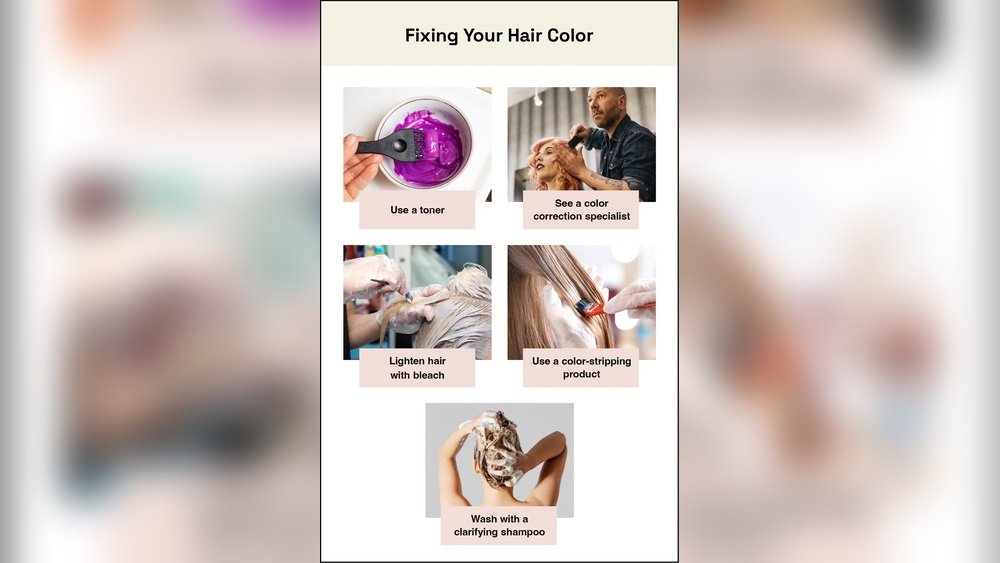
Over-processing hair from leaving dye on too long causes dryness, breakage, and frizz. Fixing it quickly helps restore hair health and appearance. Taking the right steps prevents further damage and keeps hair strong. Below are key methods to repair over-processed hair effectively.
Immediate Washing Techniques
Rinse hair as soon as possible with cool water. Use a clarifying shampoo to remove excess dye and chemicals. Avoid hot water; it can worsen damage. Gently massage scalp to soothe irritation. Rinse thoroughly until water runs clear. This stops the chemical process and reduces damage.
Deep Conditioning Methods
Apply a rich, moisturizing hair mask after washing. Look for products with natural oils and proteins. Leave the mask on for at least 20 minutes. Use a shower cap to trap heat and boost absorption. Repeat deep conditioning treatments weekly until hair feels soft and smooth again.
Avoiding Further Damage
Stop heat styling tools like straighteners and curling irons. Avoid coloring or bleaching hair for several weeks. Use gentle, sulfate-free shampoos and conditioners only. Protect hair from sun and harsh weather with hats or scarves. Limit washing to two or three times per week to keep natural oils.
When To See A Professional
Seek a hair expert if damage is severe or scalp burns appear. Professionals can trim damaged ends and recommend specialized treatments. They can suggest protein treatments or Olaplex to rebuild hair strength. A stylist can create a personalized repair plan for healthy regrowth. Early professional care prevents long-term hair loss and breakage.
Tips For Best Results
Getting the best results from hair dye depends on how you treat your hair during and after the coloring process. Following simple tips can help protect your hair and make the color last longer. These small steps keep your hair healthy and your color vibrant.
Follow Manufacturer Instructions
Always read and follow the instructions on the hair dye package. The recommended time to leave the dye on is based on tests for safety and color quality. Leaving the dye on too long can cause damage and uneven color. Stick to the suggested timing for the best outcome.
Rinse With Cool Water
After the dyeing time is up, rinse your hair with cool water. Cool water helps close the hair cuticle, locking in color. It also reduces fading and keeps hair smooth. Avoid hot water, as it can strip the color and dry out your hair.
Avoid Heat Styling Post-dye
Give your hair a break from heat styling tools right after dyeing. Heat can weaken freshly colored hair and cause damage. Let your hair air dry or use gentle methods to style. This helps maintain the color and keeps your hair strong.

Credit: smart.dhgate.com
Re-dyeing Hair Safely
Re-dyeing hair requires care to avoid damage and maintain healthy strands. Hair dye contains strong chemicals that can weaken hair if used too often or left on too long. Giving your hair time to recover between dye sessions helps keep it strong and shiny. This section guides on how to re-dye hair safely with proper timing and attention to hair health.
Recommended Waiting Period
Wait at least four to six weeks before re-dyeing hair. This period allows hair to rest and repair from chemical stress. Coloring hair too soon can lead to breakage and dryness. If you want to change color quickly, consider a semi-permanent dye instead. Always follow the instructions on your dye box or consult a professional for advice.
Signs Hair Needs Recovery
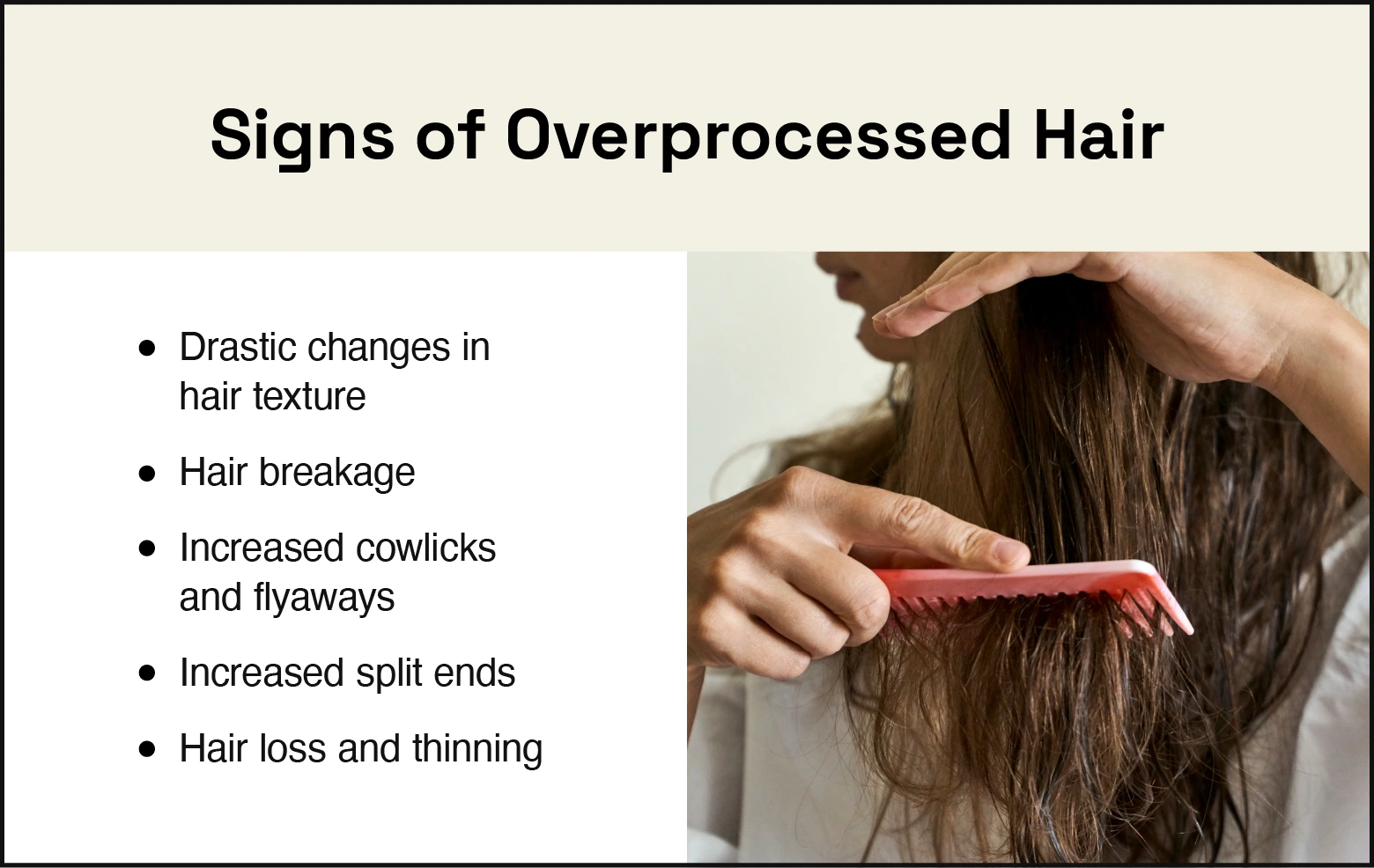
Look for dryness, brittleness, or split ends before re-dyeing. Hair that feels rough or breaks easily needs more time to heal. A dull or uneven color also suggests damage. Check your scalp for irritation or redness, which means your skin needs a break from chemicals. Use deep conditioning treatments and avoid heat styling until your hair feels healthy again.
Credit: www.styleseat.com
Frequently Asked Questions
Can I Let Hair Dye Sit For 2 Hours?
Leaving hair dye on for 2 hours exceeds recommended time and can cause dryness, damage, and uneven color. Follow package instructions.
What Happens When You Leave Hair Dye In Too Long?
Leaving hair dye too long causes darker color, dryness, frizz, breakage, uneven tone, and scalp irritation. It damages hair health.
How Long Should We Leave Hair Dye In?
Leave hair dye on for the time specified in the instructions, usually 20-45 minutes. Avoid exceeding this to prevent damage.
Is 45 Minutes Enough For Hair Dye?
Yes, 45 minutes is usually enough for most hair dyes to develop vibrant color. Always follow the product’s instructions for best results. Avoid leaving dye on longer to prevent hair damage and scalp irritation. Rinse with cool water to lock in the color effectively.
Conclusion
Leaving hair dye on for the right time ensures the best results. Too little time means weak color; too long causes damage. Follow the instructions on the box carefully. Watch your hair during the process to avoid problems. Rinse promptly once the time is up.
Protect your hair with conditioners after dyeing. Healthy hair looks better and holds color well. Remember, patience and care make your color last longer. Keep your hair safe and beautiful by timing dye properly.
As an Amazon Associate, I earn from qualifying purchases.
Lovingshe is a participant in the Amazon Services LLC Associates Program which is an affiliate advertising program designed to provide a means for sites to earn advertising fees by advertising and linking to Amazon.com. Amazon may use cookies to track referrals from our site. Visit Amazon’s privacy policy for details
