


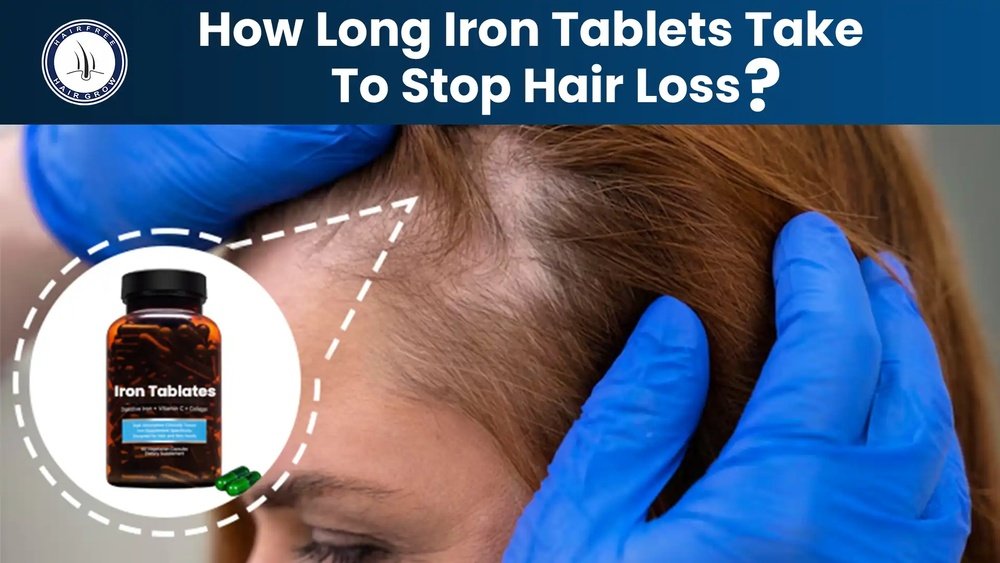
Are you struggling with hair loss and wondering if iron tablets can help? If low iron is behind your thinning hair, taking iron supplements might be the solution you need.
But how long does it really take before you see your hair stop falling out and start growing back? Understanding the timeline and what affects it is key to staying patient and on track. You’ll discover how iron tablets work, why your iron levels matter, and what steps you should take to support healthy hair regrowth.
Keep reading to learn how to give your hair the best chance to recover safely and effectively.
Iron Deficiency And Hair Loss
Iron deficiency can cause hair to thin and fall out. Hair follicles need iron to grow strong and healthy. Without enough iron, the growth cycle slows down. This leads to more hair shedding than usual. Many people do not realize low iron affects their hair until they notice thinning.
Understanding how iron deficiency causes hair loss helps manage the problem. Treating iron levels correctly supports hair regrowth over time. Patience is key since hair grows slowly, even after iron levels improve.
How Low Iron Affects Hair
Iron helps carry oxygen to hair follicles. Follicles need oxygen to make new hair cells. Low iron means less oxygen, causing weak hair roots. Hair becomes fragile and breaks easily. The growth phase shortens, and more hair falls out. This type of hair loss is called telogen effluvium. It usually happens a few months after iron drops.
Signs Of Iron-related Hair Loss
Hair loss from iron deficiency often starts with thinning on the scalp. The hairline may recede, or the crown may look sparse. You may notice more hair on your pillow or in the shower drain. Nails might become brittle or spoon-shaped. Fatigue and pale skin can also signal low iron. These signs suggest checking iron levels with a doctor.
Credit: www.reddit.com
Iron Dosage For Hair Loss
Iron plays a key role in stopping hair loss caused by deficiency. Taking the right iron dose helps restore hair growth. Doses vary based on individual needs. Understanding the right amount is important for safety and effectiveness.
Determining The Right Dose
Doctors measure iron levels using a blood test called ferritin. This test shows iron stores in your body. Based on results, they recommend a specific dose. Most adults take 50 to 100 mg of elemental iron daily for hair loss. The exact dose depends on how low your iron is and your overall health.
Taking iron with vitamin C improves absorption. Avoid taking iron with milk, tea, or coffee as they reduce absorption. Follow your doctor’s instructions closely for best results.
Risks Of Excess Iron
Too much iron can harm your body. Excess iron may cause liver damage and heart problems. Iron overload can also lead to more hair loss, the opposite of the desired effect. Symptoms of iron toxicity include stomach pain, nausea, and fatigue.
Never self-prescribe iron supplements. Always consult a healthcare provider before starting iron tablets. Regular blood tests help monitor iron levels and avoid risks.
Timeline For Hair Regrowth
Understanding the timeline for hair regrowth after starting iron tablets helps set realistic expectations. Hair growth is a slow process and depends on how the body responds to iron therapy. Patience and consistent treatment are key to seeing results. The following sections explain what to expect over time and factors that affect regrowth speed.
Initial Response To Iron Tablets
Iron tablets begin working soon after you start taking them. The body first replenishes iron stores, which may take a few weeks. During this time, hair loss might slow down or stop. However, actual hair regrowth usually does not start immediately.
The scalp needs time to recover and prepare hair follicles for new growth. Some people notice less shedding within 4 to 6 weeks. This early stage is a sign that iron levels are improving.
When To Expect Visible Improvement
Visible hair regrowth often appears after 3 to 6 months of iron supplementation. Hair strands become thicker and new hairs begin to grow in thinning areas. Results vary by individual and depend on the severity of iron deficiency.
Consistent use of iron tablets, along with a healthy diet, supports steady progress. Remember, hair grows about half an inch per month, so noticeable changes take time.
Factors That Influence Regrowth Speed
Several factors affect how quickly hair regrows with iron treatment. The severity of iron deficiency is important; more severe cases may need longer treatment. How well your body absorbs iron also matters. Conditions like gut issues can slow this process.
Following your doctor’s treatment plan strictly improves results. Taking iron with vitamin C can boost absorption. Other health issues and overall nutrition influence hair recovery too.
Optimizing Iron Absorption
Optimizing iron absorption plays a key role in stopping hair loss caused by iron deficiency. Iron tablets only work well if your body absorbs the iron efficiently. Poor absorption can delay hair regrowth and reduce the benefits of supplements. Understanding how to improve iron uptake from your diet and supplements speeds up recovery. Simple changes in eating habits can make a big difference.
Dietary Tips To Boost Iron Uptake
Vitamin C helps your body absorb iron better. Include foods like oranges, strawberries, and bell peppers with your iron tablets. Eat iron-rich foods such as red meat, beans, spinach, and lentils. Cooking in cast iron pans can add extra iron to your meals. Split your iron dose to avoid stomach upset and improve absorption. Take supplements on an empty stomach or with a small snack for best results.
Foods And Drinks To Avoid With Supplements
Calcium can block iron absorption. Avoid milk, cheese, and calcium supplements near your iron dose. Tea and coffee contain tannins that reduce iron uptake. Skip these drinks one hour before and two hours after taking iron. High-fiber foods like bran may also interfere. Avoid taking iron with whole grains or raw vegetables at the same time. These habits help your body get the most from iron tablets.
Monitoring And Medical Guidance
Monitoring and medical guidance play a vital role in treating hair loss with iron tablets. Iron levels vary from person to person. Careful observation helps ensure safe and effective treatment. Doctors rely on tests and checkups to adjust iron doses properly. This approach prevents side effects and promotes healthy hair regrowth.
Importance Of Blood Tests
Blood tests measure your iron and ferritin levels accurately. These tests reveal if your hair loss is due to iron deficiency. They also help set the correct iron dosage. Without blood tests, taking iron supplements can be risky. Low or high iron levels affect hair differently. Regular testing tracks progress and prevents complications.
Following Your Doctor’s Plan
Your doctor creates a treatment plan based on test results. This plan includes the right type and amount of iron. It may also suggest dietary changes to boost iron absorption. Following the plan strictly is crucial for results. Self-medicating or changing doses alone can cause harm. Trusting your doctor improves safety and effectiveness.
Regular Checkups And Adjustments
Checkups ensure your iron levels improve steadily and safely. Doctors monitor side effects and overall health during visits. They adjust iron dosage based on how your body responds. Adjustments prevent iron overload or continued deficiency. Regular visits encourage better treatment adherence and hair recovery.
Credit: wimpoleclinic.com
Choosing The Right Iron Supplement
Choosing the right iron supplement is key to managing hair loss effectively. Not all iron tablets work the same way. The type of iron and how you take it can change how well your body absorbs it. Proper absorption helps restore iron levels faster, which may slow down hair loss. Understanding your options makes it easier to pick the best supplement for your needs.
Types Of Iron Tablets
Iron tablets come in several forms, mainly ferrous and ferric iron. Ferrous sulfate is the most common and often recommended for hair loss. It has good absorption and is affordable. Ferrous gluconate and ferrous fumarate are other types with fewer side effects. Some tablets release iron slowly, reducing stomach discomfort. Choose a type that fits your health and tolerance.
Combining With Vitamin C For Better Absorption
Vitamin C boosts iron absorption significantly. Taking iron tablets with a glass of orange juice or a vitamin C supplement helps your body absorb more iron. Avoid taking iron with milk, tea, or coffee, as these drinks block absorption. This simple step can speed up the time it takes to stop hair loss. A small change like this makes a big difference.
Credit: hairfreehairgrow.com
Frequently Asked Questions
How Much Iron Should I Take If My Hair Is Falling Out?
Consult a doctor for a blood test to determine iron deficiency and exact dosage. Typical supplements range from 30-65 mg daily. Avoid self-prescribing; excess iron risks toxicity and worsens hair loss. Follow medical advice and monitor levels regularly for safe, effective treatment.
How Long Does It Take For Hair To Recover From Iron Deficiency?
Hair recovery from iron deficiency usually takes 3 to 6 months with proper treatment. Consistent iron intake and good absorption are essential.
How To Know If Hair Loss Is From Iron?
Check ferritin levels with a blood test to confirm iron deficiency. Hair loss linked to iron deficiency often improves after proper iron treatment. Consult a doctor for accurate diagnosis and treatment.
Which Iron Is Best For Hair Loss?
The best iron for hair loss is ferrous sulfate, prescribed based on blood tests. Take as directed by your doctor.
Conclusion
Iron tablets can take several weeks to months to reduce hair loss. Results depend on iron levels and treatment consistency. Taking iron with vitamin C helps absorption and speeds recovery. Avoid tea, coffee, and calcium near your supplement to improve results.
Always follow your doctor’s advice and dosage instructions carefully. Regular blood tests help track progress and avoid iron overload. Patience is key—hair regrowth takes time but is possible with proper care. Stay consistent, and you should notice gradual improvement over time.
As an Amazon Associate, I earn from qualifying purchases.
Lovingshe is a participant in the Amazon Services LLC Associates Program which is an affiliate advertising program designed to provide a means for sites to earn advertising fees by advertising and linking to Amazon.com. Amazon may use cookies to track referrals from our site. Visit Amazon’s privacy policy for details
