


Thinking about donating your hair but unsure if it’s long enough? You’re not alone.
Many people want to make a difference by giving their hair to those in need, but the question remains: how long does your hair have to be for donation? Knowing the right length can save you time and ensure your gift truly helps someone facing hair loss.
You’ll discover the minimum hair lengths required by top donation organizations, key tips to prepare your hair, and how to make your donation count. Keep reading—your hair could be the hope someone is waiting for.
Credit: faderoom.com
Minimum Lengths For Donation
Knowing the minimum hair length for donation is important before you cut. Each organization has its own rules on how long hair must be. Meeting these length requirements ensures your hair can be used to make wigs for those in need. This section explains the basic lengths you must have to donate.
Standard Requirements
Most groups require hair to be at least 8 to 12 inches long. This length allows wig makers to create full, natural-looking wigs. Hair shorter than 8 inches is often not accepted because it is too short to work with. Measure your hair carefully from the tied ponytail to the tip. Straighten curly hair for a true length check.
Variations By Organization
Different charities have different length rules. Some accept hair as short as 7 inches, while others want 12 inches or more. Check the exact length requirement of the group you want to donate to. Some groups also ask for hair to be free of split ends or damage. Following these rules helps your donation go to good use.
Length For Color-treated Hair
Many organizations accept color-treated hair if it is healthy. Bleached or heavily processed hair may not be accepted. Some groups require longer hair for dyed locks, often 10 to 12 inches. Always check if dyed or chemically treated hair meets the donor rules. Healthy hair, even if colored, can still help create wigs.
Measuring Hair For Donation
Measuring your hair before donation is important. It ensures your hair meets the minimum length requirements. Different organizations require different lengths. Knowing the right way to measure helps avoid disappointment after cutting.
Measuring hair correctly means measuring the part that will be cut and donated. This usually involves measuring from the base of the ponytail to the tips. Accuracy is key to meet donation standards.
Accurate Measurement Techniques
Use a flexible tape measure or ruler for precise results. Gather your hair into a ponytail or braid to measure easily. Measure from the top of the ponytail holder to the ends of the hair. Avoid measuring loose strands for best accuracy.
Stand in front of a mirror or ask someone to help. Straighten your hair gently before measuring. This gives a true length and avoids errors. Double-check your measurement to be sure.
Handling Curly And Layered Hair
Curly hair can look shorter when not stretched. Pull curls gently to their full length before measuring. This shows the actual length that will be donated. Avoid over-stretching to prevent damage.
Layered hair has different lengths. Check the shortest layer carefully. The shortest layer must meet the minimum length for donation. If it is too short, consider trimming the longer layers to match.
Combining all layers into a ponytail helps measure better. Make sure all parts you want to donate meet length rules. This way, your donation will be accepted without issues.
Hair Condition And Type
Hair condition and type play a big role in hair donation. Donor organizations have rules about what hair they accept. These rules help ensure the hair can be made into quality wigs. Understanding these details can help you prepare your hair for donation.
Different organizations may have varied guidelines for natural and chemically treated hair. Hair health is also important, as damaged hair may not be suitable. Some groups accept gray hair, while others have specific restrictions.
Natural Vs Chemically Treated Hair
Natural hair is preferred by most donation centers. Chemically treated hair, like dyed or bleached hair, may be accepted but with limits. Hair that is overly processed or damaged often cannot be used. Some organizations require untreated hair to ensure wig durability. Always check the specific rules before donating.
Accepting Gray Hair
Gray hair is accepted by many donation programs. It can be blended with other hair to create natural-looking wigs. Some groups have no restrictions on hair color, including gray. Donating gray hair helps widen the range of wigs available for recipients. Confirm with the charity if gray hair is allowed.
Hair Health Guidelines
Healthy hair is key for donation. Hair should be clean and dry before cutting. Avoid donating hair that is split, brittle, or heavily damaged. Some organizations ask that hair be free from lice and scalp diseases. Proper hair care before donation increases the chances of acceptance.
Popular Donation Organizations
Many organizations accept hair donations to create wigs for people in need. Each group has specific rules about hair length and condition. Knowing these helps you prepare your donation correctly. Here are some popular donation organizations.
These groups support children and adults suffering from hair loss due to illness or medical treatments. They rely on donors to provide real hair for their wigs. Understanding their requirements ensures your gift reaches those who need it most.
Children With Hair Loss
Children With Hair Loss welcomes donations of at least 8 inches. They accept natural or color-treated hair but prefer hair free from bleach. Gray hair is also accepted. Donors should ensure hair is clean and dry before cutting. This organization focuses on providing wigs for children with medical hair loss.
Wigs For Kids
Wigs For Kids requires a minimum of 12 inches of hair length for donation. Hair must be clean, dry, and free from chemical treatments like bleach. They serve children under 18 who have lost hair due to medical conditions. Wigs For Kids ensures donated hair is used to create quality wigs that boost confidence.
Locks Of Love
Locks of Love asks for at least 10 inches of hair. They accept hair that is colored or permed but not bleached. Hair must be clean and tied in a ponytail or braid before cutting. Locks of Love helps children under 21 who suffer hair loss from medical reasons, providing them with custom hairpieces.
St. Baldrick’s Foundation
St. Baldrick’s Foundation requires a minimum hair length of 7 inches. They accept all hair types, including color-treated hair. Hair must be clean, dry, and secured in a ponytail or braid. This foundation raises funds for childhood cancer research and accepts hair donations to support their cause.
Preparing Hair For Donation
Preparing your hair for donation takes some careful steps. Proper preparation ensures your hair meets the donation rules. It also helps your hair reach the people who need it most. Follow these simple tips to get your hair ready for a good cause.
Cutting With Purpose
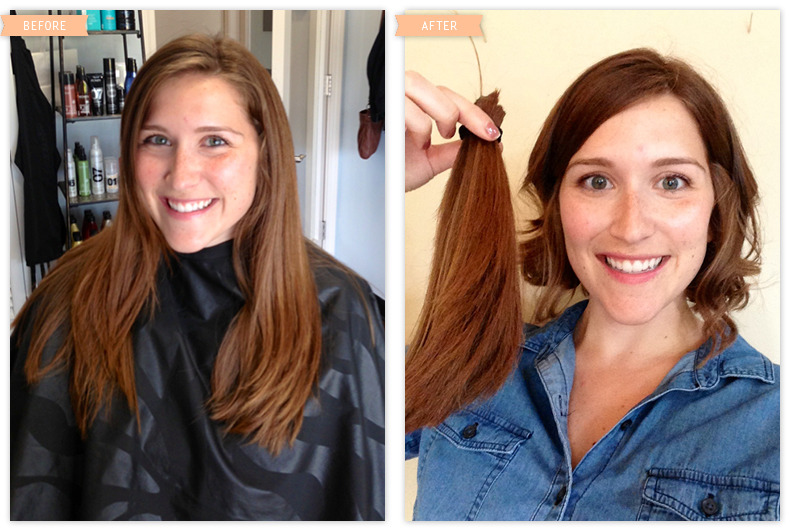
Use clean, dry hair before cutting. Divide hair into small ponytails or braids. Cut above the hair tie to keep hair bundled. Make sure your hair meets the minimum length required. Check the donation center’s rules for exact length. Cutting with purpose keeps hair organized and ready to ship.
Styling Tips Before Donation
Do not use heavy styling products before donating. Avoid oils, gels, or sprays on hair. Style your hair simply to avoid tangles. Brush your hair gently to remove knots. This makes hair easier to handle at the donation center. Keep hair natural and clean for best results.
Packaging And Shipping
Place the cut hair in a clean plastic bag. Seal the bag tightly to avoid moisture. Use a padded envelope or small box for shipping. Include the donation form if required by the organization. Ship your package quickly to keep hair fresh. Proper packaging protects hair during transit.
Credit: www.beautylish.com
Finding Donation Locations
Finding the right place to donate your hair is important for a smooth process. Donation spots have rules on hair length and condition. Knowing where to go helps you prepare and donate with confidence.
Many options exist to donate hair near you or online. Each option has different benefits and requirements. Understanding them will save time and effort.
Local Hair Salons
Some salons accept hair donations directly. They often know the latest donation guidelines. Salons may offer free or discounted cuts for donors. Staff can help measure your hair to ensure it qualifies. Check nearby salons to find those supporting hair donation causes.
Community Drives
Community drives gather hair donations in one place. They happen at schools, churches, and events. Drives usually have volunteers to help cut and collect hair. Joining a drive makes donating easy and social. Watch local news or community boards for upcoming drives.
Online Resources
Websites list donation centers and their rules. Some sites offer mail-in donation kits. Online tools help track your donation status. You can find detailed guides on hair length and care. Use trusted sites to find the best place to donate your hair.
Faqs On Hair Donation Length
Understanding how long your hair must be for donation often raises many questions. This section answers common queries and clarifies special cases. It also offers tips on caring for your hair after donation. Clear answers help you prepare better for your donation journey.
Common Length Questions
Most organizations require a minimum of 8 to 12 inches of hair. Some groups accept shorter lengths, around 6 inches. Hair must be clean, dry, and free of damage. Curly hair should be measured straight from root to tip. Layered hair must have the shortest layer at the minimum length. Colored or treated hair is accepted by some groups, but untreated natural hair is preferred.
Addressing Special Cases
Children’s hair donations often have more flexible length requirements. Gray hair is accepted by certain organizations for wig making. Hair that is bleached or heavily processed might not be usable. Always check each organization’s rules before cutting. Ponytails must be securely tied before cutting to keep hair aligned. Donations from men and women are equally valuable, regardless of style.
After Donation Care
Your hair grows back after donation, so care is important. Use gentle shampoos and conditioners to keep hair healthy. Avoid heat styling tools for a few weeks to prevent damage. Regular trims help maintain hair strength and encourage growth. Staying hydrated and eating well supports hair health. Patience is key; healthy hair regrows steadily over time.
Credit: keepitcut.com
Frequently Asked Questions
What Is The Shortest Hair Length To Donate To?
The shortest hair length accepted for donation is usually 8 to 12 inches. Measure hair straight from the ponytail base to tips. Some organizations accept color-treated or gray hair. Always check specific charity guidelines before donating.
Can I Donate 10 Inches Of Hair?
Yes, you can donate 10 inches of hair. Most organizations require a minimum of 8 to 12 inches for donation. Ensure your hair is clean, dry, and in good condition before cutting. Check specific charity guidelines for exact length and hair type requirements.
Is 7 Inches Of Hair Enough To Donate?
Yes, 7 inches of hair is generally enough to donate. Most charities require a minimum of 8 to 12 inches, but some accept 7 inches. Always check specific organization guidelines before donating.
How Much Hair To Cut Off If You Want To Donate?
Cut at least 8 to 12 inches of hair to donate, depending on charity requirements. Measure hair straight from the ponytail base to tips.
Conclusion
Donating hair requires meeting certain length rules. Most organizations ask for at least 8 to 12 inches. Measure your hair carefully before cutting. Straighten curly hair to get an accurate length. Ensure all layers meet the minimum length needed. Natural, untreated hair often works best.
Some groups accept gray or color-treated hair. Donating hair can make a big difference for others. Your effort helps bring confidence and joy. Remember, a small cut for you means hope for someone else.
As an Amazon Associate, I earn from qualifying purchases.
Lovingshe is a participant in the Amazon Services LLC Associates Program which is an affiliate advertising program designed to provide a means for sites to earn advertising fees by advertising and linking to Amazon.com. Amazon may use cookies to track referrals from our site. Visit Amazon’s privacy policy for details
