


Have you ever wondered how long THC can actually be detected in your hair? If you’re facing a hair follicle drug test or just curious about what happens after cannabis use, understanding how THC stays in your hair follicles is crucial.
Unlike urine or blood tests that detect recent use, hair tests can reveal drug use going back weeks or even months. You’ll discover the key facts about THC detection in hair, what factors influence the timeline, and what you can expect if you’re tested.
Keep reading to get the clear, straightforward answers you need to know about THC and your hair.
Credit: paramountrecoverycenters.com
Thc Detection In Hair Follicles
THC detection in hair follicles offers a longer window to identify cannabis use. Hair follicle tests can reveal drug use weeks or months after consumption. This method analyzes hair strands for traces of THC and its metabolites. It provides a more extended detection period than urine or blood tests. Understanding how THC enters and stays in hair helps explain these results.
How Thc Enters Hair
THC enters hair through the bloodstream after cannabis use. When you consume THC, your body breaks it down into metabolites. These metabolites travel through your blood to hair follicles. Hair follicles absorb these substances during hair growth. This process embeds THC metabolites inside the hair shaft. The amount of THC in hair depends on usage frequency and amount.
Metabolite Storage In Hair
Once inside the hair, THC metabolites bind to the hair’s keratin. Keratin is the protein that makes up your hair structure. These metabolites remain locked in the hair shaft as it grows. Hair grows about half an inch per month, carrying metabolites along. This means hair can show drug use from up to 90 days ago or longer. External factors like washing or shampoo do not remove these metabolites.
Credit: addictionresource.com
Detection Timeframe
Understanding how long THC stays in hair follicles helps prepare for hair drug tests. Hair tests detect THC metabolites deposited in the hair shaft. These tests reveal drug use over a longer time than urine or blood tests. The detection timeframe depends on several factors, including hair growth rate and frequency of use.
Typical Detection Window
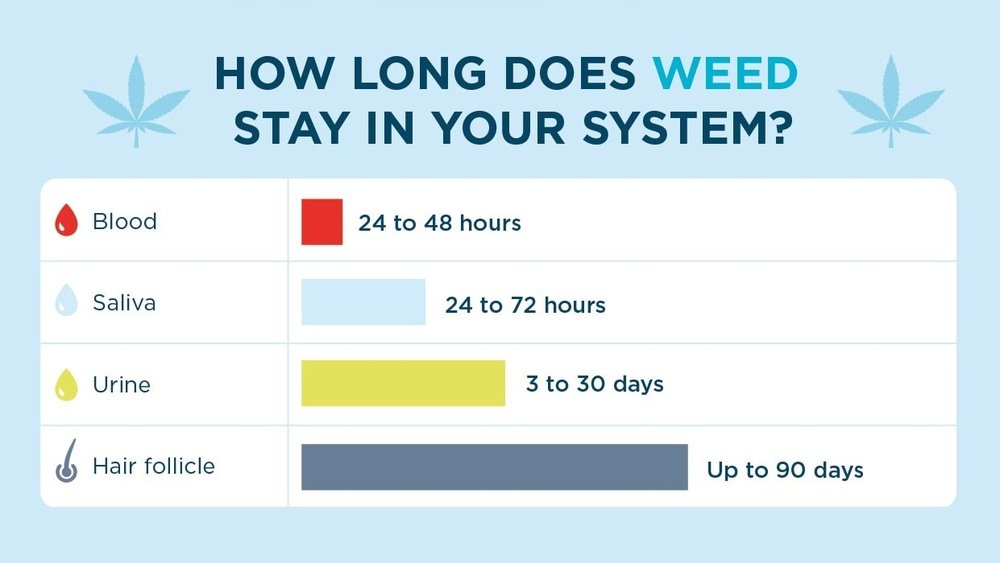
THC can be detected in hair follicles for up to 90 days after use. Hair grows about half an inch per month. Most tests analyze the first 1.5 inches from the scalp. This length represents roughly three months of drug use history. Occasional use may show shorter detection times. Heavy or frequent use often results in longer detection periods.
Factors Affecting Detection Duration
Several factors influence how long THC stays in hair follicles. The amount and frequency of THC consumed is key. More frequent use leads to higher metabolite deposits. Hair color and texture can also affect results. Darker, coarser hair may retain THC longer. Hair treatments like bleaching can reduce detectable THC levels but do not guarantee removal. Individual metabolism and overall health also impact detection time.
Hair Follicle Test Process
The hair follicle test process detects THC use by analyzing hair samples. This test looks for drug metabolites stored in hair. Hair can hold traces of THC for up to 90 days or more. The test involves two main steps: sample collection and laboratory analysis.
Both steps require careful handling to ensure accurate results. The process is precise and difficult to alter. Understanding these steps helps explain how THC stays detectable in hair.
Sample Collection
The technician collects a small hair sample from the scalp. Usually, hair is cut close to the scalp at the crown. About 1.5 inches of hair is needed, representing roughly 90 days of growth.
The sample is placed in a sealed container to avoid contamination. Hair from other body parts may be used if scalp hair is unavailable. Proper labeling and chain of custody protocols are followed to maintain sample integrity.
Laboratory Analysis
In the lab, hair samples undergo a washing process to remove external substances. Then, the hair is dissolved using chemicals to extract drug metabolites. The lab uses sensitive instruments like gas chromatography-mass spectrometry (GC-MS) to identify THC metabolites.
This analysis can detect very small amounts of THC over a long period. Results are reviewed carefully to confirm accuracy. The entire process ensures reliable detection of drug use through hair samples.
Accuracy And Limitations
Hair follicle tests for THC offer a long detection window. They can detect use up to 90 days after consumption. Despite this advantage, these tests have accuracy limits. Understanding these limitations helps interpret results better. Several factors may affect the reliability of hair drug tests. The biology of hair growth and external contamination are key concerns. The testing process is complex and can lead to errors. These errors include both false positives and false negatives. Comparing hair tests with other drug tests shows different strengths and weaknesses.
False Positives And Negatives
False positives happen when the test shows THC use but none occurred. Environmental exposure to cannabis smoke or contamination may cause this. Some hair treatments can also affect results. False negatives occur if THC use goes undetected. This may happen if drug levels in hair are below the test’s threshold. Very recent use might not show because hair needs time to grow. Uneven hair growth and sample collection errors also contribute. Laboratories follow strict protocols to reduce these risks.
Comparison With Other Tests
Hair tests detect THC much longer than urine or blood tests. Urine tests find recent use within days to weeks. Blood tests detect THC only for hours to days. Saliva tests catch very recent use but have short windows. Hair tests provide a broader timeline but miss very recent consumption. They cannot show exact timing or frequency of use. Each test type serves different purposes in drug detection. Choosing the right test depends on the situation and goals.
Influencing Factors
Several factors influence how long THC stays in your hair follicles. These factors affect detection times and test results. Understanding them helps clarify why detection varies among people.
THC stores in hair through the bloodstream after use. The amount and frequency of use play a major role. Other factors like hair type and metabolism also impact detection.
Frequency And Amount Of Use
Frequent users often have more THC stored in their hair. Larger amounts consumed increase THC levels in the bloodstream. This leads to higher deposits in hair follicles. Occasional users may have lower levels, making detection harder. Regular heavy use can result in a longer detection window.
Hair Type And Growth Rate
Hair texture affects how THC binds to hair strands. Coarse or curly hair might retain more THC than fine hair. Hair growth rate also matters. Faster growth can push out THC-containing hair sooner. Slow-growing hair keeps THC longer, extending detection time. Hair color has minor effects but is less significant.
Metabolism And Health
Metabolism speed influences how quickly the body processes THC. A fast metabolism may reduce THC levels in blood faster. This lowers the amount deposited into hair. Health conditions can affect metabolism and hair health. Poor health might slow THC clearance, increasing detection time. Hydration and diet also play small roles in metabolism.

Credit: www.castlecraig.co.uk
Common Myths
Many people believe myths about how to remove THC from hair follicles. These ideas often come from wishful thinking, not science. Understanding common myths can help you avoid false hopes and prepare better for hair drug tests.
Detox Shampoos And Treatments
Detox shampoos claim to clean THC from hair quickly. These products promise to remove drug traces in one wash. Science shows they do not fully remove THC metabolites. THC binds deep inside the hair cortex. Shampoos mostly clean the hair surface only. Tests can still detect THC even after using detox shampoos. Relying on these shampoos can be risky and ineffective.
Bleaching And Hair Dye Effects
Bleaching or dyeing hair might reduce THC levels slightly. Chemicals can damage hair structure and remove some drug traces. The effect is not strong enough to pass a hair drug test. Laboratories test hair samples carefully for any chemical treatment. Hair dye or bleach does not guarantee a negative test result. Cutting hair remains the only sure way to remove THC from follicles.
Passing The Test
Passing a hair follicle test for THC can be challenging. The test looks for drug metabolites trapped in hair strands. These metabolites stay for a long time, making detection possible weeks after use. Understanding how to pass the test is important for those facing it.
Hair follicle tests are very accurate. They detect THC use up to 90 days or more. Once THC enters the hair, it stays until that part of the hair is cut off. This makes passing the test tricky without proper preparation.
Abstinence Period
Stopping THC use early is the most reliable way to pass the test. Hair grows about half an inch each month. Usually, labs test 1.5 inches of hair closest to the scalp. This means THC use within the last 90 days can show up.
Quitting THC at least three months before the test gives the best chance of passing. The old, contaminated hair will grow out and be cut off. Patience is key. No quick fix beats time and abstinence.
Unreliable Methods To Bypass Detection
Many try shampoos or special treatments to remove THC from hair. These products often claim to clean the hair deeply. Unfortunately, they rarely work as promised.
Bleaching or dyeing hair also does not guarantee a clean test. THC metabolites are inside the hair shaft, not just on the surface. External treatments cannot fully erase drug traces.
Some use home remedies or commercial kits. Labs have advanced methods to detect these attempts. These methods can even raise suspicion and cause test failure.
Legal And Employment Implications
Understanding the legal and employment implications of THC in hair follicles is important. Hair follicle tests can detect THC use long after the last consumption. This detection can affect job opportunities and legal situations. Employers and legal authorities use these tests to check for past drug use. The results can influence hiring decisions, workplace policies, and legal outcomes. Awareness of these factors helps individuals navigate the consequences of THC presence in hair samples.
Use In Workplace Screening
Many employers use hair follicle tests to screen employees. These tests detect drug use over a period of up to 90 days. They provide a longer detection window than urine or blood tests. Employers may require these tests before hiring or during employment. A positive result can lead to job denial or termination. Some workplaces have strict drug-free policies, especially in safety-sensitive roles. Hair tests help maintain a drug-free environment and ensure employee safety.
Privacy And Consent Issues
Hair drug testing raises privacy concerns for employees. Some states have laws protecting workers’ rights regarding drug tests. Employers must often obtain consent before collecting hair samples. Testing without permission can lead to legal challenges. Employees may worry about how test results are used or shared. Clear communication about testing policies helps protect privacy. Understanding rights and responsibilities is key to fair testing practices.
Alternatives To Hair Testing
Hair testing for THC can detect drug use over a long period. Some people seek other options that provide quicker results or different detection windows. Various tests exist that check for THC in different parts of the body. These alternatives often suit different needs and situations better than hair tests.
Urine Tests
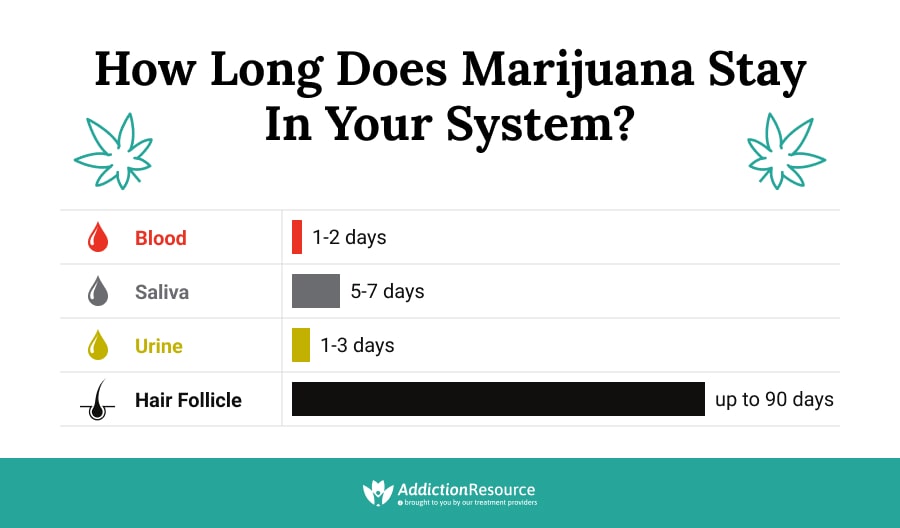
Urine tests are the most common drug tests. They detect THC metabolites that the body excretes after use. The detection window for urine tests is shorter than hair tests. Typically, THC can be found in urine for 3 to 30 days. The exact time depends on how often a person uses THC. Urine tests are less expensive and provide quick results. They are widely accepted for workplace drug screening.
Blood And Saliva Tests
Blood tests measure active THC in the bloodstream. They show very recent use, often within hours to a few days. Blood tests are more invasive and costly than urine tests. Saliva tests detect THC in the mouth fluid. They can find THC use within the past 24 to 72 hours. Saliva tests are easy to administer and less invasive. Both tests are useful for detecting recent or current intoxication.
Frequently Asked Questions
How Long Does It Take To Get Thc Out Of Hair Follicles?
THC stays in hair follicles up to 90 days after use. Metabolites embed in hair and require hair growth to clear.
Can You Pass A Hair Follicle Test In 30 Days?
Passing a hair follicle test in 30 days is unlikely. THC stays in hair up to 90 days. Only abstinence and time ensure a clean result.
Can A Hair Follicle Test Detect One Time Thc Use?
A hair follicle test can detect one-time THC use. THC metabolites enter hair via blood and remain up to 90 days.
How Long Can You Test Positive For Thc?
THC can test positive in urine for 3-30 days, depending on usage. Hair tests detect THC up to 90 days. Blood tests show THC for 1-7 days. Detection varies with frequency, metabolism, and test type.
Conclusion
THC can stay in hair follicles for up to 90 days. Hair tests detect drug use over a long period. Regular or heavy use increases detection chances. Short-term use may be harder to detect. No shampoo or treatment can remove THC reliably.
The best way to pass is to stop using cannabis. Understanding this helps you prepare for hair drug tests. Stay informed and plan accordingly for testing situations.
As an Amazon Associate, I earn from qualifying purchases.
Lovingshe is a participant in the Amazon Services LLC Associates Program which is an affiliate advertising program designed to provide a means for sites to earn advertising fees by advertising and linking to Amazon.com. Amazon may use cookies to track referrals from our site. Visit Amazon’s privacy policy for details
