


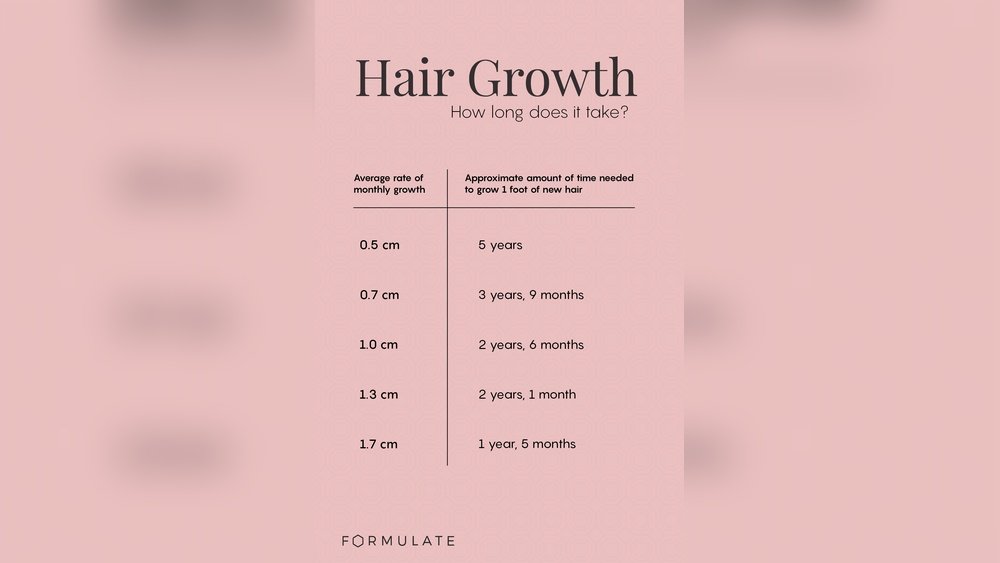
Losing hair can feel frustrating, and you’re probably wondering, “How long does it take for hair to grow back?” Whether you’ve experienced a haircut mishap, hair thinning, or even hair loss, understanding the timeline and factors behind hair regrowth can give you hope and control. The truth is, hair growth isn’t the same for everyone—it depends on your diet, health, hair care routine, and even stress levels.
You’ll discover what affects your hair’s return, simple ways to support faster growth, and practical tips to keep your hair strong and healthy. Keep reading—you’re closer than you think to bringing your hair back to life.

Credit: www.healthline.com
Hair Growth Cycle
The hair growth cycle is a natural process that controls how hair grows, rests, and falls out. Each hair follicle goes through three main stages. These stages determine the length and health of your hair over time.
Understanding the hair growth cycle helps explain why hair grows back at different speeds. It also reveals why hair loss can happen and how long it takes to see new growth after shedding.
Anagen Phase
The anagen phase is the active growth stage. Hair cells divide rapidly, pushing the hair shaft upward. This phase lasts between two and seven years. The longer the anagen phase, the longer the hair can grow.
During this time, hair grows about half an inch every month. About 85% to 90% of the hair on your scalp is in this phase at any moment. The anagen phase is crucial for thick, long hair.
Catagen Phase
The catagen phase is a short transitional stage lasting two to three weeks. Hair growth stops, and the follicle shrinks. The hair detaches from the blood supply but stays in place.
This phase prepares the hair to enter the resting stage. Only about 1% to 2% of your hair is in the catagen phase at a time. It is a brief pause before shedding occurs.
Telogen Phase
The telogen phase is the resting or shedding phase. It lasts about two to four months. Hair follicles remain inactive, and old hairs fall out naturally.
At the end of this phase, new hair starts growing and pushes out the old hair. Around 10% to 15% of hair is in telogen phase at once. This phase helps renew your hair regularly.
Average Growth Rates
Understanding average hair growth rates helps set realistic expectations. Hair usually grows in cycles, with each strand growing for a few years before resting and shedding. Growth speed varies from person to person but tends to follow general patterns.
Monthly Growth Expectations
On average, hair grows about half an inch per month. This means roughly six inches in a year. Some may see slightly faster or slower growth, but half an inch is a good benchmark. Factors like age and genetics can cause small differences in growth speed.
Factors Influencing Speed
Many elements affect how quickly hair grows. Genetics play a major role, determining your natural growth rate. Nutrition matters; protein and vitamins support healthy growth. Stress and illness can slow it down. Scalp health also impacts growth, with clean and moisturized skin helping hair grow well.
Genetics And Hormones
Hair growth speed varies greatly among individuals. Two main factors shape this difference: genetics and hormones. These elements influence how fast hair grows and how thick it becomes over time. Understanding these factors helps explain why some people see quicker regrowth than others.
Inherited Traits
Genes passed from parents affect hair growth patterns. They determine the hair’s natural growth cycle length. Some people have longer growth phases, resulting in faster and thicker hair. Others may inherit shorter cycles, leading to slower growth. Genetic traits also influence hair texture and density. These inherited features set the baseline for hair regrowth speed.
Hormonal Impact On Growth
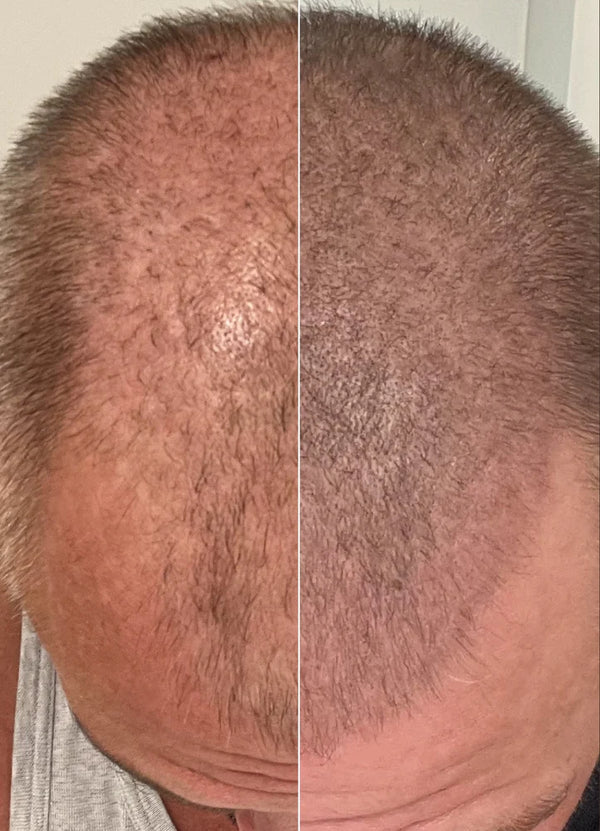
Hormones play a key role in hair growth regulation. Androgens, such as testosterone, affect hair follicle activity. Changes in hormone levels can speed up or slow down hair growth. For example, high androgen levels may cause hair thinning in some areas. Hormonal shifts during puberty, pregnancy, or menopause also impact growth rates. Balancing hormones helps maintain healthy hair cycles and supports regrowth.
Credit: cphgrooming.com
Diet And Supplements
Diet and supplements play a vital role in how fast your hair grows back. Hair needs nutrients to stay strong and grow healthy. Eating the right foods and taking certain vitamins can support hair growth. Drinking enough water also helps keep hair hydrated and vibrant. Below are key nutrients and supplements that boost hair regrowth.
Protein Sources
Hair is mostly made of a protein called keratin. Eating enough protein helps make new hair cells. Good protein sources include eggs, fish, beans, and lean meats. Plant-based options like lentils and tofu work well too. Protein supports hair strength and reduces breakage.
Essential Minerals
Minerals like iron and zinc are crucial for hair health. Iron helps carry oxygen to hair follicles. Foods rich in iron include spinach, red meat, and lentils. Zinc supports hair growth and repair. You can find zinc in shellfish, nuts, and seeds. Deficiency in these minerals can slow hair regrowth.
Hydration Importance
Water keeps your hair hydrated from inside out. Dehydration makes hair dry and brittle. Drinking plenty of water improves hair texture and shine. Aim for at least eight glasses of water daily. Hydrated hair breaks less and grows healthier.
Biotin And Vitamins
Biotin is a popular vitamin for hair growth. It helps produce keratin and strengthens hair strands. You can get biotin from eggs, nuts, and whole grains. Vitamins A, C, D, and E also support hair health. They protect hair follicles and improve scalp circulation. Taking a daily multivitamin may cover these needs.
Hair Care Practices
Proper hair care supports healthy hair growth and reduces damage. It helps maintain hair strength and shine. Simple changes in daily routines can make a big difference. Healthy habits protect hair from breakage and split ends. Below are key practices to keep your hair growing well and looking great.
Minimizing Heat And Chemicals
Heat styling tools cause dryness and weaken hair strands. Avoid frequent use of blow dryers, straighteners, and curling irons. Harsh chemical treatments like bleaching and strong dyes damage hair. Choose gentle, natural hair color options or skip chemical treatments. Let hair air dry when possible to reduce heat exposure.
Gentle Handling Tips
Wet hair is fragile and breaks easily. Use a wide-tooth comb or fingers to detangle. Avoid tight hair ties that pull and cause breakage. Sleep on silk or satin pillowcases to reduce friction. Handle hair softly during washing and styling to prevent damage.
Regular Trims Benefits
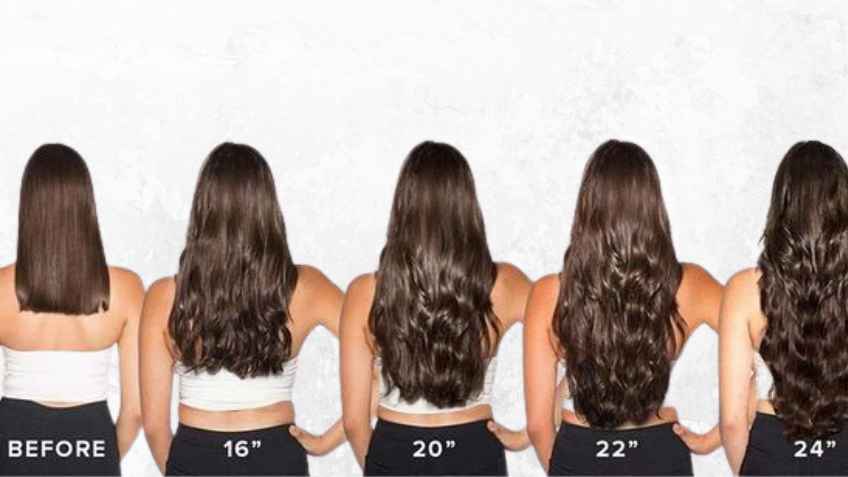
Trimming hair every 6 to 8 weeks removes split ends. Split ends travel up the hair shaft causing more damage. Regular trims keep hair looking healthy and prevent breakage. They do not affect hair growth speed but improve hair appearance.
Using Hair Masks And Oils
Hair masks provide deep moisture and repair damaged strands. Use masks once a week for best results. Natural oils like coconut, argan, and rosemary nourish hair and scalp. Oils add shine and protect hair from environmental stress. Apply oils gently and avoid heavy use that can weigh hair down.
Credit: www.cliphair.com
Lifestyle Factors
Lifestyle plays a vital role in how fast hair grows back. Daily habits impact hair health and growth cycles. Simple changes can support stronger, faster hair growth. Focus on what you can control in your routine.
Managing Stress Levels
Stress affects the body’s ability to grow hair. High stress can cause hair to enter the resting phase early. This leads to hair shedding and slower regrowth. Practice relaxation techniques like deep breathing or light exercise. Keeping stress low helps hair follicles stay active and healthy.
Choosing Quality Products
Select hair care products that nourish your scalp and hair. Use shampoos and conditioners with mild ingredients. Avoid harsh chemicals that can damage hair roots. Products with caffeine or keratin can boost hair strength. Regular use of quality products creates a better environment for hair growth.
Sleep And Scalp Health
Good sleep supports overall body repair, including hair growth. Aim for seven to eight hours of sleep each night. Poor sleep disrupts hormone balance and slows hair regeneration. Keep your scalp clean and moisturized to prevent dryness and irritation. Healthy scalp conditions encourage faster hair growth.
Medical Treatments
Medical treatments offer effective ways to support hair regrowth. These treatments target hair follicles to stimulate growth and improve hair health. Results vary depending on the method and individual response. Consistency in using these treatments is essential for visible progress.
Minoxidil Application
Minoxidil is a popular topical solution for hair loss. It works by increasing blood flow to hair follicles. This stimulation helps hair grow faster and thicker. Most users see results within 3 to 6 months. Applying minoxidil twice daily is common for best effects. Side effects are rare but may include scalp irritation.
Prp And Gfc Therapies
Platelet-rich plasma (PRP) and growth factor concentrate (GFC) therapies use your blood to boost hair growth. Doctors extract blood, process it, and inject it into the scalp. These treatments encourage natural healing and hair follicle activity. Patients usually need several sessions spaced weeks apart. Noticeable hair regrowth can take 3 to 4 months.
Consulting Professionals
Seeking advice from a dermatologist or trichologist ensures the right treatment plan. Professionals diagnose the cause of hair loss accurately. They recommend treatments based on your specific condition and hair type. Regular check-ups help track progress and adjust therapies. Early consultation improves chances of faster hair regrowth.
Scalp Care Strategies
Scalp care plays a vital role in how fast hair grows back. A healthy scalp creates the perfect environment for hair follicles to thrive. Taking good care of the scalp improves blood flow and keeps hair roots strong.
Simple scalp care steps can boost hair growth naturally. These include regular cleaning, gentle massages, and proper moisturizing. Each step supports scalp health and encourages hair to grow thicker and faster.
Scalp Massage Benefits
Massaging the scalp increases blood circulation. Better blood flow brings more nutrients to hair follicles. This helps hair grow faster and stronger. Massages also relax the scalp, reducing stress that can cause hair loss. Use gentle, circular motions with your fingertips for a few minutes daily.
Keeping Scalp Clean
A clean scalp prevents clogged pores and dandruff. Dirt and oil buildup can block hair follicles, slowing growth. Wash your scalp regularly with a mild shampoo. Avoid harsh chemicals that dry out the skin. Clean scalp means healthier roots and better hair growth.
Moisturizing Techniques
Dry scalp can lead to itching and hair breakage. Moisturizing keeps the scalp soft and hydrated. Use natural oils like coconut or jojoba oil. Apply a small amount and gently massage it in. Moisturized scalp supports strong hair strands and reduces flakiness.
Natural Remedies
Natural remedies can support hair growth gently and safely. These methods use common ingredients that improve scalp health and stimulate follicles.
Patience is important. Natural treatments work over time by nourishing hair roots and reducing damage.
Caffeine Effects
Caffeine can boost hair growth by stimulating hair follicles. It improves blood flow to the scalp, helping nutrients reach hair roots.
Many shampoos include caffeine to support hair strength. Regular use may slow hair loss and encourage new growth.
Herbal Treatments
Herbs like rosemary, peppermint, and ginseng help improve scalp health. They increase circulation and reduce inflammation.
Applying herbal oils or rinses can nourish hair and reduce breakage. These plants contain antioxidants that protect hair follicles.
Home Remedies
Simple home remedies include aloe vera, onion juice, and coconut oil. Aloe vera soothes the scalp and reduces dandruff.
Onion juice contains sulfur, which may boost collagen production and hair regrowth. Coconut oil adds moisture and prevents damage.
Common Myths And Facts
Many ideas about hair growth mix facts with myths. These myths cause confusion about how hair grows and what affects it. Clearing up these myths helps understand real hair growth better. Below are common myths and facts that explain hair growth clearly.
Can Hair Grow Faster Than Half An Inch?
Hair usually grows about half an inch each month. This is a natural speed set by your body. Some people believe certain tricks can speed up hair growth beyond this. Science shows that growth faster than half an inch per month is rare. Good diet and care keep hair healthy but do not speed growth drastically.
Misconceptions About Trimming
Many say trimming hair makes it grow faster. Trimming cuts off split ends and keeps hair looking neat. It does not change the growth speed from the scalp. Healthy ends prevent breakage, making hair seem longer over time. Trims help maintain hair health but do not affect how fast hair grows.
Reality Of Hair Growth Products
Hair growth products claim to boost growth quickly. Most shampoos and oils help hair look healthier and stronger. Few products can actually speed hair growth. Treatments like minoxidil may help but need time and regular use. Always check for scientific proof before trusting growth claims.
Frequently Asked Questions
How Can I Speed Up Hair Growth?
Eat protein-rich foods and stay hydrated. Avoid heat and harsh chemicals. Massage your scalp regularly. Manage stress and use gentle hair care products. Trim split ends often to prevent breakage. Consistency in these habits promotes faster, healthier hair growth.
Can Hair Grow 2 Inches In A Month?
Hair typically grows about half an inch (1. 25 cm) per month. Growing 2 inches monthly is rare and unlikely naturally. Genetics, diet, and hair care affect growth rate. Consistent healthy habits support optimal growth but cannot safely double the average rate.
What Is The Big 3 For Hair Loss?
The Big 3 for hair loss are Minoxidil, Finasteride, and Ketoconazole. They effectively reduce hair thinning and promote regrowth.
Does Hair Grow Back In 2 Weeks?
Hair typically grows about half an inch per month. It does not fully regrow in two weeks. Growth speed varies by genetics, health, and care.
Conclusion
Hair grows back at different speeds for everyone. Many factors affect growth, like age, diet, and stress. Eating well and caring gently for your hair helps it stay strong. Avoid harsh chemicals and heat to prevent damage. Regular trims keep hair healthy and reduce breakage.
Staying patient and consistent with good habits supports steady growth. Remember, healthy hair starts from inside your body. Small daily steps make a big difference over time. Keep caring, and your hair will grow back naturally.
As an Amazon Associate, I earn from qualifying purchases.
Lovingshe is a participant in the Amazon Services LLC Associates Program which is an affiliate advertising program designed to provide a means for sites to earn advertising fees by advertising and linking to Amazon.com. Amazon may use cookies to track referrals from our site. Visit Amazon’s privacy policy for details
