


Wondering how long it really takes for your hair to dry? Whether you’re rushing to get out the door or just want to know the best way to care for your locks, drying time can feel like a mystery.
Your hair type, thickness, and even the products you use all play a big role in how quickly your hair dries. But what if you could cut down that wait without causing damage? You’ll discover exactly what influences drying time and simple tricks to speed up the process.
Keep reading to unlock the secrets to fast, healthy hair drying that works for you.

Credit: www.youtube.com
Factors Affecting Drying Time
Several factors influence how long it takes for hair to dry. Understanding these helps set realistic expectations and improve drying methods. Hair drying time varies greatly from person to person due to these key elements.
Hair Length And Thickness
Long hair holds more water, so it takes longer to dry. Thick hair has more strands absorbing moisture, extending drying time. Short, thin hair dries faster because less water is trapped within.
Hair Texture And Porosity
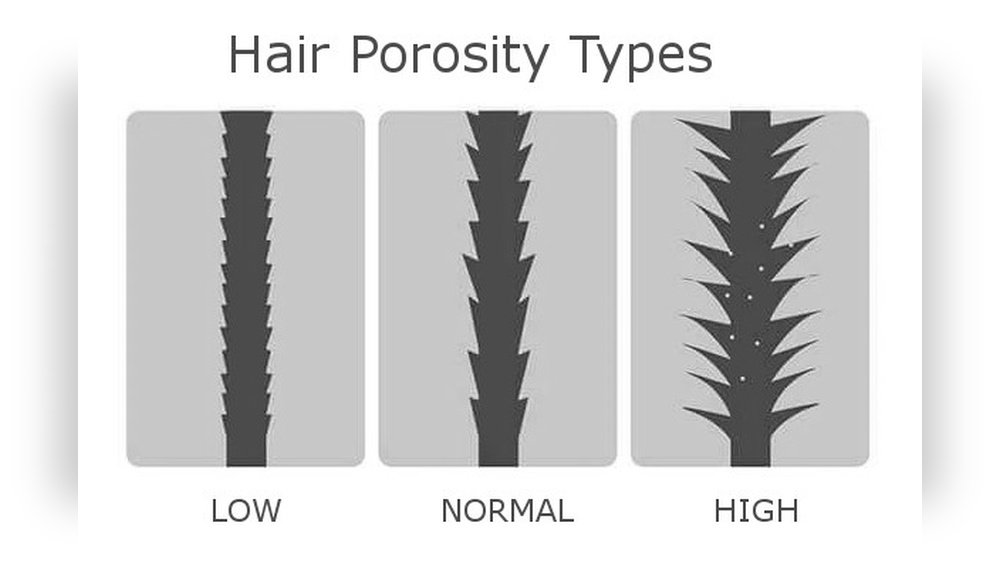
Curly hair often takes longer to dry than straight hair. Curly strands trap water between curls. Hair porosity affects drying too. High porosity hair absorbs water quickly but dries fast. Low porosity hair repels water and takes more time to dry.
Environmental Conditions
Humidity slows down drying by adding moisture to the air. Dry, warm weather speeds up evaporation of water from hair. Wind also helps remove water faster by increasing air flow around the hair.
Hair Health And Condition
Damaged hair absorbs water differently than healthy hair. Split ends or frizz can hold moisture longer. Well-moisturized hair dries more evenly. Using conditioners can affect drying time by coating strands and reducing water absorption.
Air Drying Basics
Air drying is a natural way to let your hair dry without heat. It keeps hair healthier and reduces damage. The time it takes depends on hair type, length, and thickness. You can control how fast your hair dries with some simple tricks. Understanding air drying helps you plan your hair care routine better.
Patience is key. Air drying works best when you start with less water in your hair. Blot your hair gently with a towel to remove extra moisture. Avoid rubbing, which can cause frizz and breakage. Letting your hair dry on its own saves time and effort later.
Average Air Drying Times
Fine hair usually dries faster, often within 30 to 60 minutes. Thick or curly hair can take 1 to 3 hours or more. Long hair tends to take longer than short hair. Environmental factors like humidity and wind affect drying time. Cooler or humid days slow down the process. Warm, dry days help hair dry faster.
Tips To Speed Up Air Drying
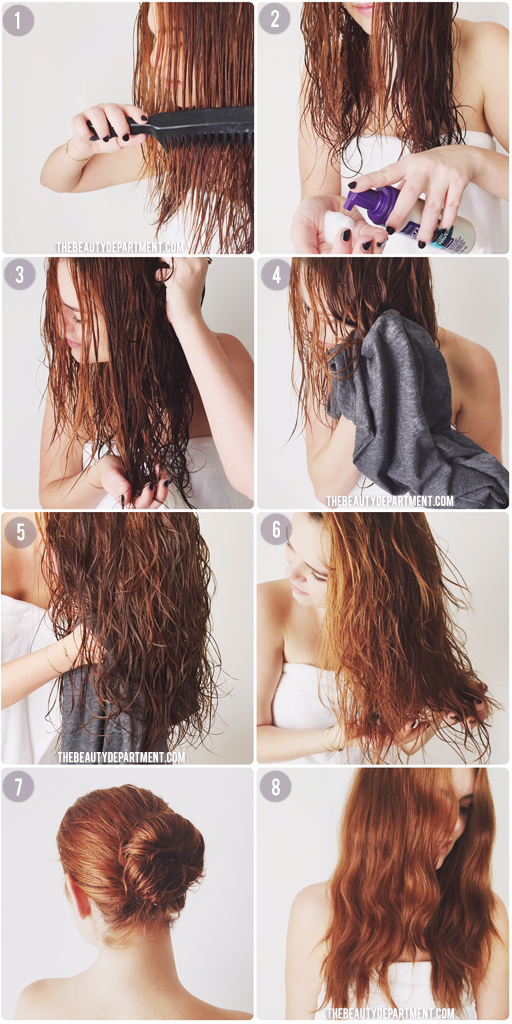
Start by gently squeezing out water with a microfiber towel or soft T-shirt. Avoid rubbing hair roughly. Divide hair into sections to allow air to reach all parts. Use a wide-tooth comb to detangle and let air flow freely. Standing in front of a fan or near an open window helps. Flip your head upside down to speed up drying at the roots.
Products To Enhance Air Drying
Lightweight leave-in conditioners add moisture without weighing hair down. Anti-frizz serums smooth hair and reduce drying time. Styling creams designed for air drying help define curls and waves. Avoid heavy oils or thick products that slow drying. Look for products labeled “quick-dry” or “air dry friendly” to improve results.
Towel Drying Techniques
Towel drying is an important step in reducing the time hair takes to dry naturally or before using heat tools. Using the right towel and technique helps remove water gently. It also minimizes damage and frizz. Simple changes in how you dry your hair with a towel can protect your strands and improve hair health.
Choosing The Right Towel
Select towels made from soft, absorbent materials like microfiber. These towels soak up water quickly without roughening the hair cuticle. Avoid regular cotton towels that can cause friction and breakage. A smooth fabric reduces hair pulling and keeps strands smoother. Using an old, clean T-shirt is also a good option for gentle drying.
Proper Blotting Methods
Blot hair gently instead of rubbing. Press the towel lightly against your hair to absorb excess water. Rubbing or twisting hair can weaken strands and lead to frizz. Work from roots to ends in small sections. Repeat blotting until hair feels damp but not dripping. This method reduces drying time and prevents damage.
Avoiding Frizz And Damage
Rough towel drying can raise hair cuticles and cause frizz. Use light pressure and avoid harsh movements. Wrapping hair in a towel too tightly can stress follicles and cause breakage. Let hair breathe by leaving it loose or using a loose wrap. Choose towels that do not create static to keep hair smooth and healthy.
Credit: thebeautydepartment.com
Blow Drying Tips
Blow drying hair can be quick and effective with the right approach. It reduces drying time and prevents damage. Small changes in technique make a big difference in results. Follow these tips for faster, smoother drying.
Best Tools And Products
Choose a blow dryer with high wattage and ionic technology. It dries hair faster and reduces frizz. Use a nozzle attachment to focus airflow. Apply a heat protectant spray before drying. Speed dry sprays or mousse help cut drying time. Brushes with vents or round shapes work well for styling.
Sectioning Hair For Efficiency
Divide hair into small sections before drying. It allows heat to reach all areas evenly. Clips can hold sections out of the way. Dry one section at a time to save effort. This method speeds up drying and improves control.
Correct Nozzle Direction
Always point the nozzle down toward the hair strands. This reduces frizz and smooths the cuticle. Avoid blowing air directly at the scalp. A downward direction helps hair lie flat and look shiny.
Focusing On Roots First
Start drying at the roots to remove moisture quickly. Roots hold the most water and take longer to dry. After roots, move to mid-lengths and ends. This order helps your hair dry evenly and faster.
Quick Drying Methods Without Heat
Drying hair without heat saves time and protects strands from damage. Several quick methods speed up drying naturally. These techniques keep hair healthy and reduce frizz. They fit easily into daily routines.
Using Mousse And Serums
Mousse adds volume and helps water evaporate faster. Apply a small amount on damp hair. It creates light layers that let air pass through.
Serums smooth the hair surface and repel excess moisture. Choose lightweight formulas to avoid heaviness. This combination helps hair dry quicker and look shiny.
Plopping Technique
Plopping uses a soft towel or T-shirt to wrap hair. After washing, gently scrunch hair and place it on the cloth. Wrap the fabric around the head and secure it.
This method absorbs water without rough rubbing. It keeps curls defined and reduces drying time by trapping moisture close to the scalp.
Shaking And Air Circulation
Shaking hair while drying helps water droplets fall away. Flip your head and shake gently to loosen strands. This action lets air reach all parts of the hair.
Good air circulation speeds evaporation. Stand near an open window or use a fan. Moving air dries hair faster without heat damage.

Credit: www.samvilla.com
Impact Of Hair Health On Drying
Hair health plays a big role in how fast it dries. Healthy hair holds moisture differently than damaged hair. This changes the drying time a lot. Understanding this impact helps you care for your hair better. It also helps you choose the right drying method.
Hair that is healthy keeps the right amount of moisture inside. It does not soak up too much water or lose it too fast. This balance slows down the drying process. On the other hand, damaged hair often dries quicker but feels dry and rough.
Why Healthy Hair Dries Slower
Healthy hair has a smooth outer layer called the cuticle. This layer locks in moisture and stops water from escaping quickly. Because of this, water takes longer to leave the hair.
When hair is damaged, the cuticle is broken. This causes water to evaporate faster. The hair dries quickly but loses natural oils. The result is dry, brittle hair that breaks easily.
Maintaining Hair Moisture Balance
Keeping hair healthy means keeping moisture balanced. Use gentle shampoos that do not strip oils. Condition regularly to add moisture back.
Limit heat styling tools that dry out hair. Protect hair from sun and harsh weather. Drink plenty of water to hydrate from inside.
Balanced moisture makes hair soft and strong. It also means hair will dry at a steady, healthy pace.
Frequently Asked Questions
How Can You Dry Your Hair Faster?
Blot hair gently with a microfiber towel or T-shirt to remove water. Use a blow dryer with a vented brush, pointing nozzle down. Apply speed dry sprays or mousse. Work in small sections and focus heat on roots for faster drying.
Does Healthy Hair Dry Fast Or Slowly?
Healthy hair usually dries faster because its cuticles lie flat, allowing moisture to evaporate quickly. Damaged or porous hair holds water longer and dries slowly.
What Is Considered Fast Drying Hair?
Fast drying hair typically dries within 10 to 20 minutes after washing. It absorbs less water and loses moisture quickly. Hair texture, thickness, and environmental factors affect drying speed. Thin, straight hair usually dries faster than thick, curly hair.
What Hair Type Is Rarest?
The rarest hair type is natural red hair, found in only 1-2% of the global population. It features unique genetics and pigmentation.
Conclusion
Hair drying time depends on hair type, thickness, and method used. Using a microfiber towel or gentle blotting helps reduce moisture fast. Blow drying with the right tools and techniques speeds up the process significantly. Air drying takes longer but is gentler on hair.
Choosing the best method fits your hair needs and daily routine. Experiment to find what works best for you. Patience is key for healthy, dry hair every time.
As an Amazon Associate, I earn from qualifying purchases.
Lovingshe is a participant in the Amazon Services LLC Associates Program which is an affiliate advertising program designed to provide a means for sites to earn advertising fees by advertising and linking to Amazon.com. Amazon may use cookies to track referrals from our site. Visit Amazon’s privacy policy for details
