


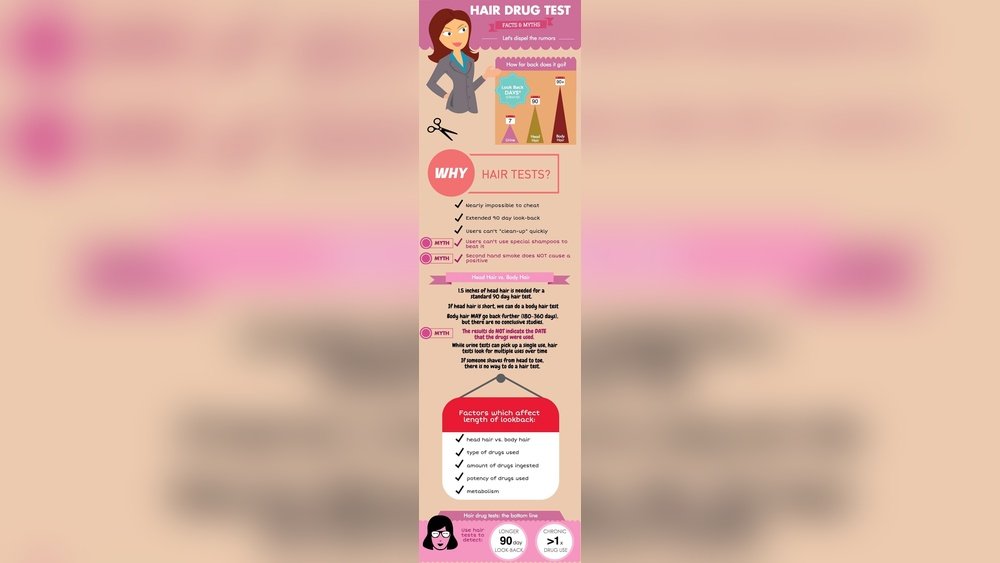
Have you ever wondered how far back a hair follicle test can reveal your drug use? If you’re facing a hair drug test or just curious about how these tests work, knowing the detection window is crucial.
Unlike urine or blood tests that show recent use, hair follicle tests can trace drug use over a much longer period. But exactly how long does this test go back? Understanding this can help you grasp what the test reveals about your past habits and what factors might affect the results.
Keep reading to uncover everything you need to know about the timeline of hair follicle testing and how it impacts you.
Detection Window Of Hair Tests
Hair follicle tests detect drug use by analyzing hair strands. They reveal drug intake over a long period. This method offers a wider detection window than urine or blood tests. Understanding how long the test can detect substances helps prepare for testing situations.
Typical Timeframe Covered
Hair follicle tests usually detect drug use up to 90 days. This is because hair grows about half an inch per month. Labs test the first 1.5 inches of hair from the scalp. This length represents roughly three months of growth. Some tests can analyze longer hair for an extended window.
Factors Influencing Detection Period
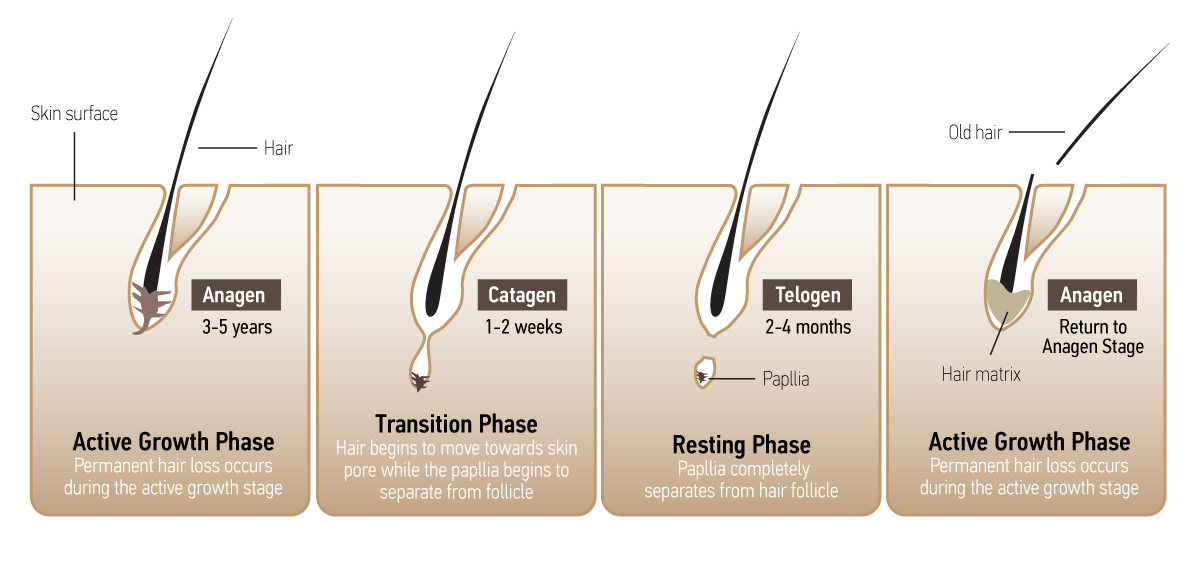
The detection window can vary based on several factors. Hair growth rate differs from person to person. Drug type and amount also affect how long it stays in hair. Frequency of drug use matters too; regular use shows longer detection. Hair treatments like dyeing or bleaching may reduce detection accuracy. External contamination from smoke or environment can cause false positives. Hair color plays a role; darker hair may hold more drug traces.
Credit: www.dnalegal.com
Drugs Detected In Hair
Hair follicle tests can detect drug use by analyzing a small sample of hair. These tests reveal past drug consumption over several months. Drugs enter the hair follicle through the bloodstream and remain trapped as hair grows. This method offers a longer detection window than urine or blood tests. Different drugs show up in hair samples depending on their chemical properties and usage patterns.
Common Substances Identified
Hair follicle tests commonly detect drugs like marijuana, cocaine, and amphetamines. Opiates such as heroin and morphine also appear in hair samples. Prescription drugs like benzodiazepines can be found too. Some tests detect methamphetamine and ecstasy. These substances leave unique markers in the hair shaft. Testing can identify both occasional and chronic use, though heavy use is easier to detect.
Longest Retained Drugs
Cocaine stays in hair for up to 90 days or longer. It binds strongly to hair proteins, making it easier to find. Methamphetamine also remains detectable for several months. Opiates can linger in hair for three months or more. Marijuana, especially with frequent use, shows up in hair samples for about 90 days. Hair tests rarely detect drugs used just once or twice in this period.
How Hair Testing Works
Hair follicle testing detects drug use by analyzing hair strands. This method provides a longer detection window than urine or blood tests. Drugs enter the bloodstream and get deposited in hair follicles as hair grows. Testing reveals drug use from weeks to months prior.
Understanding how hair testing works involves two main parts. First, the sample collection process. Second, the laboratory analysis steps. Each step ensures accurate and reliable results for detecting drug use over time.
Sample Collection Process
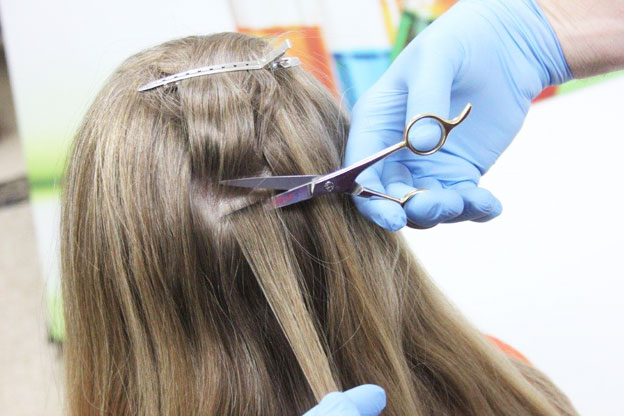
Technicians collect a small hair sample close to the scalp. Usually, they cut about 1.5 inches of hair from the crown area. This length represents roughly 90 days of hair growth. The hair must be clean and free of external contaminants.
Samples are placed in a sealed envelope or container. Chain of custody forms track the sample for security. This prevents tampering or mix-ups before laboratory testing.
Laboratory Analysis Steps
In the lab, the hair sample undergoes washing. This removes external substances like dirt or smoke. The cleaned hair is then cut into small pieces or ground into powder.
Next, chemicals extract drug molecules from the hair. These extracts undergo testing using advanced instruments. Techniques like gas chromatography and mass spectrometry identify specific drugs.
The lab measures drug levels to determine use and timing. Results indicate drug types and approximate dates of consumption. This detailed process helps employers or medical professionals make informed decisions.
Impact Of Hair Treatments
Hair treatments can affect the results of a hair follicle drug test. Chemicals used in these treatments change the hair structure. This can alter how drugs show up in the hair. Understanding the impact of hair treatments helps explain test reliability. Some treatments may reduce drug traces, while others could cause false results.
Effects Of Bleaching And Dyeing
Bleaching breaks down the hair’s natural pigments and proteins. This process can wash out drug residues in the hair shaft. Dyeing changes hair color by adding chemicals that may hide drug traces. Both treatments can lower the amount of drug detected. Test labs note these changes but cannot fully correct them. Frequent bleaching or dyeing might lead to weaker or inconclusive test results.
Chemical Damage And Drug Removal
Strong chemicals in treatments can damage the hair cuticle. This outer layer protects drug traces inside the hair. Damage allows some drug molecules to escape or degrade. Certain shampoos and treatments claim to remove drugs but have limited success. Severe chemical damage may reduce the test’s detection window. Still, hair follicle tests remain reliable for most users despite these treatments.
Factors Causing False Positives
False positives in hair follicle tests can cause confusion and stress. These results occur when the test shows drug use despite no actual consumption. Various factors can trigger false positives. Understanding these factors helps interpret test outcomes better.
Environmental Contaminants
Environmental exposure can affect hair test results. Being near drug smoke or handling chemicals may leave traces on hair. Paint thinner, solvents, or secondhand smoke can deposit drug residues externally. Labs wash hair samples to remove these contaminants. Still, some residues may remain and cause false positives.
Medications And Hair Products
Certain medications influence hair test results. Over-the-counter drugs like ibuprofen or decongestants may affect readings. Some prescription medicines contain compounds similar to drugs tested for. Hair products such as shampoos, dyes, or sprays can also alter results. Strong chemical treatments may change drug levels in hair strands.
Hair Color Influence
Hair color can impact drug detection accuracy. Darker hair tends to bind more drug molecules than lighter hair. This may lead to higher drug concentration readings in tests. As a result, people with darker hair might show positive results more often. Testing labs consider this factor but it can still affect outcomes.
Credit: www.fastestlabs.com
Causes Of False Negatives
Hair follicle tests are known for their accuracy in detecting drug use over a long period. Yet, some factors can cause false negatives, making the test results unreliable. False negatives mean the test shows no drug use even though drugs were present. Understanding these causes helps explain why a test might fail to detect drug use properly.
Excessive Chemical Treatments
Strong chemical treatments can alter hair structure. Bleaching, dyeing, and perming damage the hair shaft. This damage can wash out or break down drug traces. Laboratories may miss drug metabolites because the chemicals remove or reduce them. Frequent chemical treatments increase the risk of false negatives. The more damaged the hair, the less reliable the test becomes.
Shaving And Hair Removal
Shaving all hair removes the sample needed for testing. Without hair, labs cannot detect drug use. Some people shave to avoid detection, but testers may use body hair instead. Body hair grows slower and shows drug use over a longer time. Shaving right before the test may cause a delay or require a different test. Complete hair removal often leads to inconclusive or false negative results.
Methods That Don’t Work
Many people try quick fixes to beat a hair follicle test. Some methods seem logical but do not work. These attempts waste time and may cause false hope.
Knowing which methods fail helps avoid mistakes. The test looks deep into the hair, making surface cleaning ineffective. Below are common methods that do not clear drug traces.
Regular Washing
Washing hair often does not remove drug residues inside follicles. The test detects substances trapped beneath the scalp’s surface. Shampoos and water only clean the outside.
Even multiple washes cannot reach the inner hair layers. Drugs bind tightly to hair proteins. Simple cleaning cannot break this bond or erase evidence.
Detox Shampoos And Home Remedies
Many detox shampoos claim to flush drugs from hair. Scientific proof for these products is weak or missing. They may reduce surface dirt but not internal drug deposits.
Home remedies like vinegar, baking soda, or lemon juice do not affect drug levels in hair. These methods can damage hair but fail to remove drug traces. Relying on these is risky and often useless.
Tips For Accurate Testing
Accurate hair follicle testing depends on several important steps. These steps help ensure test results reflect true substance use. Following simple tips can prevent errors and misunderstandings. Proper preparation improves test reliability and fairness.
Informing The Lab About Medications
Tell the lab about all medicines you take. Some drugs can affect test results. Over-the-counter painkillers or cold medicines might cause false positives. Informing the lab helps avoid confusion. Labs use this information to interpret results correctly.
Avoiding Extreme Hair Treatments
Do not use harsh hair treatments before the test. Bleaching, dyeing, or perming can change drug traces. These treatments might lower drug levels in hair. Avoid chemical treatments at least two weeks before testing. This keeps hair samples reliable and valid.
Honest Communication
Be honest with the testing staff about your habits. Full disclosure helps labs understand your situation. It reduces the chance of errors or false results. Open communication builds trust and improves testing accuracy.

Credit: www.arcpointlabs.com
Frequently Asked Questions
What Drug Stays In The Hair Follicle The Longest?
Cocaine stays in hair follicles the longest, detectable for up to 90 days or more after use.
Can You Pass A Hair Test In 2 Months?
Hair tests detect drug use up to 90 days. Passing in 2 months depends on usage and hair treatments. Heavy use shows clearly. Frequent bleaching or dyeing may reduce detection but risks test damage or suspicion. Abstaining is the safest way to pass.
How To Pass A Hair Follicle Test Asap?
To pass a hair follicle test asap, stop drug use immediately. Frequent hair bleaching or dyeing may reduce drug traces. Avoid shaving all hair to prevent suspicion. Provide medication info to the lab if applicable. Note, no guaranteed quick detox exists; abstinence works best.
What Will Mess Up A Hair Follicle Drug Test?
Heavy bleaching, frequent dyeing, shaving all hair, certain medications, and environmental exposure can mess up hair follicle drug tests. These factors may cause false positives or negatives by altering drug detection or damaging hair samples. Normal washing or detox shampoos rarely affect results significantly.
Conclusion
Hair follicle tests can detect drug use for up to 90 days. They provide a longer detection window than urine or blood tests. Daily or heavy use shows clearer results than occasional use. Hair treatments like bleaching may affect test accuracy.
Certain medications and environmental factors can also impact results. Understanding these points helps prepare for testing situations. Always consider the test’s limitations and detection period carefully.
As an Amazon Associate, I earn from qualifying purchases.
Lovingshe is a participant in the Amazon Services LLC Associates Program which is an affiliate advertising program designed to provide a means for sites to earn advertising fees by advertising and linking to Amazon.com. Amazon may use cookies to track referrals from our site. Visit Amazon’s privacy policy for details
